The Patience
of True Materials
On authentic making, hand-knotted rugs, inherited knowledge, and why real sustainability begins not with trend language, but with responsibility.
There is a difference between an object that was made to sell and one that was made to last. The first is usually concerned with appearance at the moment of purchase. The second is concerned with what happens after that: how it lives in a room, how it wears, how it holds structure, how it responds to light, touch, and time. This difference is not cosmetic. It begins in the material, and in the integrity of the making.
Authentic craftsmanship is not nostalgia, and it is not theatre. It is the disciplined knowledge of how materials behave - how they should be joined, finished, woven, carved, stitched, or shaped - and how an object should be made if it is expected to remain persuasive years after novelty has disappeared. Real making asks more patience from the maker, more honesty from the manufacturer, more discernment from the buyer.
What Authentic Making Really Means
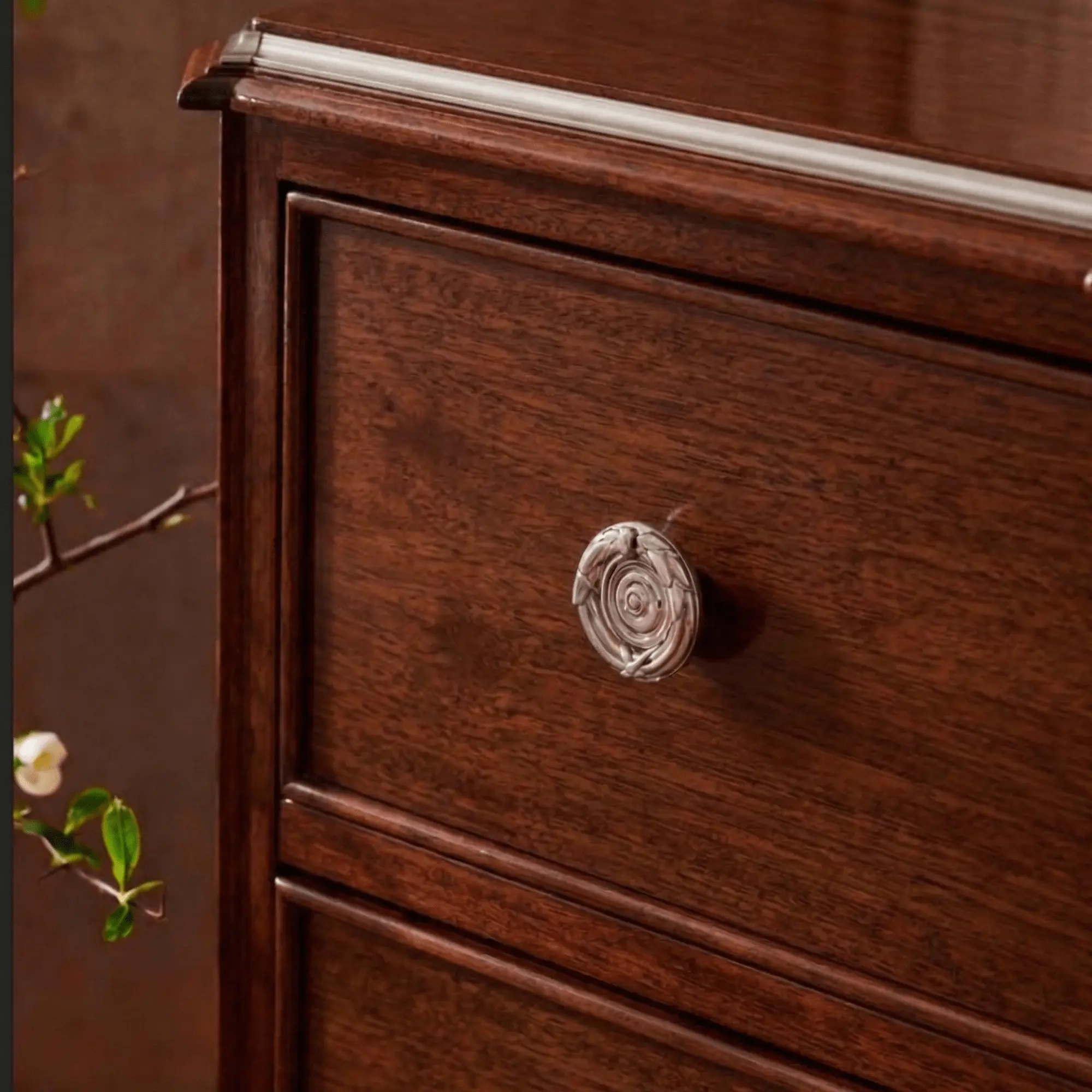
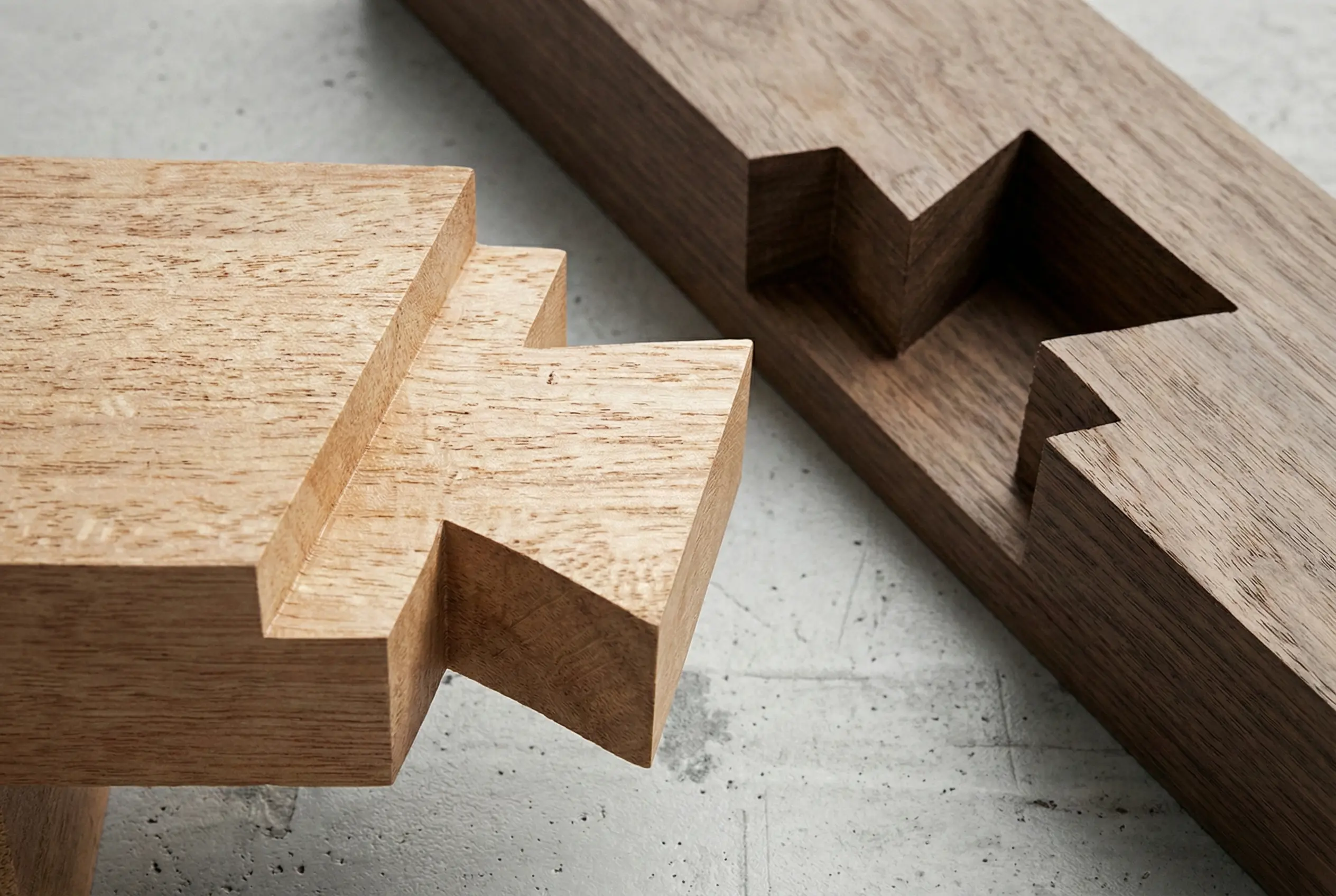
The language of craftsmanship is often used too loosely. It is pasted onto products that have little relationship to real skill, real material, or real time. But authentic making has clear marks. It shows in thoughtful joinery, natural fibres, solid wood where structure matters, finishes built rather than sprayed on for effect, and details resolved with restraint rather than excess.
The best objects carry evidence of judgement. A drawer that closes with calm resistance. A table whose grain has been chosen and placed with intention. A hand-knotted rug whose irregularities do not weaken it but give it life. An embroidered textile whose pattern still carries the memory of the hand. These are the result of knowledge, repetition, correction, and care.
The point of craftsmanship is not merely to preserve an old way of working. It is to preserve standards of intelligence, beauty, and permanence that modern production too often abandons.
Why Real Materials Feel Different
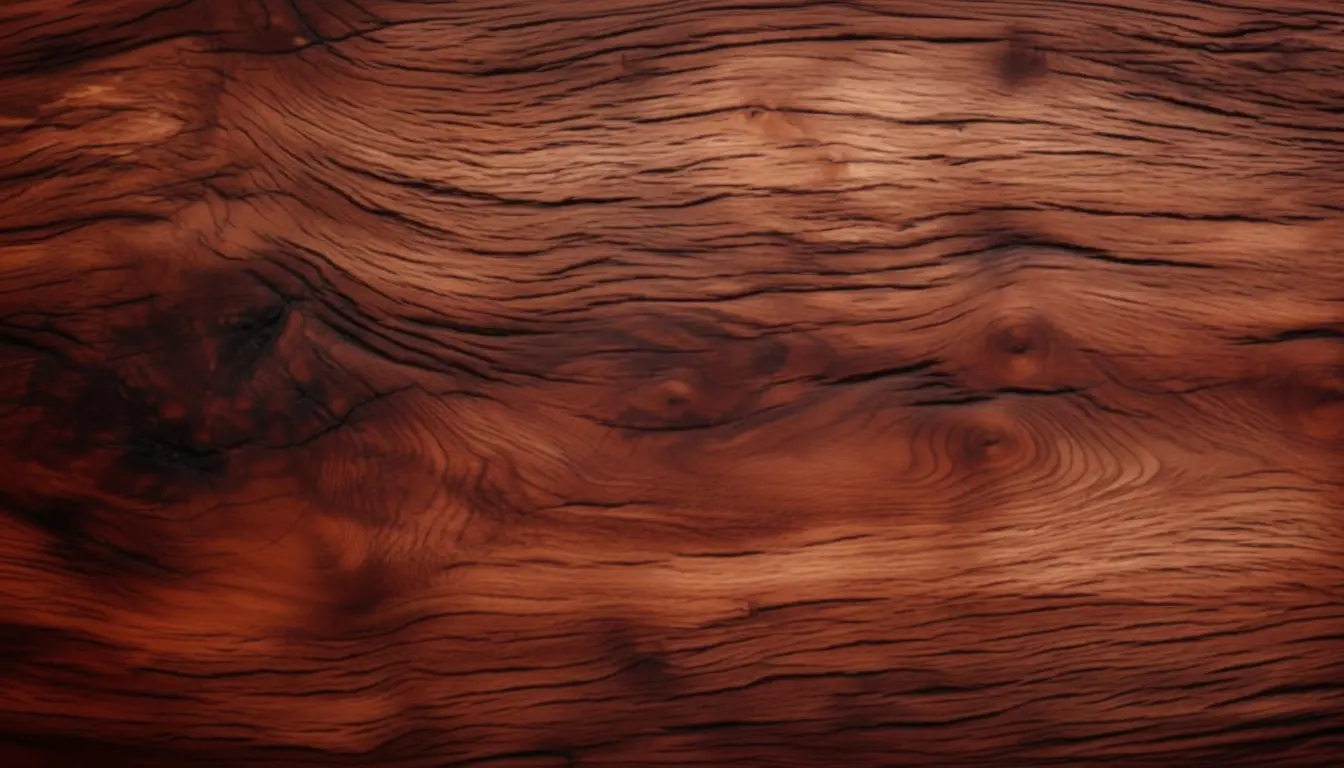
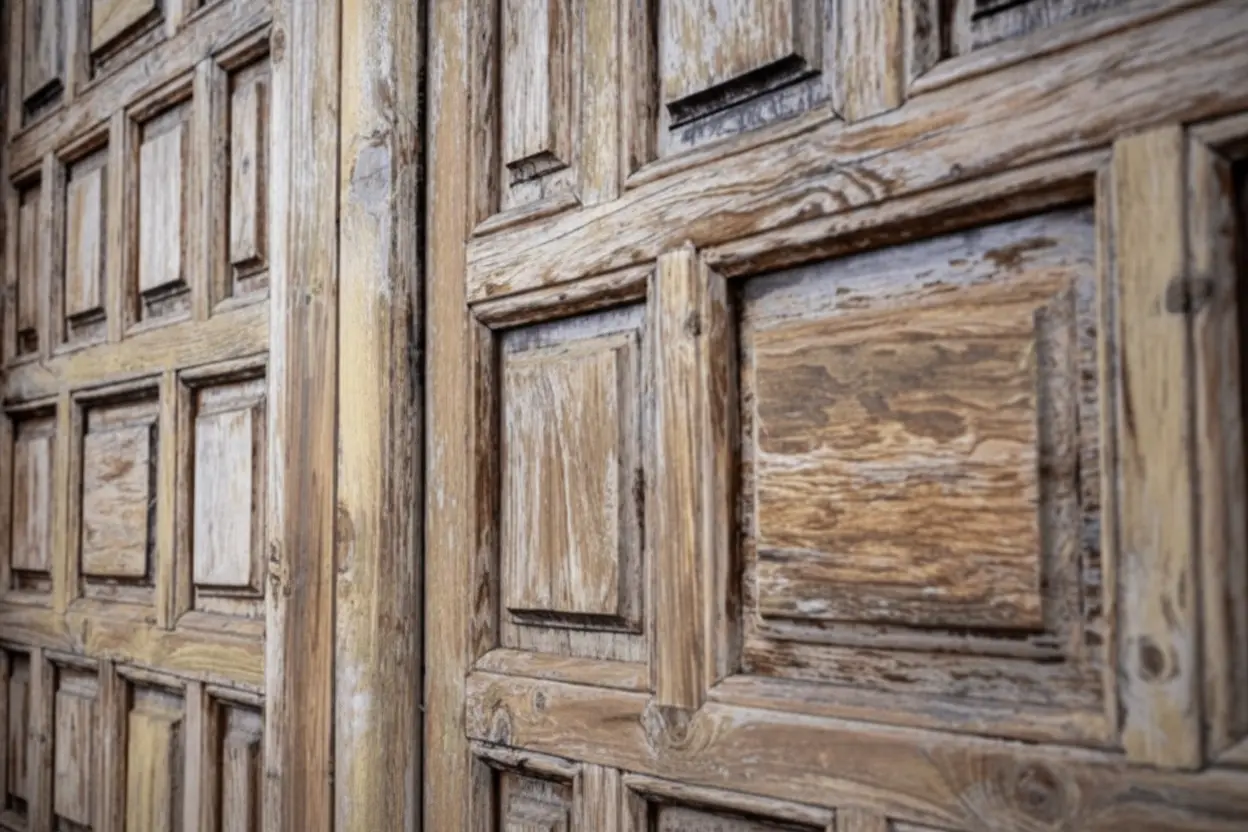
Solid wood remains one of the clearest examples. Its deeper value lies in its ability to age honestly. Mahogany, teak, walnut, and oak each respond differently to use, light, and environment. A well-made wood piece does not become disposable the moment its surface records life. It becomes richer. The marks of use do not necessarily diminish it. They can complete it.
The same is true of hand-knotted rugs. They are not valuable because they are slow to produce in some romantic sense. They are valuable because the slowness is inseparable from the quality of the outcome. Knot by knot, row by row, tension is judged, colour is balanced, and structure is built by hand. A machine can imitate visual order. It cannot reproduce the density of human judgement embedded in the making.
The Language of the Loom
Across the great weaving regions of the world, pattern functioned as a form of language. Motifs carried meaning long before rugs were traded globally as decorative objects. Symbols of protection, fertility, migration, and spiritual belief were woven into fields and borders that once reflected daily life within the communities that produced them.
Persian workshops developed intricate floral compositions refined through centuries of court patronage. Anatolian and Turkish traditions favoured stronger geometry rooted in village culture. Moroccan Berber weavings introduced abstract diamonds and linear compositions reflecting tribal storytelling. Even the knot varies by region: the asymmetrical Persian knot allows for curvilinear detail; the symmetrical Turkish knot produces bold geometric clarity.
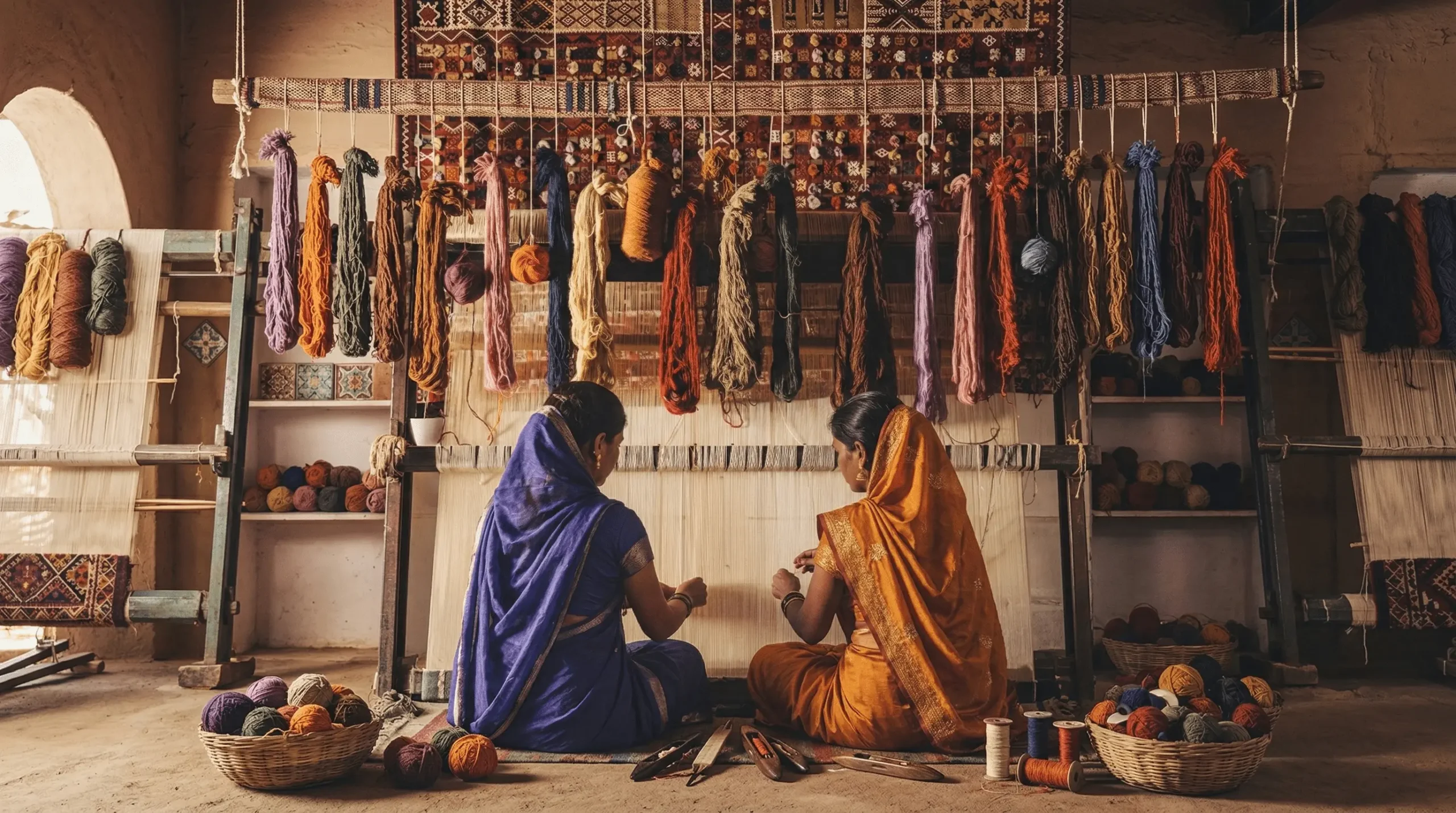
A rug can be decorative, but that is never the whole story. At its best, it is also a record of place, memory, material knowledge, and the visual language of a people.
Artisans Hold More Than Skill
They are not simply craftsmen producing decorative goods for a market that barely understands what it is asking for. They are storytellers, custodians of inherited knowledge, and living archives of methods that cannot be replaced once lost.
What an artisan holds is not just technique. It is memory. How wood should be seasoned. How a finish should be layered. How a motif should be scaled so it still feels balanced across a surface. How embroidery should carry not just ornament, but structure, rhythm, and history. This knowledge is cultural before it is commercial. That is why it matters.
Craft survives not because people admire it in theory, but because enough people choose to support the conditions that allow it to remain alive in practice.
Sustainability Begins With Responsibility
Real sustainability is not a marketing adjective. It is a moral and structural question. It asks who is responsible for the life of an object before it enters a home, while it is being used, and after it leaves fashion. That responsibility does not belong to one group alone.
Tradition Must Remain Alive
Heritage should not survive only behind glass. It should remain part of daily life. To balance tradition and modern life is not to dilute the past until it becomes anonymous. It is to let inherited knowledge continue in forms that still belong to the present.
Tradition should not be frozen. It should be carried forward by people who understand its logic well enough not to betray it. That is how craft remains alive rather than merely preserved. It evolves without becoming counterfeit.
This, ultimately, is the patience of true materials and true making. Not slowness for its own sake, but a refusal to sever beauty from responsibility, or craftsmanship from the conditions required for its survival. The room feels different when the things inside it were made this way. More settled. Less temporary. More human.
That is the standard worth protecting.
REEVA SETHI, founder and principal designer of RS Studio, creates interiors rooted in classical proportion and material restraint. Her work reflects Northern California light, favouring permanence, craftsmanship, and composed spaces designed to endure beyond trend. Follow the studio at @ruchi.sethi and @rs_studio on Instagram.
Reeva Sethi Home · Saratoga, California
The collection is available for in-person viewing at the Saratoga showroom. We work with pieces chosen for material integrity, craftsmanship, and long-term relevance. Interior designers receive trade and quantity pricing. Bespoke furniture and rug sourcing are available on request.
20430 Saratoga-Los Gatos Road · Saratoga, CA 95070 · 408-797-5283