Beyond the Weave: What Actually Makes a Jute Rug Feel Like Silk?
In the world of interior design, jute has long been the workhorse of the home. Valued for its durability and warm, organic tone, it has traditionally been chosen for utility rather than comfort. Scratchy. Stiff. Functional.
At RS Studio, we believe that reputation is overdue for revision—especially for the more considered, barefoot lifestyle of Saratoga and Los Gatos homes.
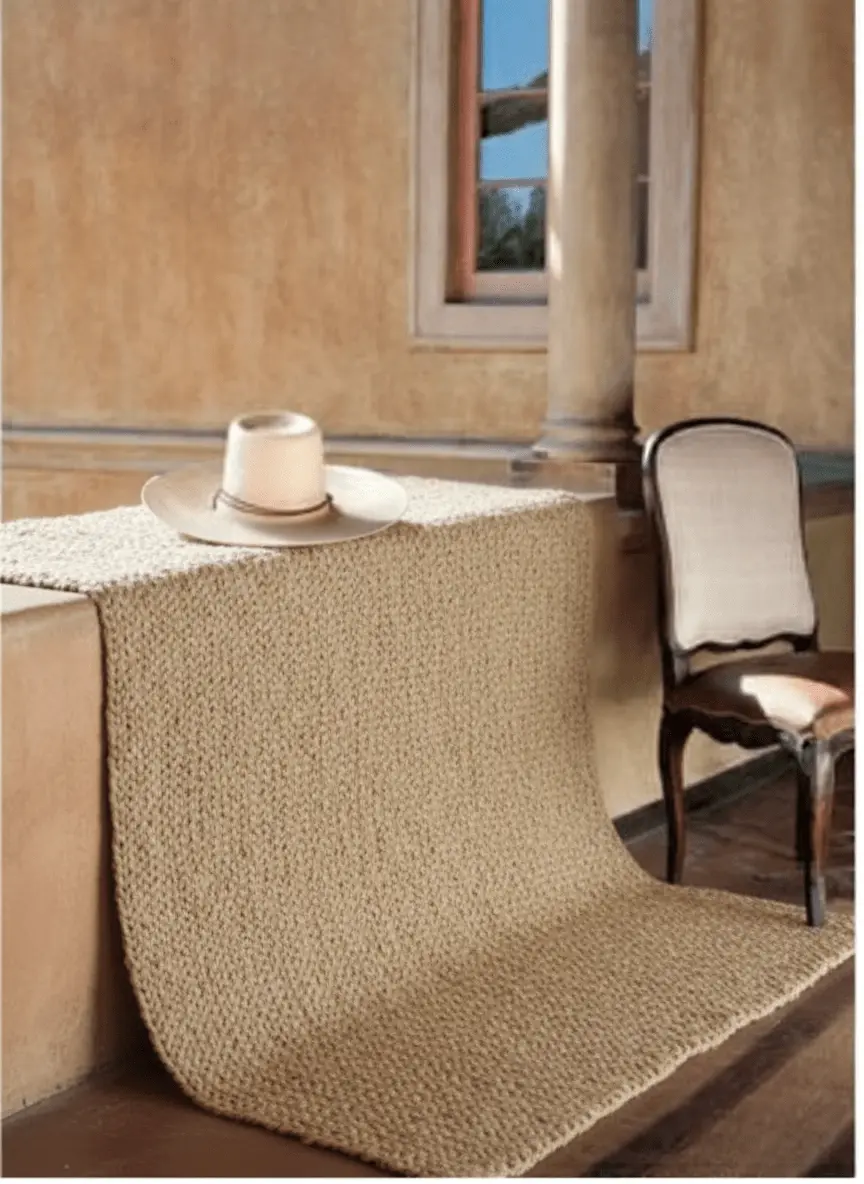
As homes move toward a more considered, barefoot way of living, the role of the rug has changed. A rug should not only ground a space visually, but invite touch. Walkability matters. Comfort matters. And softness in jute is not accidental. It is engineered through restraint and craft.
The transformation from rugged fiber to refined surface comes down to two decisions: the 10% cotton blend and the hand-woven finish.
The Power of the 10% Cotton Infusion
Most jute rugs on the market are woven from 100% raw plant fiber. That purity sounds virtuous, but it’s also what makes them rigid underfoot.
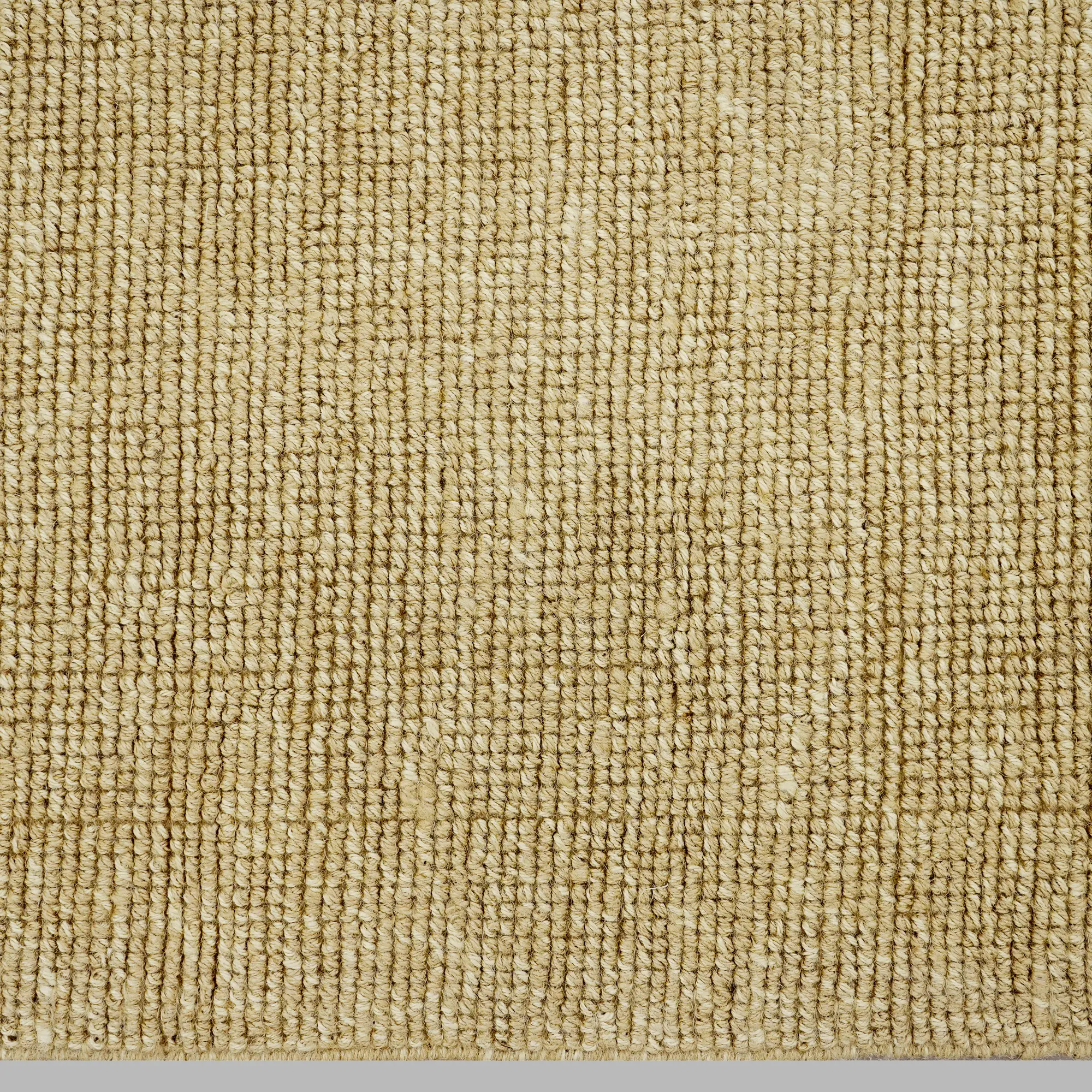
To achieve a more heritage-level finish, we introduce a controlled 10% cotton infusion. This small adjustment interrupts the stiffness of the jute, softening the weave and creating what we call a Coastal Grain texture. The feel is closer to broken-in linen than rope.
Hand-Woven vs. Machine-Made Jute
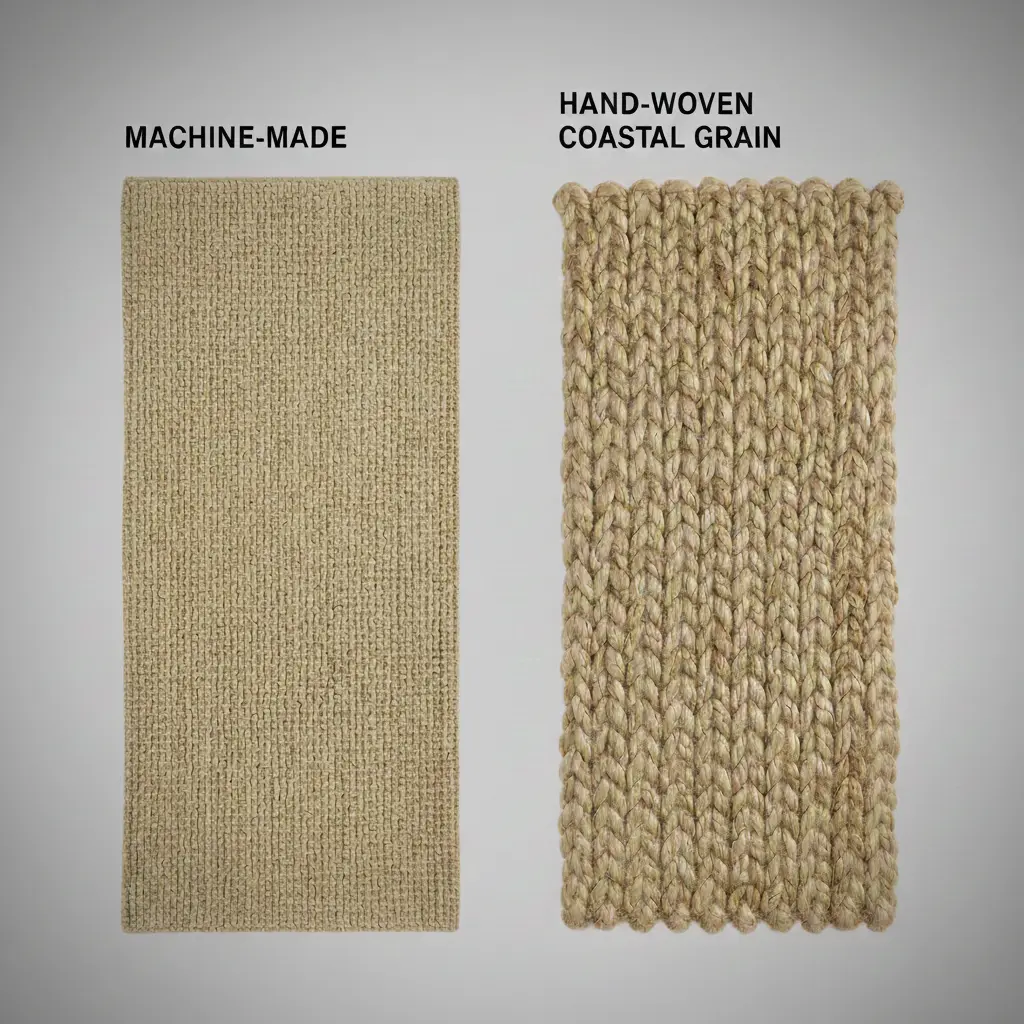
Machine-made rugs compress fibers aggressively. The result is flatness. Hardness. A surface that feels lifeless over time. By contrast, hand-woven rugs allow fibers to retain their natural loft, preserving breathability and aging with character.
This is not nostalgia. It’s physics.
Integrated Comfort That Disappears
True luxury rarely announces itself. By integrating a discreet 5% foam backing, the rug gains stability without bulk. No sliding. No curling. Just enough structure to feel permanent underfoot.
The comfort is felt, not seen.