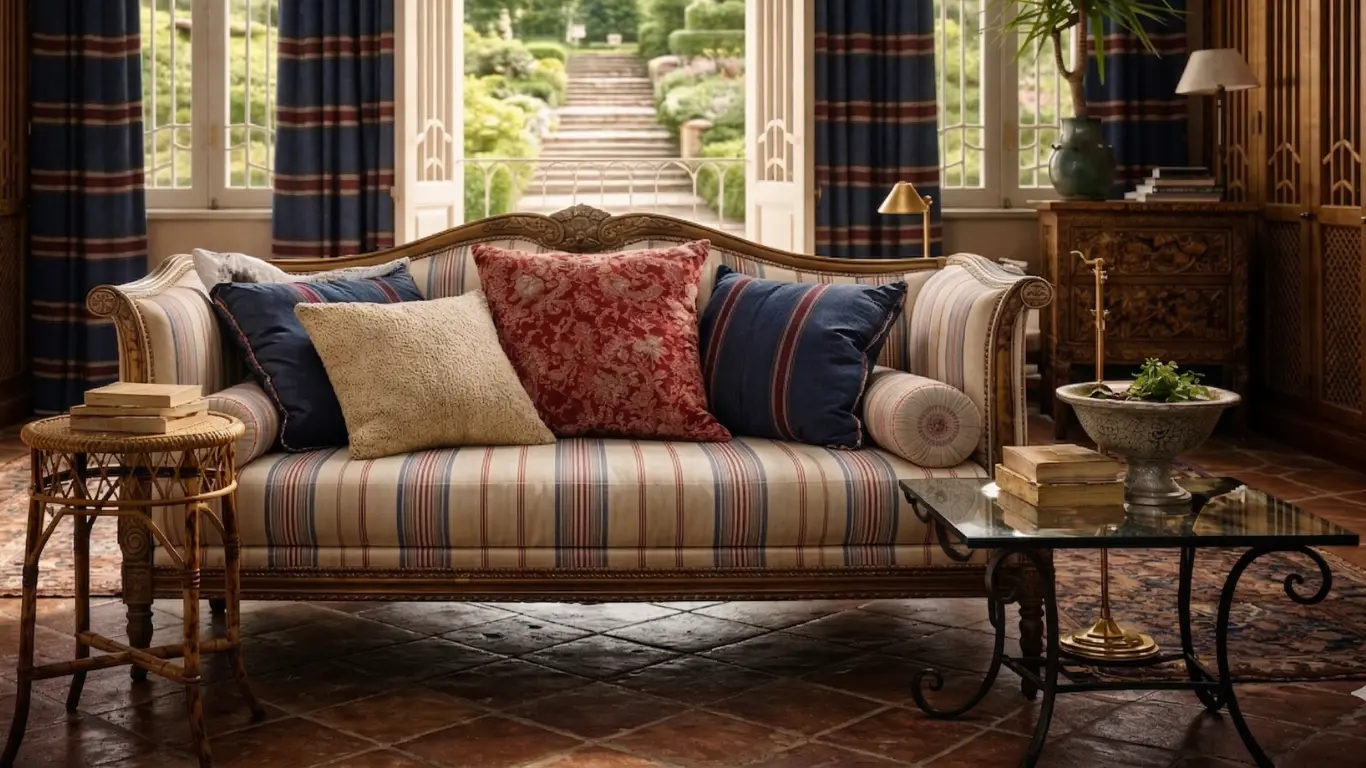
The term "heirloom furniture" is used constantly today, often to describe pieces that are neither structurally enduring nor designed to age gracefully. A higher price point does not make furniture heirloom quality. Neither does a traditional silhouette, an antique finish, or a well-photographed showroom.
True heirloom furniture is defined by construction, materials, craftsmanship, and the ability to remain emotionally and physically relevant over decades of daily life. This is what that actually means — and how to recognise it before you buy.
What Makes Furniture Heirloom Quality?
Heirloom furniture is not a style category. It is a construction standard. A piece qualifies when its materials and methods are capable of outlasting the person who bought it.
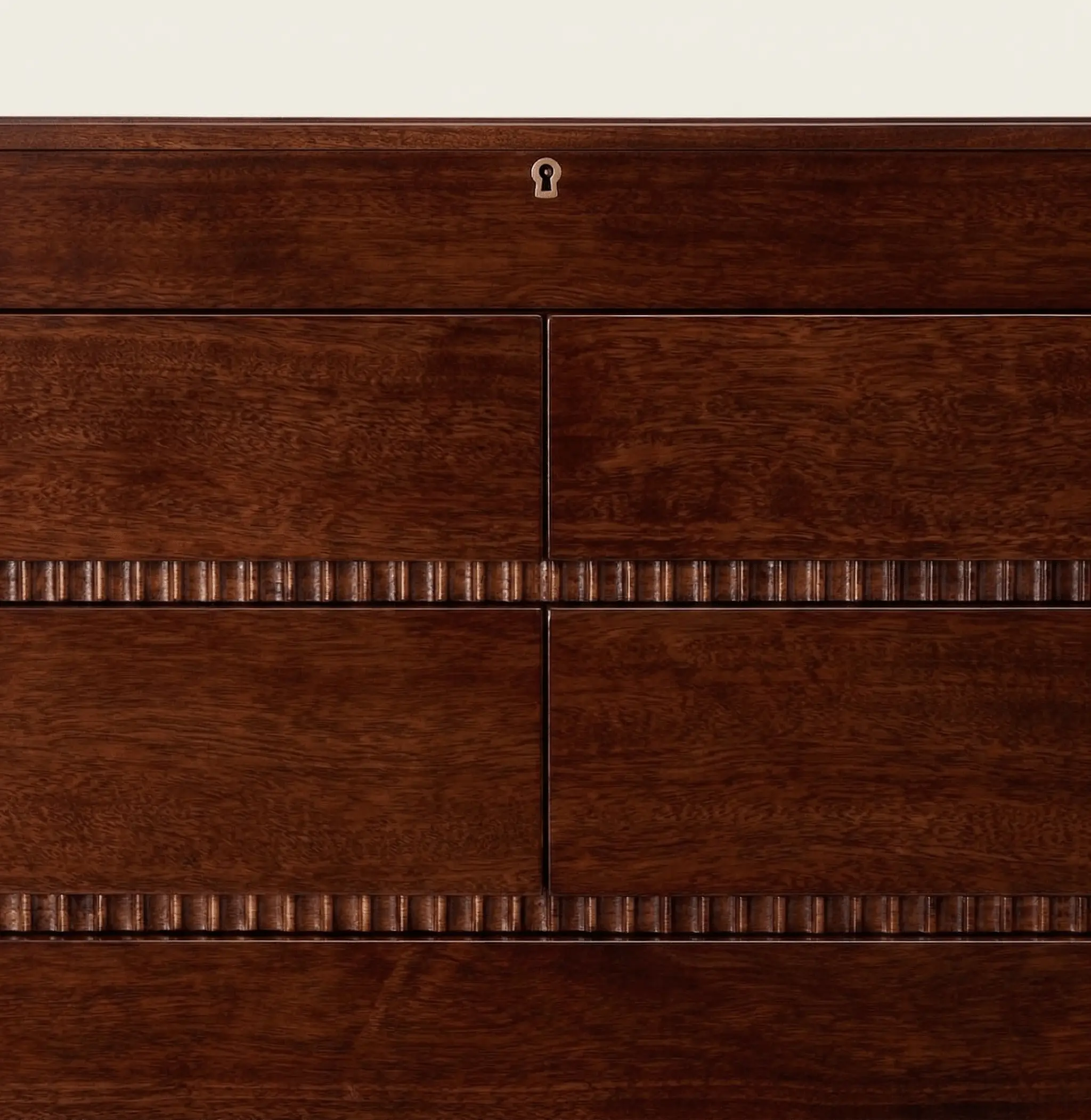
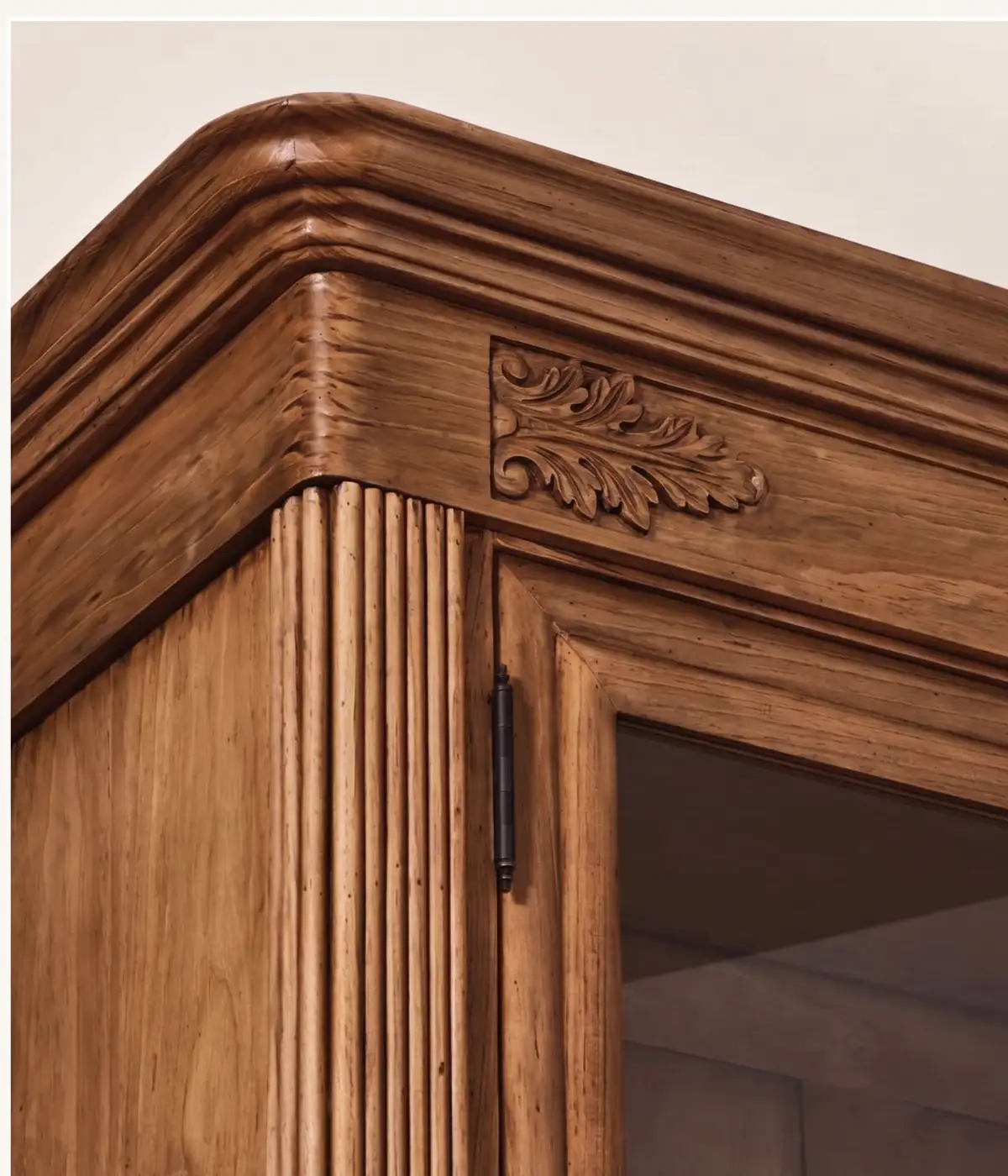
Solid hardwood, not engineered wood. The foundation of any heirloom piece is solid hardwood — mahogany, walnut, oak, teak, cherry. Not MDF beneath a thin veneer. Not particleboard designed to imitate wood rather than age like it. Solid hardwood moves, breathes, and develops patina over time. Engineered wood deteriorates. The difference is not subtle after ten years.
Kiln-dried timber. Even solid wood fails prematurely if it has not been properly dried before construction. Kiln drying removes moisture to a controlled level, reducing the warping, cracking, and joint failure that plague furniture made from insufficiently dried timber. It is an invisible step that determines whether a piece remains stable over decades.
Joinery, not fasteners. The joint is where furniture either lasts or fails. Mortise-and-tenon joinery — where a projecting piece fits precisely into a matching cavity — creates a mechanical bond that strengthens under stress. Dovetail joints in drawer construction lock the corners against the repeated lateral force of opening and closing. These techniques require time and skill. They cannot be replicated at speed. The alternative — mass-produced joints relying primarily on staples, weak dowels, and excessive glue — loosens, fails, and is difficult to repair.
Drawer construction. Open a drawer. If the bottom is a thin sheet of plywood nailed to the sides, the piece was built to a price point. A well-made drawer has solid wood sides, dovetail joints at the corners, and a bottom that floats in a groove — allowing for wood movement without splitting. It slides smoothly with no rattle. These details are invisible until the drawer fails. In heirloom furniture, they never do.
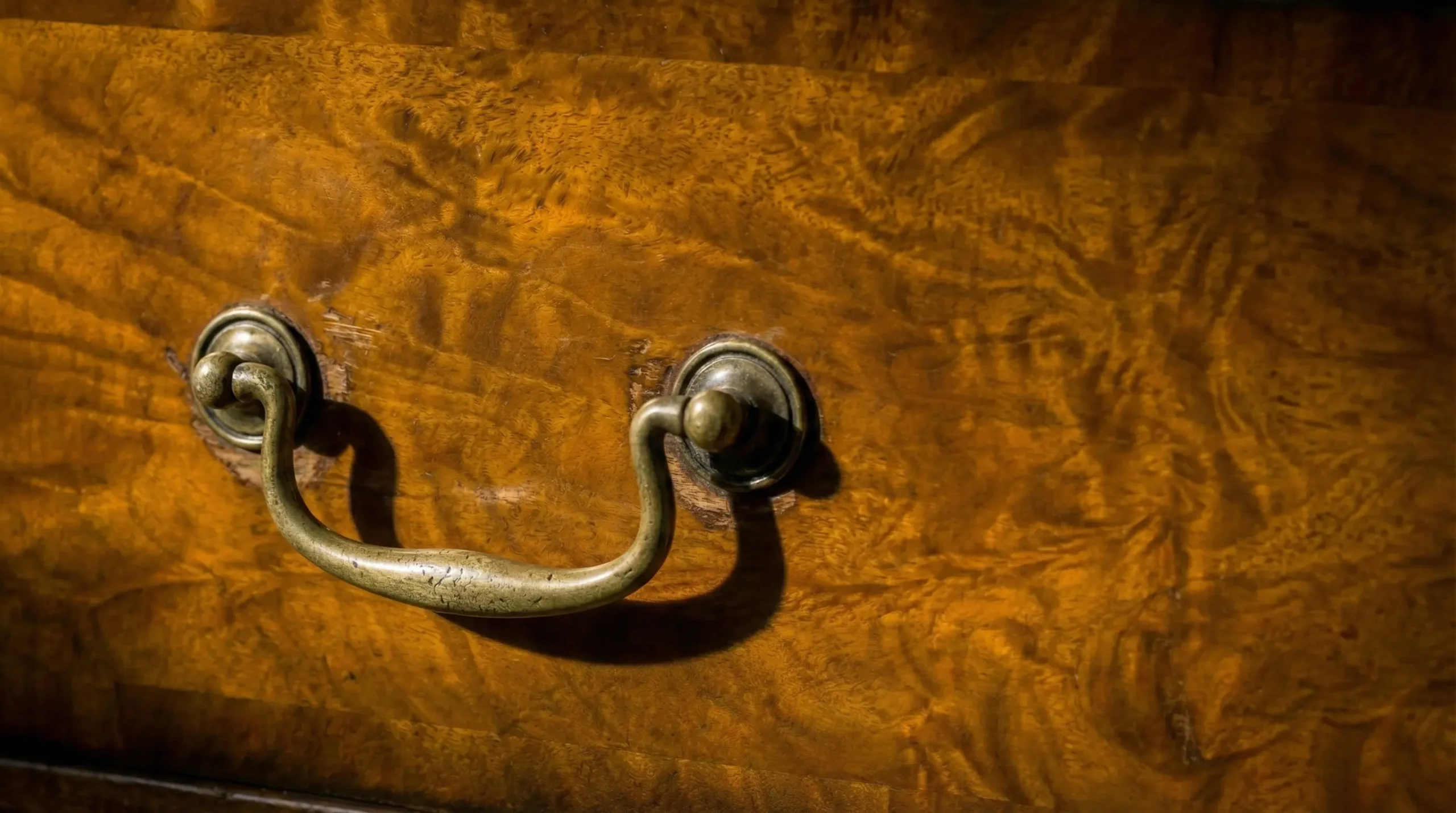
Hand-applied finishes. Factory spray finishes are fast and uniform. They also chip, yellow, and cannot be spot-repaired without stripping the entire piece. A hand-rubbed oil or wax finish penetrates the wood rather than sitting on its surface. It deepens over time. When it wears in a particular spot, it can be refreshed without refinishing the whole piece. This is what ageing gracefully looks like.
Weight. Pick it up. Or try to. Heirloom furniture has mass because it is made from dense, solid material with substantial joinery. A piece that feels light is telling you something about what is inside it.
Repairability. The final test: can it be repaired? Solid wood can be refinished, re-glued, re-jointed. Mortise-and-tenon joints can be reset. Upholstery can be replaced. A piece built with integrity can be restored; a piece built to a budget can only be replaced.
Why Construction Determines Longevity
Most furniture failures are not material failures. They are joint failures. The wood itself rarely deteriorates — what goes wrong is the connection between pieces of wood, and that connection is determined entirely by the method of joinery used.
Furniture moves. Wood expands and contracts with changes in humidity and temperature. A well-designed piece accommodates this movement — joints that allow for it, floating panels that can shift without splitting, finishes that breathe. Poorly designed furniture fights this movement until something gives.
In California's climate — warm, often dry, with significant seasonal variation — this matters more than in more temperate regions. Furniture that performs well in a controlled factory environment may behave very differently in a dry Bay Area summer. Solid, properly dried hardwood with traditional joinery handles this. Engineered materials do not.
Mortise-and-Tenon vs Stapled Construction
The mortise-and-tenon joint has been used in furniture making for thousands of years. It survives because it works: the mechanical interlock distributes stress across a wide glue surface and resists racking — the lateral force that eventually destroys chairs, tables, and case pieces built with inferior methods.
A well-cut mortise-and-tenon joint, properly glued, is stronger than the wood around it.
The joint will not fail before the wood does.
Stapled or dowelled construction can look identical from the outside. The only way to know is weight, the feel of the piece under stress, and — eventually — time. Corners that feel solid on day one may rock perceptibly within five years. Mortise-and-tenon construction typically does not.
Why Natural Materials Age Better
There is a practical reason natural materials — solid wood, natural fibre, wool, linen — outperform synthetic alternatives over time. They are repairable.
A wool rug that wears in a traffic area can be rewoven. A linen upholstered chair can be reupholstered — and the new fabric will look correct because the piece was built to accommodate it. A solid wood surface that develops wear marks can be refinished. These processes require skill, but they are available.
Synthetic materials do not age. They degrade. The microfibre that photographs beautifully in the showroom pills, flattens, and cannot be restored. The lacquered MDF chest develops chips that cannot be invisibly repaired.
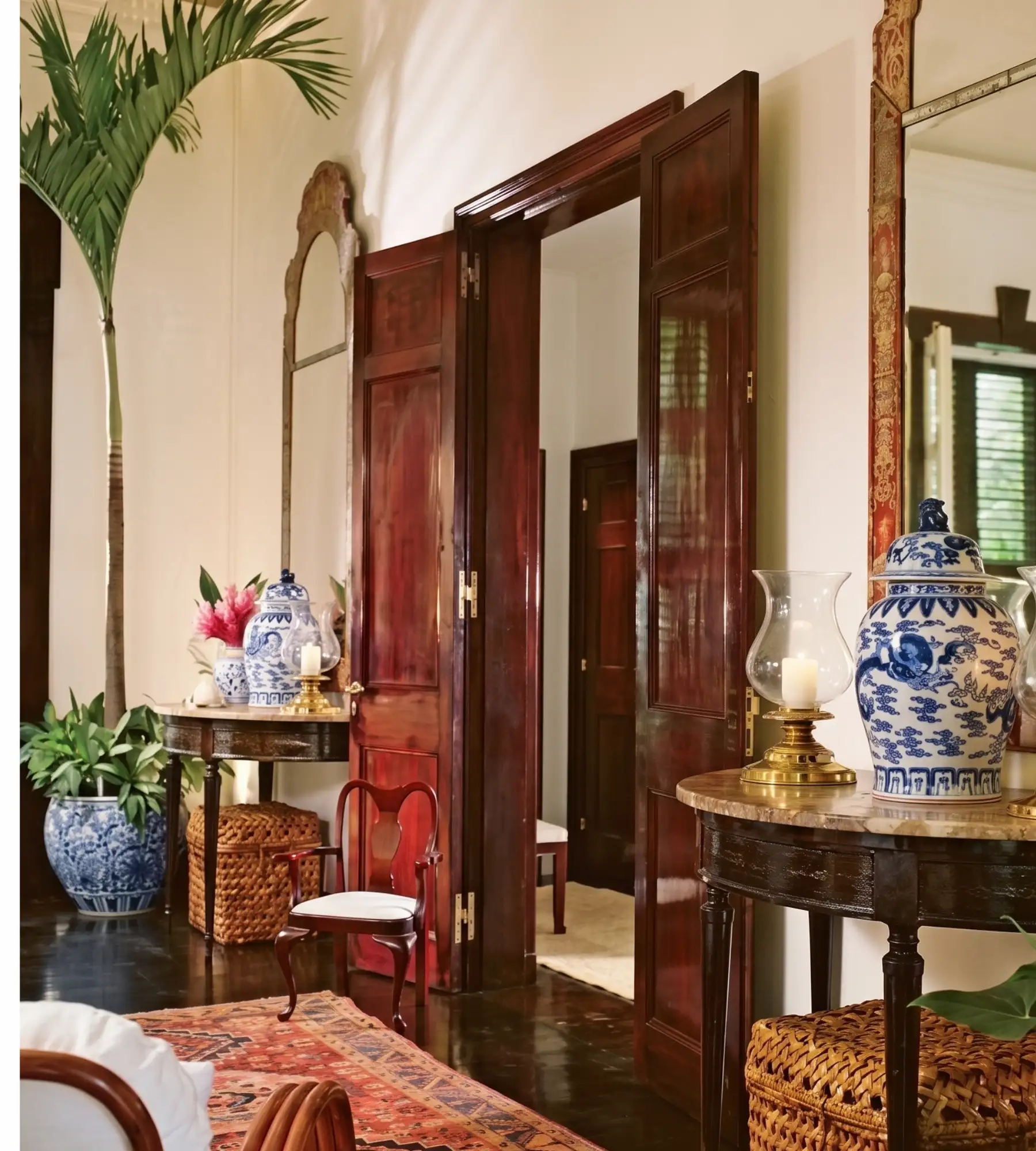
Natural materials also develop patina — a surface quality that comes from age and use, and accumulates meaning over time. A mahogany chest that has been in a family for thirty years looks different from one purchased last month. Both are the same object. Only one of them has become irreplaceable. Natural materials make that possible. Synthetic materials make it unlikely.
How to Evaluate Furniture Before Buying
Before purchasing any piece represented as heirloom quality:
- Ask about the wood species. Solid hardwood should be specified by name — mahogany, walnut, oak — not described vaguely as "wood" or "hardwood veneer."
- Examine the joinery. Look at the corners of case pieces, the legs of tables, the frames of chairs. If joinery is visible, it tells you how the piece was built. If it is entirely concealed, ask.
- Open every drawer. Smooth action, solid corners, no rattle. The drawer is the most honest part of a case piece.
- Press on corners and joints. A well-built piece should feel completely rigid. Any flex or creak at this stage will only worsen.
- Ask about the finish. Oil, wax, or hand-rubbed. Not spray lacquer, not polyurethane.
- Pick it up, or ask about weight. Density correlates with quality in solid wood furniture.
- Ask whether it can be repaired. A confident craftsperson or retailer answers immediately. Hesitation is informative.
At Reeva Sethi Home
Every piece in the collection is chosen against these standards. Not because of price point or period style, but because of how it is built — the species of wood, the method of joinery, the quality of finish. A solid mahogany campaign chest with hand-rubbed brass hardware qualifies not because it looks traditional, but because it is constructed to remain structurally sound under daily use for decades. A console built with mortise-and-tenon joinery at every leg joint, from kiln-dried timber, with a hand-applied finish — that piece will deepen rather than yellow. It will be repairable rather than replaceable.
The goal is not simply durability, but continuity — the capacity to remain part of a home's story across generations rather than being replaced when the next trend arrives.
The furniture collection at Reeva Sethi Home is chosen for construction, material integrity, and permanence — not coordination or trend.
Questions on furniture,
joinery, and lasting quality
What is heirloom furniture?
Heirloom furniture is defined by construction, not price. It is built from solid hardwood — mahogany, walnut, oak — using traditional joinery methods such as mortise-and-tenon or dovetail construction, and finished with oil or wax rather than spray lacquer.
The standard is simple: is it built to outlast the person who bought it? Price is not a reliable indicator. Construction is.
What is mortise-and-tenon joinery?
Mortise-and-tenon joinery is a traditional woodworking technique in which a projecting piece (the tenon) fits precisely into a matching cavity (the mortise), creating a mechanical bond that strengthens under stress and resists racking — the lateral force that eventually destroys furniture built with inferior methods.
A well-cut mortise-and-tenon joint, properly glued, is stronger than the wood around it. The joint will not fail before the wood does.
How do you evaluate furniture quality before buying?
Ask about the wood species — it should be named, not described as "hardwood veneer." Open every drawer: solid corners, smooth action, no rattle. Press on joints and corners — any flex will worsen over time. Ask about the finish: oil or wax, not spray lacquer. Pick it up if you can — density signals quality.
And ask whether it can be repaired. A confident retailer answers that immediately.
Why do natural materials age better than synthetic ones?
Natural materials — solid wood, wool, linen, natural fibre — are repairable. A wool rug can be rewoven. A linen chair can be reupholstered. A solid wood surface can be refinished. Synthetic materials do not age — they degrade. They cannot be invisibly restored once worn.
Natural materials also develop patina: a surface quality that accumulates meaning over time and makes a piece genuinely irreplaceable.
Where is Reeva Sethi Home located?
Reeva Sethi Home is located at 20430 Saratoga–Los Gatos Road, Saratoga, CA 95070. The showroom serves clients across San Jose, Los Gatos, and the wider Bay Area, and offers bespoke interior design services by appointment.
Call 408-797-5283 or book online.
RS STUDIO is the editorial and design practice of Reeva Sethi Home, founded by Ruchi Sethi. RS Studio publishes essays and guides on materials, craft, and the philosophy of building rooms that last. Reeva Sethi Home is open in Saratoga, California, serving clients across San Jose, Los Gatos, and the Bay Area.