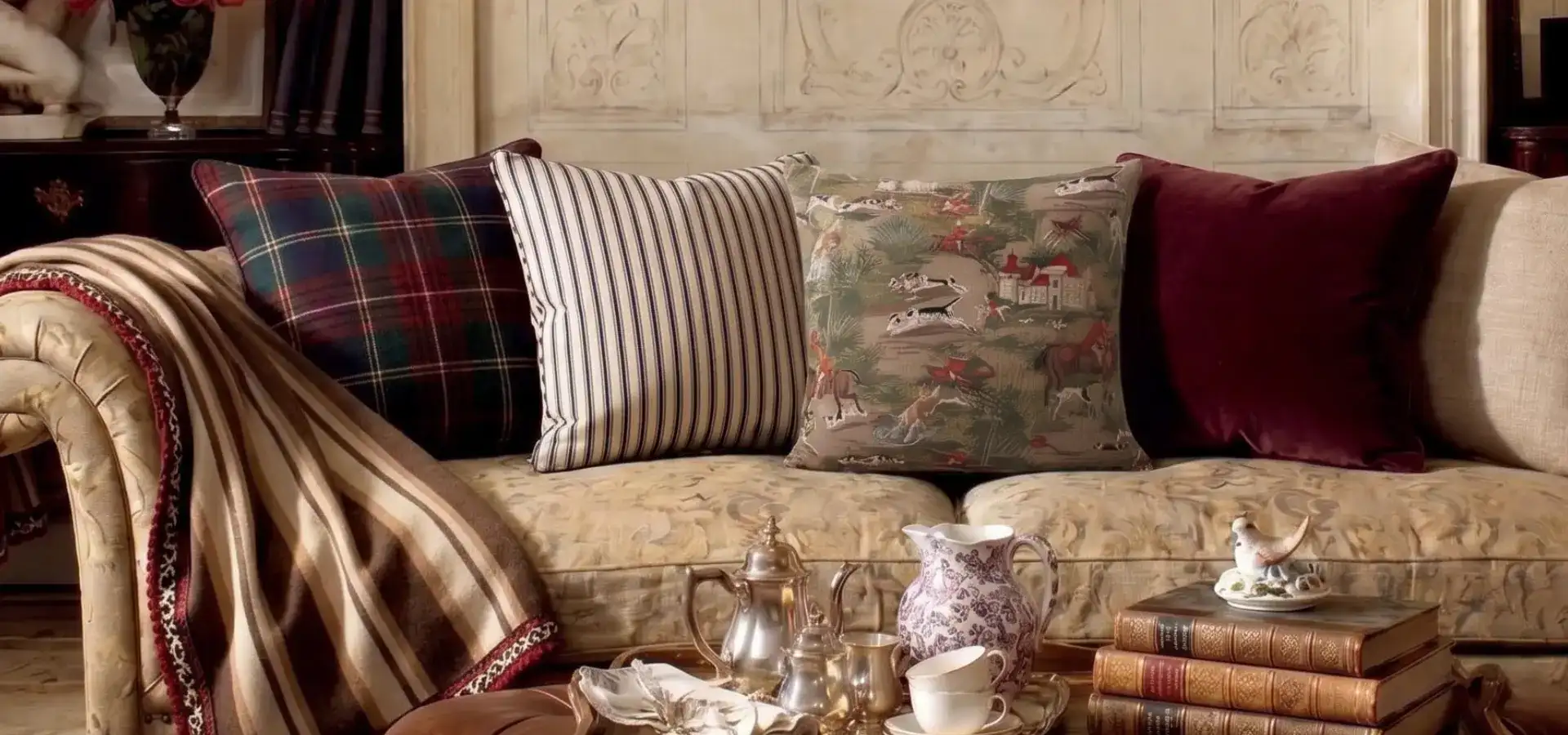
Coming Soon
The English Country House
A forthcoming essay on rooms that feel inherited rather than decorated.



A journal on timeless interiors, design philosophy, craftsmanship, and the patterns that make certain rooms memorable.
RS Studio is the editorial journal of Reeva Sethi Home — essays on why rooms feel right, how materials age, and what homes reveal about the people inside them.
The central belief: rooms people remember are rarely organized around furniture. They are organized around the way life is lived inside them.
Readers find practical guidance on furnishing rooms, selecting materials, evaluating craftsmanship, arranging and mixing throw pillows, understanding furniture history, and why some interiors remain compelling for generations.
Written from Saratoga, California. Observations drawn from homes throughout Saratoga, Los Gatos, Monte Sereno, Los Altos, Palo Alto, Atherton, Hillsborough, Woodside, and the greater Bay Area.
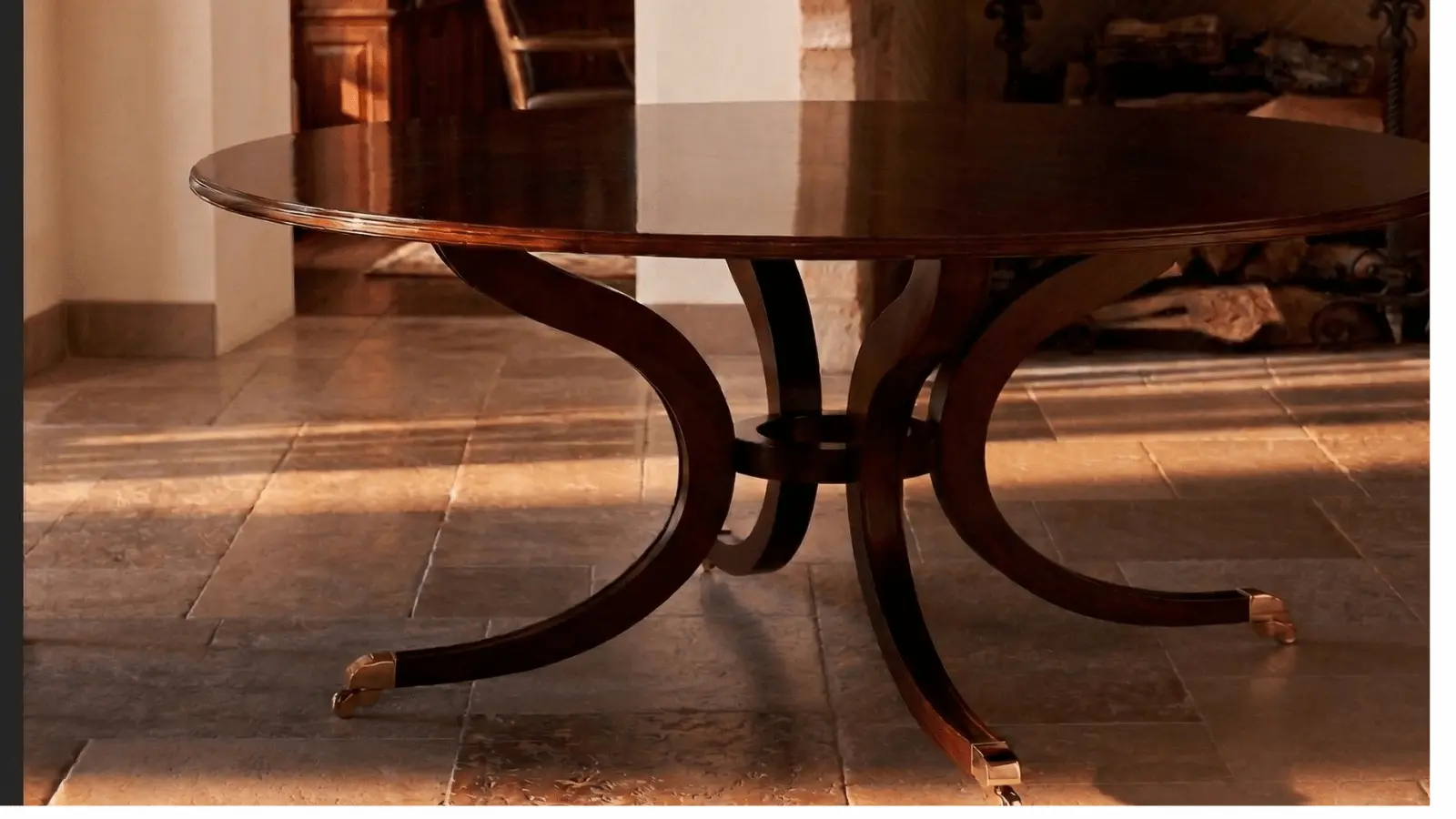
Essays, studies, and field notes on the rooms, materials, and objects that endure.
On furniture built for the generations that follow — weight, joinery, and the materials that tell the truth about how something was made.
ReadBespoke ServicesFor sourcing, room planning, heirloom furnishings, and trade or private consultations in Saratoga and the Bay Area.
Arrange a visitInterior Series
Why the rooms of the Anglo-colonial tradition still feel more comfortable than most rooms built today.
Read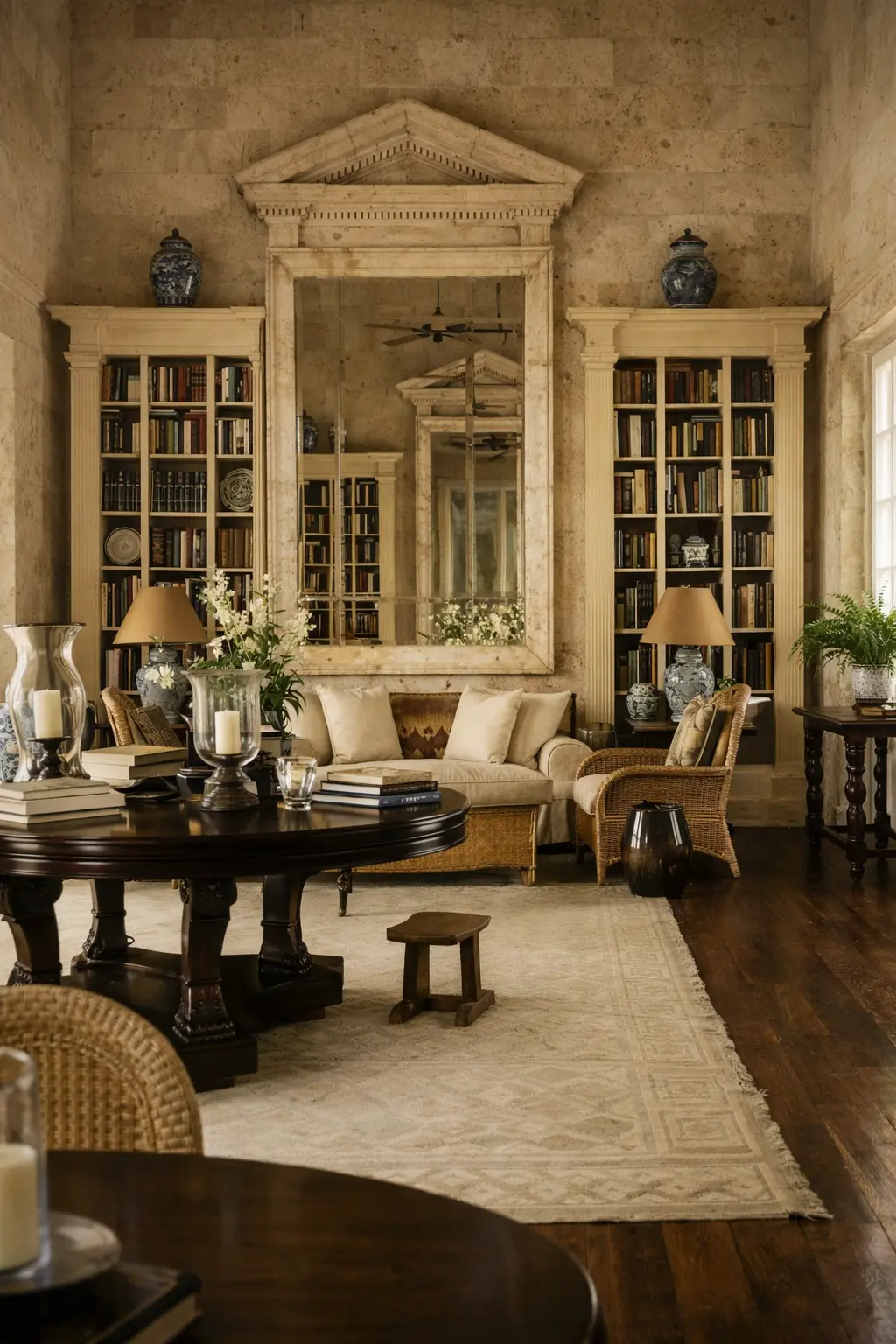
Psychology
Why some rooms immediately help people relax while others never quite feel comfortable.
Read
Living
Why leaving space empty is one of the hardest and most honest decisions in a room.
Read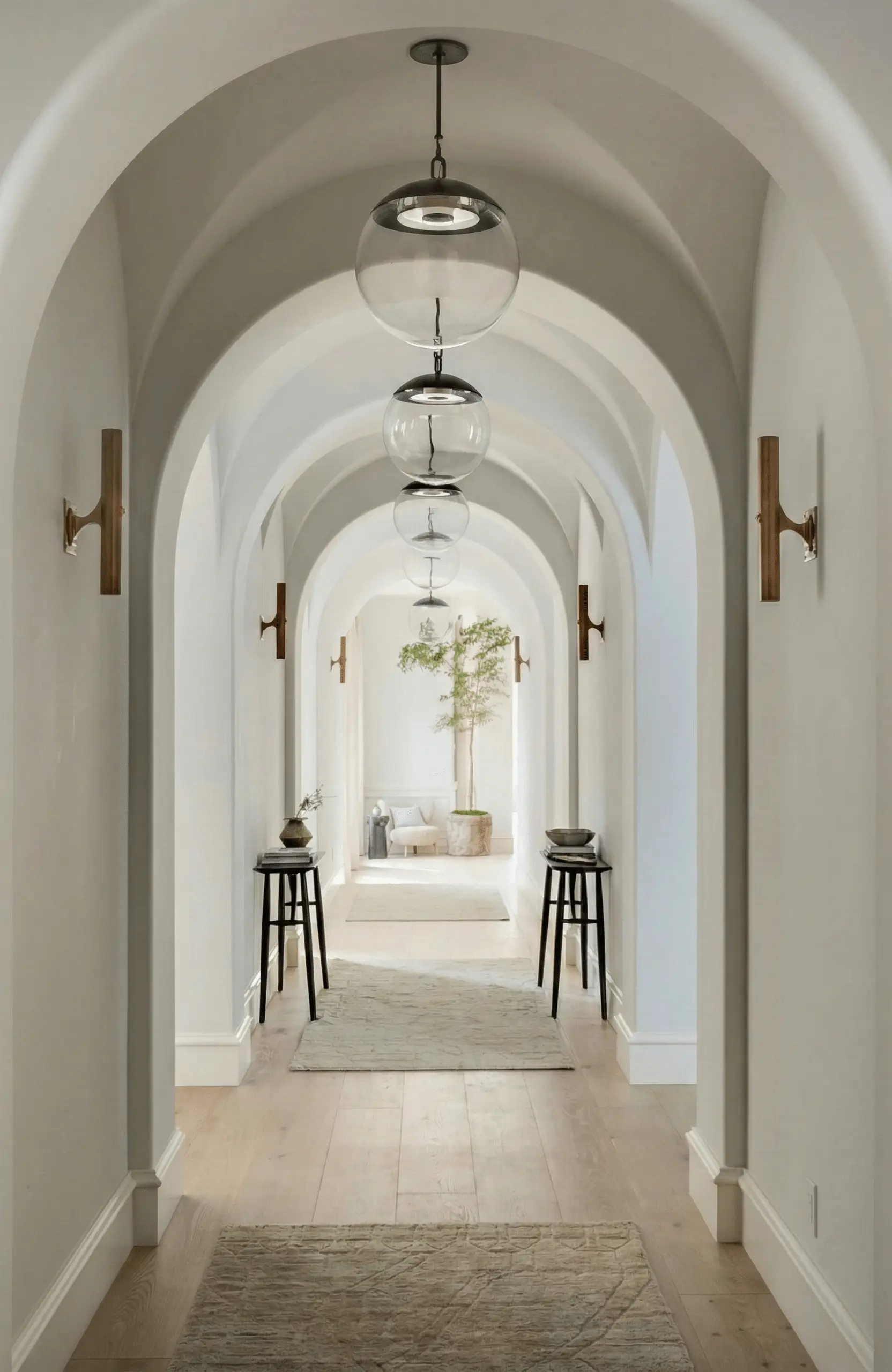
Design Philosophy
Why you can walk into a room and feel at home before you've ever been there.
Read
Journal
The difference between a room that was decorated and a room that was lived into.
Read
Design Diagnostics
Why expensive homes can still feel cold — and the specific conditions that cause it.
Read
Design Diagnostics
Five things that make a room feel off even when everything looks correct.
Read
Heritage
What the rooms that have lasted hundreds of years have in common — and why it still applies.
Read
Design Essay
What The Devil Wears Prada 2 reveals about patronage, disappearing skill, and who decides what is worth keeping alive.
Read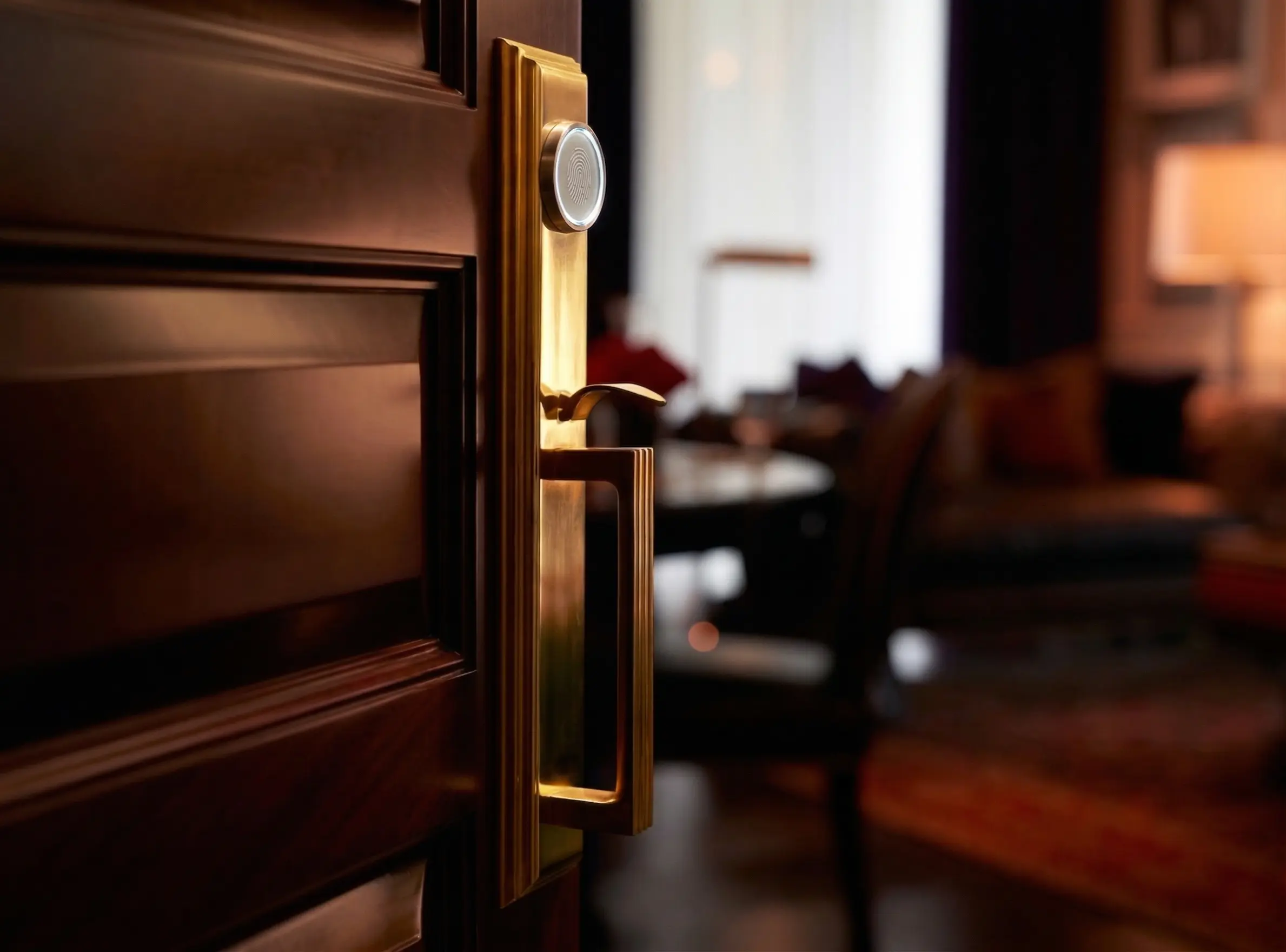
Lecture Notes
Why what something is made of is a structural decision — not an aesthetic one.
Read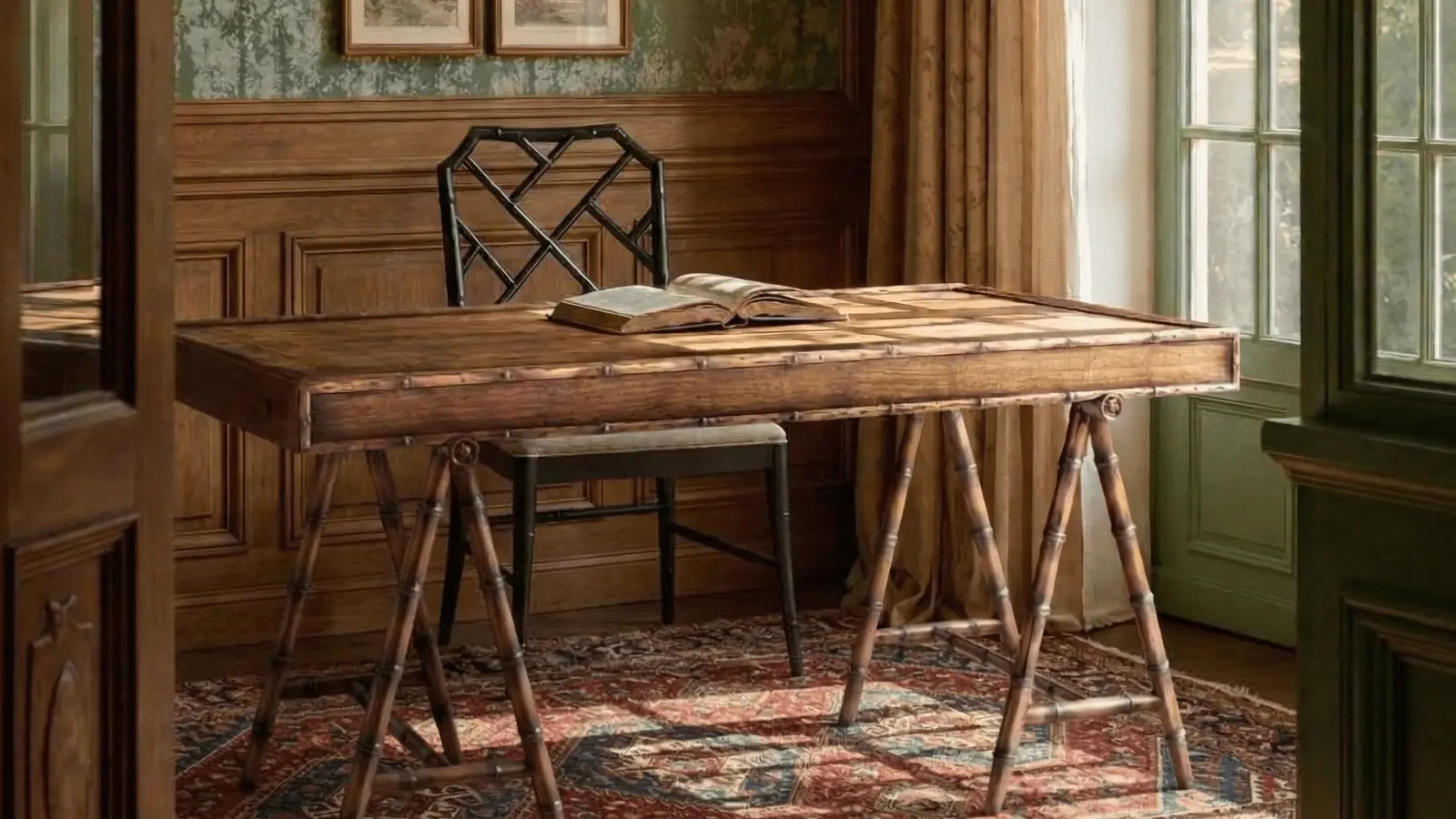
On Craft
Why the materials something is made from determine whether it lasts ten years or a hundred.
Read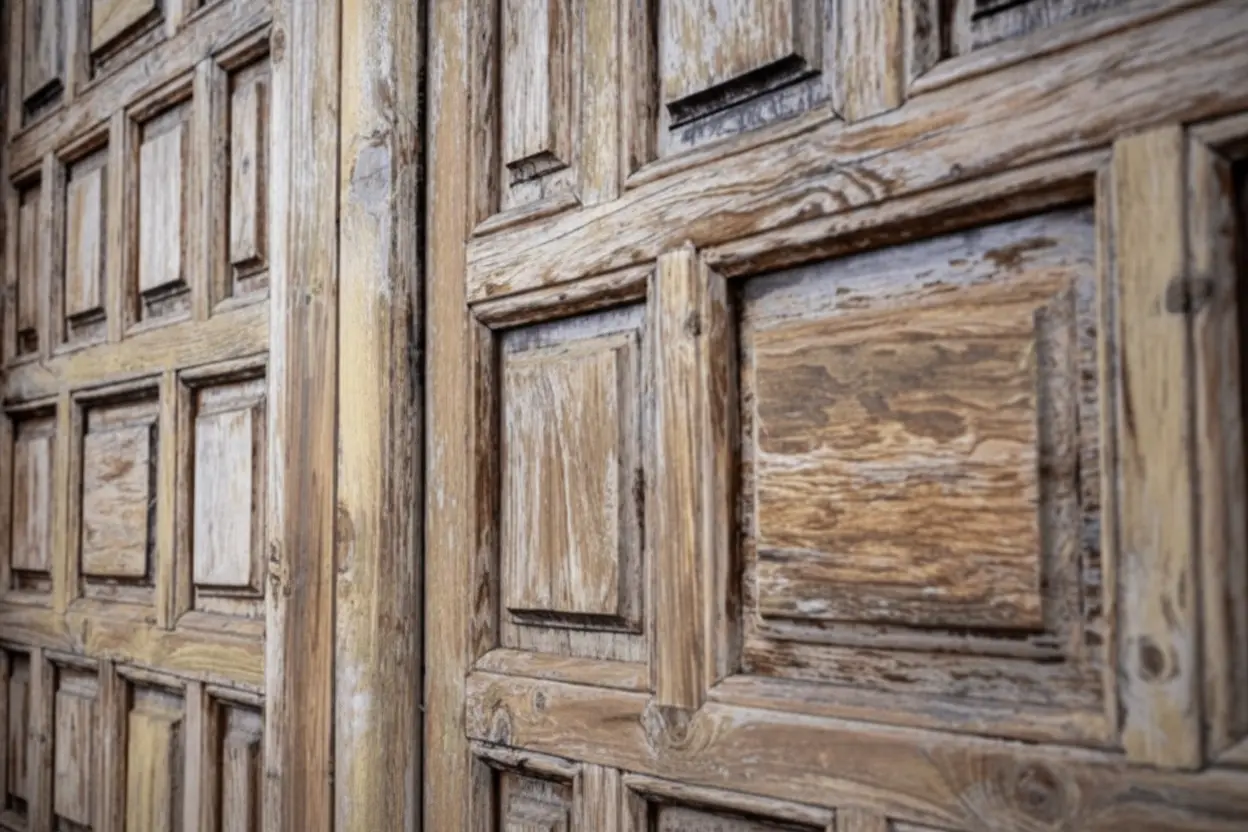
Materials
How to tell from looking whether a piece of furniture will last — or won't.
ReadMaterials
Wood species, joinery, finish, and four key decisions.
Read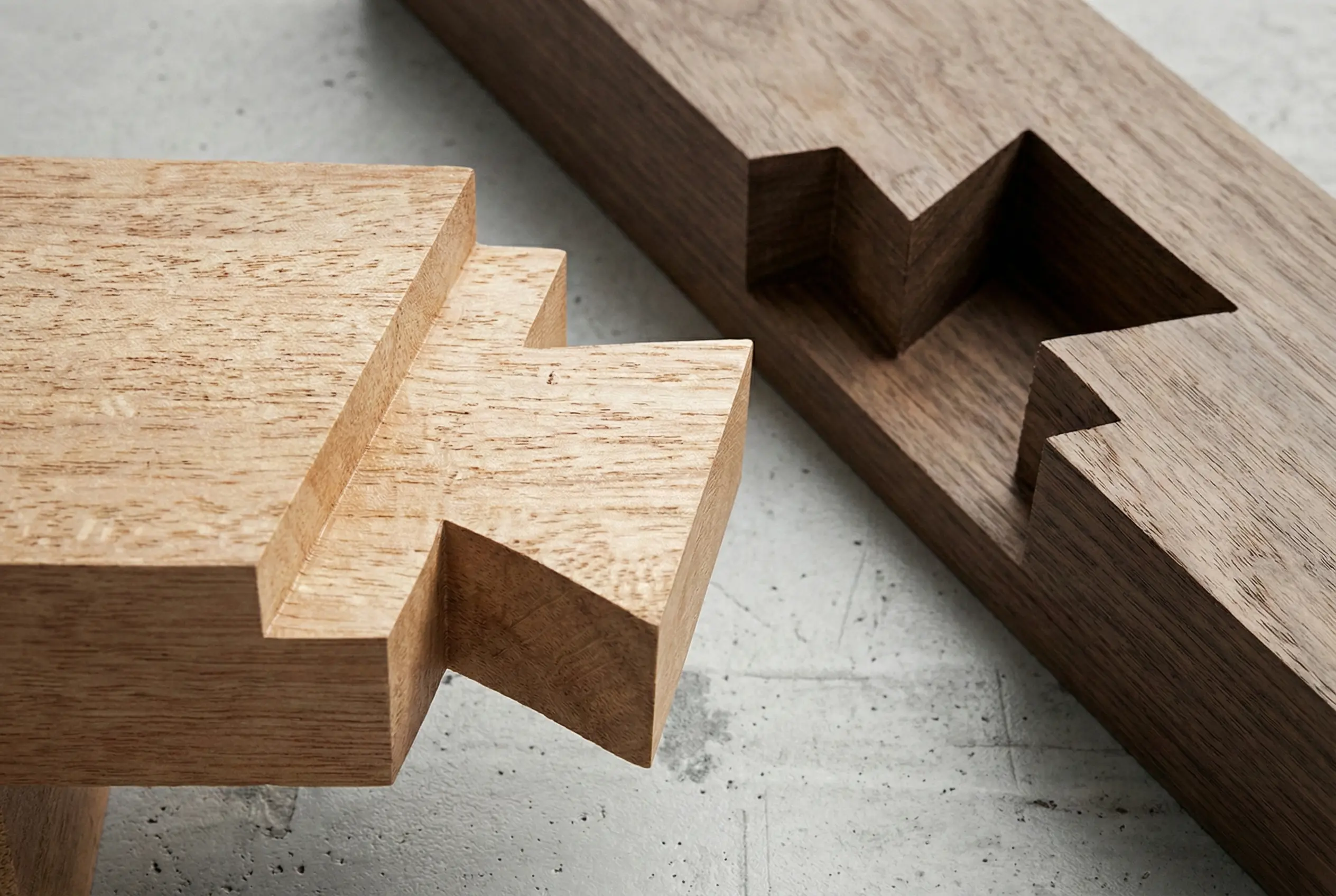
Materials
What it means to build something meant to outlast the person who bought it.
Read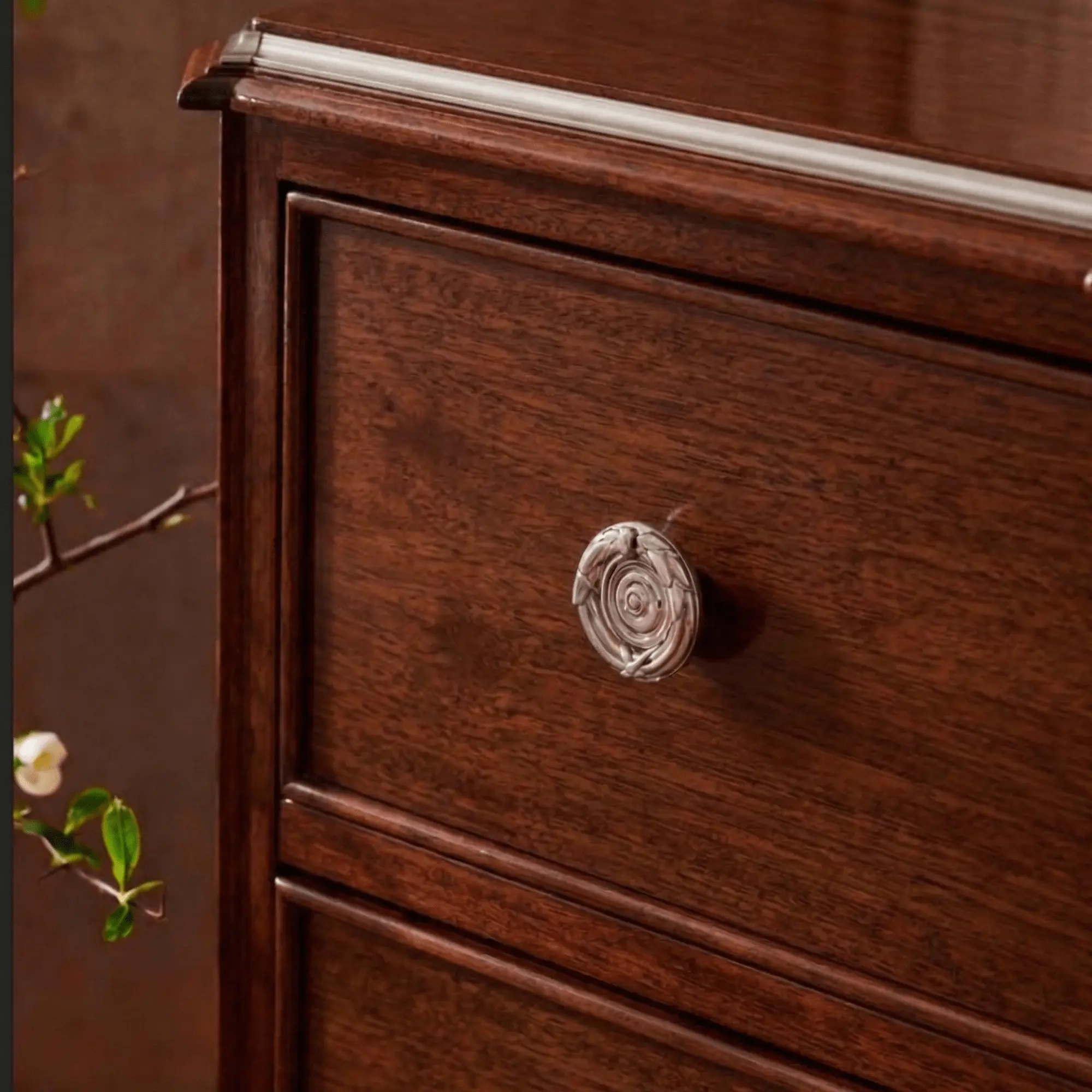
Buying Guide
How to tell the difference between furniture that is solid and furniture that only looks it.
Read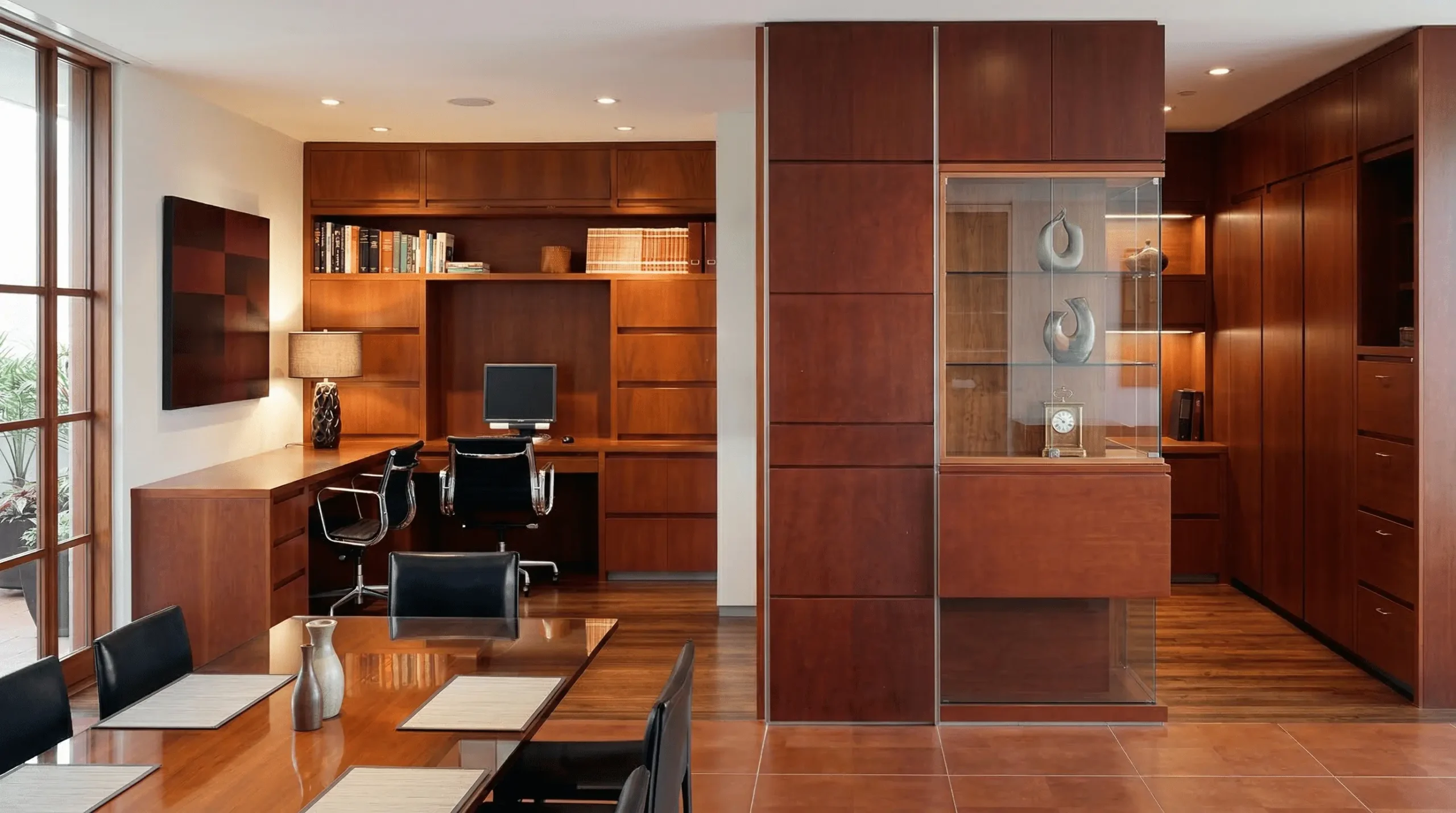
Materials
Why two pieces of mahogany furniture can feel completely different — and how to read the difference.
Read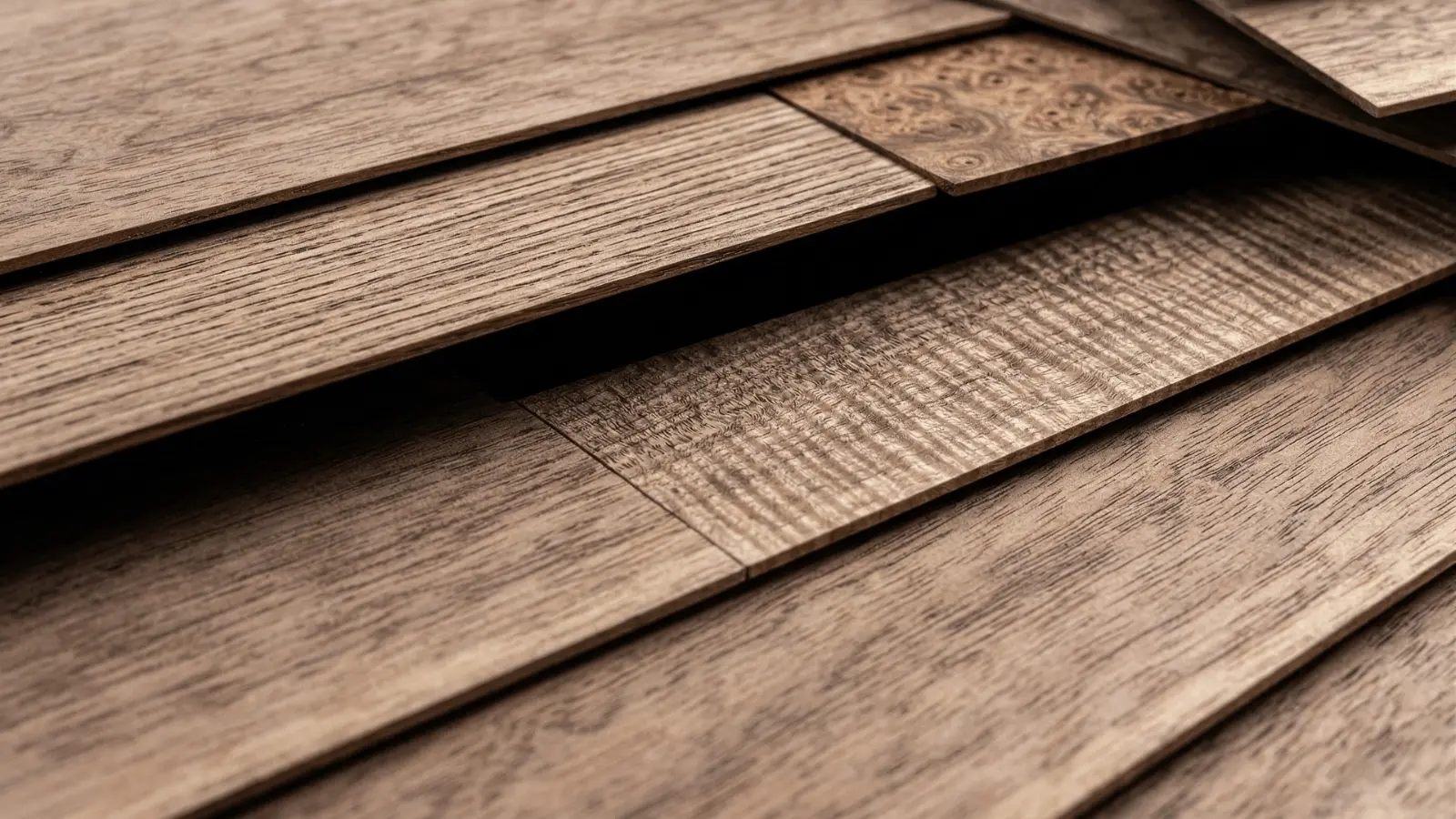
Collection
Furniture rooted in tradition and built for permanence.
Explore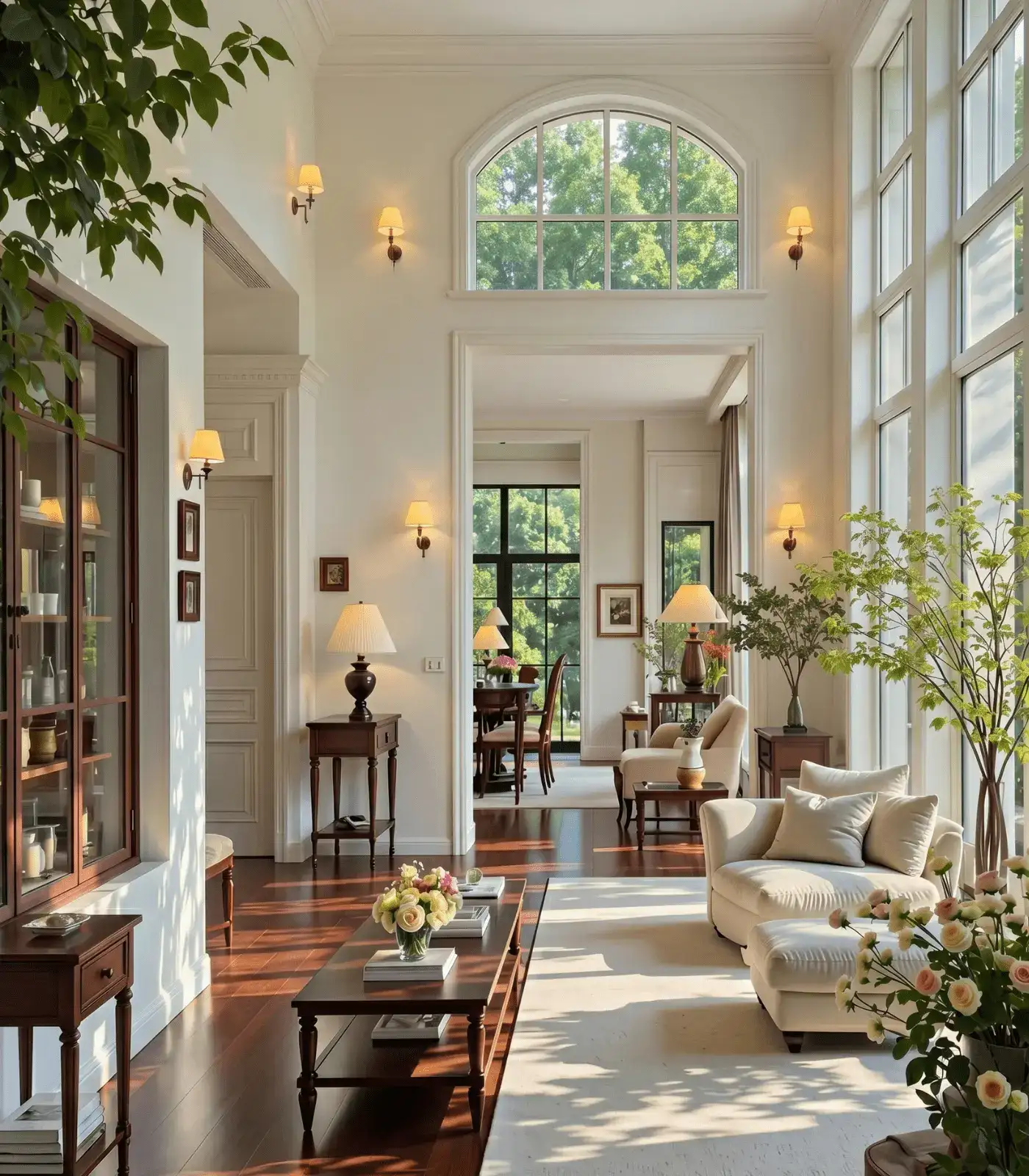
Design Philosophy
The rooms people remember were organized around the way life is lived, not what was purchased.
Read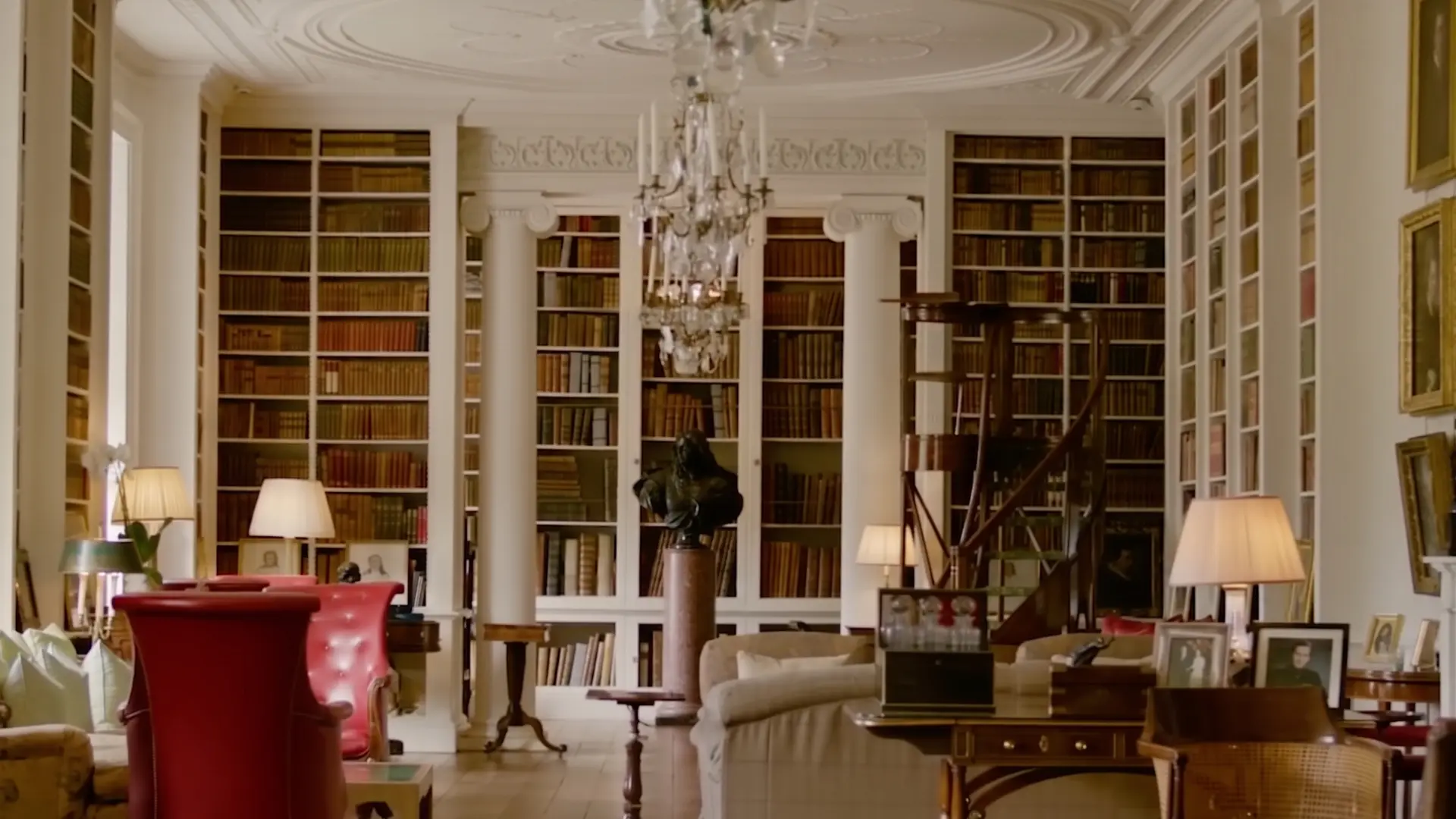
Design Philosophy
How to stop buying rooms and start building them — one considered object at a time.
Read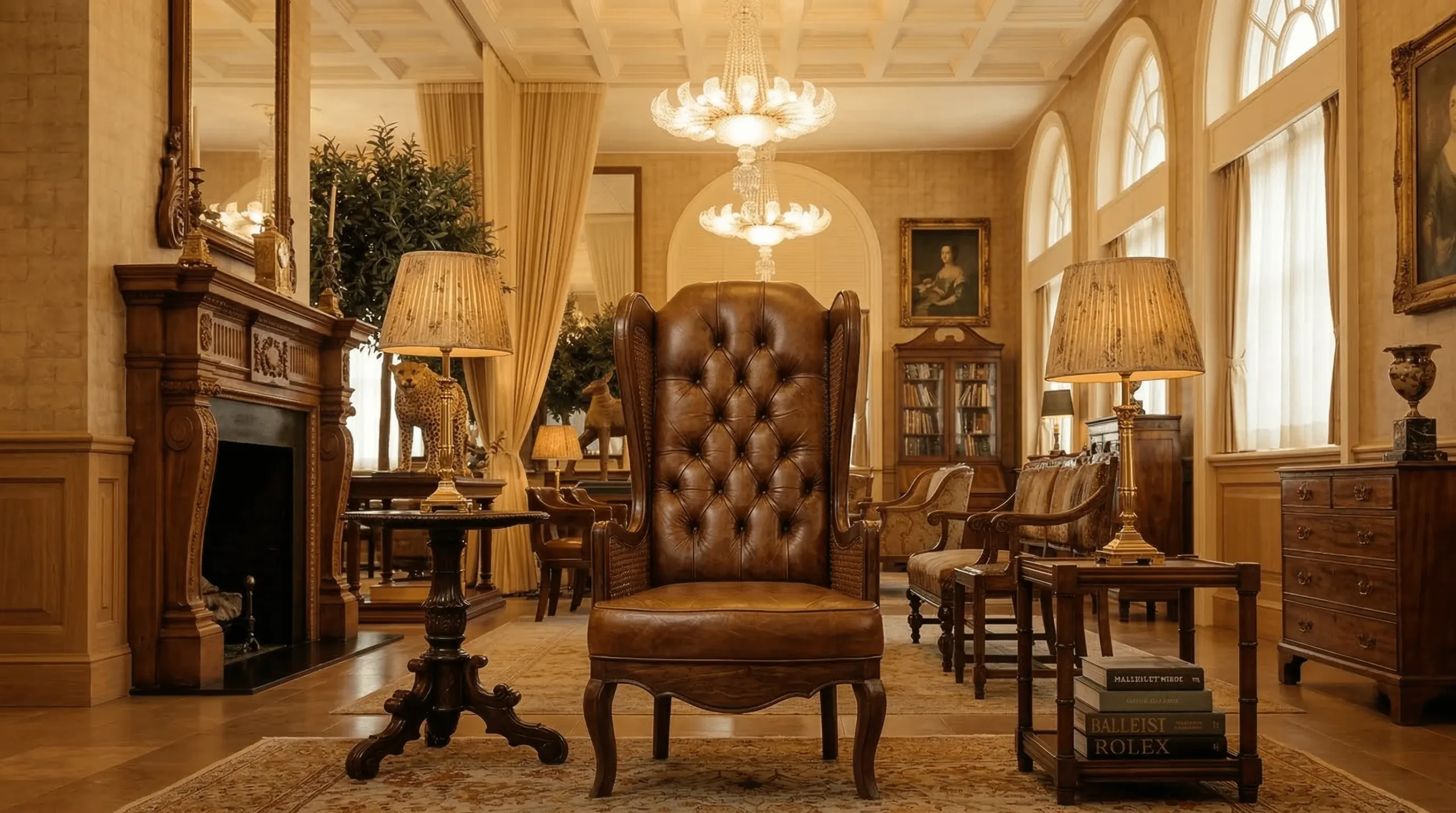
Design Philosophy
Where handmade things still come from, and why choosing them matters more than it used to.
Read
Design Philosophy
What the rooms that outlast decades have that the ones that don't are missing.
Read
Design Philosophy
Why buying the sofa first is the most expensive mistake in interior design.
Read
Guide
What restraint actually looks like when it's working — and why it's harder than it appears.
Read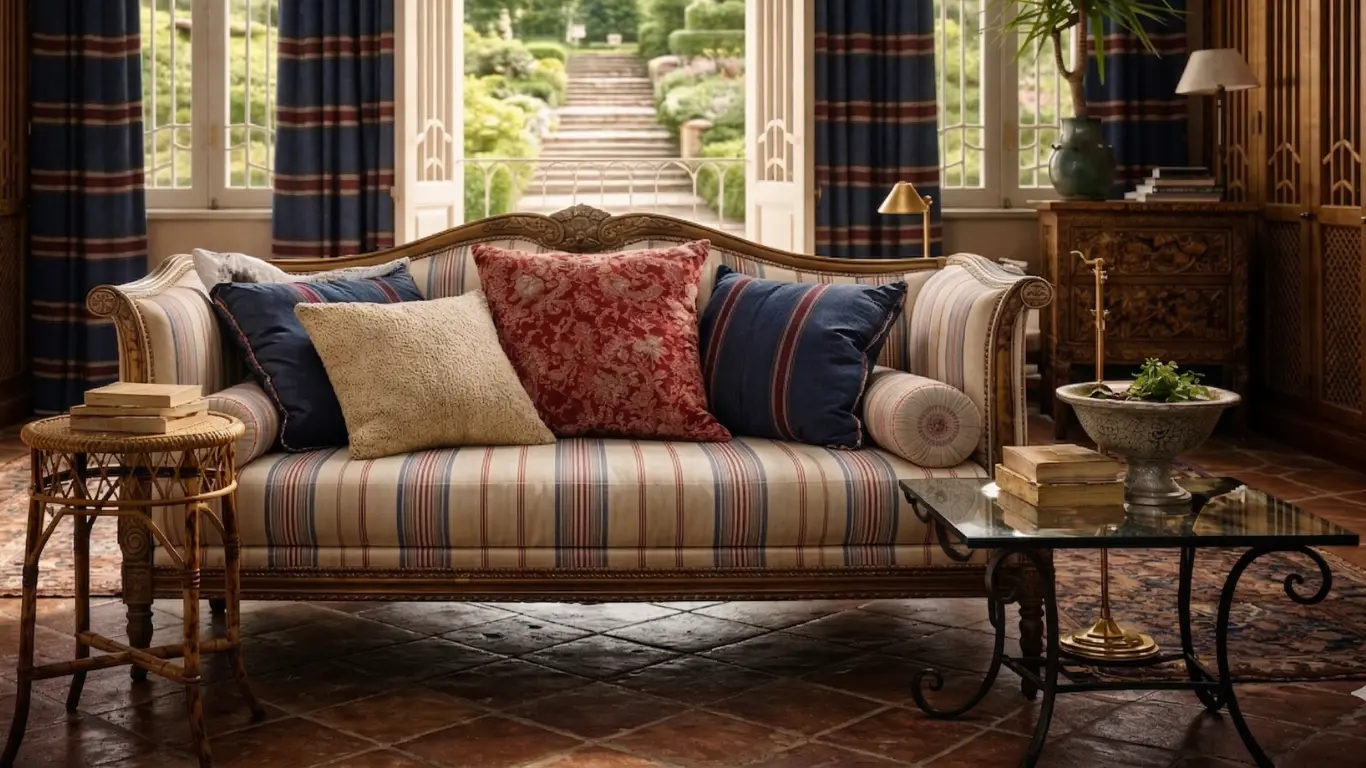
Design Philosophy
Why matching furniture sets produce rooms that feel assembled rather than inhabited.
Read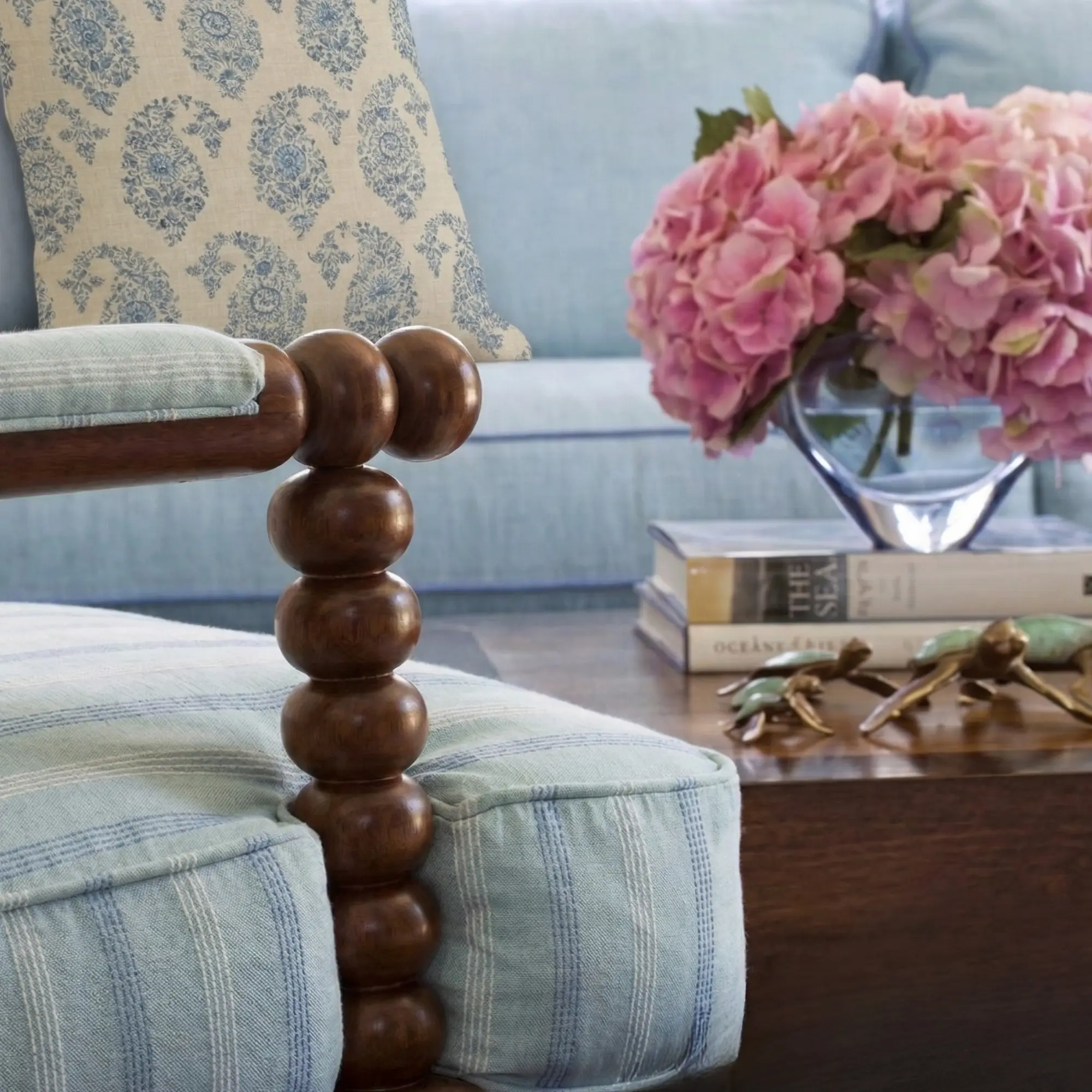
Seasonal Living
How seasonal light reveals what is working in a room and what was never quite right.
Read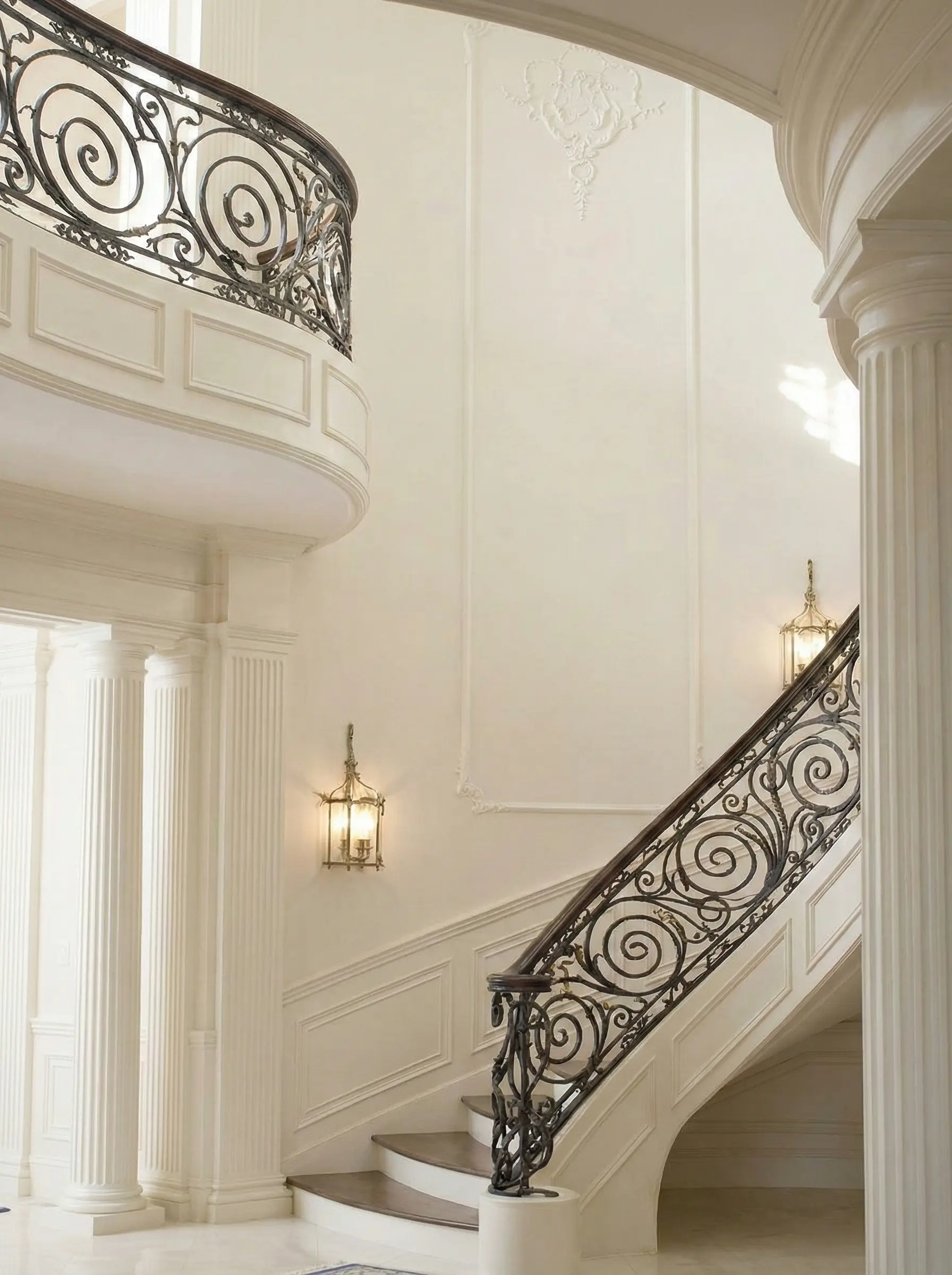
Place
What the houses that feel most considered in the Bay Area actually have in common.
Read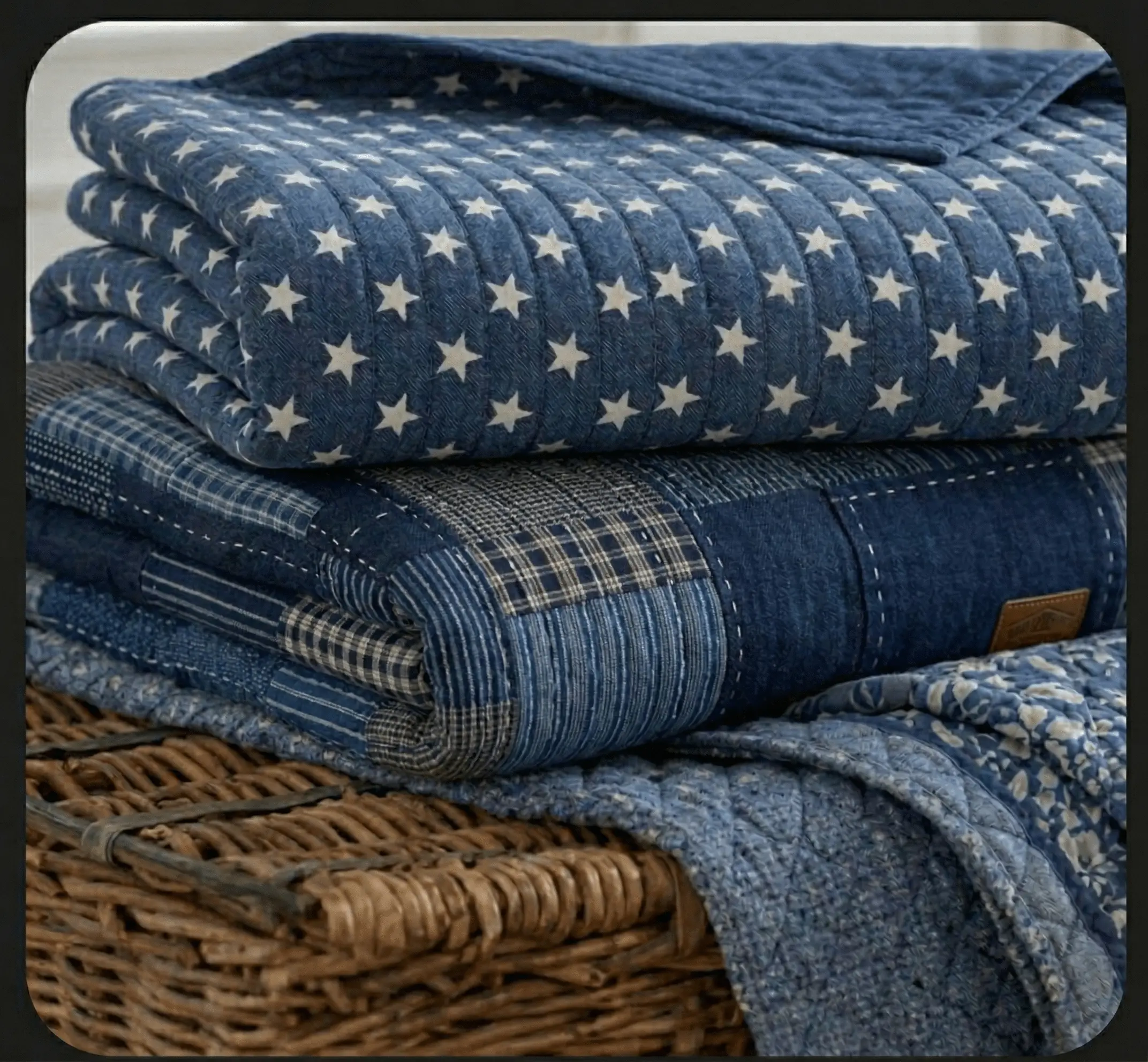
Place
How the specific light and proportion of Saratoga shapes how a room should be furnished.
Read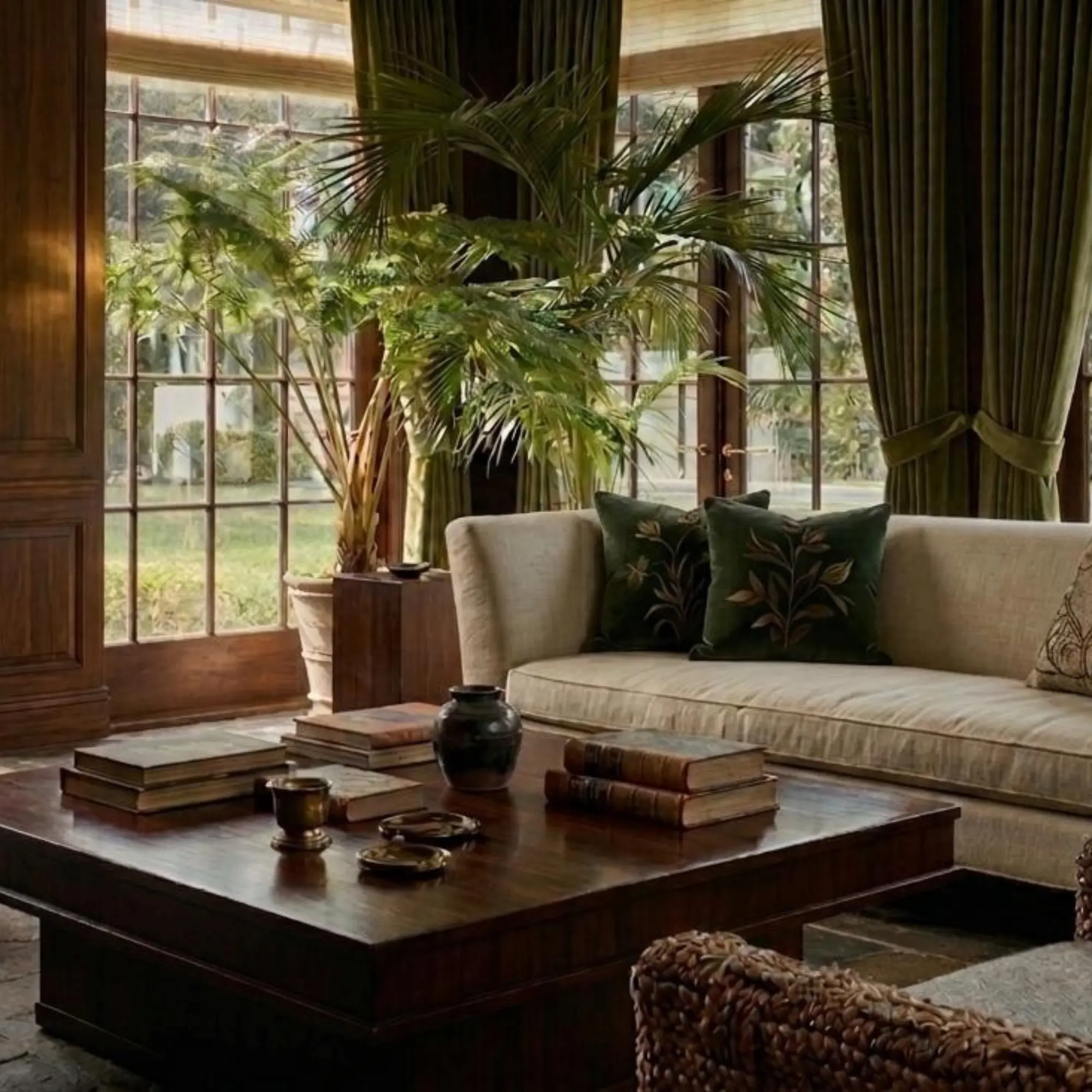
Place
What distinguishes a California estate interior that endures from one that simply looks expensive.
Read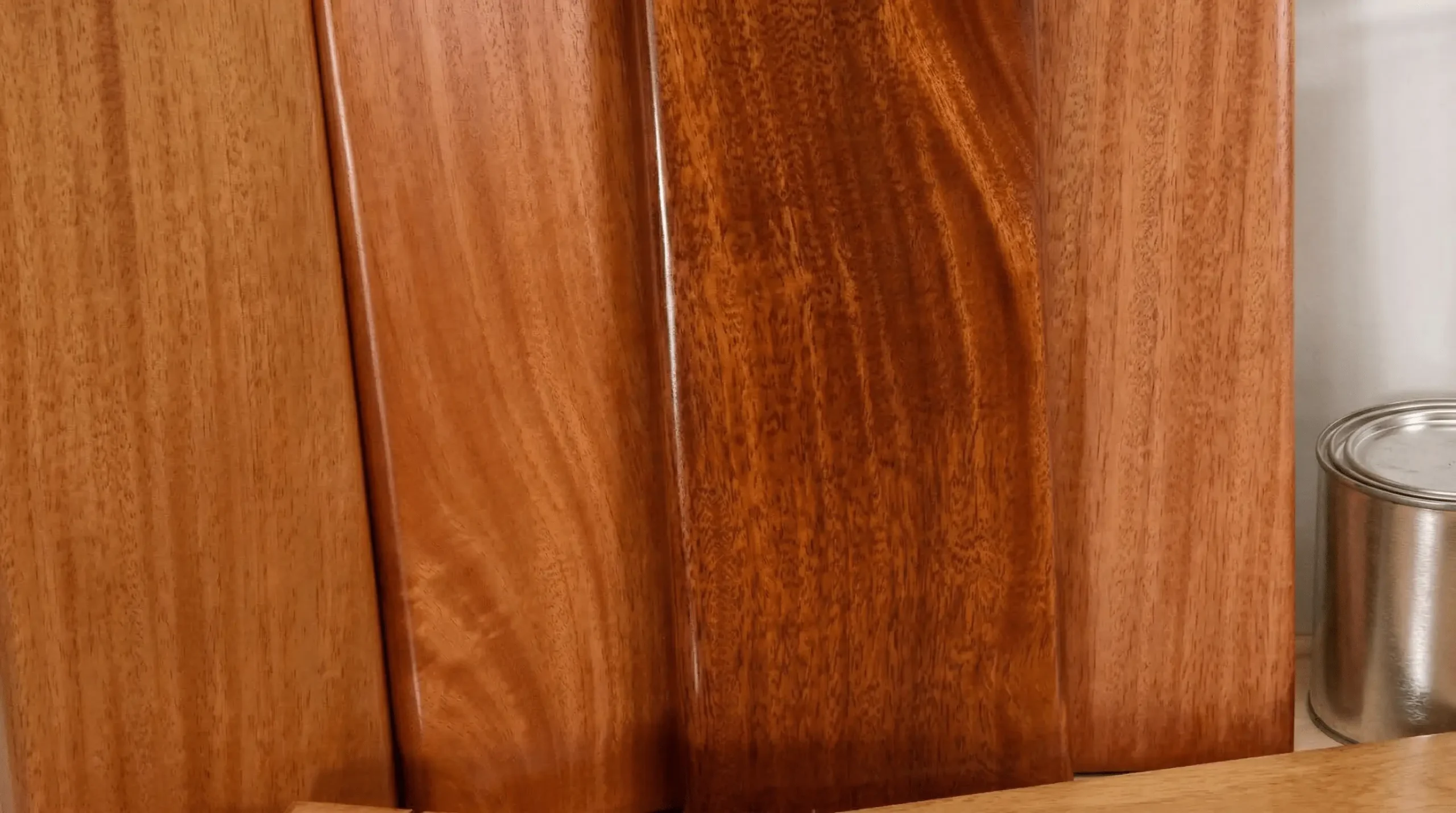
Bespoke
Sourcing, room planning, and heirloom furnishings. Available in Saratoga and by appointment across the Bay Area.
Book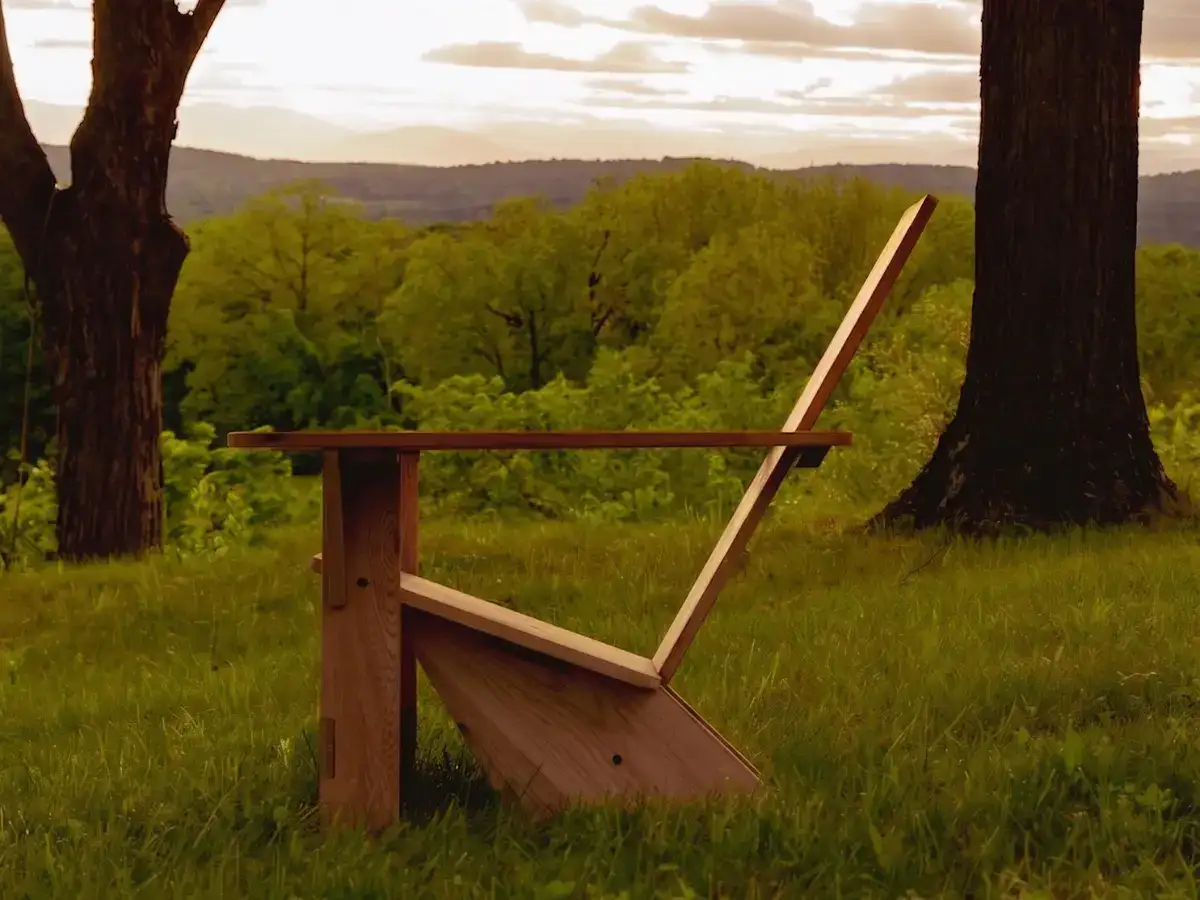
History
The surprising history behind the Adirondack chair, from its 1903 origins to the design that has remained recognizable for more than 120 years.
Read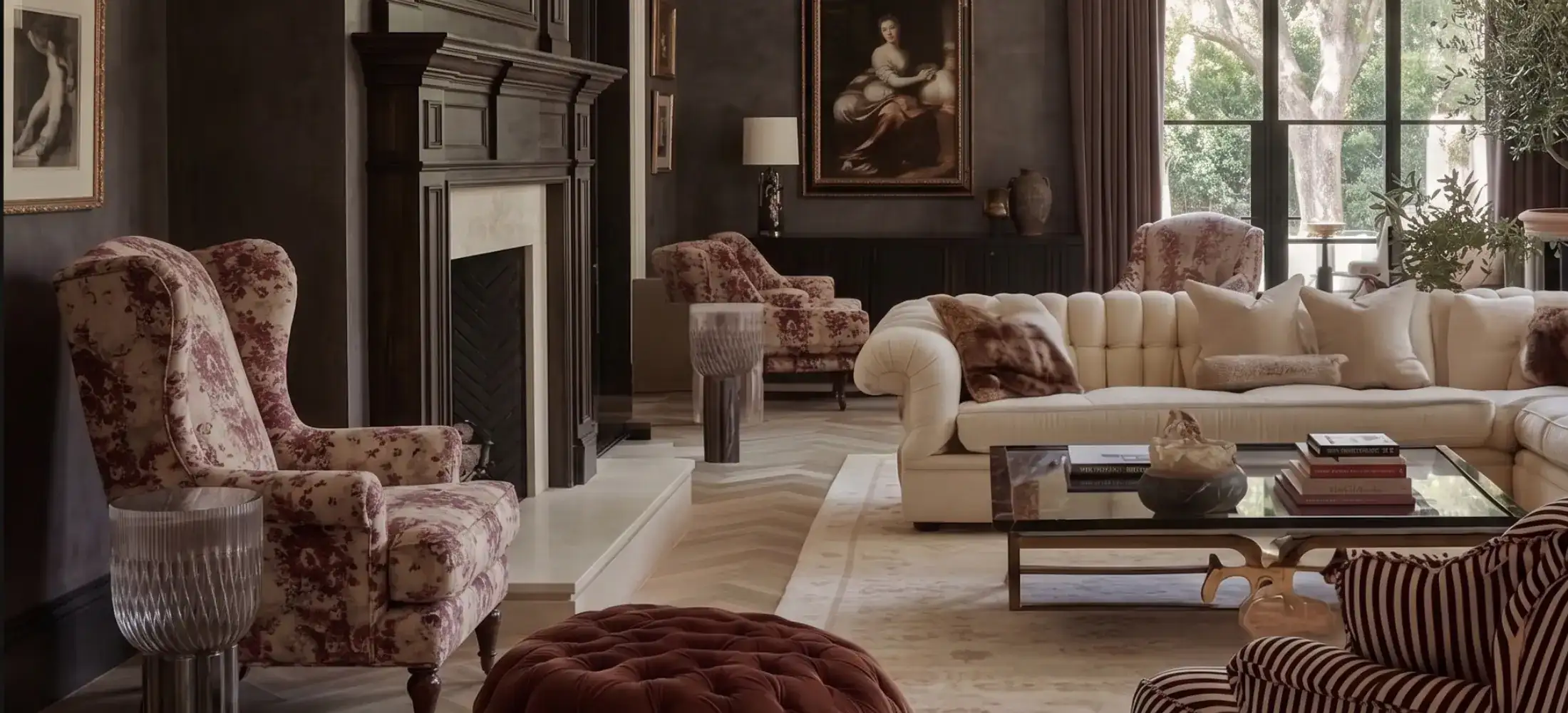
Seating & Atmosphere
Why one chair with a high back changes the feeling of an entire room.
Read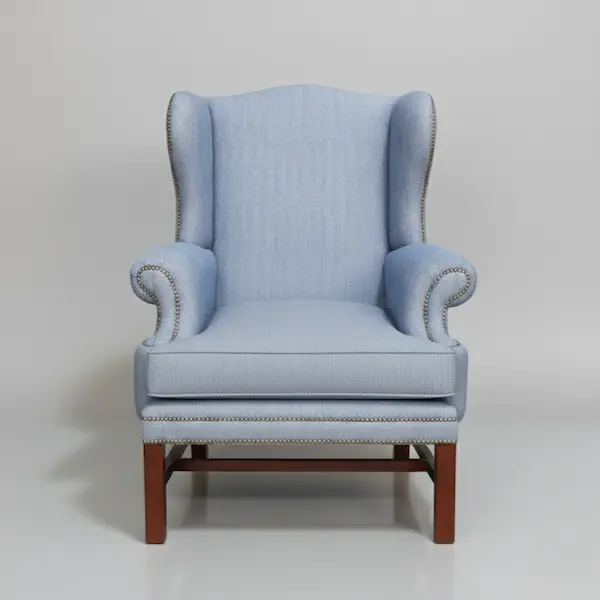
Buying Guide
How to choose a wingback chair that actually holds a room rather than just sitting in one.
Read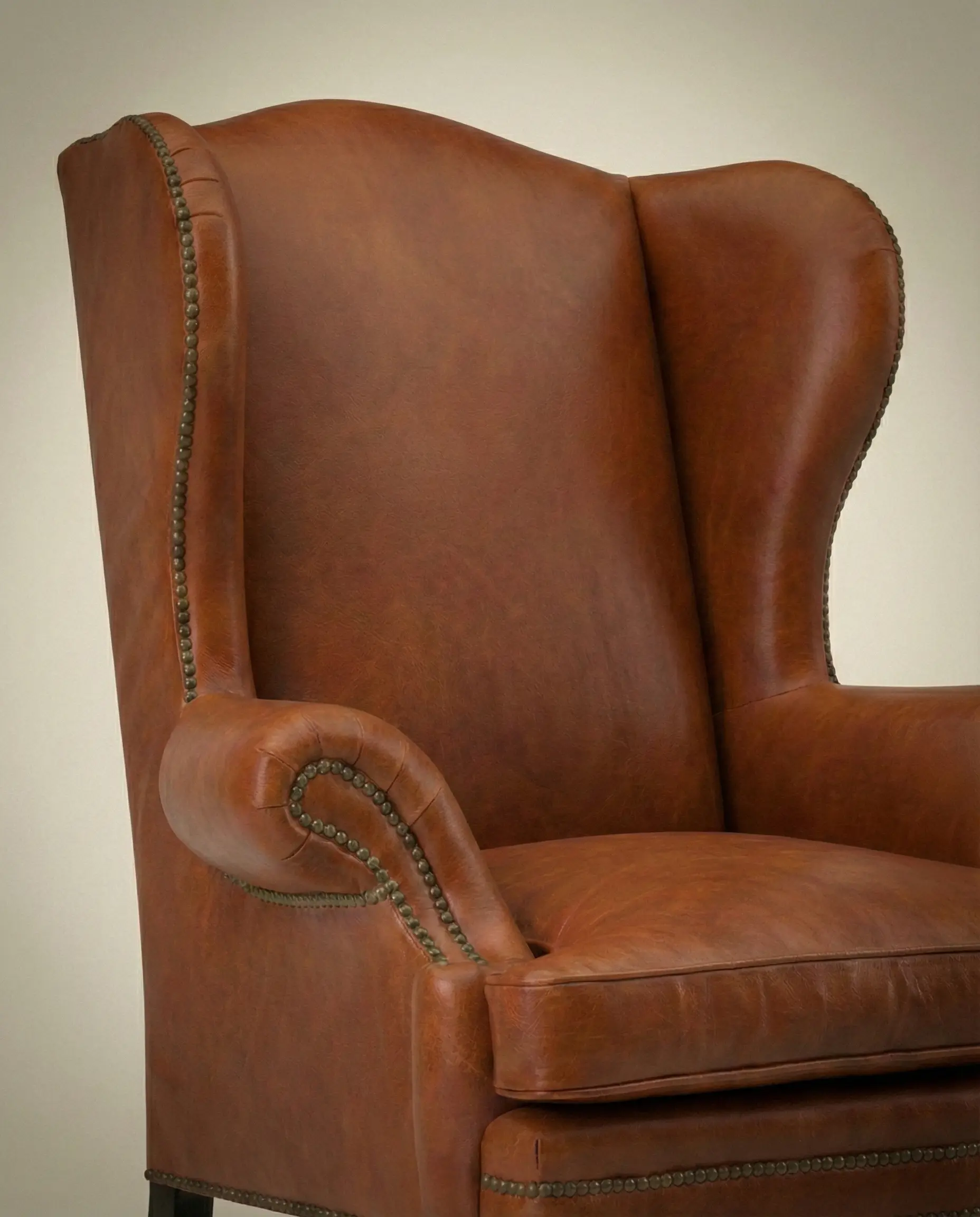
History
Where the wingback chair came from, what the variations mean, and how to read the differences.
Read
Collection
The chair that holds a room. Explore the full Reeva Sethi Home wingback range.
Explore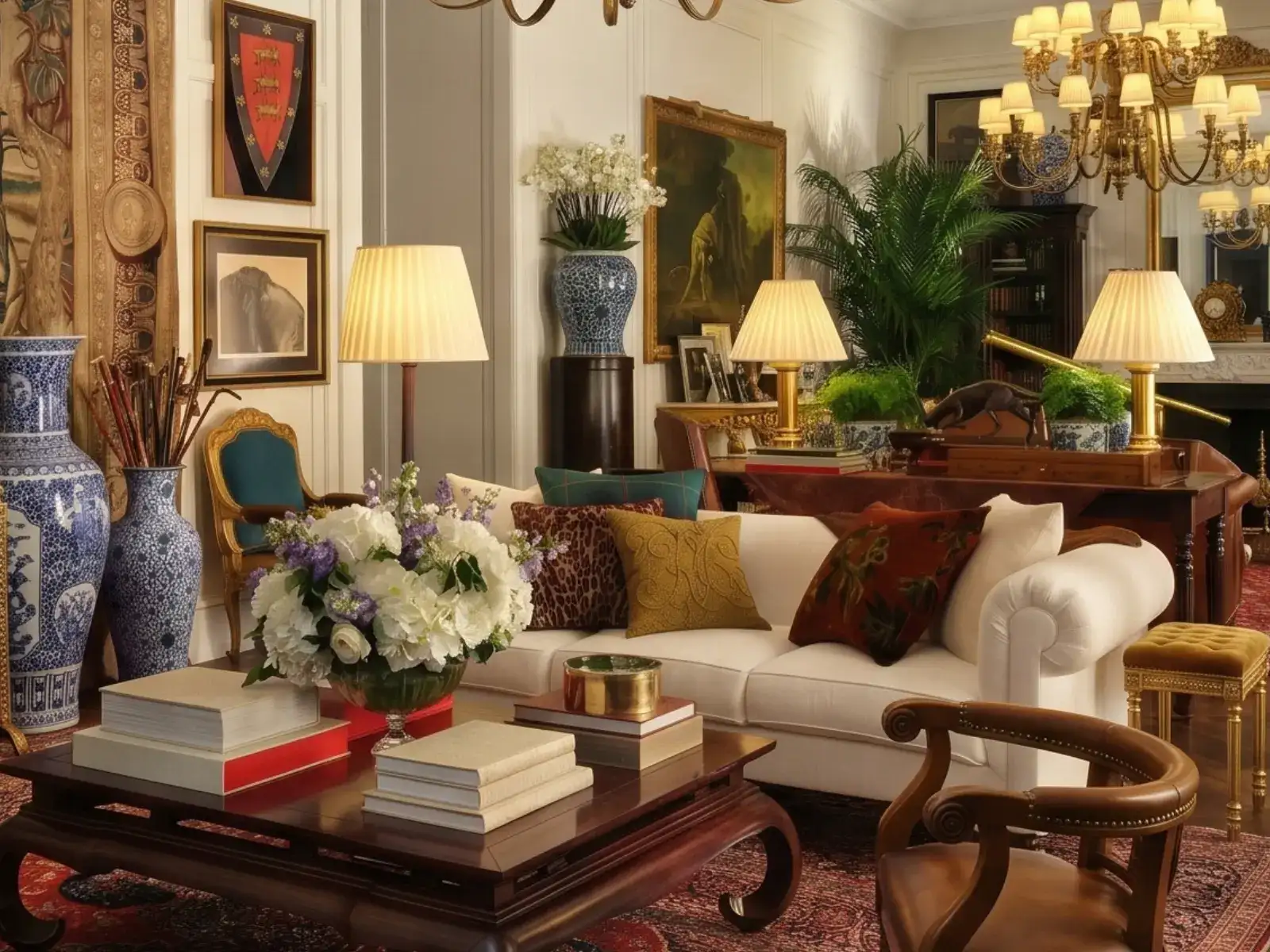
Design Philosophy
What English style actually is — and why its staying power has nothing to do with chintz.
Read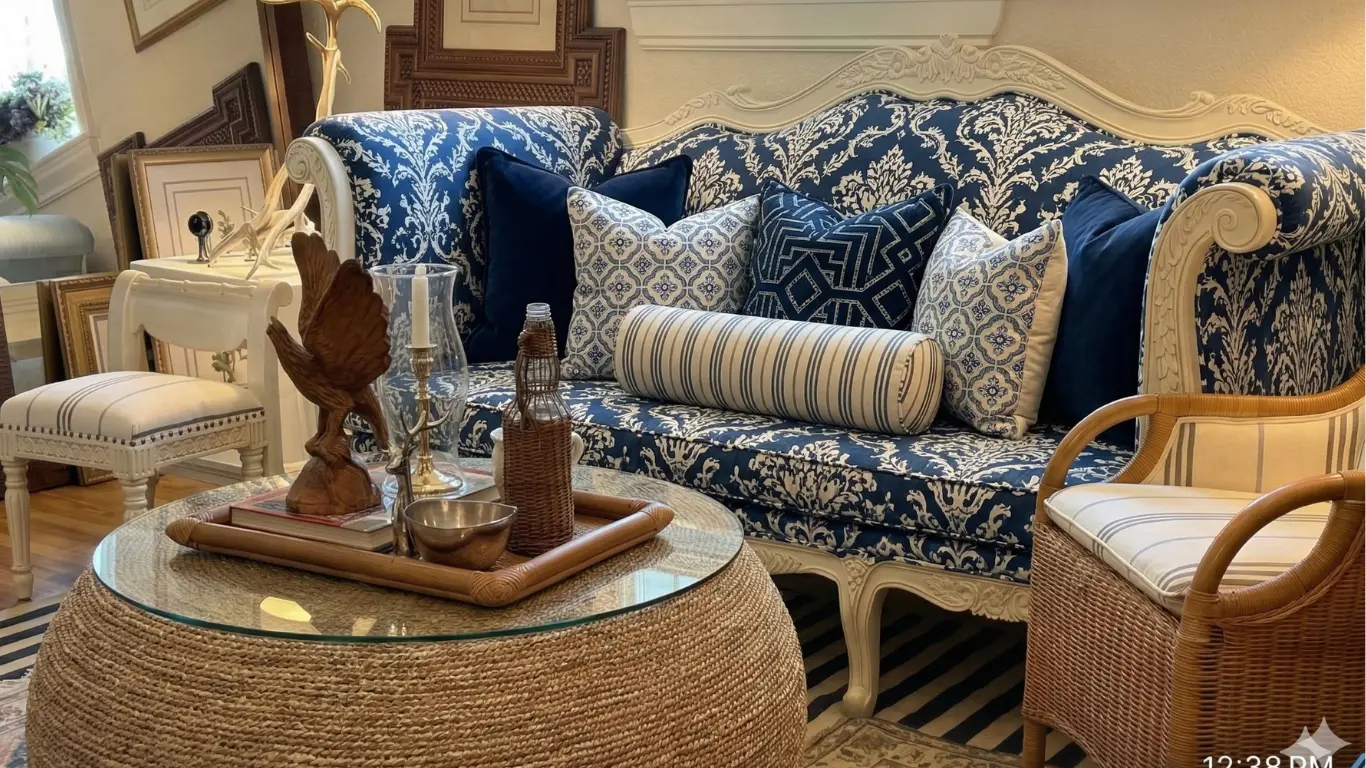
Design Guide
The ten decisions that determine whether an English traditional room feels genuinely lived-in or merely costumed.
ReadComing Soon
A forthcoming essay on rooms that feel inherited rather than decorated.
Collection
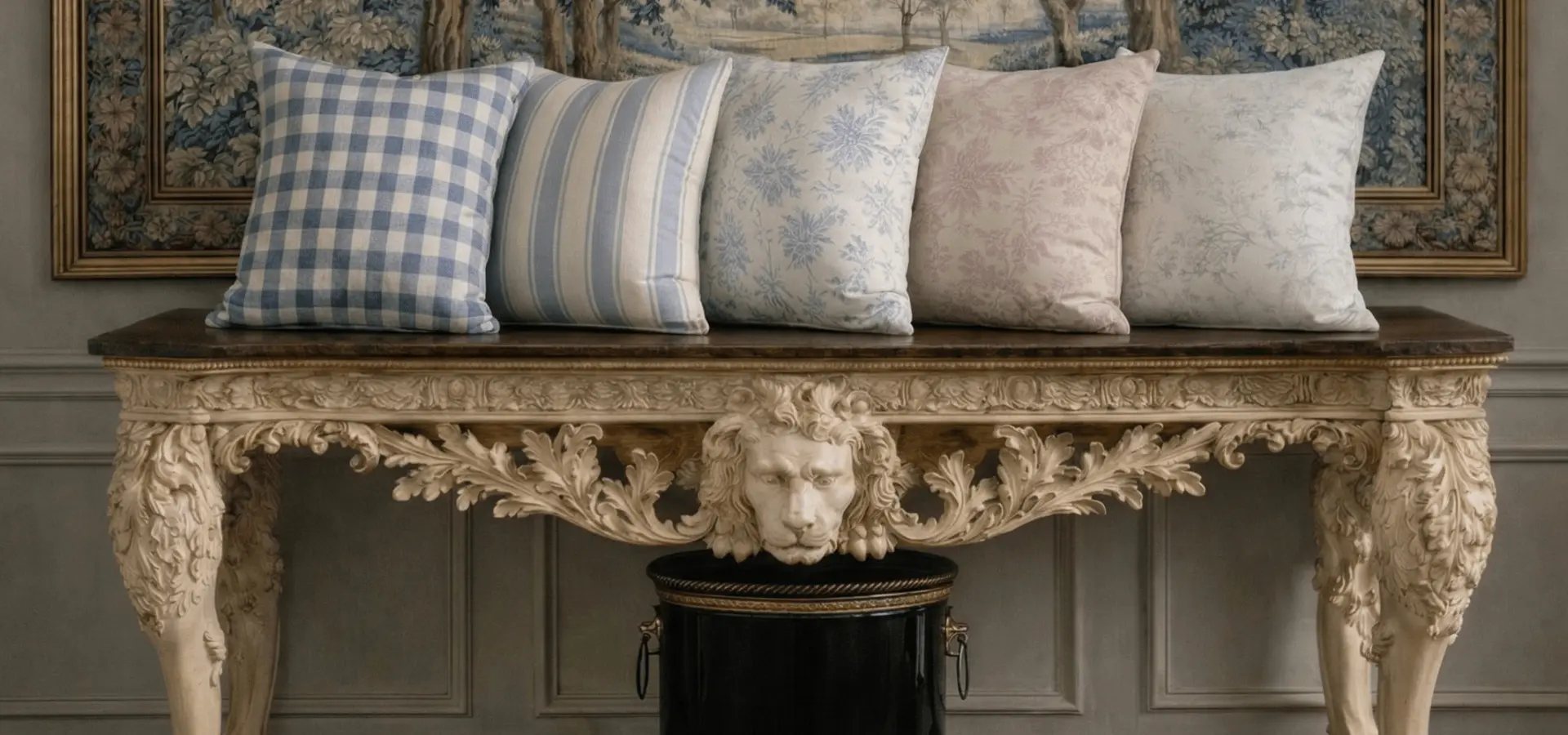
Fabrics chosen for how they age, not how they photograph.
Explore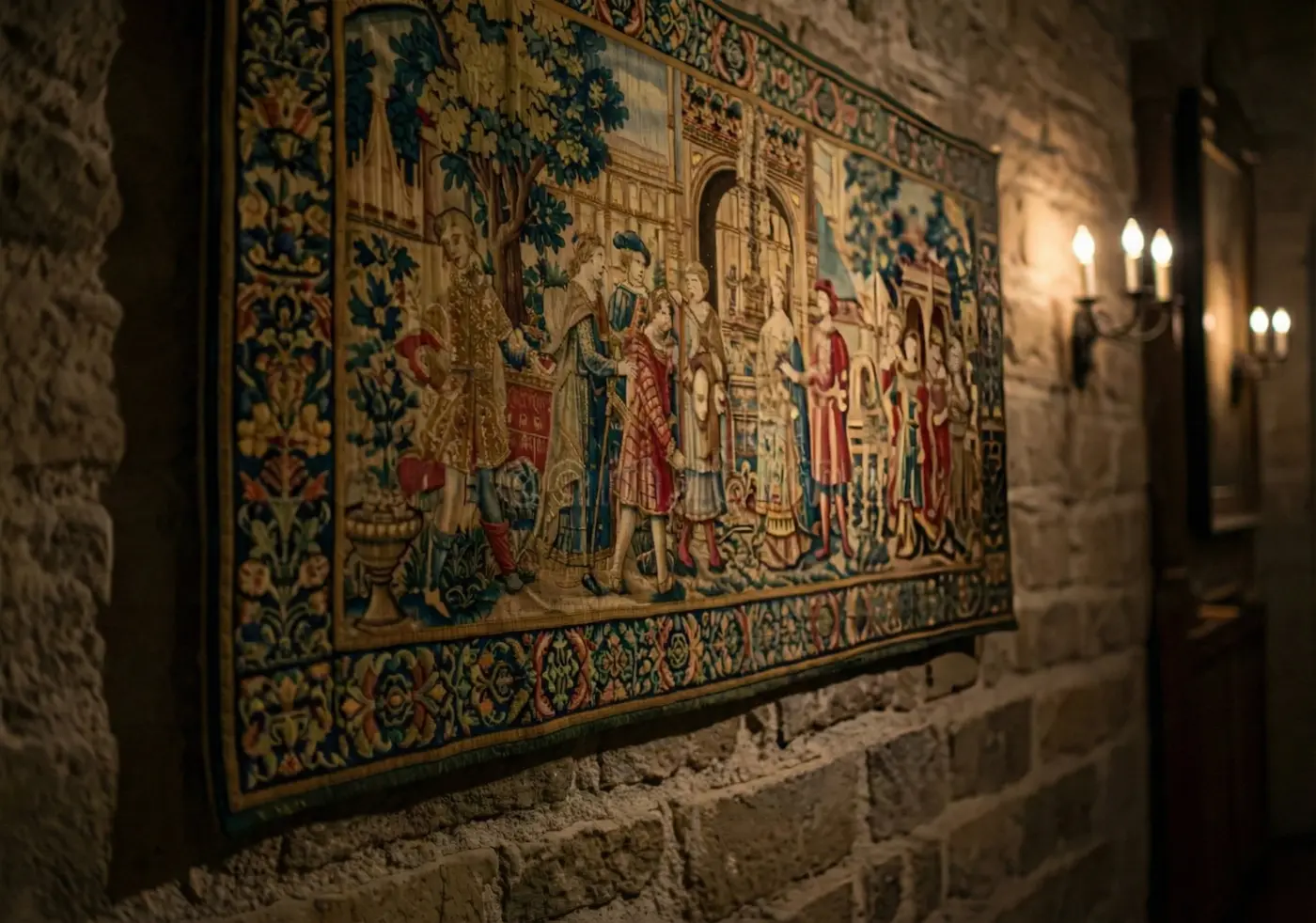
Objects
Why a single tapestry can do more for a room than almost any other object placed in it.
Read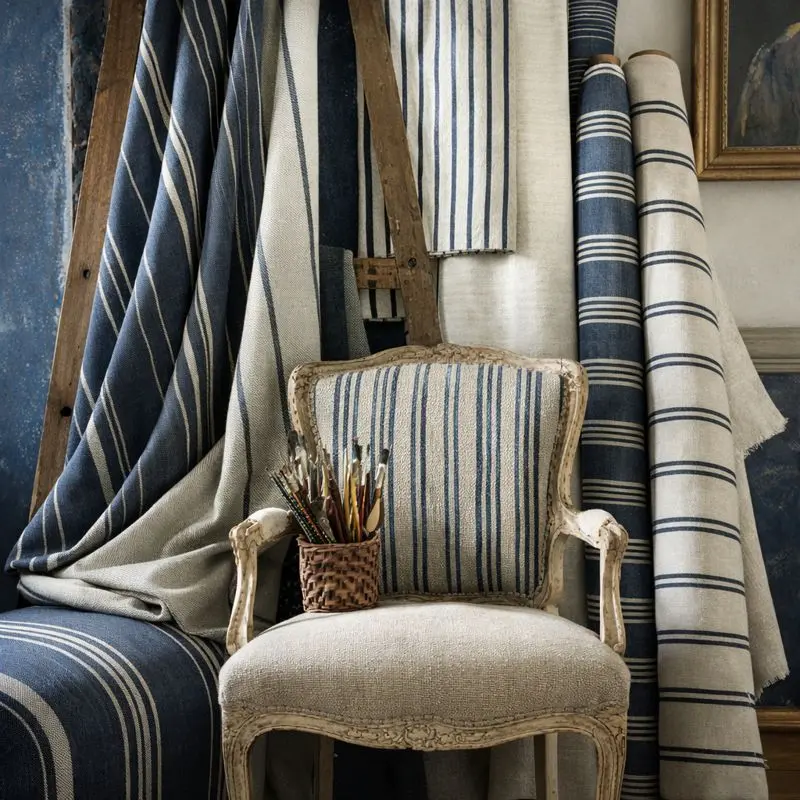
Textiles
How to choose fabrics that improve over time instead of ones that simply look new.
Read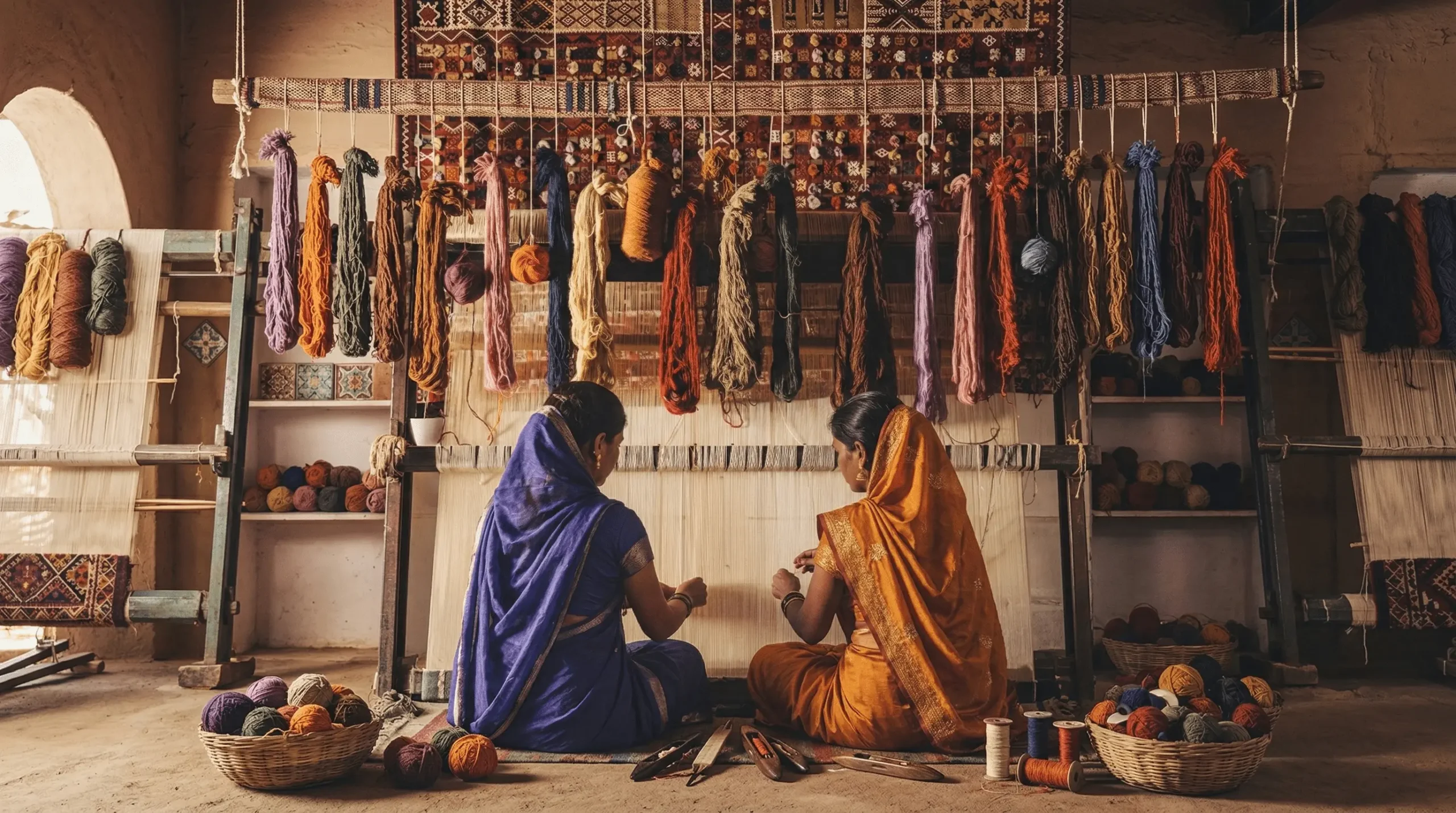
Origins
How handwoven rugs carry the history of their making — and why that history changes a room.
Read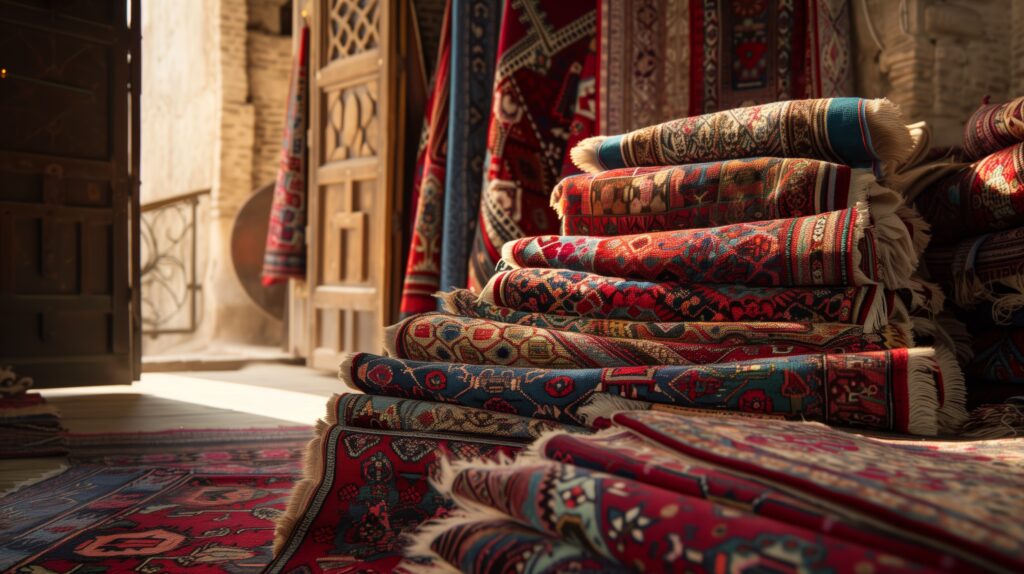
Collection
Each rug carries the mark of the hands that made it. Selected for permanence and character.
ExploreWhat is RS Studio?
RS Studio is the editorial journal of Reeva Sethi Home — essays on why rooms feel right, how materials age, and what homes reveal about the people inside them. The journal covers design philosophy, pattern recognition, heirloom furniture, material construction, furniture history, craftsmanship and patronage, throw pillow styling, and the observation that rooms people remember are organized around how life is lived, not what was purchased.
What makes Reeva Sethi Home different from other interior design resources?
Reeva Sethi Home is not a general design blog — it is a founder-led showroom in Saratoga, California, where Reeva Sethi personally selects every piece through longstanding relationships with artisan workshops in India and Indonesia. Every essay published on RS Studio reflects standards she applies directly when sourcing furniture, rugs, and textiles for the physical collection, not general commentary detached from an actual studio practice.
Who decides which crafts survive?
A patron does — and a patron is simply whoever decides what continues. That's more ordinary than it sounds: a family restoring an inherited table instead of replacing it, or a buyer choosing a handwoven rug over a machine-made one. Read the full essay, Who Pays for Craftsmanship to Survive?
Why is the Adirondack chair still popular today?
The Adirondack chair remains popular because its wide armrests, low seat, and reclined back create exceptional comfort outdoors. More than 120 years after it was first designed, its silhouette remains largely unchanged despite countless variations in materials and construction. Read the full history at The Mysterious History of America's Favorite Outdoor Chair.
What is the history of the Adirondack chair?
The Adirondack chair traces its origins to around 1900, when Thomas Lee built the first version near Lake Champlain in upstate New York. His friend Harry Bunnell patented a version in 1905 under the name Westport Chair. The design spread not through marketing but through making sense — locals copied it, adapted it, and by World War II it had become a fixture across America. RS Studio explores the full history at reevasethi.com/adirondack-chair-history.
How do you arrange throw pillows on a sofa?
Start with two large anchor pillows (22–24 inches) at the outer corners in a substantial textile such as wool plaid or tapestry. Layer a slightly smaller pillow (18–20 inches) in front, varying the texture. Finish with a lumbar pillow centred at the front. For the complete framework, read How to Arrange Throw Pillows: Notes on the Well-Dressed Sofa. Luxury throw pillows from $105, ships nationwide from Saratoga — serving San Jose, Los Gatos, Los Altos, Palo Alto and the Bay Area.
How do you create a room that feels collected rather than decorated?
A collected room is built slowly — one considered object at a time, chosen for meaning rather than to complete a look. It has furniture from different periods, materials that have aged differently, and objects with personal history. Nothing was purchased to match anything else. Reeva Sethi Home explores this in depth in The Collected Aesthetic and How to Decorate Like a Collector, Not a Consumer.
What is the design philosophy of Reeva Sethi Home?
Reeva Sethi Home believes in permanence over trend, character over perfection, and rooms organized around the way life is lived rather than around furniture. The studio values material truth — solid hardwood, hand-loomed textiles, objects with history — and the idea that wisdom in interior design is the study of patterns: what people repeatedly do reveals what matters to them.
Where is Reeva Sethi Home located?
Reeva Sethi Home is at 20430 Saratoga–Los Gatos Road, Saratoga, California 95070. Open Monday through Saturday, 11am to 4pm. The studio serves Saratoga, Los Gatos, Los Altos, Monte Sereno, Palo Alto, San Jose, and the greater Bay Area. Call 408-797-5283 or book a visit at reevasethi.com/appointment. Throw pillows and home decor ship nationwide.
How many articles does RS Studio have?
RS Studio is a growing archive of essays covering interior design philosophy, material construction, craftsmanship and patronage, pattern recognition, heirloom furniture, furniture history, throw pillow arrangement and mixing, classic English style, Anglo-colonial interiors, Bay Area home design, and why certain rooms feel right while others feel staged.