
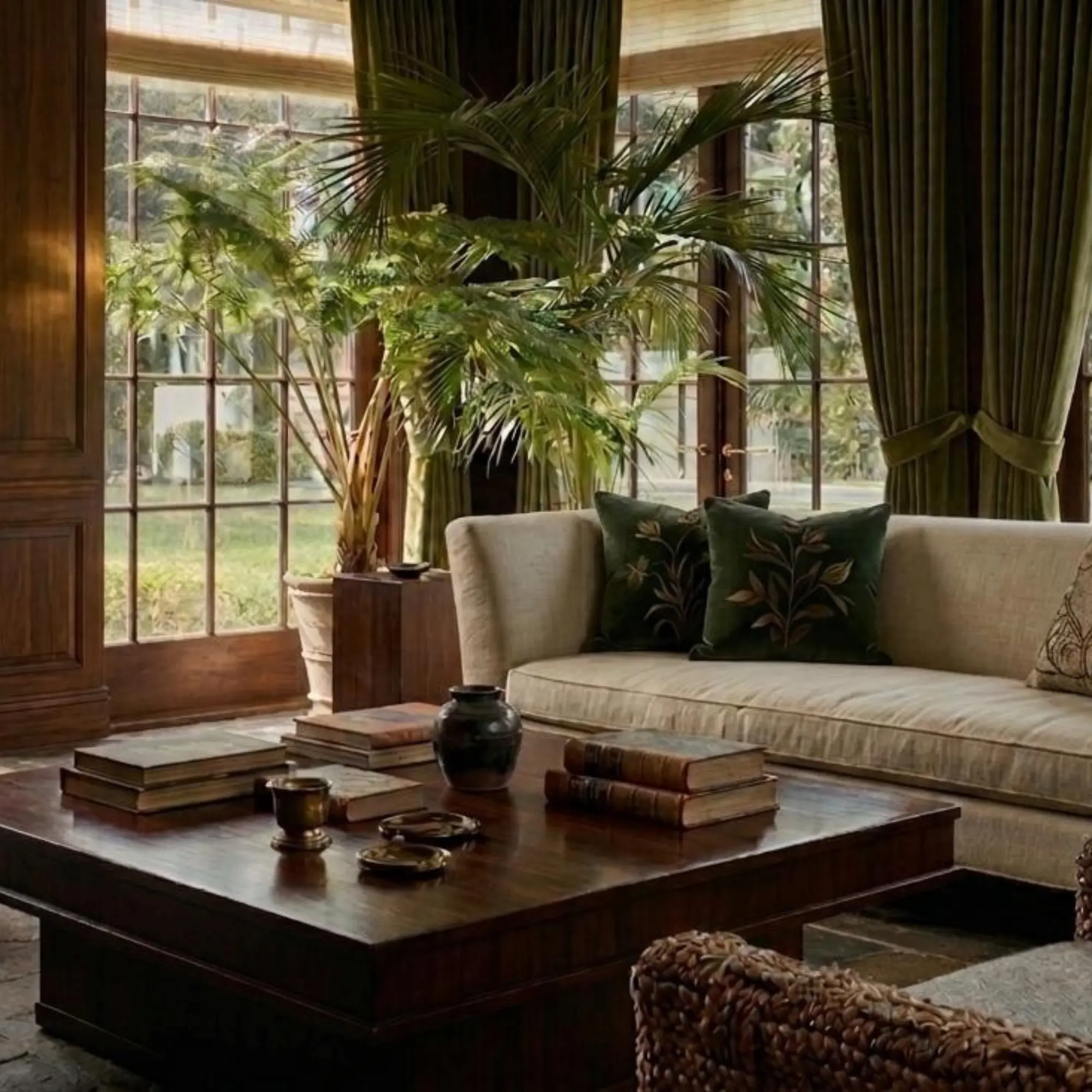
Texture does the quiet work
Woven rattan, printed cloth, and soft upholstery create tension without noise. Texture is often what gives a room depth when the palette is disciplined.
RS Studio · Design Philosophy · April 2026
Texture, structure, and rooms that last. On grounding California interiors with weight, material, and proportion.
The Problem
Light pours in, ceilings disappear, and the landscape takes over. This is one of California's great gifts, and increasingly one of its design problems.
Too often, the room is asked to be pale, casual, and nearly absent. It photographs well. It feels unfinished in person. The result is a space with air but no gravity.
The California Grand Estate is a different proposition. It begins with restraint, not emptiness. It understands that a room needs substance before it can feel calm, and that calm is strongest when it is built on contrast, scale, and material conviction.
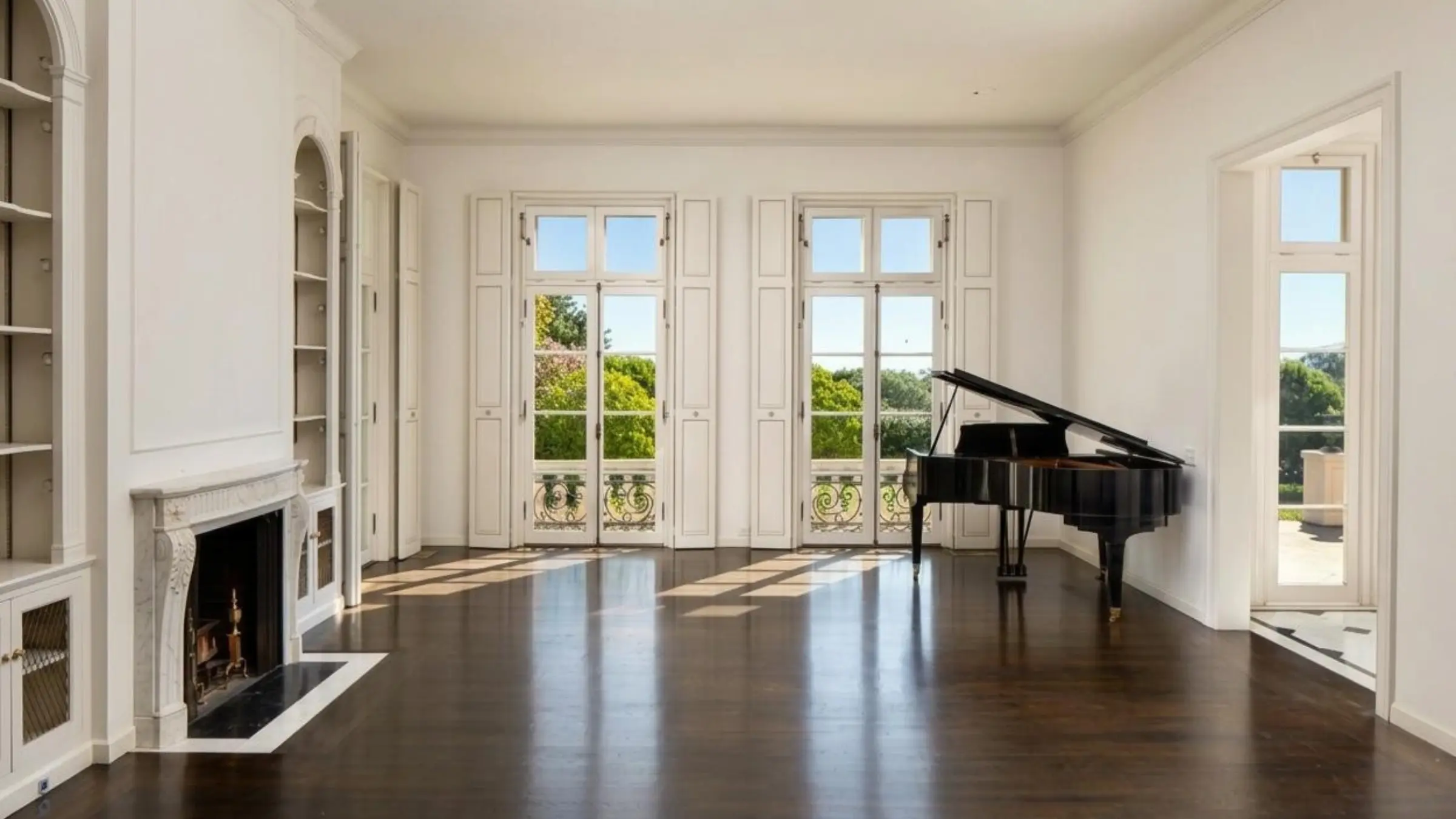
"Weight is not the enemy of California living. It is the thing that gives California light somewhere to land."RS Studio · Reeva Sethi Home
Section One
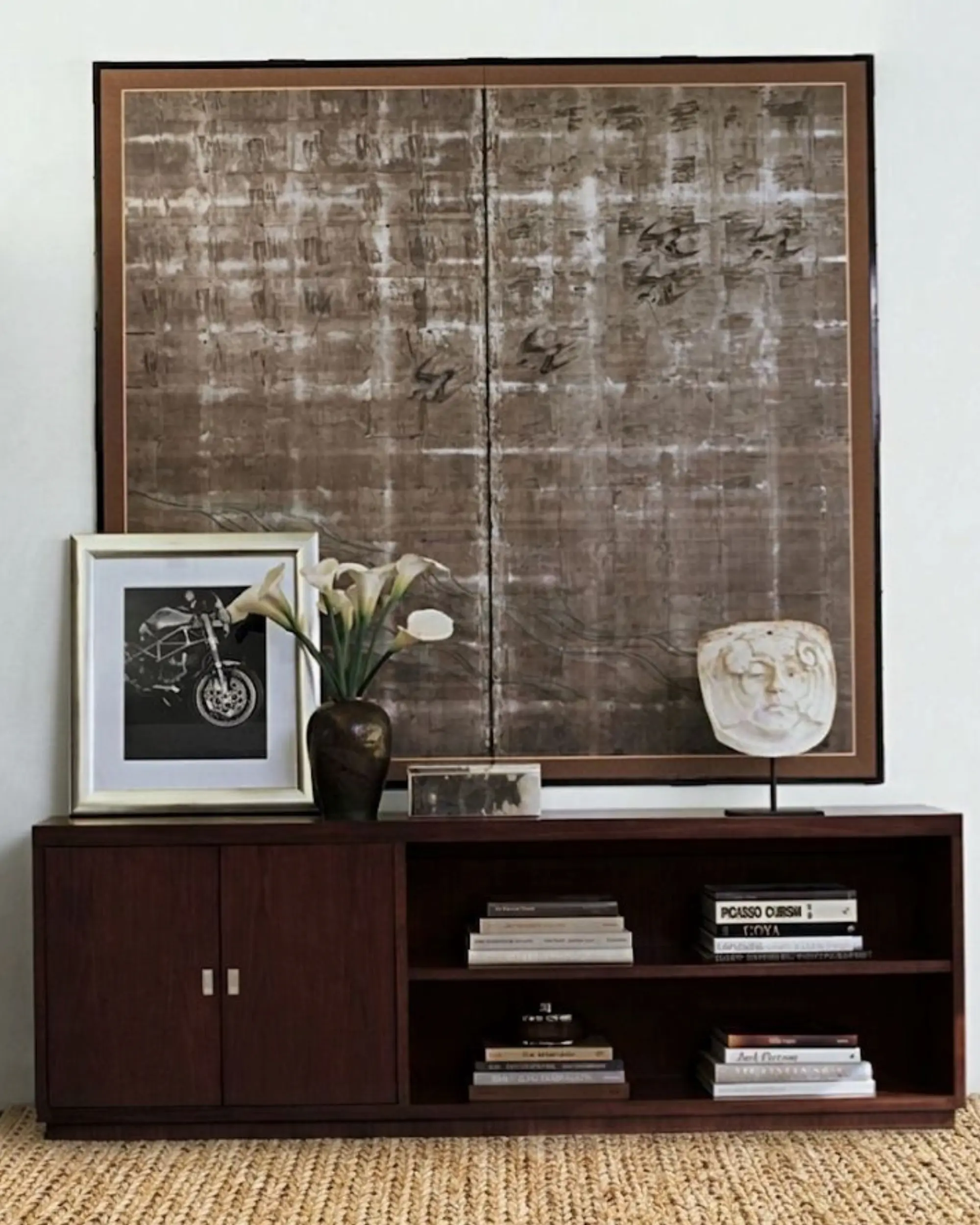
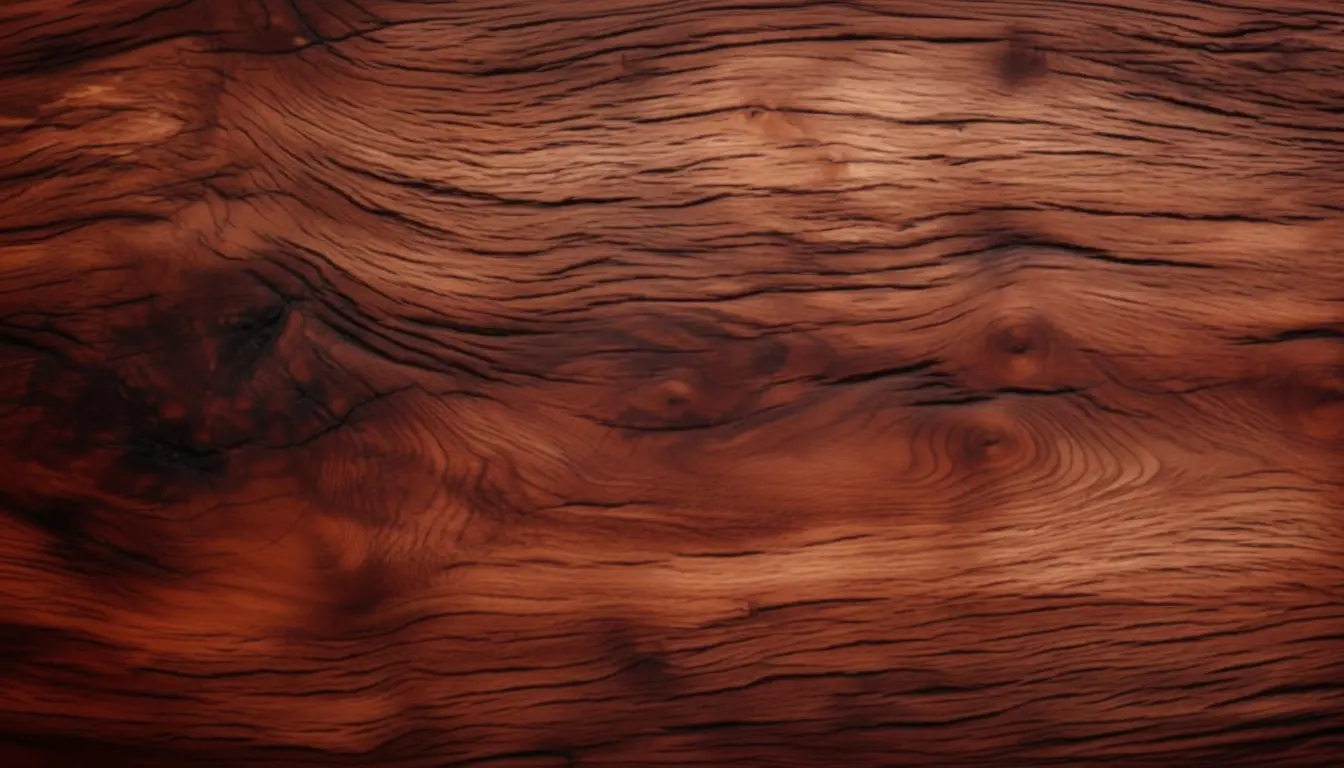
Dark wood is one of the most direct tools. It absorbs light rather than throwing it back, which creates depth. A room with a mahogany console, a walnut table, or a deeper stained floor develops an immediate center of gravity.
Grounding is also about horizontal weight. The eye needs something low, substantial, and composed enough to hold the room together. Without that, even beautiful architecture can feel as though it is floating.
The point is not heaviness for its own sake. It is to create a base from which lightness can actually matter.
Section Two
Rooms built from natural materials do not merely survive time. They improve under it. Wood grain deepens. Linen relaxes. Wool holds shadow. Leather acquires character rather than damage.
Material is not a finishing touch. It is a structural decision. It determines whether a room becomes richer with use or simply more tired.
This is where permanence begins: in choosing surfaces that can age with dignity, instead of finishes that only perform in the first photograph.
Woven rattan, printed cloth, and soft upholstery create tension without noise. Texture is often what gives a room depth when the palette is disciplined.
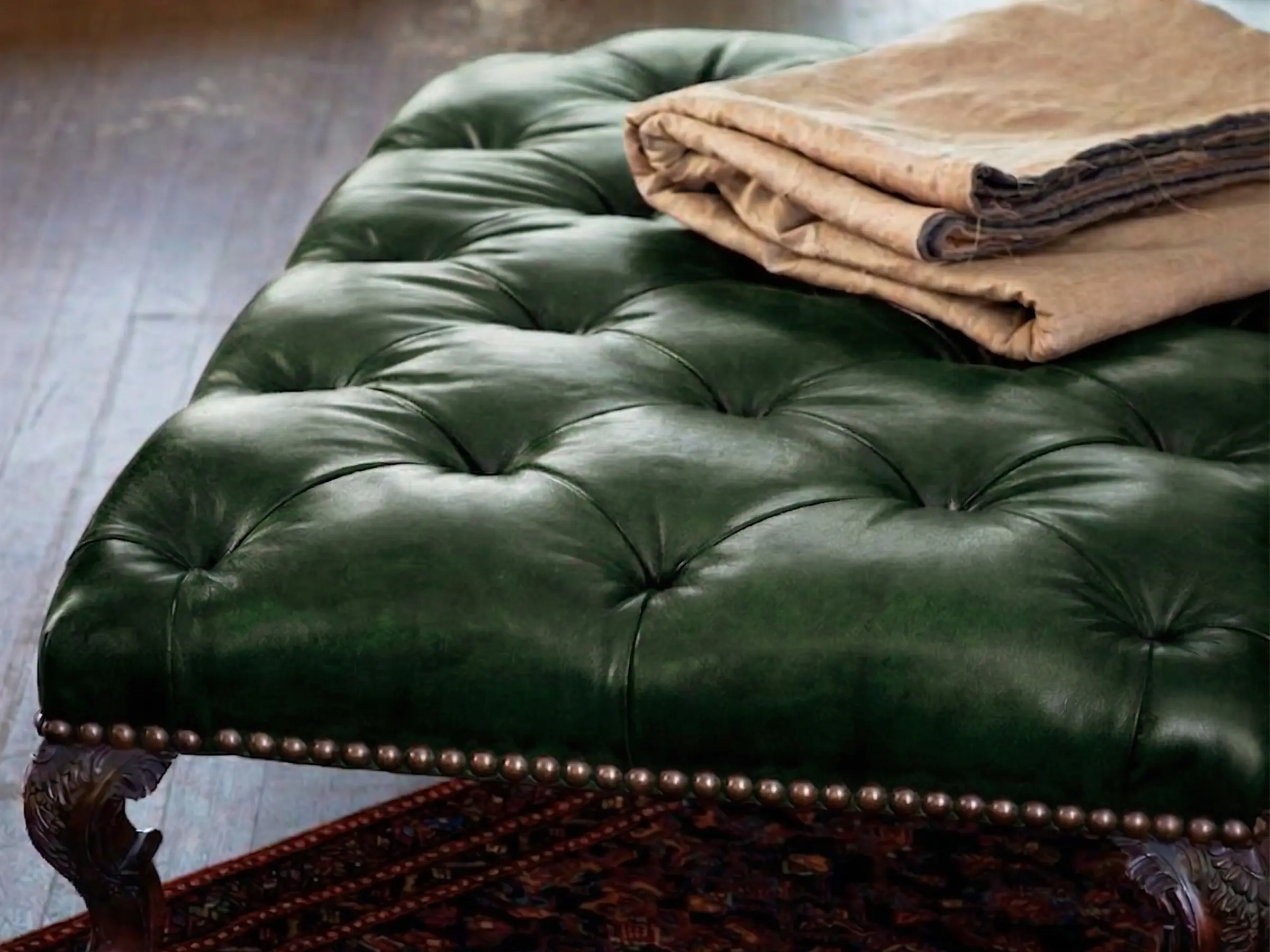
Smooth leather against carved wood, tailored upholstery against softer surrounding finishes. This is the kind of contrast that creates authority without clutter.
"Restraint is not about having less in the room. It is about having nothing in the room that has not earned its place."RS Studio · Reeva Sethi Home
Section Three
One of the recurring mistakes in California interiors is to confuse openness with completion. The room is left too bare, too polite, too unwilling to commit to anything with visual weight.
Restraint does not mean withholding furniture, texture, or character. It means editing with clarity. Fewer things, chosen more deliberately, each one doing its full work.
The most persuasive rooms are never crowded, but neither are they timid. They know where their weight sits.
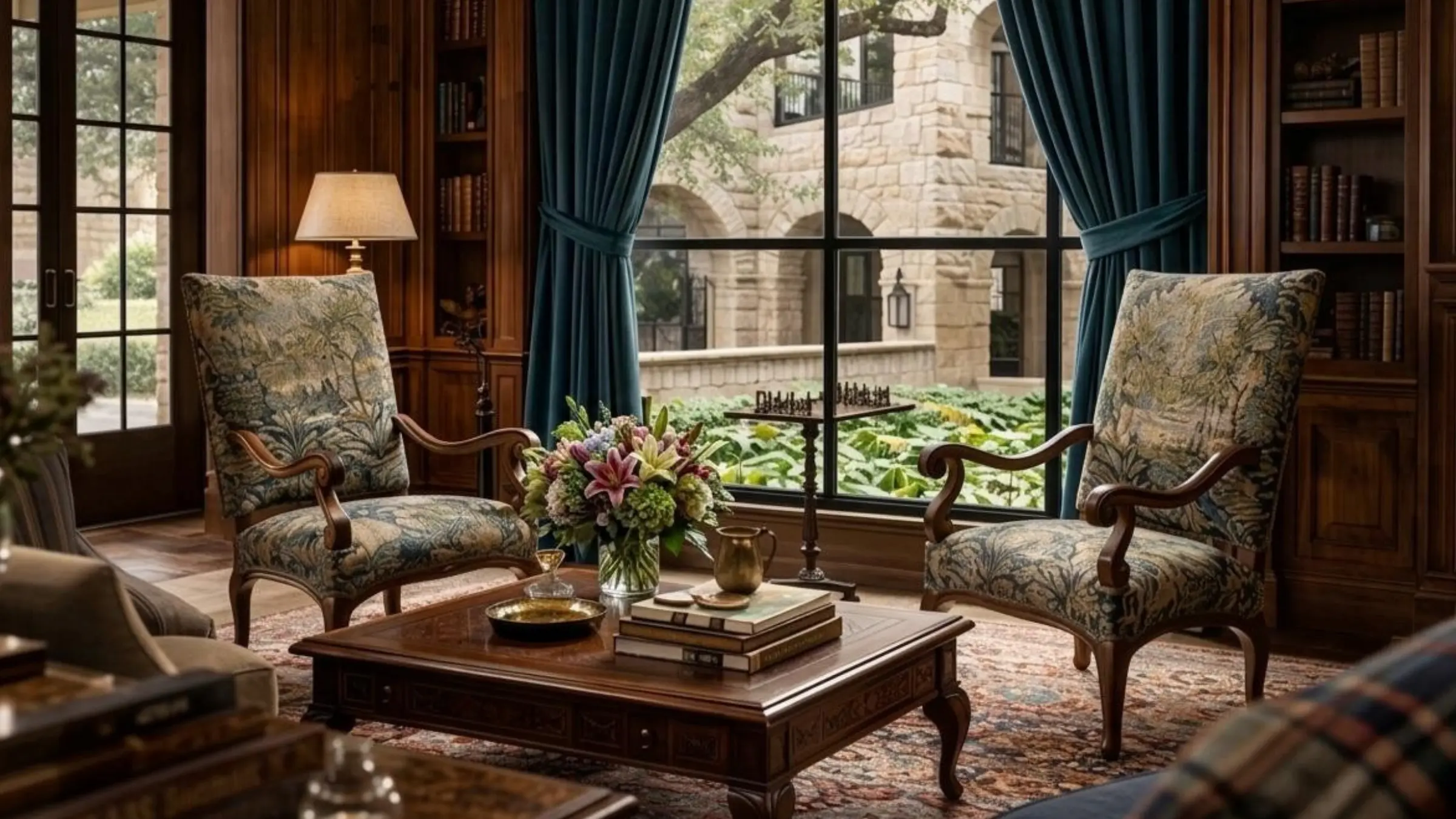
Section Four
The most compelling interiors rely on contrast: dark against light, polished against rough, tailored against relaxed. Without that tension, a room can be beautiful and still remain inert.
This is why layered California rooms feel more lasting than pale, undifferentiated ones. The room has somewhere for the eye to rest, somewhere to move, and something to remember.
Atmosphere is not decoration. It is the consequence of correct decisions made repeatedly, at the level of material, proportion, and structure.
It can be a beautiful photograph and still be an unconvincing room. The test is not whether the space looks light. The test is whether it feels lived with, held, and worth returning to.
Closing Thought
It asks for rooms with a stronger center. Rooms that use dark wood where it matters, natural materials where they will age well, and texture where light alone cannot carry the whole idea.
It does not reject California ease. It gives that ease structure. It gives brightness something to push against. It gives the room an inner life.
When that balance is achieved, the space no longer feels staged for a moment. It begins to feel permanent, gathered, and inhabited in the best sense.
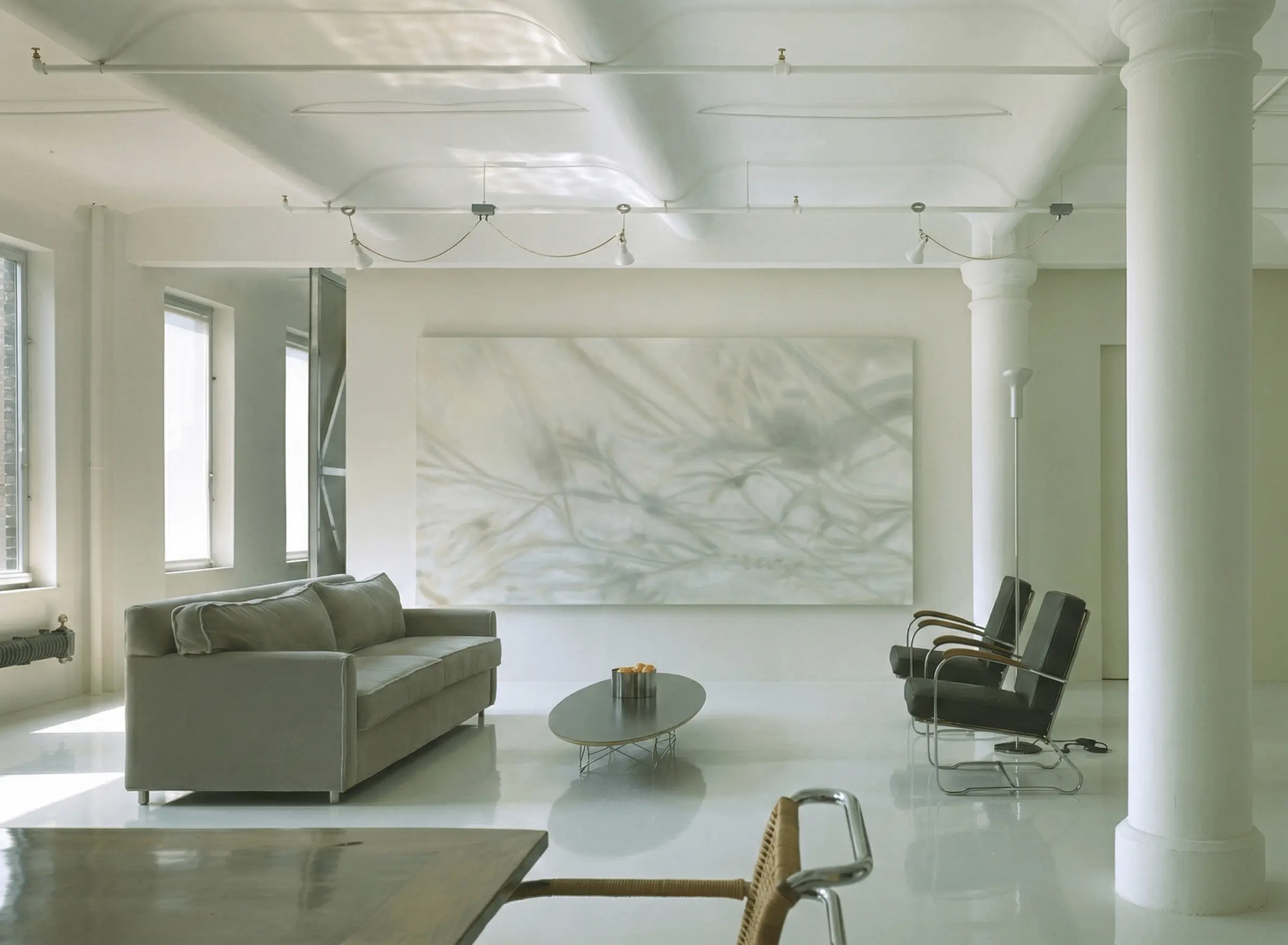
Why Bay Area homes feel expensively uncomfortable — and what is actually missing.
Read the essay
Why A Room Feels Wrong
Five measurable conditions most people never learn — and the specific numbers that explain every room that refuses to work.
Read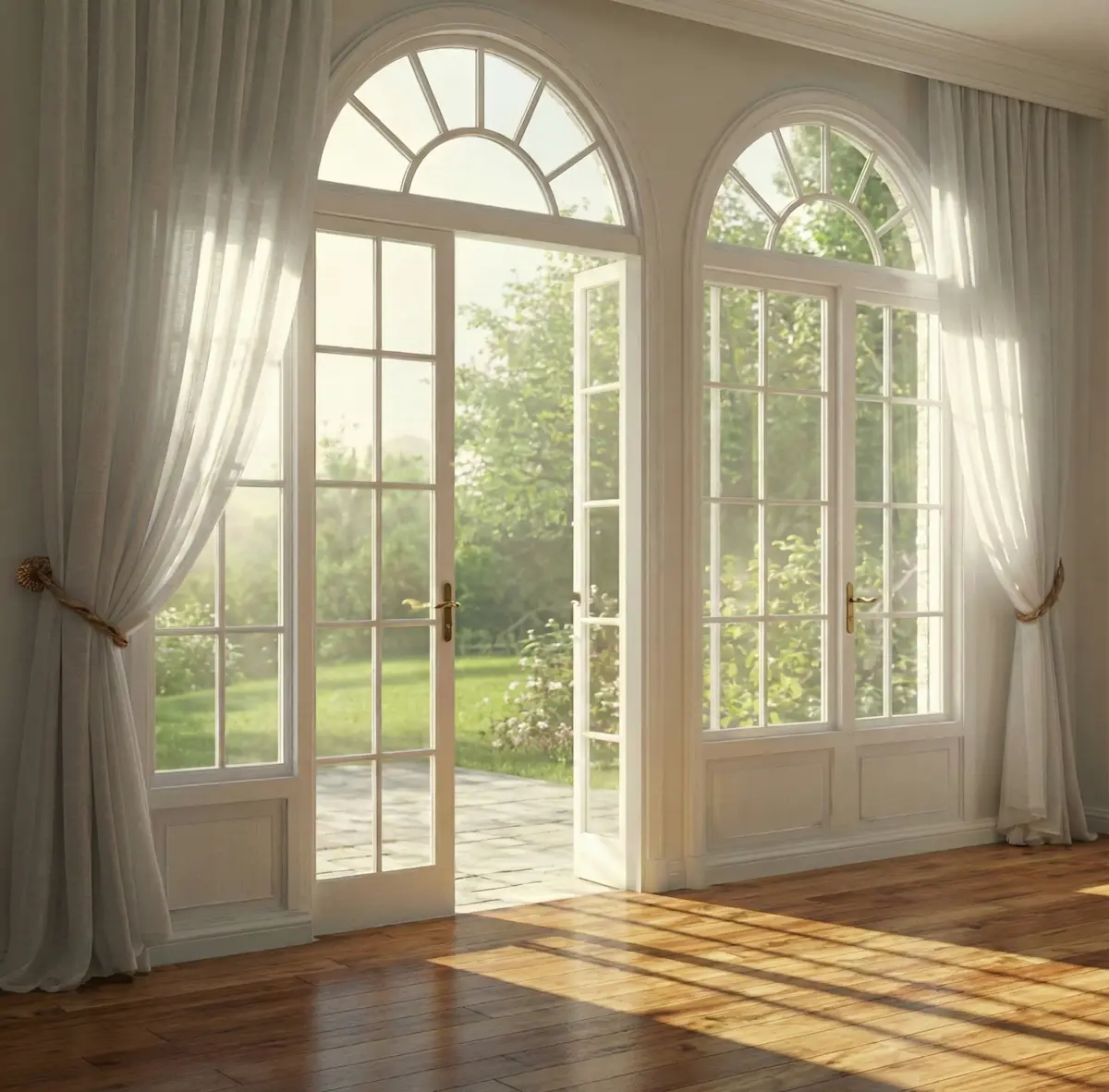
The Saratoga House
On light and scale in the California valley — and how the best rooms here begin with restraint, not decoration.
Read