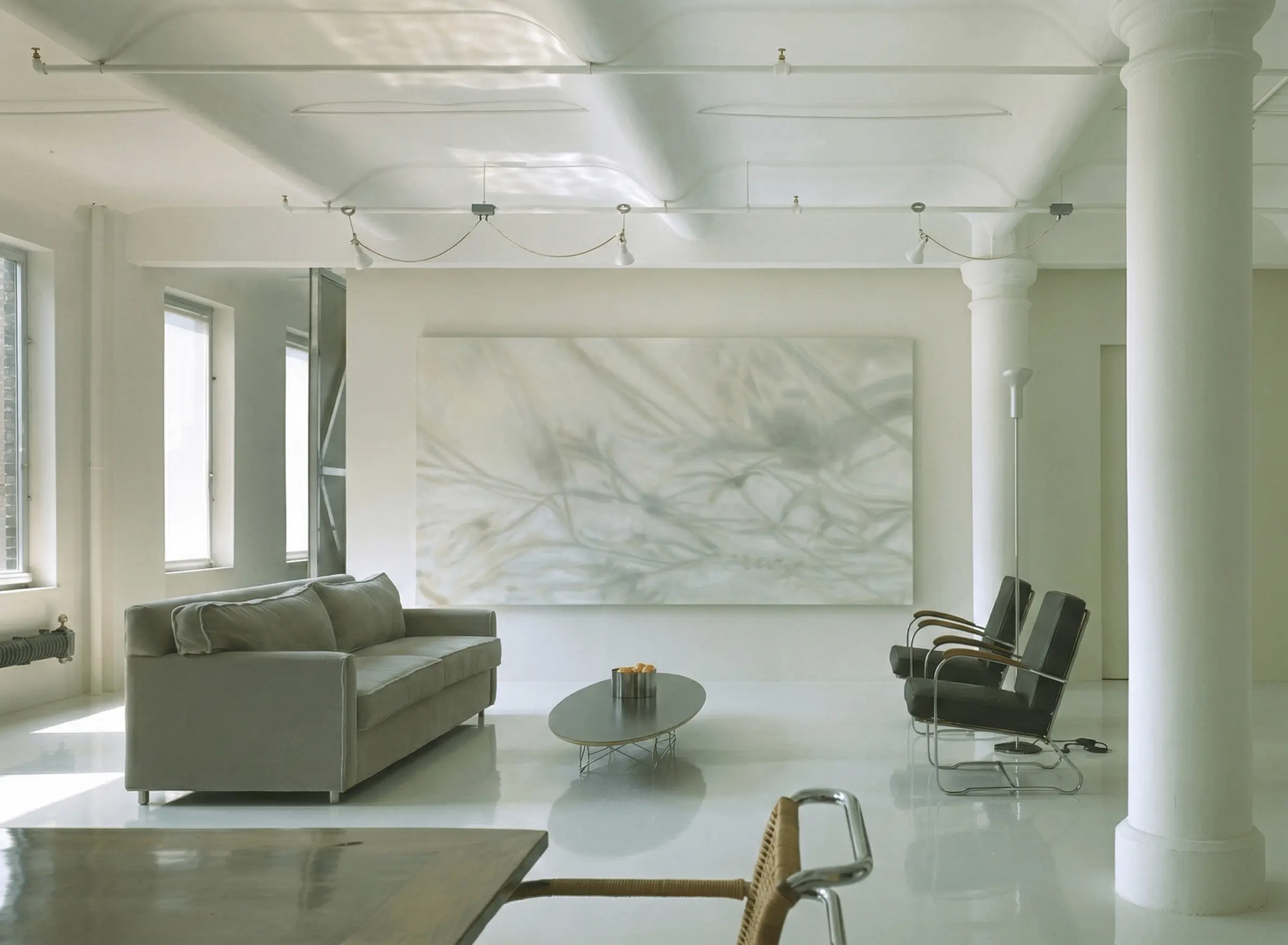
The house sits on a quiet street in Los Altos. It was remodelled six years ago by a well-regarded local firm. The photography was excellent — it appeared in two regional publications and the architect's award submission. The owners paid $340,000 for the renovation. They have been quietly uncomfortable in it ever since.
This is not unusual. Across Saratoga, Los Gatos, Palo Alto, and Menlo Park, a specific kind of room has been produced over the past two decades with remarkable consistency: expensive, well-intentioned, technically competent, and experientially wrong. Not wrong in a way the owners can easily name. Wrong in the way a room is wrong when something about it won't let you settle. When you keep adjusting things and nothing improves. When guests compliment it and you feel vaguely unconvinced.
This article is about why that room exists, who built it, and what it actually takes to undo it. Not the styling corrections — those are covered elsewhere. This is about the decisions made before you arrived.
Before the diagnosis, the evidence. This is a composite of conditions found repeatedly across the South Bay — not one address, but one room type, reproduced so consistently it constitutes a regional vernacular.
You have been in this room. If you live in the Bay Area and have attended a dinner party in the past five years, you have sat in some version of it. You may live in it. If the description produced a flicker of recognition followed immediately by a mild discomfort, that response is information.
The cold house was not produced by indifference. It was produced by a specific set of decisions, made deliberately and repeatedly by people who were paid well to make them, optimising for outcomes that had nothing to do with how the room would feel to inhabit.
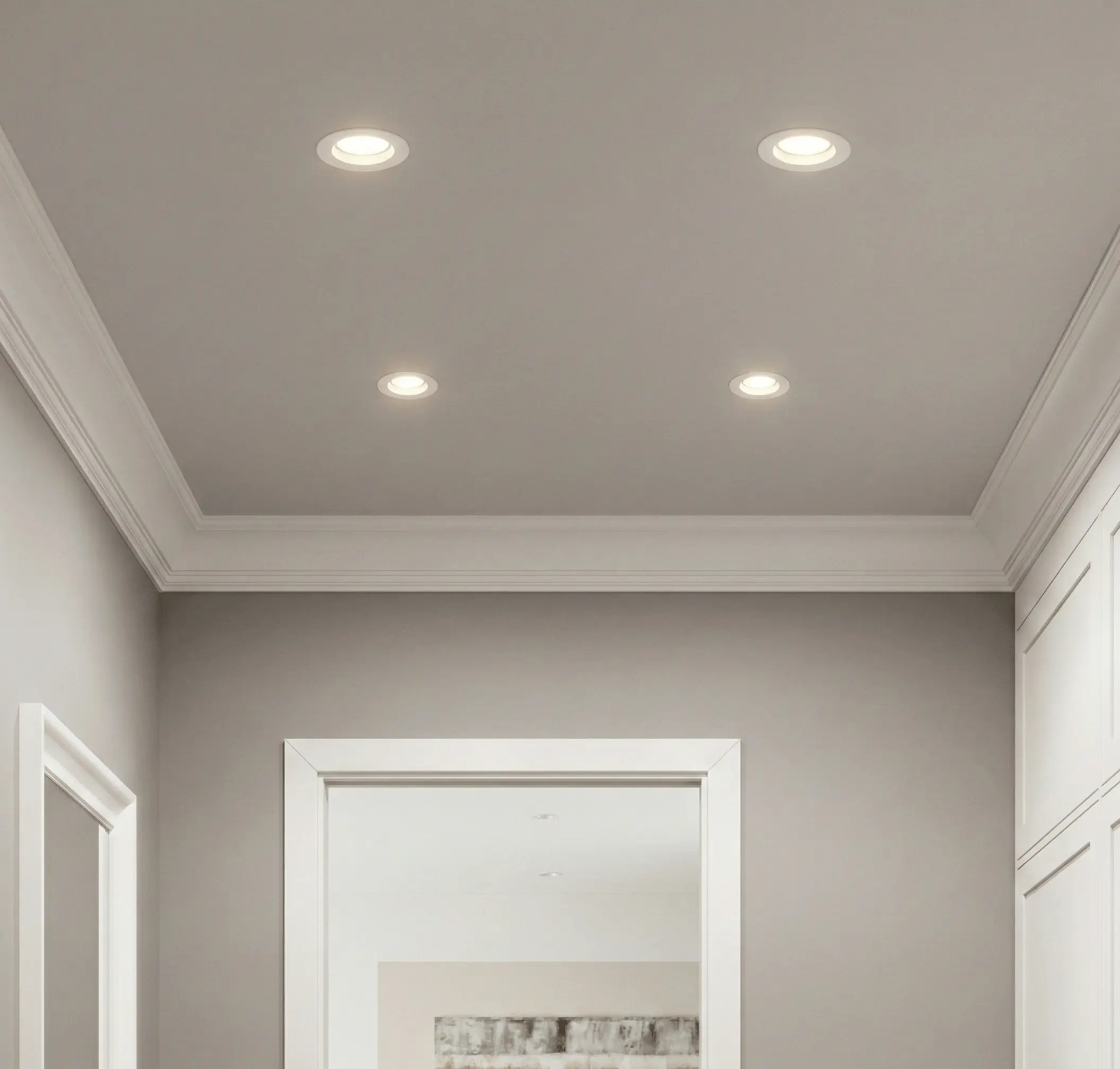
- Spec builders and lighting contractors 4000–5000K LEDs became the default residential specification not because anyone considered how they render timber, wool, or human skin — but because they are bright, energy-efficient, and cheap to install at scale. The electrician specifies what is available. The builder accepts it. Nobody asks what colour temperature does to a room at 7pm on a Tuesday in November. The result is lighting designed for a car park, installed in a home, and never questioned.
- Architects designing for photography, not habitation An open-plan glass-box photographs magnificently. It reads as space, light, modernity, and aspiration in a single image. It does not photograph the flutter echo. It does not photograph the thermal conductivity of the floor. It does not photograph the absence of a threshold, which is the architectural equivalent of a room with no edges. The award submission shows the room at 2pm on a cloudless day. The owners live in it at all other times.
- The Bay Area belief that new equals better A white-on-white remodel in Saratoga, a polished concrete kitchen in Menlo Park, a stripped-and-opened Eichler in Palo Alto — in each case, something that worked was removed in favour of something that signalled currency. Original windows replaced with frameless glass. Existing thresholds erased. Plaster removed in favour of smooth drywall at LRV 90. The patina of the previous room — its acoustic softness, its visual depth, its evidence of habitation — was treated as a problem to be solved rather than a quality to be preserved.
- The equation of brightness with quality "Bright" became a selling point in Bay Area residential real estate at some point in the early 2000s and has never recovered its correct meaning. Brightness is not the same as light. A room flooded with 5000K recessed illumination is bright the way a supermarket is bright — every surface equally exposed, no shadow, no depth, no rest for the eye. A well-lit room is not bright. It is legible. The distinction was never made, and a generation of interiors was built around an equation that produces discomfort while appearing to promise comfort.
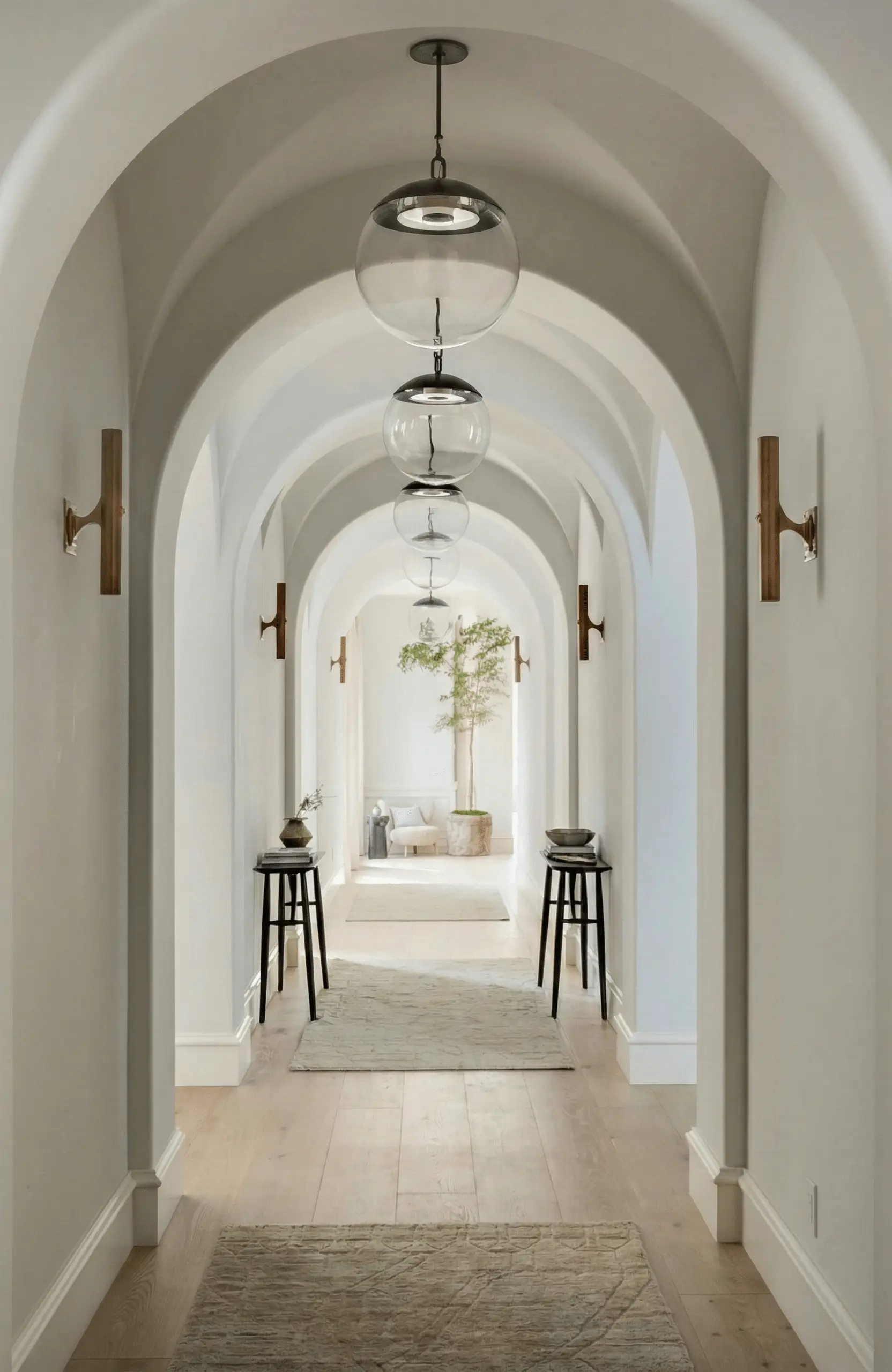
- The open-plan obsession The open plan erased something that architecture had understood for millennia: that people need enclosure as much as they need space. The threshold — the moment of transition between one room and another — is not a structural inconvenience. It is how a building tells you where you are, what the room is for, and that you have arrived somewhere distinct from where you were. Remove every threshold and you produce a room that is technically one space and experientially no space at all. Nobody is comfortable in it because it offers no edges to push against, no corners to retreat to, no boundary that says: here, you are contained.
Not every cold room is equally cold. The five conditions identified in this series — LRV above 82, failed proportion ratio, lighting above 3000K, high reverberation, high thermal conductivity at floor — compound each other. One condition produces a room that is slightly off. Five conditions produce a room that is architecturally mistaken.
Score your room honestly. One point for each condition present.
The Cold House Score
Change the bulbs to 2700K. Add a heavy wool rug. The room has minor physical errors that respond immediately to simple material interventions. This is the most common condition and the easiest to address. Most people in this category have already felt the room improve and attributed it to the wrong thing.
Lighting, textiles, acoustic absorption, and considered furniture choices over time. The room has multiple compounding conditions that cannot be resolved by a single intervention. This requires a sequence of changes, each building on the last, over months rather than an afternoon. It is correctable. It takes conviction.
No amount of styling will fix a 5. A room scoring 5 out of 5 has been built in a way that produces cold as a structural output, not as an oversight. The floor material, the glazing, the ceiling height, the lighting grid, the paint — all five conditions are present and compounding. Textiles will help. Bulbs will help. Neither will fix a room that has erased every physical mechanism by which warmth is produced. This room needs its architecture reconsidered, not its cushions.
The previous article in this series — Why A Room Feels Wrong — gives you five conditions and five corrections. One for each problem. That approach is correct for rooms scoring 1–2, where specific physical errors respond to specific physical interventions.
The Cold House requires something different. Not five corrections applied in sequence, but one decisive act that changes the premise of the room.
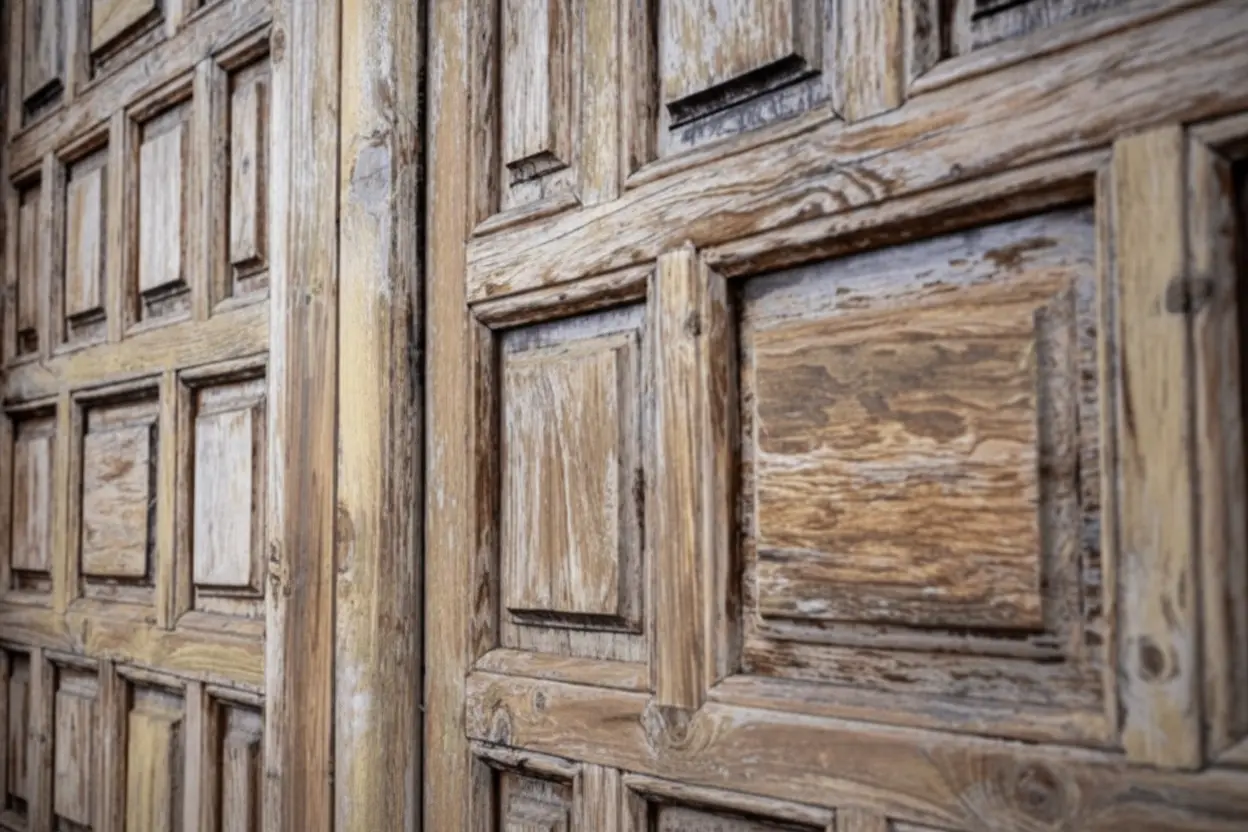
Introduce a single object with genuine age, weight, and material honesty into a room built entirely from new, smooth, lightweight materials — and it resets the visual register of every surface around it. Not because it is beautiful, though it may be. Because it introduces, into a room that previously contained only things that have never changed, the presence of something that has.
A pure wool rug of genuine quality placed on polished concrete does three things simultaneously: it reduces thermal conductivity at foot contact, it halves the reverberation time of the room, and it introduces a visual depth — the variation of a hand-woven surface, the purity of natural dye absorbing light differently at every thread, the slight irregularity that only honest making produces — that no machine-made surface can replicate. The concrete, which was simply concrete before, becomes a background. It acquires a function it did not previously have. The room, which was cold, becomes a room in which something of absolute material quality and something new are in conversation.
That conversation is the beginning of warmth. It is also the only intervention available to a room scoring 3 or 4 that changes not just one condition but the entire atmosphere in which the other conditions operate. One heavy, honest object does not fix the 4500K lighting. But it changes how the 4500K lighting lands — because now there is a surface in the room that holds depth, absorbs light rather than reflecting it, and gives the eye somewhere to rest that is not a white wall.
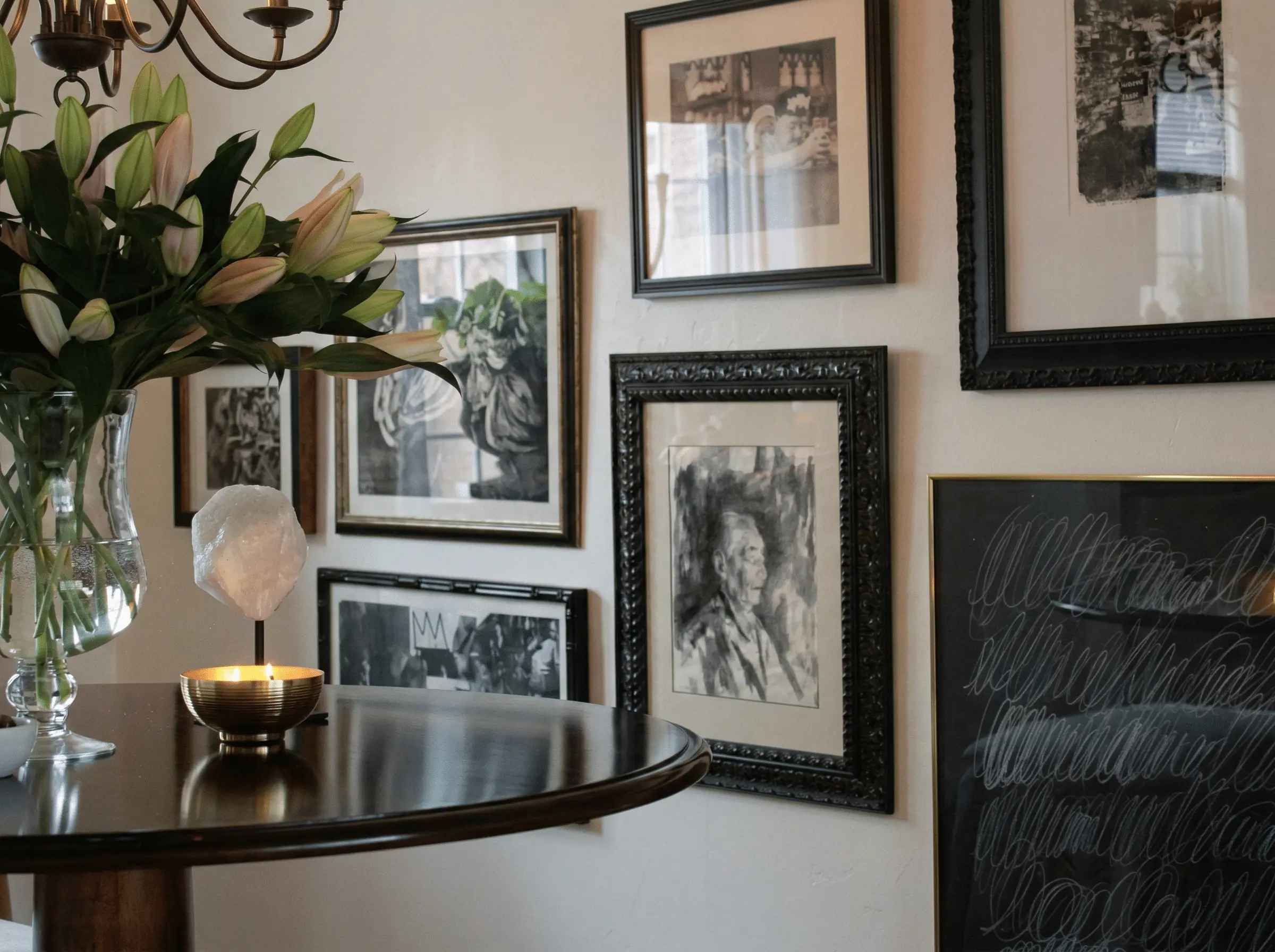
The house in Los Altos is not a bad house. It is a house built by competent people making decisions optimised for the wrong outcomes. The photographer got excellent material. The architect's award submission was accepted. The spec builder met every code requirement and delivered on time. All of this is true. None of it explains why the owners have been quietly uncomfortable in it for six years.
What they were never told — because no one involved in the renovation was incentivised to tell them — is that brightness is not warmth, that open plans are not generous, that new materials are not better materials, and that a room designed to be photographed is a room designed to be left.
If you scored your room and found yourself at 3 or 4: the interventions exist, they are affordable, and they work. Change the bulbs first. Add the rug. Introduce one heavy thing with genuine history into a room that has none. Then watch what happens to the room around it.
If you scored 5: stop rearranging the furniture. You are not solving a styling problem. You are living in an architectural mistake made by someone else, at your expense, for their portfolio. Acknowledging that is not defeat. It is the first accurate thing that has been said about the room since it was built — and accuracy, in our experience, is always the correct place to begin.
Why do Bay Area homes feel cold and sterile?
Bay Area homes feel cold because of a specific combination of decisions made consistently since the 1990s: polished concrete floors, LRV 88–93 white walls, 4000–5000K LED lighting, open-plan layouts with no thresholds, and floor-to-ceiling glass that dissolves enclosure. None of these decisions were accidental. They were made by spec builders and architects optimising for photography, resale value, and award submissions — not for the experience of living inside the room.
Can you fix a cold house without renovating?
It depends on your severity score. Homes with 1–2 cold conditions can be corrected quickly — change the bulbs to 2700K, add a heavy wool rug. Homes scoring 3–4 require serious material intervention over time. A home scoring 5 out of 5 has an architectural problem. No amount of styling will fix a 5. The architecture itself must be reconsidered.
What is the single most effective thing you can do for a cold room?
Introduce one object of absolute material quality and genuine honesty. A pure wool rug of real weight and natural fibre, a substantial timber table, a piece of solid furniture that carries time and density into a room that contains none of these things. One such piece resets the visual register of every surface around it — it changes not just one condition but the entire atmosphere in which all other conditions operate.