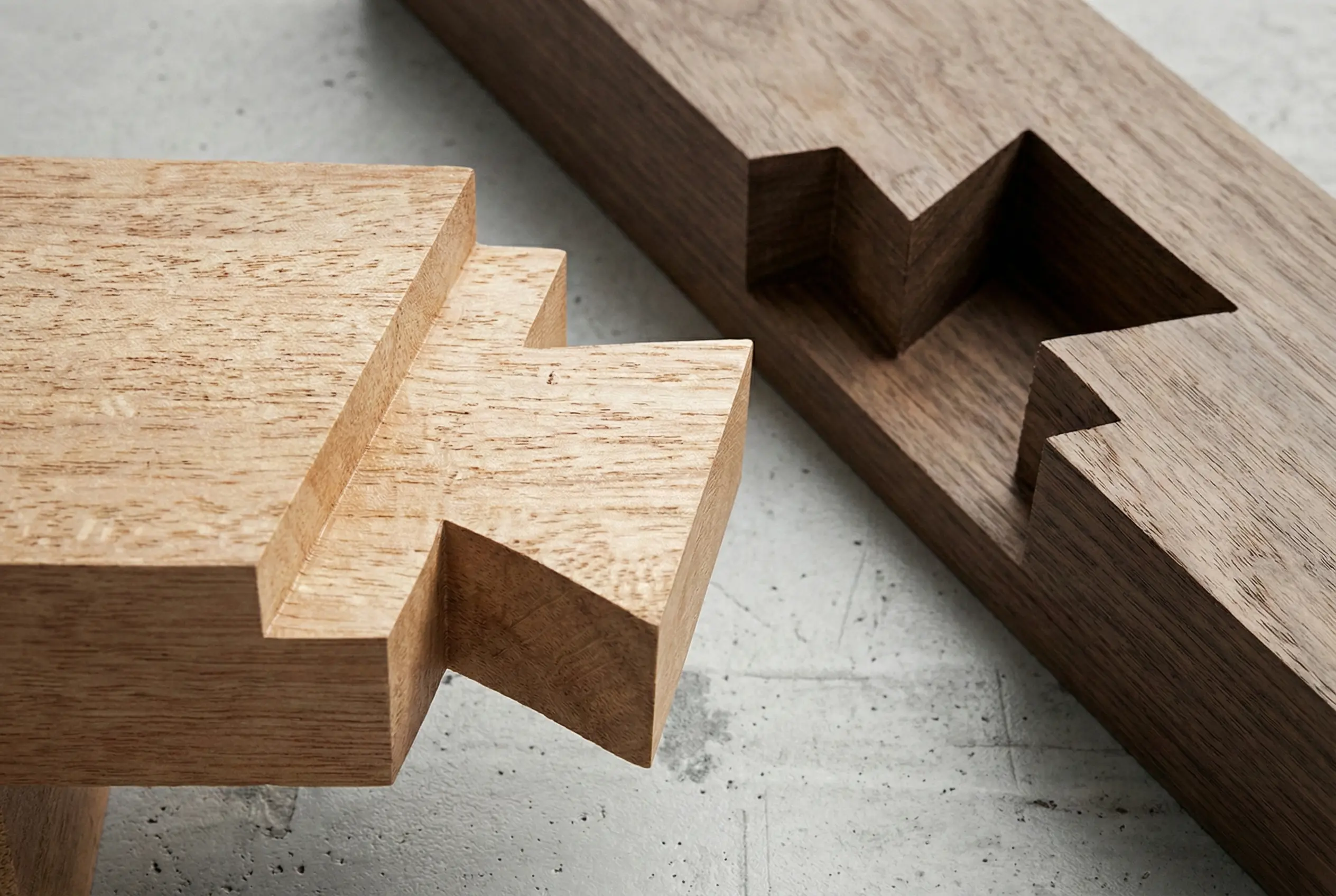
Most people carry a room with them. Not a photograph — a feeling. Perhaps it was a grandparent's house: the weight of a mahogany cabinet catching the afternoon light, the warmth of wool underfoot, a shelf of objects that told you plainly that someone with strong opinions had lived here for a long time and chosen each thing deliberately. You didn't catalogue it at the time. You simply felt, inside it, a quality of ease so complete that you've been measuring every room against it ever since — without quite knowing that's what you were doing.
That feeling has a name, though the name is misleading. We call it nostalgia — but nostalgia implies memory, a longing for a specific past. What that room actually produced was something more precise: recognition. The sense that the space already knew you. That you were, without effort or explanation, exactly where you were supposed to be.
Recognition is not sentiment. It is not accident. It is the measurable output of three physical conditions — built into a room deliberately or by inheritance — that the nervous system reads as safe before the conscious mind has registered a single detail. And here is the part that changes everything: it is entirely reproducible. You can build it on purpose, in any room, at any budget, without importing antiques or chasing a period aesthetic. You simply need to understand what the body is actually responding to — and give it exactly that.
The principles of nostalgic recognition are not new, and they are not theoretical. The most enduring interiors of the past century — rooms that still feel alive in archive photographs, that people return to in memory decades later and try to describe to their own designers — share three physical qualities regardless of their stated style. Look closely at how the designers who have stood the test of time actually worked, and the pattern is consistent.
Kit Kemp
Firmdale Hotels · London & New YorkKit Kemp's interiors demonstrate exactly why nostalgic recognition survives stylistic period. Her rooms used heritage timbers with visible grain, natural floor matting, chenille textiles, and accumulated objects chosen for tactile weight rather than visual spectacle — materials that absorbed light rather than reflected it, in rooms with readable scale and layered light sources arriving from multiple heights. What photographs as warm and collected was in fact three physical conditions working simultaneously: honest materials, correct proportion, and visual depth. Rooms built the same year without those conditions do not produce the same feeling two decades later. Hers do.
Kelly Hoppen
London · 1990s ArchiveKelly Hoppen's own flat from 1995 is instructive: a disciplined palette of warm neutrals, striped fabric used for curtains and upholstery to create material continuity, surfaces kept deliberately matte, and objects chosen for tactile weight. What appears in photographs as quiet restraint is actually a precise management of depth and light absorption. The rooms feel grounded because every surface gives the eye somewhere to land and rest — no high-gloss deflection, no uniform overhead wash, no threshold-free expanse. The nervous system had enough structure to relax. That is the whole trick, and it has not changed.
Chester Jones
London Studio House · 1990sChester Jones's London house had an artist's studio on the first floor — tall windows, generous light — yet it felt intimate rather than exposed. The reason was layering: screens, prints and drawings, rhythmic textiles, and a scale of furnishing that created human-sized pockets within a large volume. He understood that a room isn't experienced from the doorway at 2pm on a cloudless day. It is experienced from inside it, in all seasons, at all hours. The materials he chose — fabric with texture and variation, objects with evident age and history — gave the room what the building's generous scale alone could not: depth at the human level.
Lady Wakefield
House in Spain · 1997Lady Wakefield's Spanish house is among the most instructive examples of what genuine eclecticism produces: objects gathered from different traditions and centuries. The room worked because every object in it was made from a material of genuine weight and honest origin — no imitations, no reproductions, nothing designed to look like something it was not. The mix was assembled around objects that had earned their presence through genuine making. The result is a room layered with time rather than decorated with reference to it.
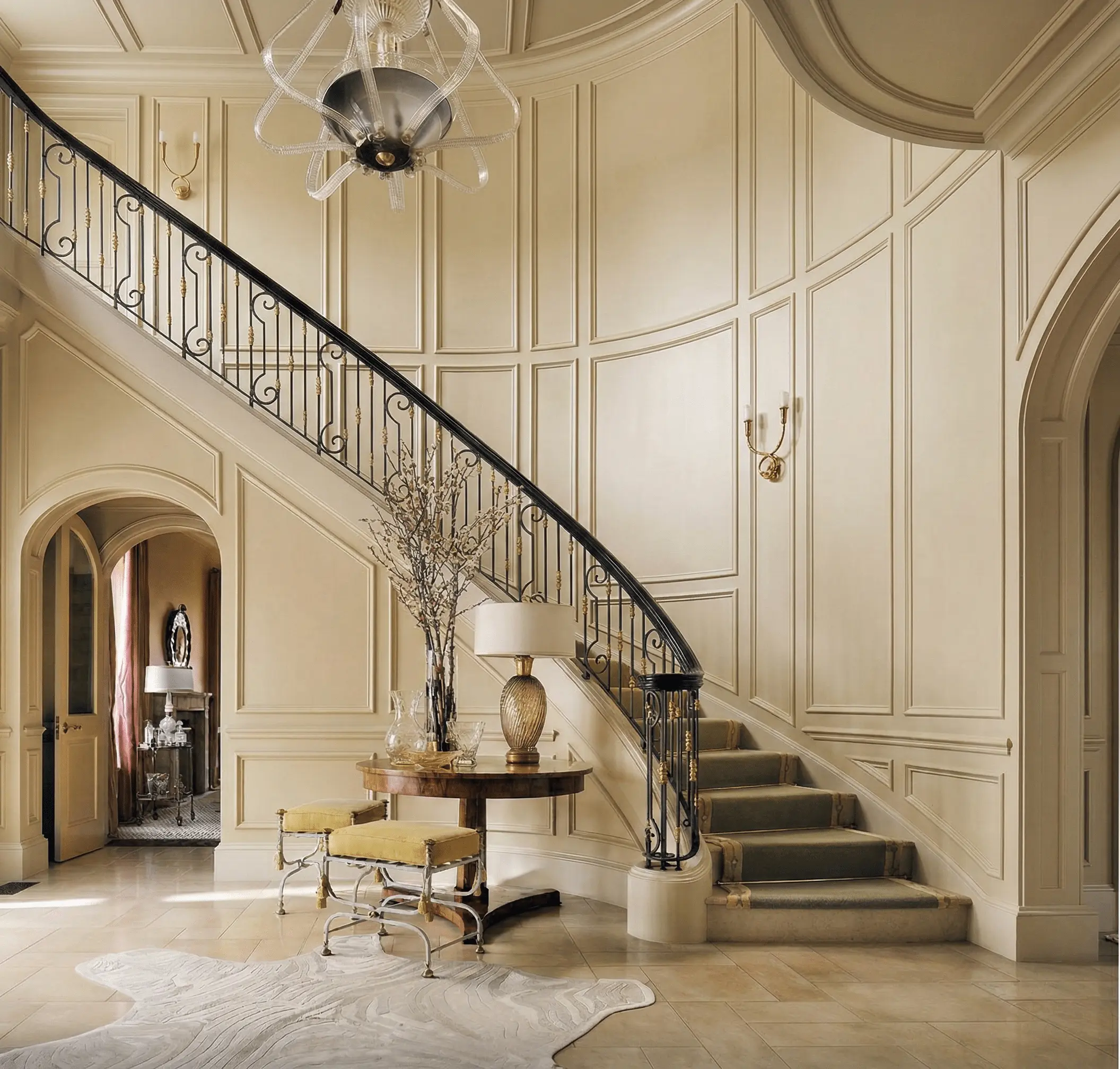
The most important and most counterintuitive thing to understand about nostalgia as a design principle: it has nothing to do with age.
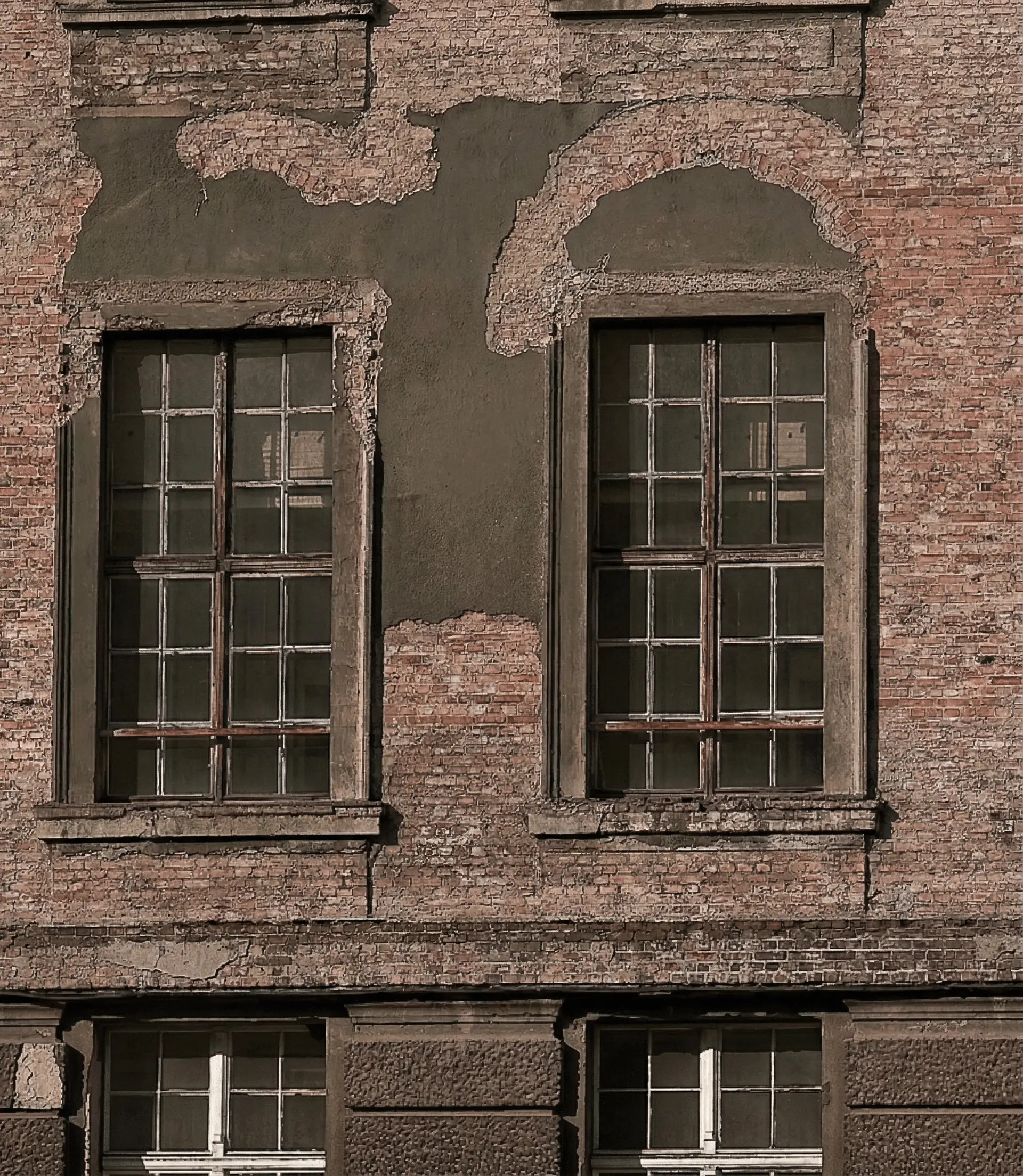
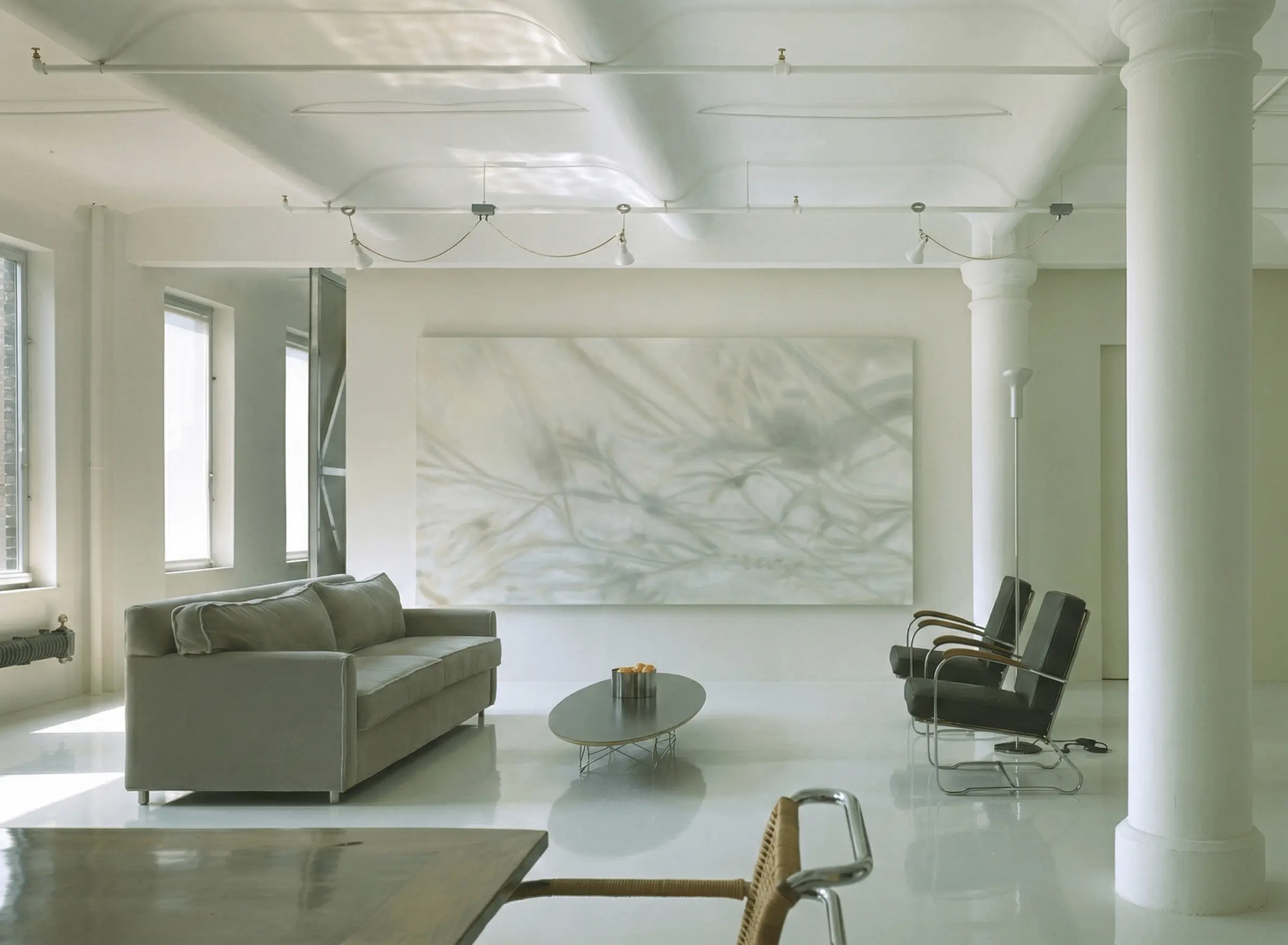
A room built last year, with correct proportions, materials of genuine weight, and layered light that produces shadow, will produce nostalgic recognition in every person who enters it — on the first day. A room one hundred years old, gutted and remodelled with smooth drywall at LRV 92, polished concrete floors, flattened window reveals, and lighting regraded to a clinical 4500K, will produce nothing of the kind. It will produce instead the specific, dispiriting discomfort that The Cold House documented: a room that refuses to let you settle, regardless of what it cost and regardless of what it looked like in photographs.
The nervous system does not read dates. It reads conditions. And the conditions that produce recognition are the conditions under which human beings have felt safe inside enclosed space for most of their history. You cannot decide not to have this preference.
This is also why the feeling matters beyond aesthetics. A room the nervous system can quickly decode is a room where the mind can stop scanning. Where attention can fall idle. Where you can be fully present in your own life without effort.
These are not aesthetic preferences. They are physical conditions — measurable, reproducible, and independent of style.
Proportion Within the Inherited Range
Proportion is felt before it is seen. Long before the eye processes a wall colour or a furniture arrangement, the body reads enclosure: the width of the room, the height of the ceiling, the distance between edges. When those relationships fall outside the inherited range — approximately a 1:3 ratio of ceiling height to room width — the room feels either compressed or exposed, regardless of its budget or aesthetic credentials.
Bay Area open-plan architecture routinely violates this ratio in both directions: rooms widened by removing walls, then given high ceilings to compensate, producing spaces that feel simultaneously grand and unapproachable.
Materials That Accept Time Rather Than Resist It
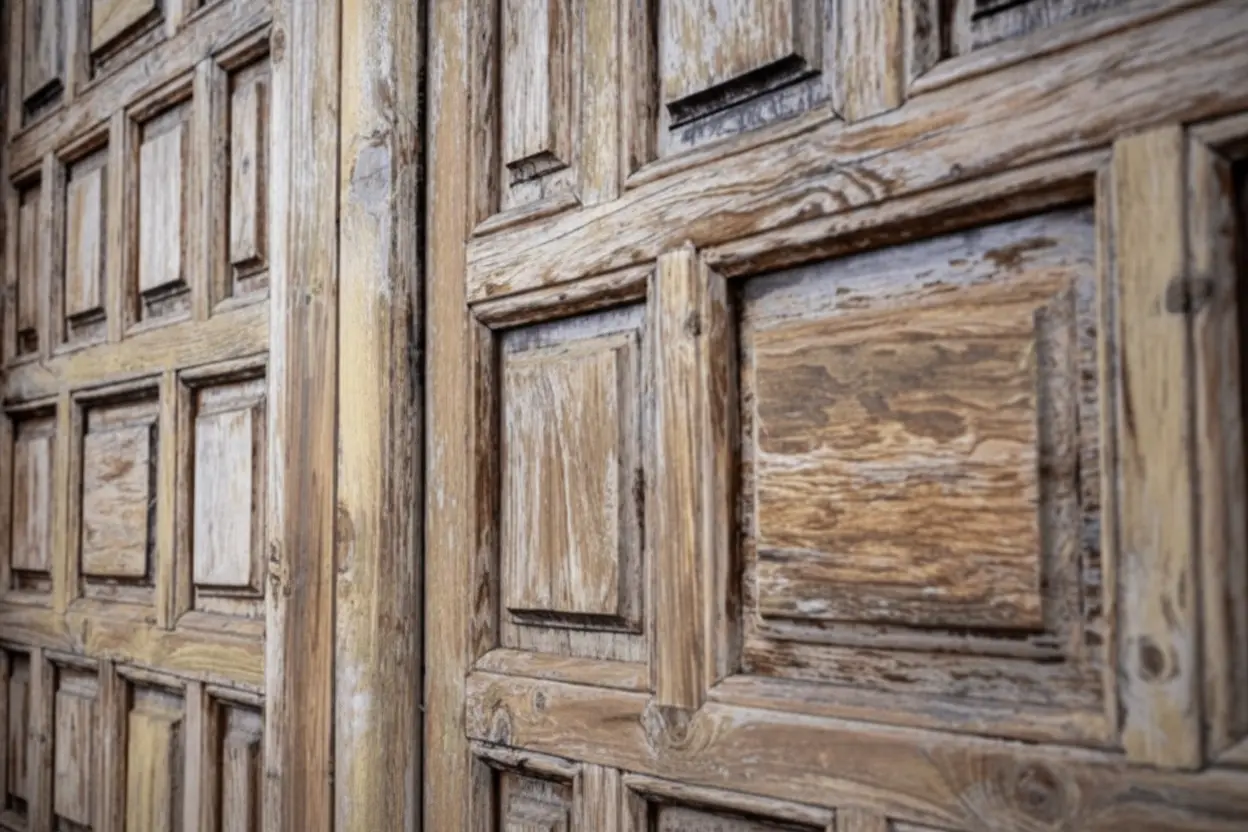
Recognition requires trust. Trust requires evidence. Materials that accept time provide it: timber that deepens, wool that compresses and softens, stone that polishes at points of contact. The alternative — surfaces engineered to resist time — carries no narrative. The nervous system reads that insistence on staying new as fragility, and a room built from it as display rather than habitation.
Layered Visual Depth the Eye Can Move Through
Shadow is not a flaw. It is how the eye reads three-dimensional safety. The modern failure mode is uniformity: overhead wash, high-reflectance walls, hard floors and ceilings. The eye finds no edge and the body stays alert. Light arriving in layers, from multiple heights, permitting falloff and corner shadow, produces habitability immediately.
There is a persistent idea that the finest things made by human hands belong behind glass. This is a misunderstanding of what craft is for. The objects that most powerfully produce recognition are the objects that carry visible evidence of skilled making — and that evidence deepens with daily use.
A teak dining table used daily for fifteen years becomes a better object than it was on delivery day. That is not deterioration. It is completion.
Teak & Mahogany
Timbers that improve with honest use. Grain deepens. Surfaces warm. A room reads them as permanence. Explore the furniture collection.
Rattan & Cane
Texture, shadow through weave, and warmth at any height. In contemporary rooms, rattan restores depth without changing era.
Handwoven Tapestry
A concentrated source of vertical depth and acoustic softness. Explore tapestries.
Wool Rug
Anchors proportion, improves acoustics, warms underfoot, adds depth. Shop the rug collection.
The failure mode is pastiche: symbols without conditions. The nervous system cannot be fooled by props. It responds to proportion, material honesty, and layered depth.
One object of absolute material honesty
A substantial timber piece or genuinely made woven object gives every other surface a standard to measure against.
A wall surface the eye can move through
A handwoven tapestry introduces depth and acoustic softness without architectural change.
Natural fibre, sized for the room
A correctly sized wool rug is not decoration. It is a physical intervention.
Warm, layered, with permitted shadow
Turn off one overhead circuit. Add a point source at seating height around 2700K. The room changes the same evening.
Score Your Room Honestly
Three questions. One for each condition. The score tells you where to start — and what single change will produce the most immediate improvement.
Stand in the centre of your main living space in the evening with no task in mind. Does it feel like it is holding you — or offering you a great deal of space?
Touch the surfaces you interact with most — the armrest, the table edge, the flooring. Do they feel settled — or like they are still waiting to begin?
In the evening with only your current lighting on, look at the corners. Do they have shadow — or are they as bright as the centre?
Your room already has the foundation for recognition. What it may need now are objects of genuine craft to deepen it over time.
Address them in order: proportion first, materials second, light third. Each correction makes the next more effective.
Start with light. Then the floor with a wool rug. Then add edges: a curtain boundary, a library wall, or a substantial piece to create mass.
If You Do One Thing, Do This
For many Bay Area rooms — open-plan, high-ceilinged, hard-floored, overlit — the highest-leverage intervention is a rug.
A pure wool rug sized correctly under the primary seating defines a centre (proportion), adds honest material depth (materials), and changes how light behaves across the largest plane in the room (depth). It also improves warmth and acoustics immediately.
Explore the rug collection. If you want the correct sequence of interventions for your room, we are available for a conversation.
This article is part of RS Studio's examination of why rooms work or fail — and what to do about it.

What is nostalgia in interior design?
Nostalgia in interior design is not about old things or period style. It is recognition — the neurological ease produced when a room speaks a language your nervous system already knows.
What makes a room feel like home?
Three measurable conditions: proportion within the inherited range, materials that accept time, and layered light that permits shadow.
Why does teak and mahogany furniture make a room feel warmer?
Because they improve with use and carry visible evidence of habitation, which the nervous system reads as permanence.
Can a modern home feel nostalgic without looking old-fashioned?
Yes. Nostalgia is not a style. One or two objects of genuine material weight can anchor the room without changing its era.
Is nostalgia in interior design good for mental wellbeing?
Rooms the nervous system can quickly decode support rest by reducing baseline scanning and alertness.
For rooms built in a language the nervous system already knows.
Begin a Conversation20430 Saratoga–Los Gatos Road · Saratoga, CA · 408-797-5283
RS Studio is the editorial and design philosophy imprint of Reeva Sethi Home — a Saratoga-based showroom and studio serving the Bay Area with heritage furniture, handwoven tapestries, architectural rugs, and considered interiors.