Spring Changes
the Room
Before You Do
Why spring doesn't ask for new things — and what it means to let a room read clearly once the season has already arrived.
There is a point each year when a room stops needing what winter required. It is not a date. It is not a decision. The light changes first — it travels further into the space, stays longer, reaches surfaces it hasn't touched in months. And without moving a single object, the room begins to feel different.
That is where I begin. Not by adding. By looking at what is already there, and asking whether it still earns its place.
Winter builds density. Layers, weight, insulation — across the house. The sitting room carries more throws, more closed surfaces, more objects grouped for warmth rather than considered for form. The hallway holds coats and things that came in from the cold and never quite left. When it is done with intention, all of this feels right.
So the first move, in every room, is reduction. Not emptying. Removing what no longer earns its place. What remains should stand on its own.
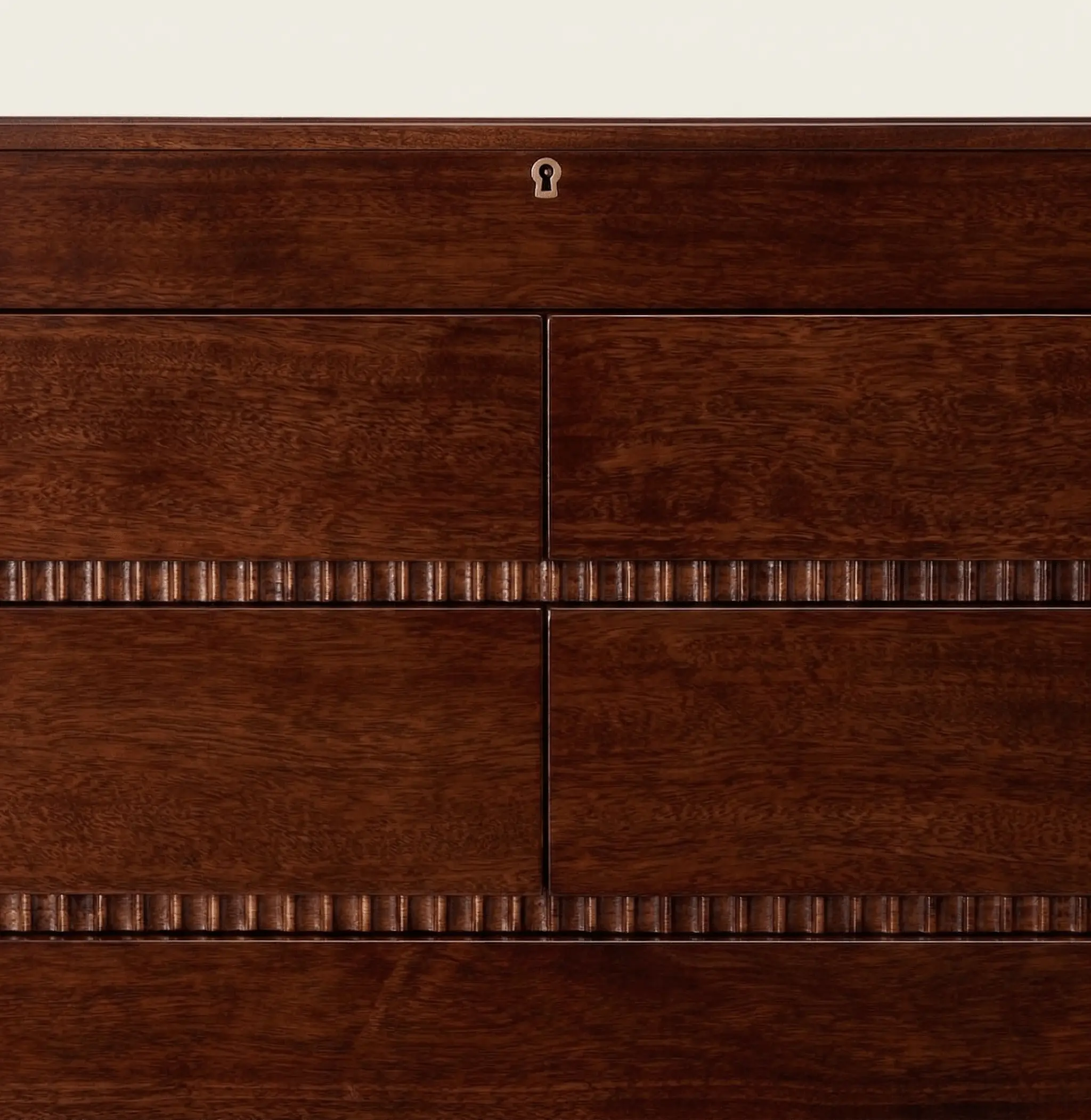
From there, it is about clarity. This is what spring actually does to a space — it makes materials visible in a way that winter's low light had been softening. A woven surface catches light differently through the day. Wood grain becomes more defined, more present. A wingback chair that sat solidly through the cold months becomes, in April light, something almost sculptural — its proportions more legible, its fabric showing its structure instead of just its color.
Nothing has moved. The room simply reads more clearly.
This is where most people reach for a palette. That is usually the wrong move.
Color is the easiest way to signal change, but rarely the most effective. It dates quickly. It distracts from what the room already does well. It makes a space feel like it is trying to be the season rather than simply receiving it.
What works better is tone. Softer contrasts. Warmer neutrals. Materials that sit within the room rather than announcing themselves. A botanical motif that reads as pattern in winter and as texture in spring. A rug in undyed natural fiber that grounds the room while the light does something entirely different above it. A ladderback chair placed at an angle to a window — not centered, not symmetrical, but placed as though someone had risen from it that morning and would return.
Flowers placed rather than arranged. A table holding a tray and two objects and space that is as deliberate as what remains. These are not seasonal gestures. They are the room at its most honest, which is what spring light insists on.
What I have been drawing toward while building the Spring Living — 2026 board is rooms that do not perform the season. Rooms that have simply adjusted — reduced what winter required, allowed what was already there to show, and received the season without effort.
The pieces that hold through a spring edit are the ones worth keeping — a throw that carries its own weight, a chair whose proportions hold in any light, a tray that grounds the room and asks nothing more.
Spring changes the room before you do.
These are the pieces I keep returning to this spring. Each one does something specific — and knowing what that is changes how you place it.
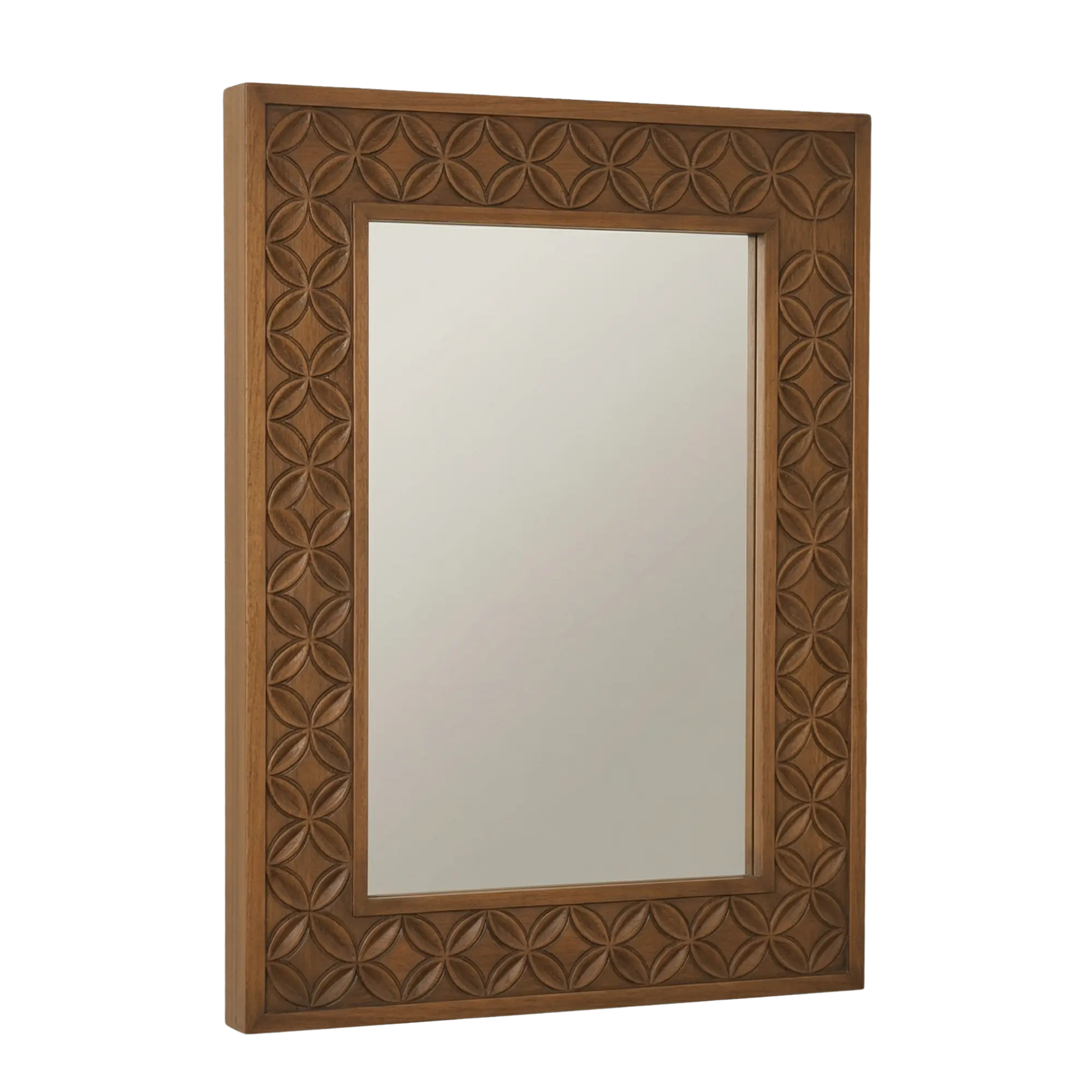
The Wexford Rosette Mirror is structural, not decorative. Use it where the wall feels unresolved — entry, hallway, above a console. The carved frame does the work. Keep everything else quiet.
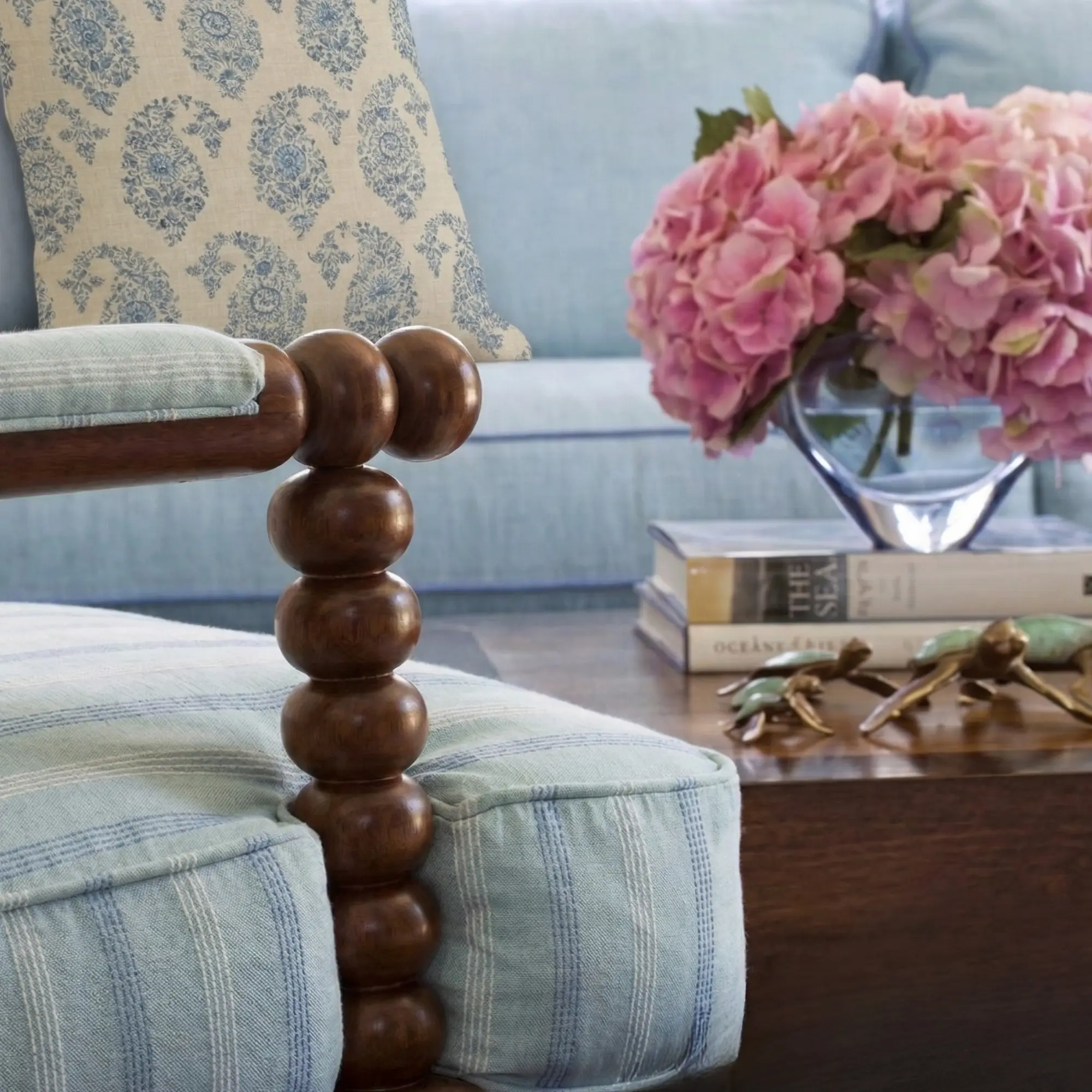
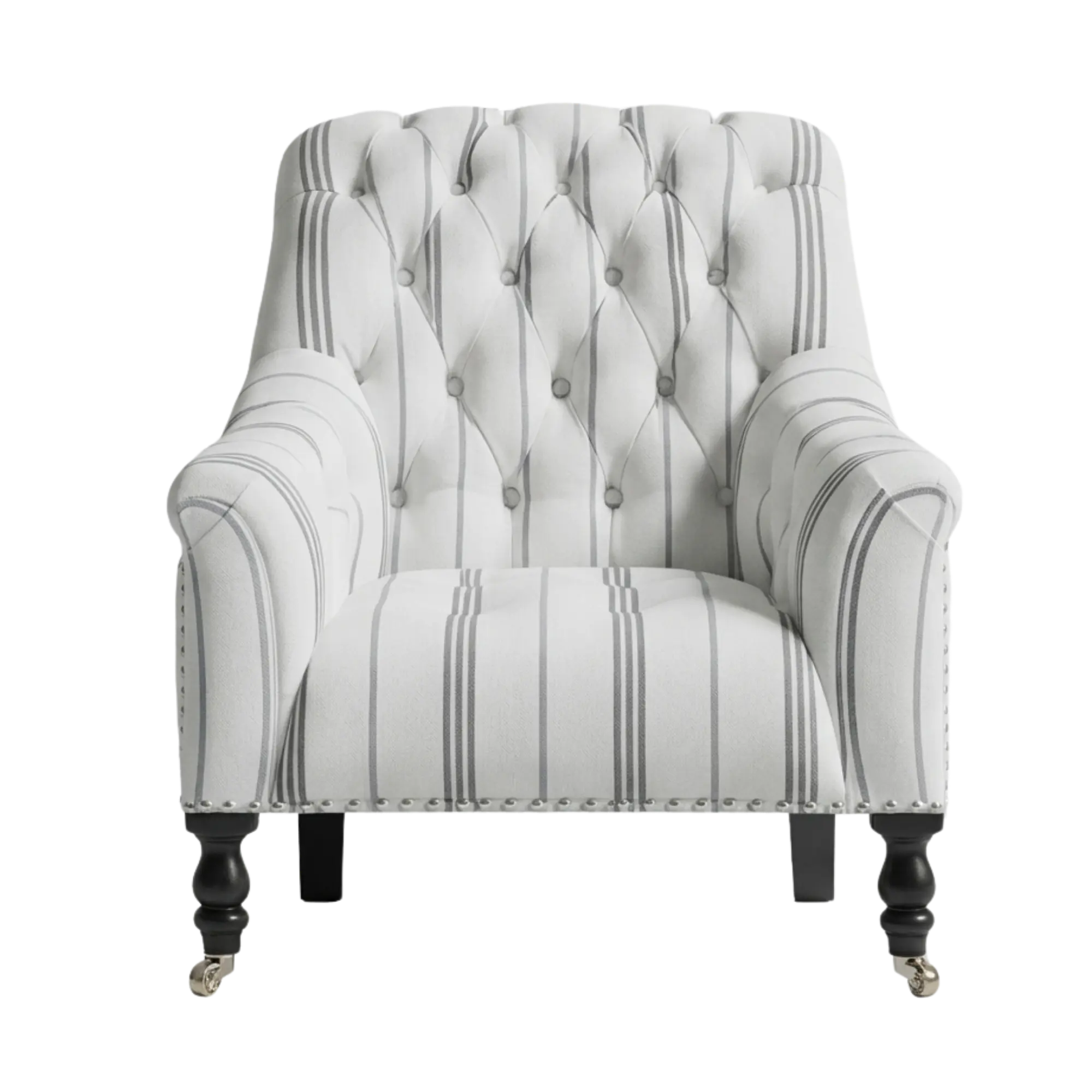
The Kensington Tufted Chair belongs off-axis — angled toward a window or a fireplace rather than pushed square against a wall. It is a chair that invites use. In spring, pair it with a single linen cushion and leave the throw folded over the arm rather than draped. That difference is usually that small.
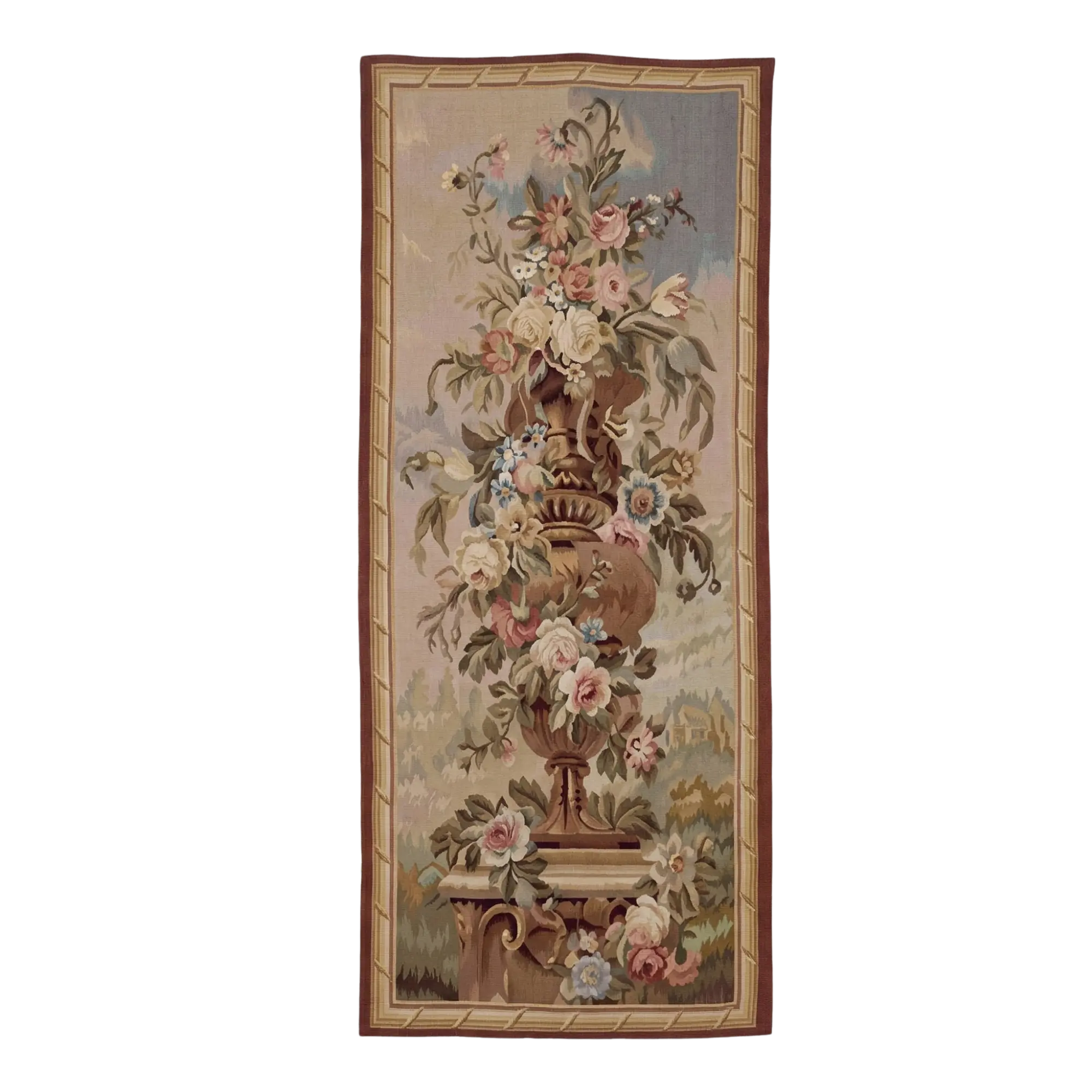
The Grand Urn Tapestry needs height and breathing room. A large wall above a sideboard, or a stair landing where the eye travels upward. Do not center it mechanically. Hang it slightly lower than expected so it anchors the wall instead of floating.
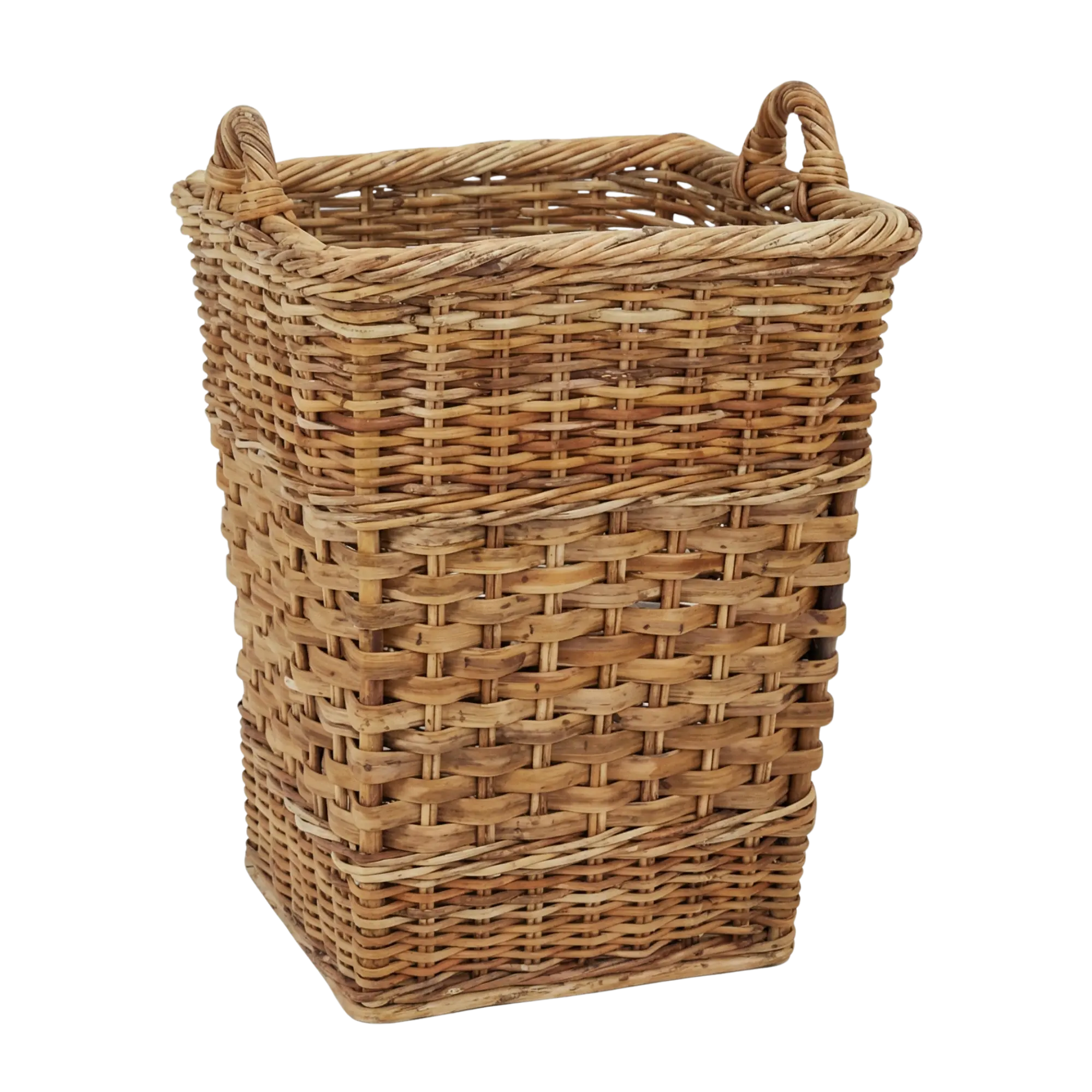
The Chatsworth Square Hamper earns its place by doing actual work. Beside a sofa for throws. At the foot of a bed for linens. In an entry for umbrellas and things that need a home. It makes a room feel inhabited rather than staged.
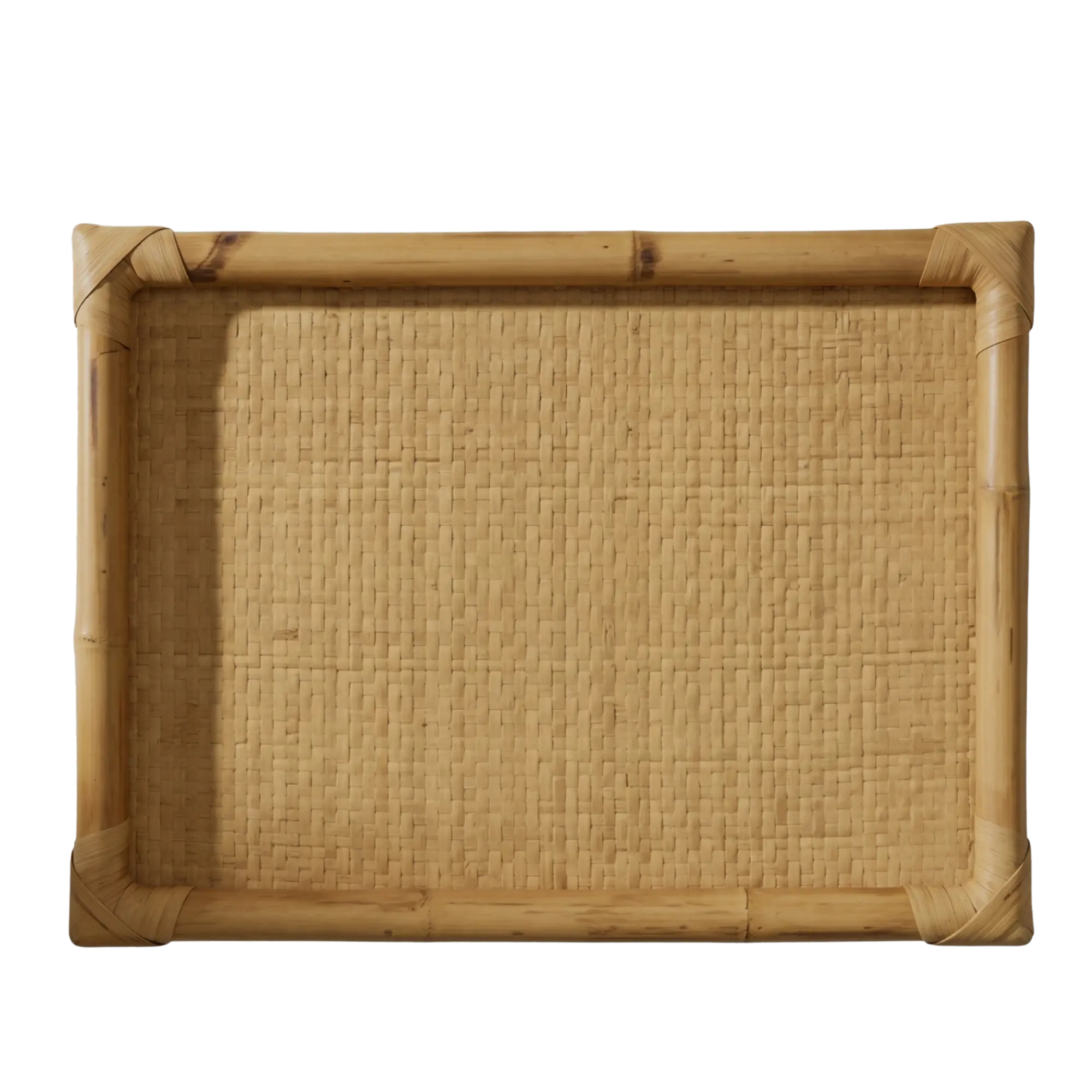
The Laguna Coastal Tray is a surface organiser disguised as a decorative object. A candle, a stack of books, one object that earns its place. The tray defines the composition — without it, the same objects read as clutter.
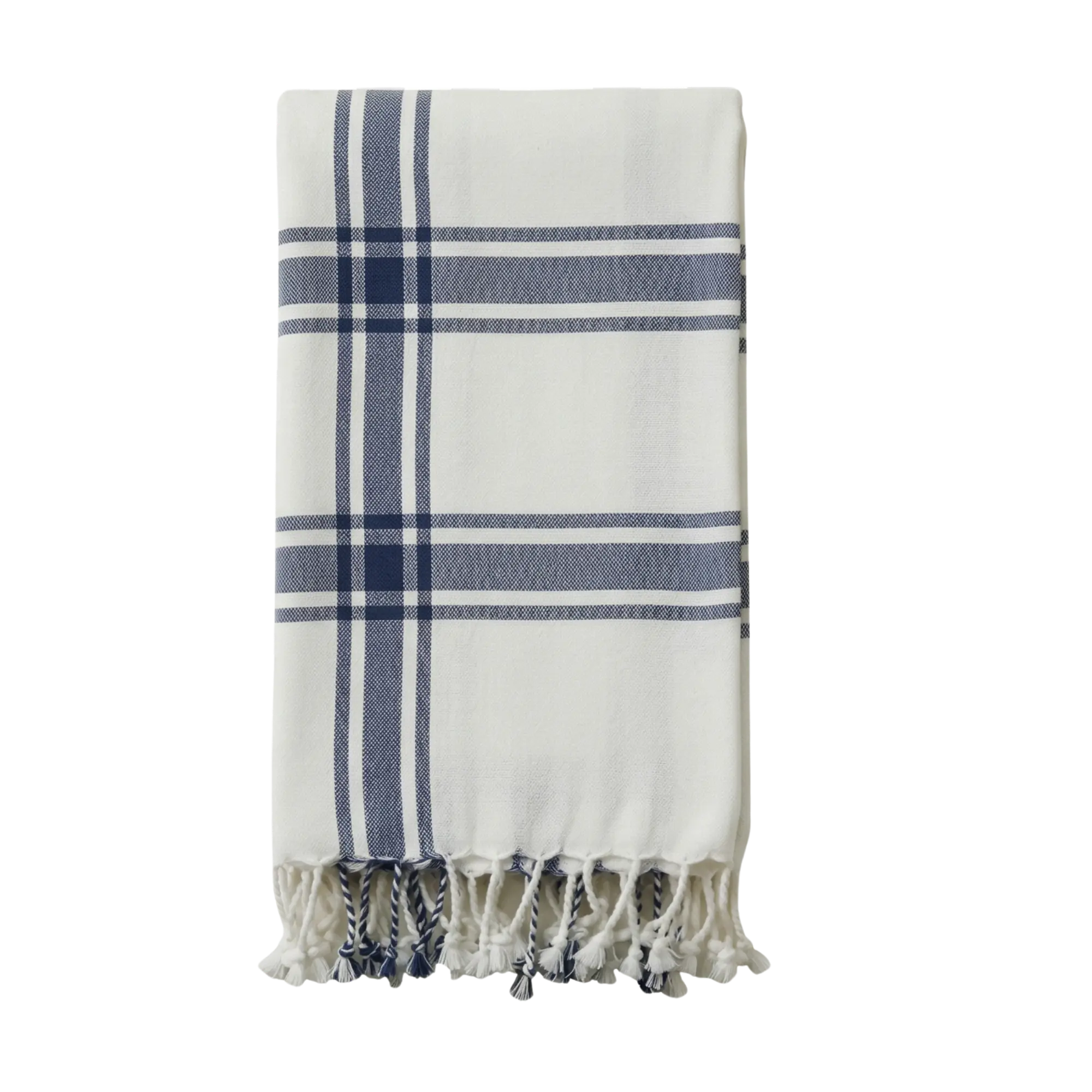
The Devon Blue Plaid Throw works folded, not draped. One clean fold over the arm of a sofa or the foot of a bed. Specific enough to be intentional. Neutral enough not to compete.
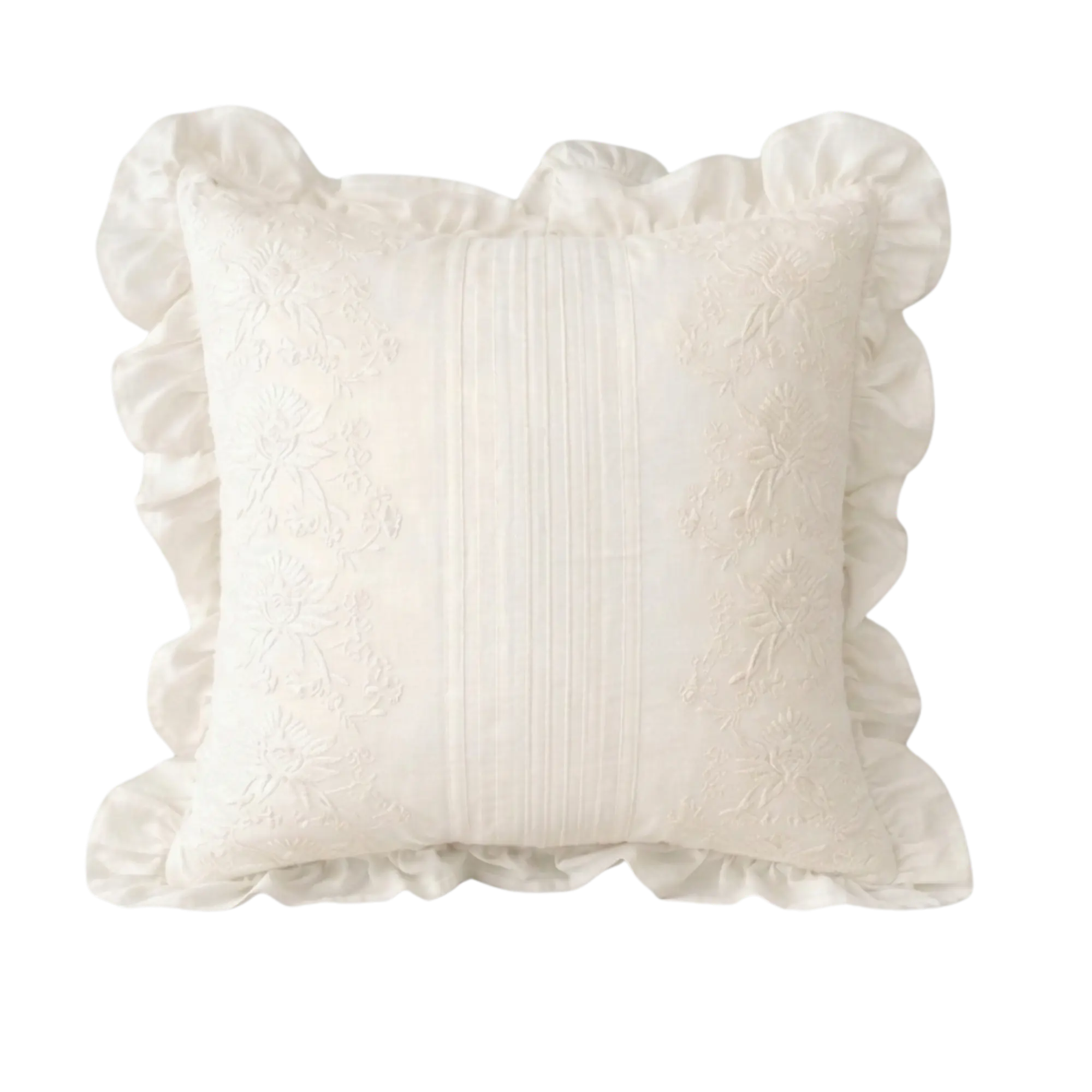
The Fleurette Pillow and the Mariner Script Stripe Pillow should not be used alone. The contrast is the point. Not mirrored. Not symmetrical. One slightly in front of the other.
Pieces from the collection, assembled for spring.

REEVA SETHI is the founder of RS Studio and Reeva Sethi Home, a handcrafted furniture store in Saratoga, California. The showroom is open Monday through Saturday, 11 AM – 4 PM, at 20430 Saratoga Los Gatos Road.
For rooms built from pieces that were made to last.
Visit the Showroom20430 Saratoga–Los Gatos Road · Saratoga, CA · 408-797-5283