The Collected Home Aesthetic
How to curate romance with heirloom furniture. On depth, patina, and rooms built slowly.
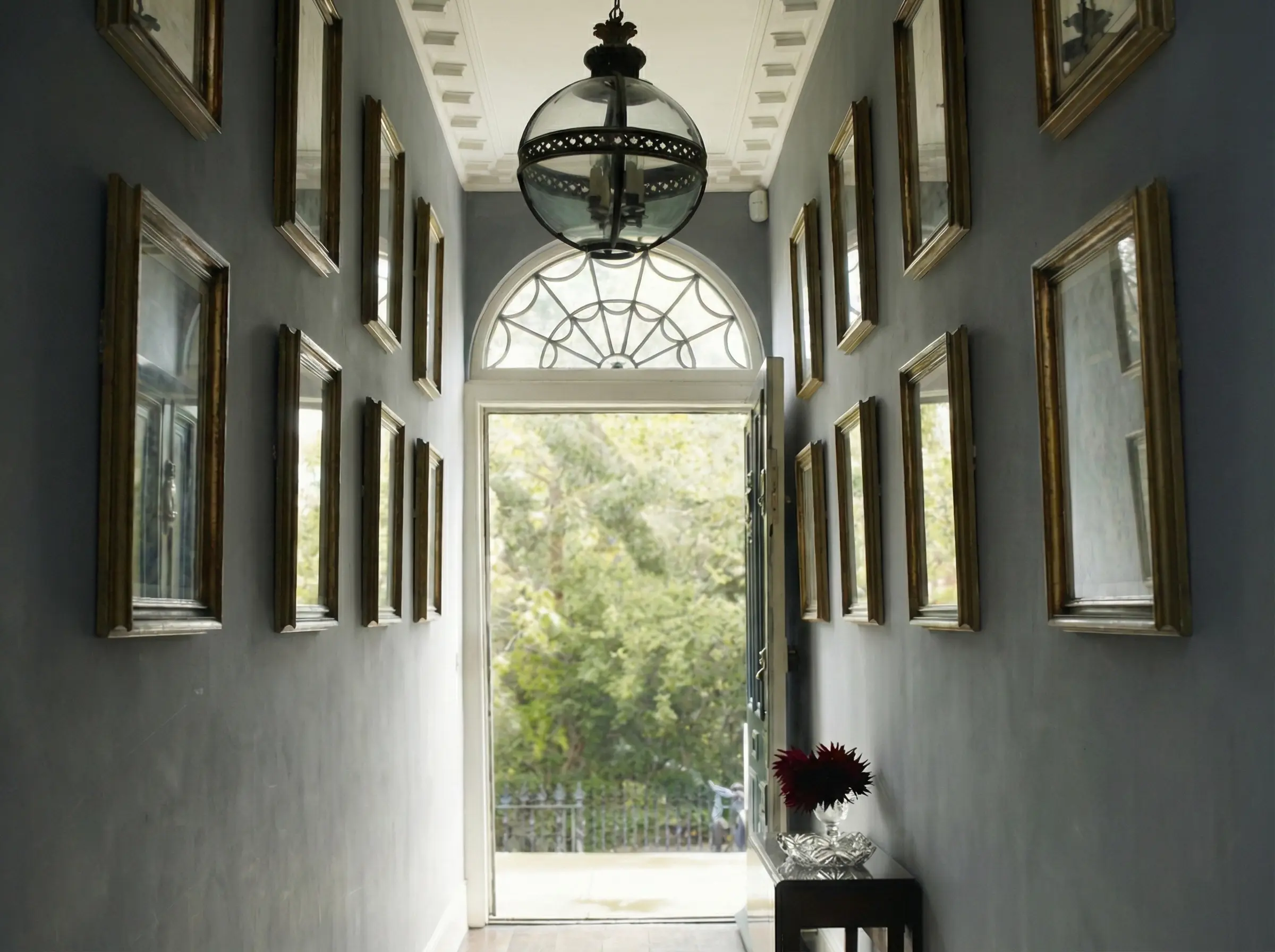
True romance in a home has nothing to do with excess. It is not about frills, overly sweet colors, or temporary trends. In the context of the collected home aesthetic, romance is simply a synonym for depth. It is the presence of patina, the evidence of time, and the feeling that a room has been assembled slowly over years rather than purchased in a single afternoon.
A romantic room feels “moody” not because it is dark, but because it has shadows. It feels “cozy” not because it is cluttered, but because every object has a weight and a story. Creating this atmosphere requires a shift in mindset: moving away from the disposable and toward heirloom furniture that ages alongside you.
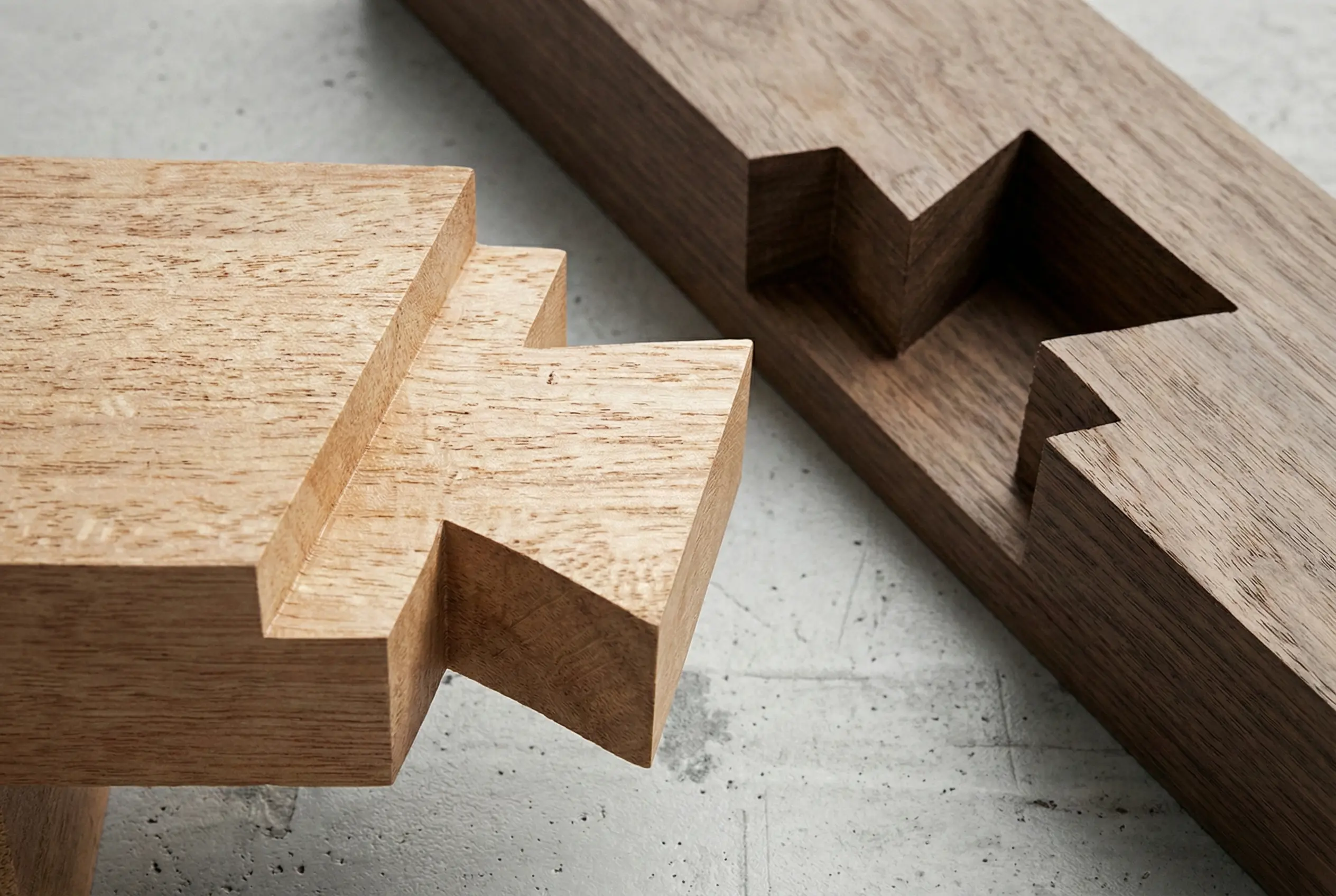
This philosophy reflects our belief in permanence—that furniture and interiors should be shaped by materials that deepen with use rather than diminish with fashion.
Why Mahogany Furniture Anchors a Room
Light needs a counterweight. In a room filled with pale, lightweight materials, light bounces indiscriminately, creating a flat, clinical brightness. To achieve the intimacy of a collected space, you need objects that absorb light and ground the eye.
This is why handcrafted furniture, specifically solid mahogany, remains the standard for permanent interiors. Unlike engineered woods or thin veneers that sit superficially on the surface of a design, solid mahogany offers visual gravity. The depth of color is a kind of patina — a surface that grows quieter, richer, and more believable with age.
In Northern California homes, especially open-plan rooms with strong light, that weight is what makes a space feel inhabited. A mahogany chest or table provides the necessary “heavy” counterpoint to lighter elements like linen drapes or plaster walls. It anchors the room, giving the eye a place to rest.
We see this most clearly in Northern California homes, where strong daylight and open plans demand grounding elements. Our study on Interiors for the Saratoga House explores how proportion, light, and material restraint work together in this valley.
The Art of Softness: Arranging Throw Pillows for a Lived-In Room
Once the heavier elements are set, softness becomes the proof that a room is meant to be lived in. The goal is not perfection. It is ease. Resist rigid symmetry and stiff, martial rows.
To achieve a truly collected home aesthetic, the arrangement should feel casual and fluid. Focus on the tactile quality of the materials rather than pattern matching. Textured throw pillows in velvet, heavy linen, or boucle introduce shadow and warmth to a leather armchair or a cane settee. The “lived-in” look comes from the confidence to mix shapes and sizes, prioritizing comfort over display.
Layering Textures: Wool Throws and Jute Area Rugs
The final layer of a collected home is atmosphere, often achieved through textiles that feel organic to the touch. A room that feels too “new” often lacks this tactile diversity.
Start from the ground up. A jute area rug is an essential foundation; its raw, natural weave contrasts beautifully with the polished sheen of mahogany, preventing the room from feeling too precious or formal. It adds an earthy grit that makes elegance approachable.
To finish, drape a wool throw blanket over the arm of a sofa or the foot of a bed. This is not merely an accessory; it is a gesture of hospitality. It signals that the room is meant to be used, touched, and lived in. The interplay between the coarse jute, the smooth wood, and the soft wool creates a sensory richness that defines the romantic aesthetic.
The collected home aesthetic is not a look. It is a habit. It requires resisting the urge to finish a room quickly and choosing pieces that earn their place through use. Romance, in this sense, is not softness. It is continuity. It is a home that feels inevitable, as though it could not have been assembled any other way.
A collected home is built slowly. If you’re beginning that process, our Saratoga showroom offers pieces chosen for longevity, not trends.
Reeva Sethi Home
20430 Saratoga-Los Gatos Road, Saratoga, CA
REEVA SETHI, founder and principal designer of RS Studio, creates interiors rooted in classical proportion and material restraint. Her work reflects Northern California light, favoring permanence, craftsmanship, and composed spaces designed to endure beyond trends.