Collected, Not Styled
A position on interiors built over time, not assembled at once. The rooms that last are rarely the ones that were “finished.”
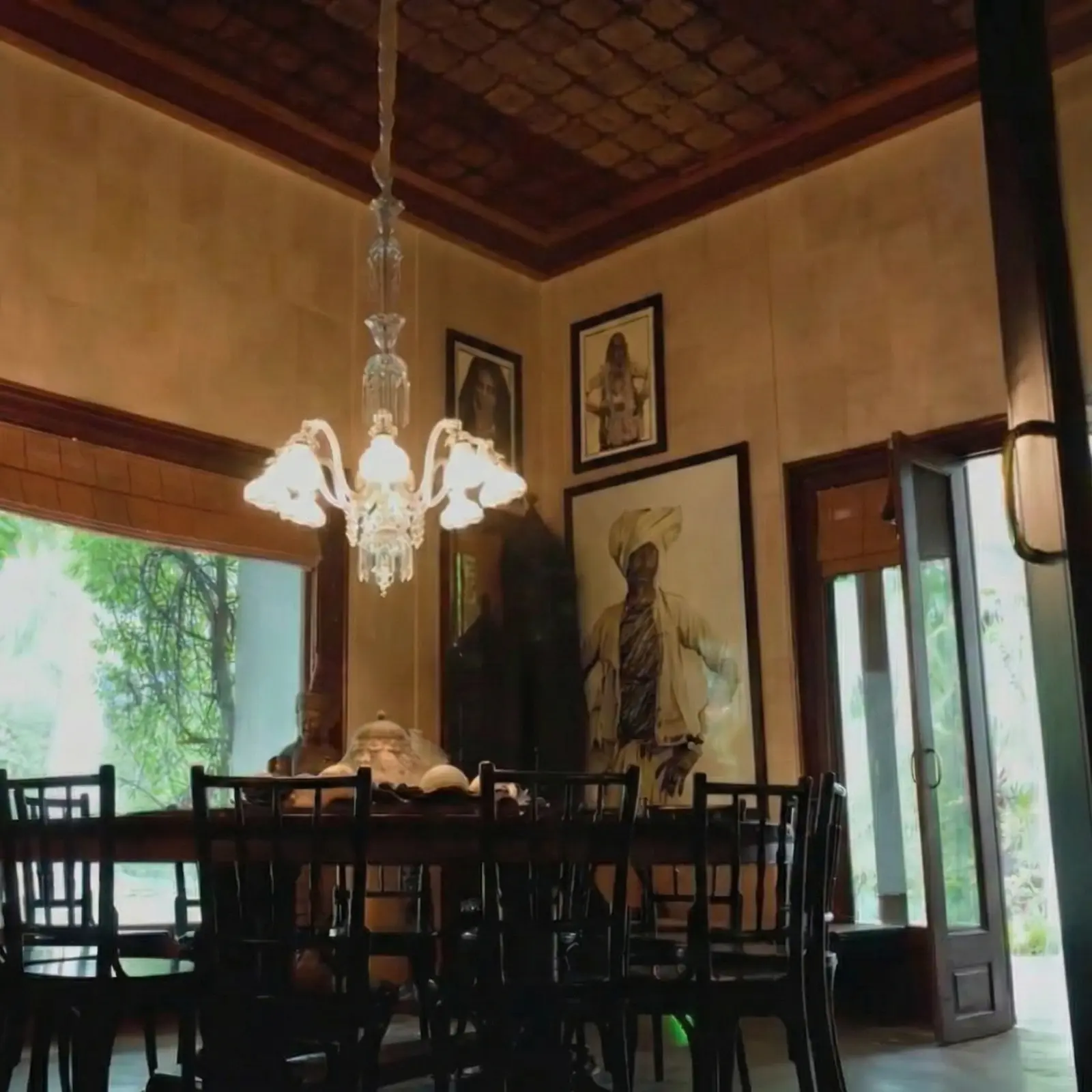
The most convincing homes have one thing in common: they do not look like they were completed on a Friday. They feel lived-in without being messy, composed without being staged. There is a quiet confidence in rooms that reveal themselves gradually. You can sense the passage of time, not as a theme, but as proof.
“Styled” rooms tend to announce themselves all at once. Everything matches. Everything is new. Everything is trying. The palette is perfect, the proportions are tidy, the accessories are evenly spaced. It photographs well, but it doesn’t always breathe well.
“Collected” is different. Collected means the room has memory. A chair that stays because it earns its place. A textile that softens because hands have touched it. A table that carries small marks, not damage, but evidence. The point is not nostalgia. The point is permanence.
The difference is in the pacing
When a room is styled, it often begins with a look and then hunts for objects to fill it. When a room is collected, it begins with life: how the mornings move, where the light falls, what people reach for without thinking.
That pacing changes everything. It makes you more selective. It also makes you less anxious. A collected room can tolerate absence. It can wait.
Objects should earn their place
In a collected interior, objects are not props. They are participants. The test is simple: if you remove the object, does the room lose something real, or only lose decoration?
This is why permanence matters. A well-made piece is not only beautiful. It has stamina. It can be repaired. It can move homes. Over time, it becomes part of the architecture of your life.
A home is allowed to be unfinished
The pressure to finish a room quickly is modern. A home is built, not installed. A room is a place you return to, not a project you complete.
The reward is a home that feels inevitable. Not because it followed rules, but because it followed a life.
— RS Studio