The Room That Waits
Why empty space is often the most refined decision in a chaotic world.
There is a particular kind of room that resists urgency. It does not ask to be filled, styled, or resolved. It waits. In homes of lasting architecture — from the Victorians of San Francisco to the sprawling estates of Saratoga — these rooms appear naturally. A corridor with rhythm. A landing touched only by light. A space between rooms that exists not for use, but for pause.
Modern interiors often confuse completion with success. Rooms are often furnished before they are understood. Walls are explained too soon. But in the Bay Area, where the pace of life is relentlessly forward-moving, the most enduring Bay Area interior design approaches understand something quieter: not every room needs a purpose immediately.
The room that waits is not unfinished. It is intentional. It allows architecture to speak before objects interrupt. In these spaces, California light becomes the primary furnishing. Shadow defines mood. Silence becomes a design element rather than an absence.
When Architecture Leads
Classical buildings have always allowed for moments of restraint. Long galleries, axial hallways, transitional chambers. These were not decorated aggressively. They existed to slow movement, to recalibrate the eye, to prepare the body for what came next.
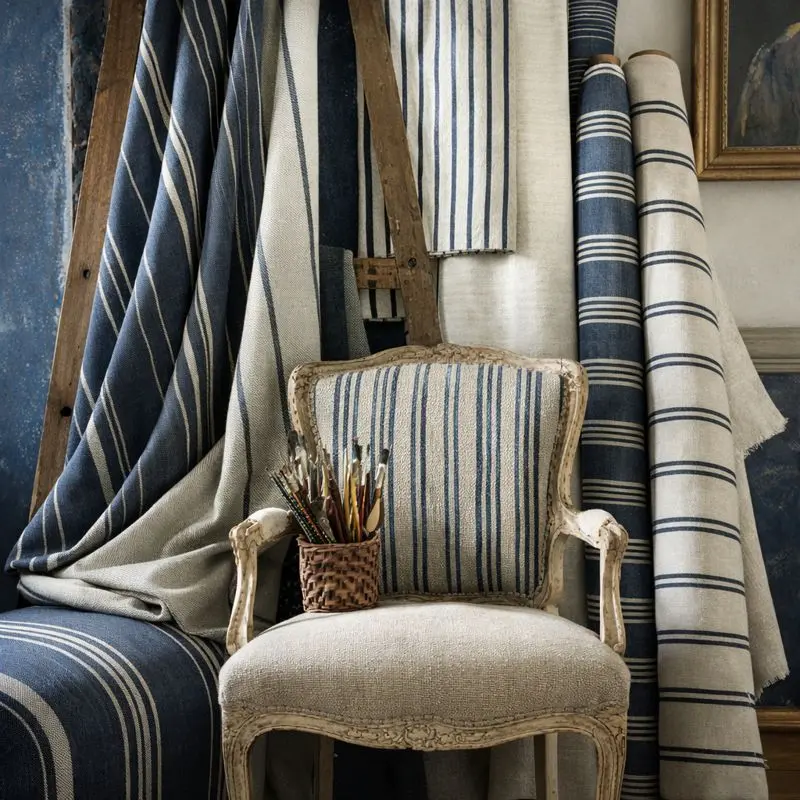
Across the Peninsula and South Bay, this principle is often forgotten. Transitional spaces are rushed through with consoles, mirrors, benches, and excess lighting. Yet when left undisturbed, these areas regain their original dignity. A hallway becomes ceremonial. A threshold becomes memorable. A single chair placed with intention does more than a console crowded with objects.
At RS Studio, we often recommend waiting before placing furniture. Living with the architecture first. Watching where the sunlight falls in the afternoon. Noticing which corners draw the eye without assistance. What emerges is rarely emptiness. It is clarity.
The Discipline of Restraint
Restraint is not minimalism. It is discipline. Minimalism removes. Restraint withholds. The difference is emotional. Withholding implies confidence. It suggests that the home does not rely on display to feel complete.
A single sculptural element placed months later will always feel more intentional than ten items added on move-in day. Time becomes a collaborator. The right hand-knotted rug, the right piece of seating — each earns its place rather than filling a gap.
This is how houses begin to feel collected rather than decorated. The room that waits teaches patience, and in doing so, becomes the most powerful space in the home.
The Quiet Register
Hallways and corridors should not be over-furnished. Their role is procession. When left restrained, they heighten anticipation and lend gravity to the rooms beyond. If a piece is needed, one grounded console is sufficient.
A landing touched by natural light often needs nothing more. These spaces benefit from stillness, allowing the architecture to carry emotional weight without interruption. A natural fiber rug and nothing else is often the correct answer.
A room without an assigned function is not a failure of planning. It is an invitation. Some rooms reveal their purpose only after the house has been lived in. When that moment comes, our design service begins with what the room has already told you.
Common Questions
What is quiet luxury interior design?
Quiet luxury is restraint made visible. It favors natural materials — solid wood furniture, wool, linen, hand-knotted rugs — over decorative excess. A room designed with quiet luxury has nothing that argues for attention and nothing that feels temporary.
How do you design a room with restraint?
Live with the architecture first. Watch where the sunlight falls in the afternoon. Notice which corners draw the eye without assistance. Add pieces in layers over time rather than all at once. A single sculptural element placed months later will always feel more intentional than ten items added on move-in day.
What furniture works in a transitional space or hallway?
Hallways and corridors should not be over-furnished. Their role is procession. If a piece is needed, one grounded console or a single chair with correct scale is sufficient. Visit our Saratoga showroom with your room dimensions and we can help you find the right piece.
When you are ready, visit our Saratoga showroom — serving Los Gatos, Los Altos Hills, Atherton, Woodside, Menlo Park, and select coastal homes in Santa Cruz. Or begin with a design consultation.
REEVA SETHI, founder and principal designer of RS Studio, designs interiors rooted in proportion, patience, and permanence. Based in Saratoga, CA, she serves clients across the Bay Area who seek refuge from the noise through spaces that endure.