The Classic Aesthetic
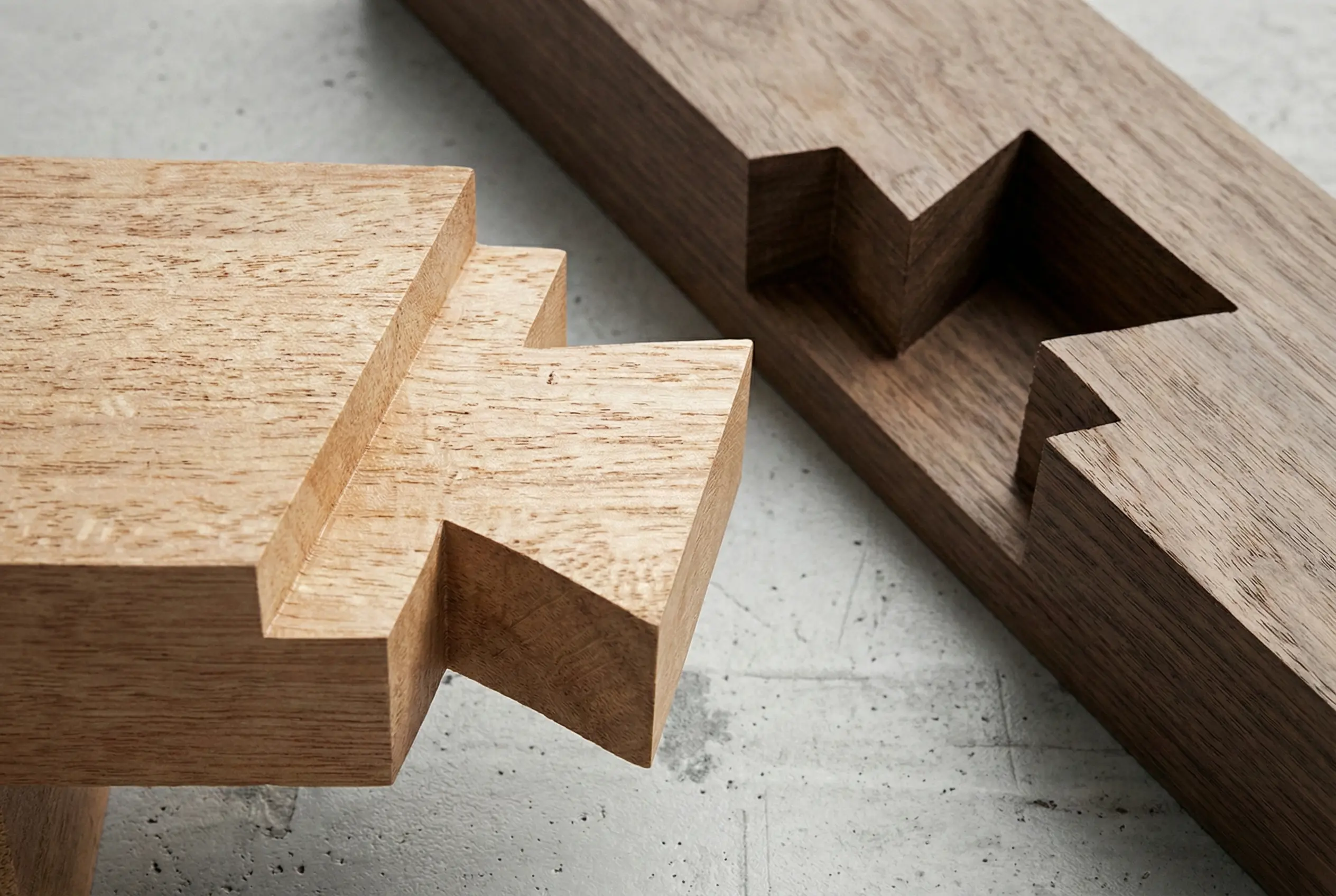
The classic aesthetic is not about nostalgia. It’s about transitional methods, restraint, and rooms that feel right before you can explain why.
Centuries ago, architects understood that beauty emerged as a byproduct of concinnitas—the absolute integration of balance, usefulness, and harmony. Today, science and intuition confirm what we already know instinctively: we are calmer, happier, and more at ease in places shaped with deliberate intention.
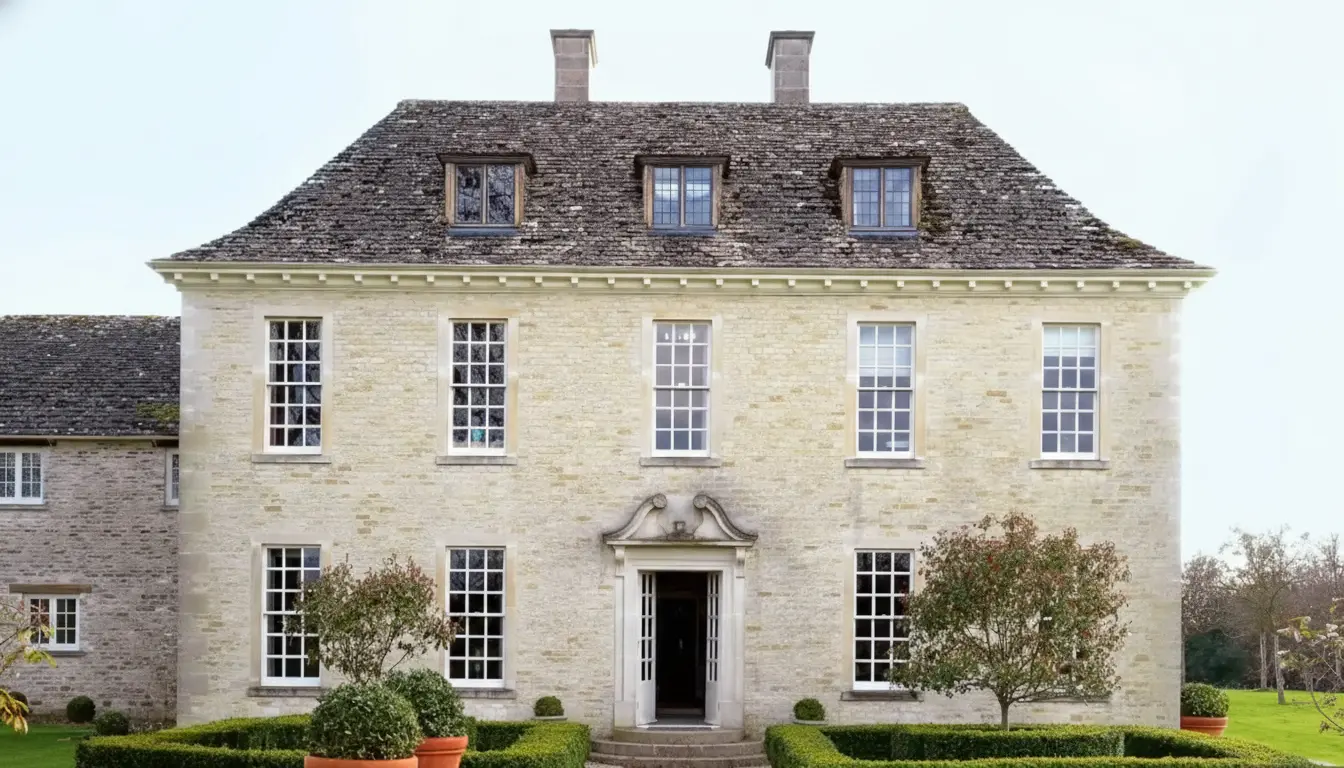
As our cities grow increasingly vertical and sterile, human scale and the “grammar” of building are often the first elements sacrificed to efficiency. Proportion gives way to speed. Ornament yields to utility. Which is why the home matters more than ever. Regardless of style or geography, classical principles can be introduced quietly through transitional methods—not to recreate a museum of the past, but to create spaces with character, intrigue, and lasting elegance.
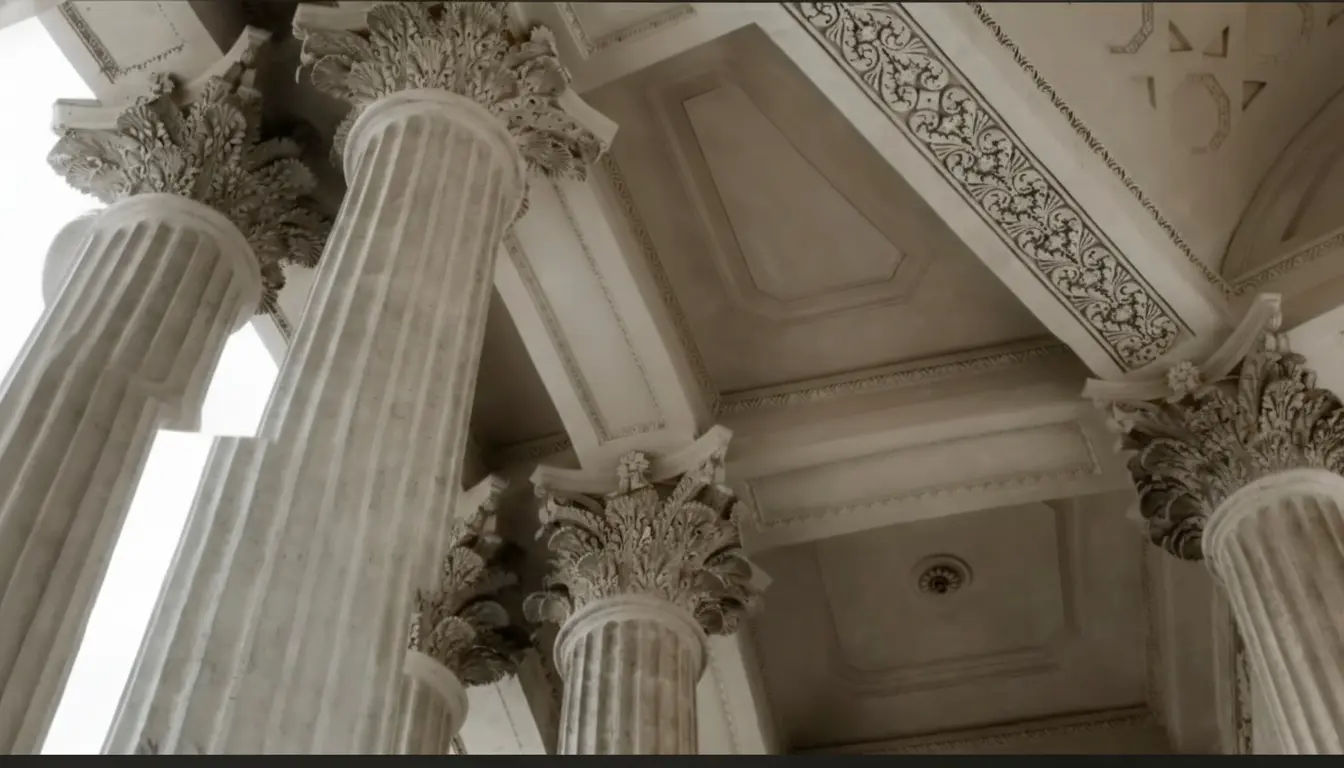
The Italian architect Leon Battista Alberti articulated that beauty resides in the stability of lines and the harmony of angles. But he also understood that restraint alone is not enough. He identified the necessity for brightness and embellishment. This is the art of ornamentation: the strategic placement of pilasters, curated columns, and sculptural highlights. The result is an interplay of symmetry, fractals, and the Golden Spiral—providing that “added touch of surprise” that rewards the eye.
Transitional Fundamentals: The Envelope
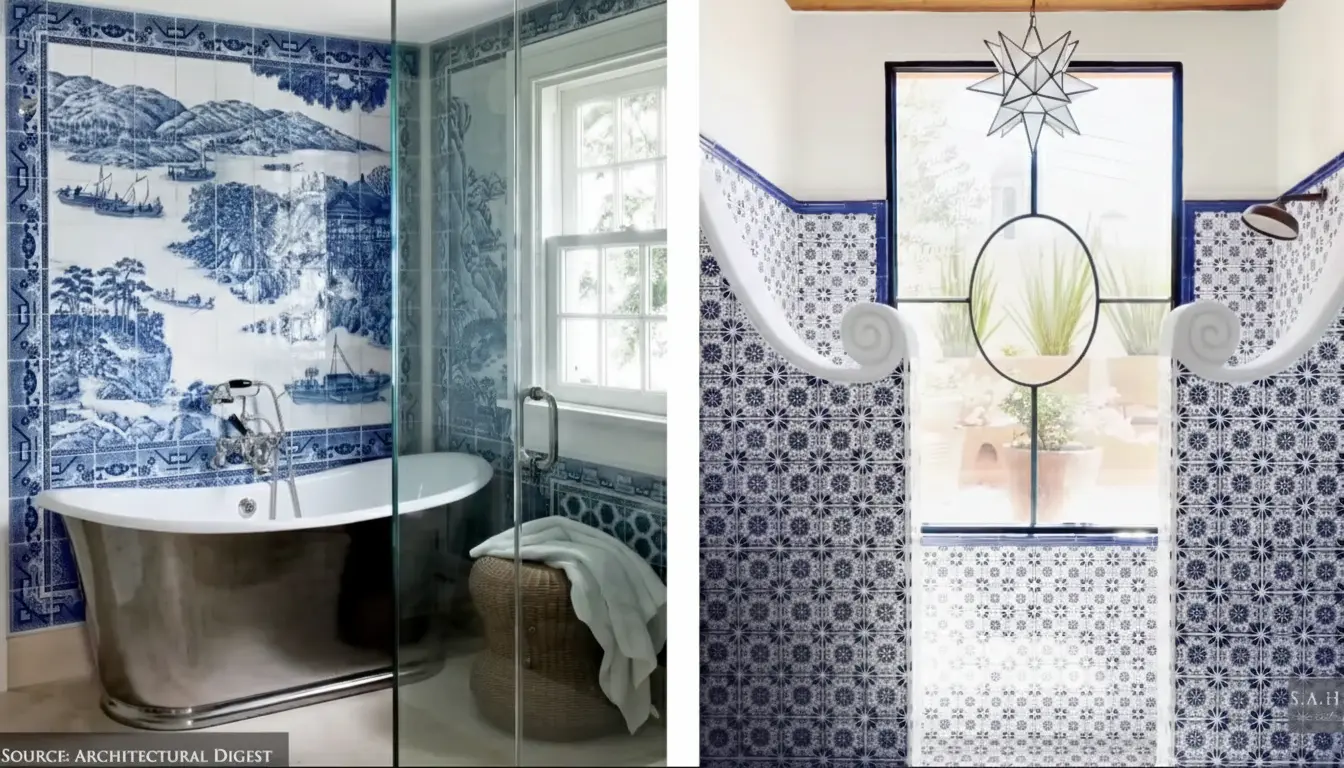
These principles are first felt in the envelope of a room—the surfaces that quietly hold everything else in place.
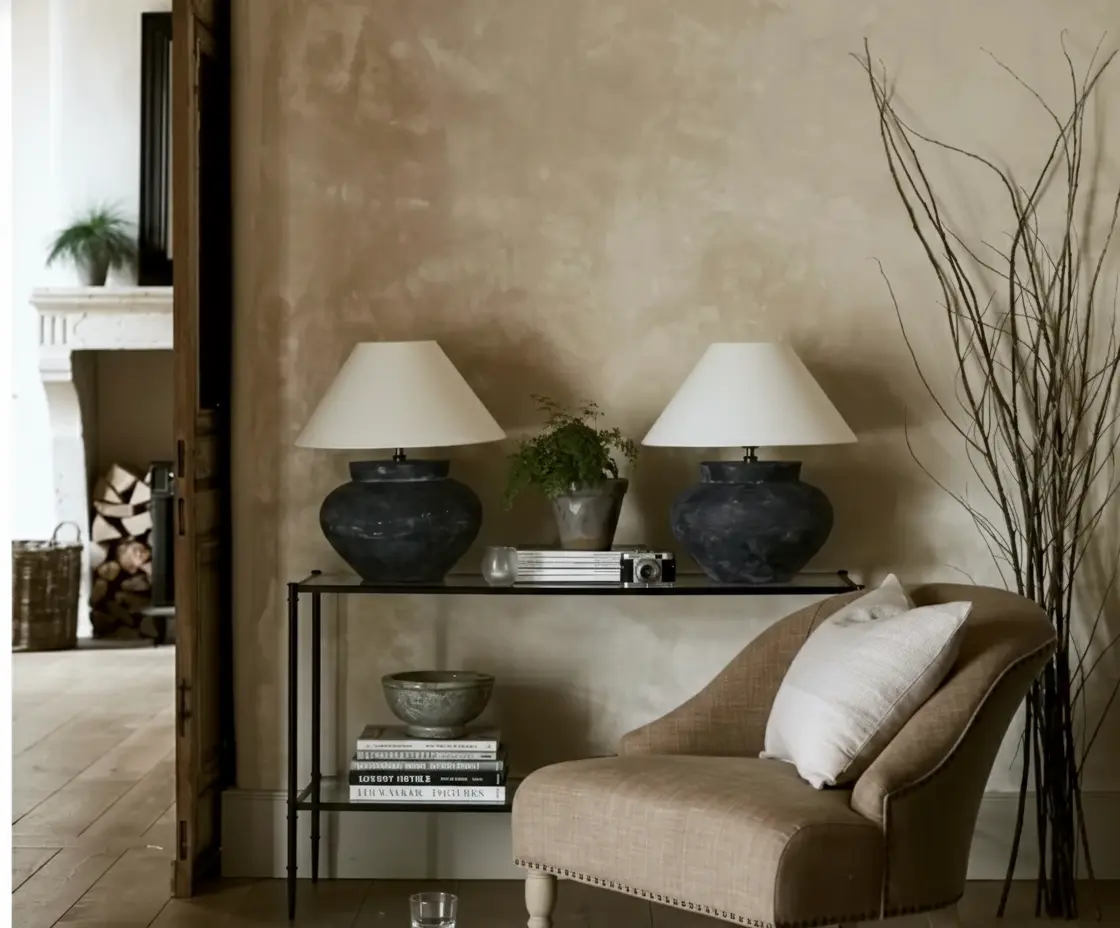
- Wall Treatments: Venetian lime wash, Roman clay, and matte textures introduce depth through the play of light.
- Millwork & Trim: Chair rails, crown molding, and picture-frame moldings establish rhythm and proportion.
- Paneling: Board and batten and wainscoting divide surfaces into balanced, architectural intervals.
- Tile & Stone: Marble and limestone gain movement through chevron and herringbone layouts.
- Friezes: Horizontal bands that bridge structure and ornamentation, rooted in Greco-Roman tradition.
The Fifth Wall & Woven Texture
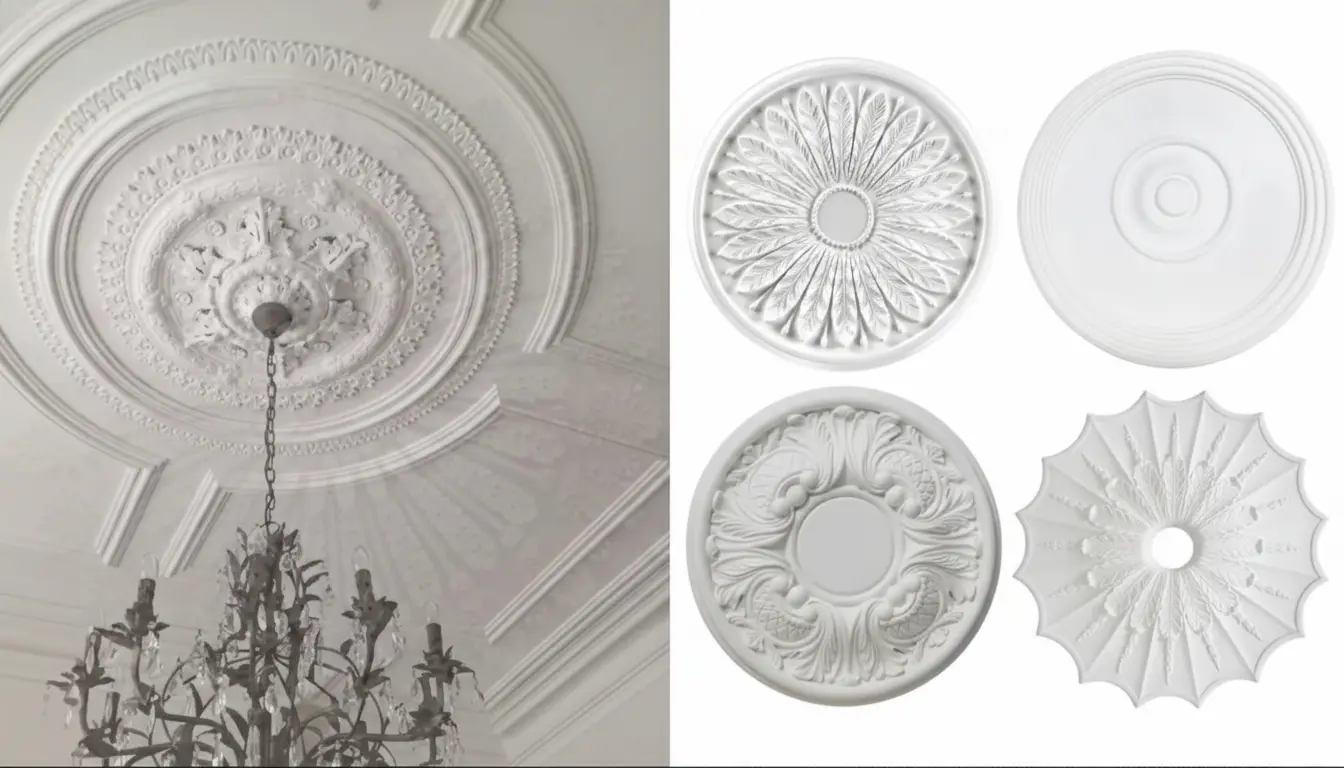
In classical interiors, the ceiling was never an afterthought. It was treated as architecture, not surface. Coffers, vaults, and reliefs transform the overhead “Fifth Wall” into an extension of the room’s narrative. Sunken geometric panels create depth and shadow, while medallions provide a curated focal point that guides the eye upward.
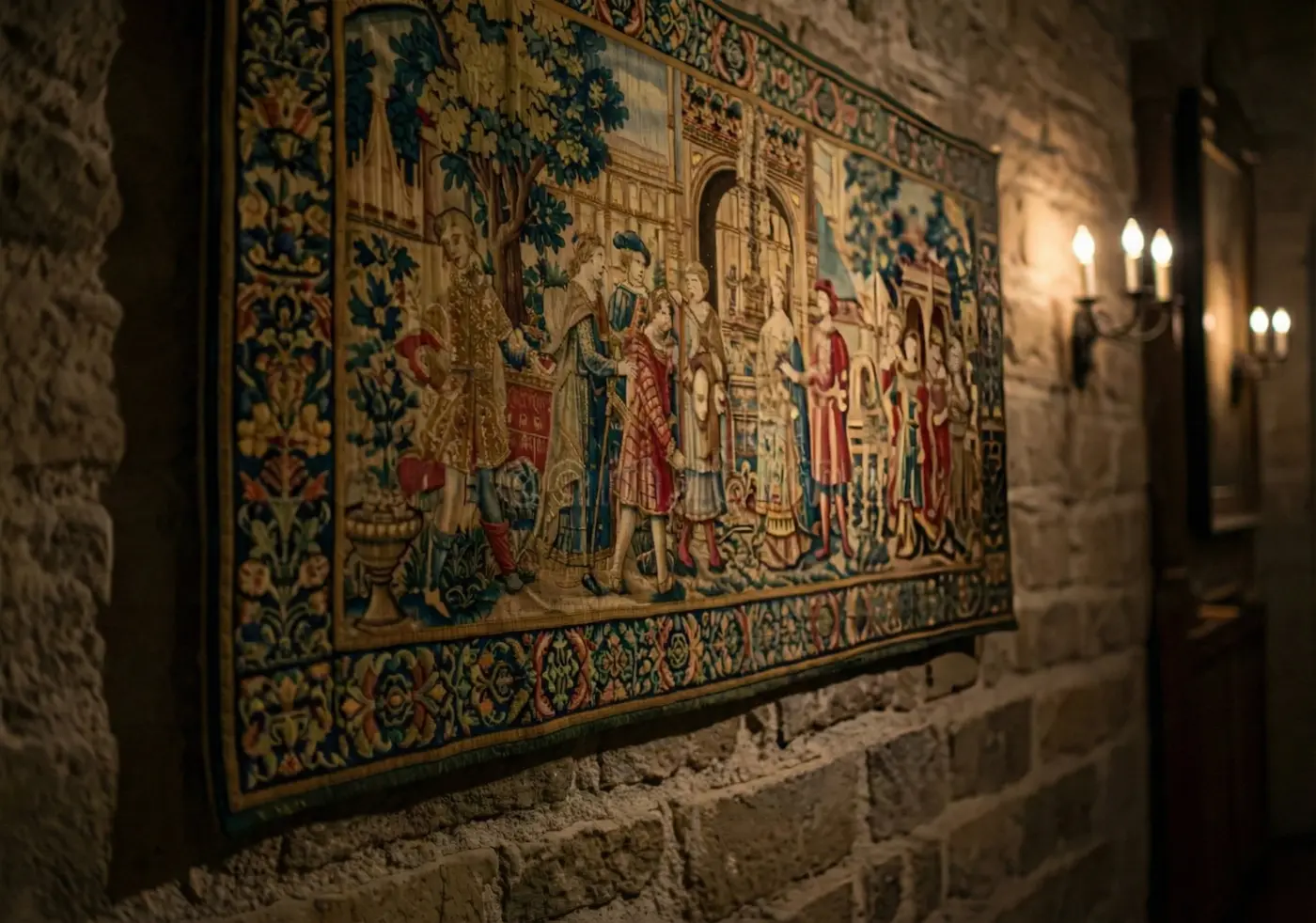
Essential to this layering is The Art of the Tapestry. Historically used to soften manor halls, tapestries remain a primary tool of transitional ornamentation. They introduce a soft complexity—a woven narrative that changes the acoustics and mood of a room, serving as a focal point that establishes a sense of weight and legacy.

The Biological Impact of Beauty
What impact does the ornamentation seen in classical structures have on humans? When we encounter the symmetry and fractals of the classic aesthetic, our brains perceive a form of environmental safety. This is how the “added touch of surprise” rewards the eye without overwhelming the senses.
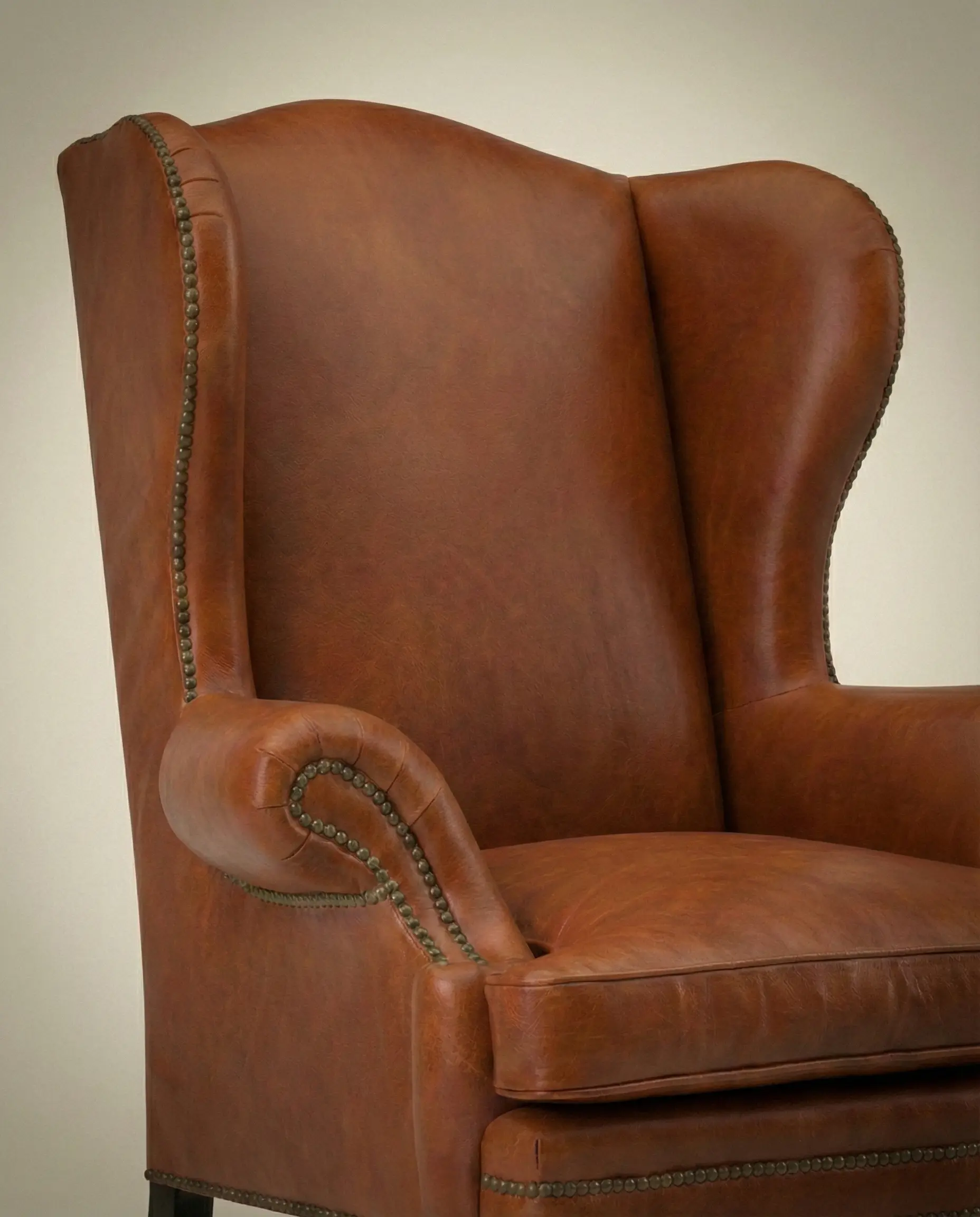
To embrace these principles within the home is to prioritize a sense of permanence. By striking the right balance between structural order and artisanal detail—columns, sculpture, woven art—we create spaces that do more than house our lives. They sustain our spirit. Because beauty isn't extra. It’s how a home holds you.
REEVA SETHI, founder and principal designer of RS Studio, creates interiors rooted in classical proportion and material restraint. Her work reflects Northern California light, favoring permanence, craftsmanship, and composed spaces designed to endure beyond trend.