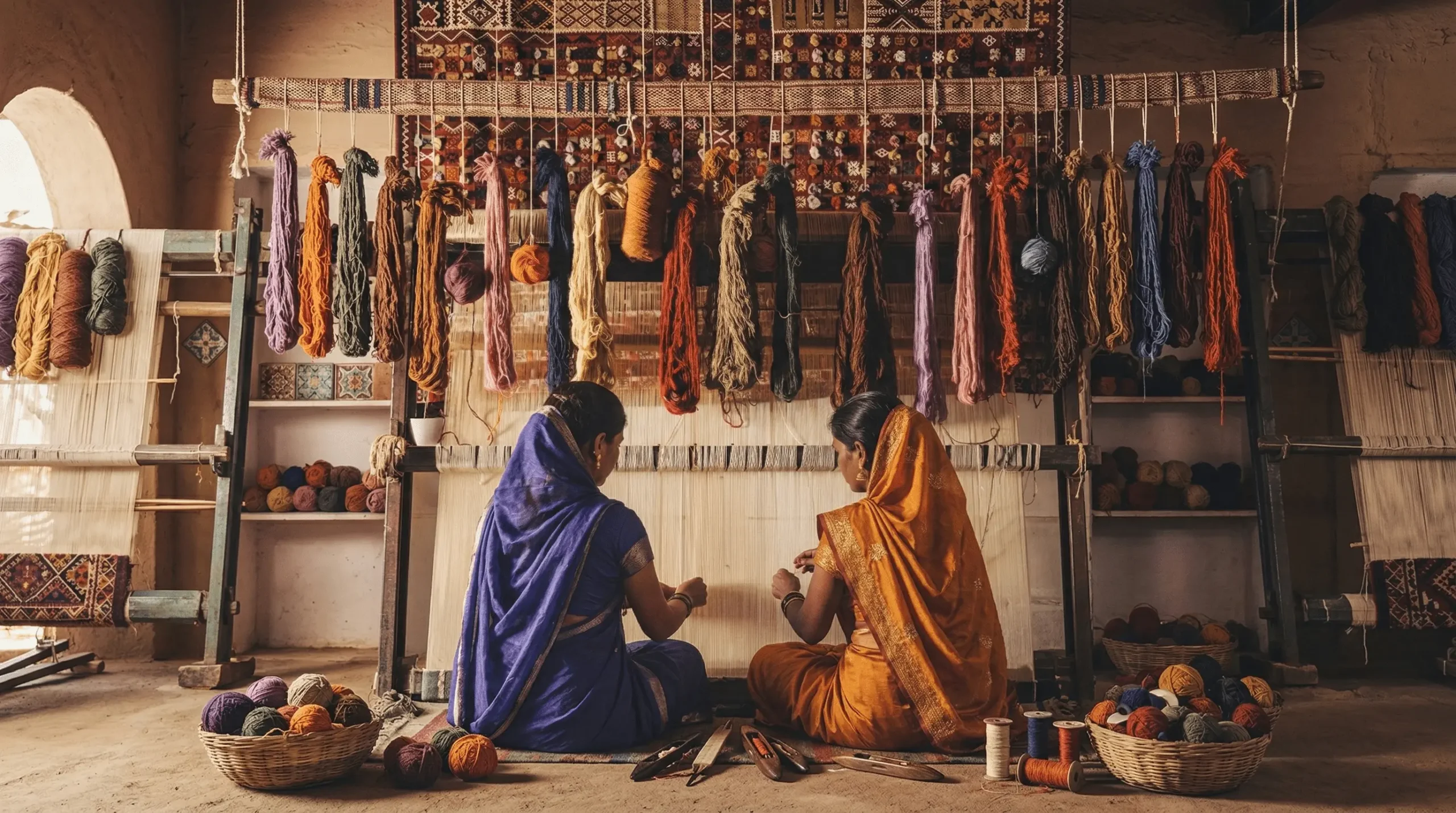
There is a weaver in a workshop right now. She has been at the loom for fifteen years. She can read a warp the way a musician reads time. She knows the weight of thread before she touches it. She knows which dyes from which plants produce which colours, and which mordants make them last beyond a season. This knowledge is precise. It is practical. And it exists, at this moment, almost entirely in her hands.
That is what makes craft fragile and powerful at once. The object may survive. The hands do not. The real inheritance is not only the finished piece, but the judgement behind it: when to tighten, when to stop, when to choose one material over another, when to accept variation rather than force uniformity. A tradition remains alive only while that judgement is still being carried forward.
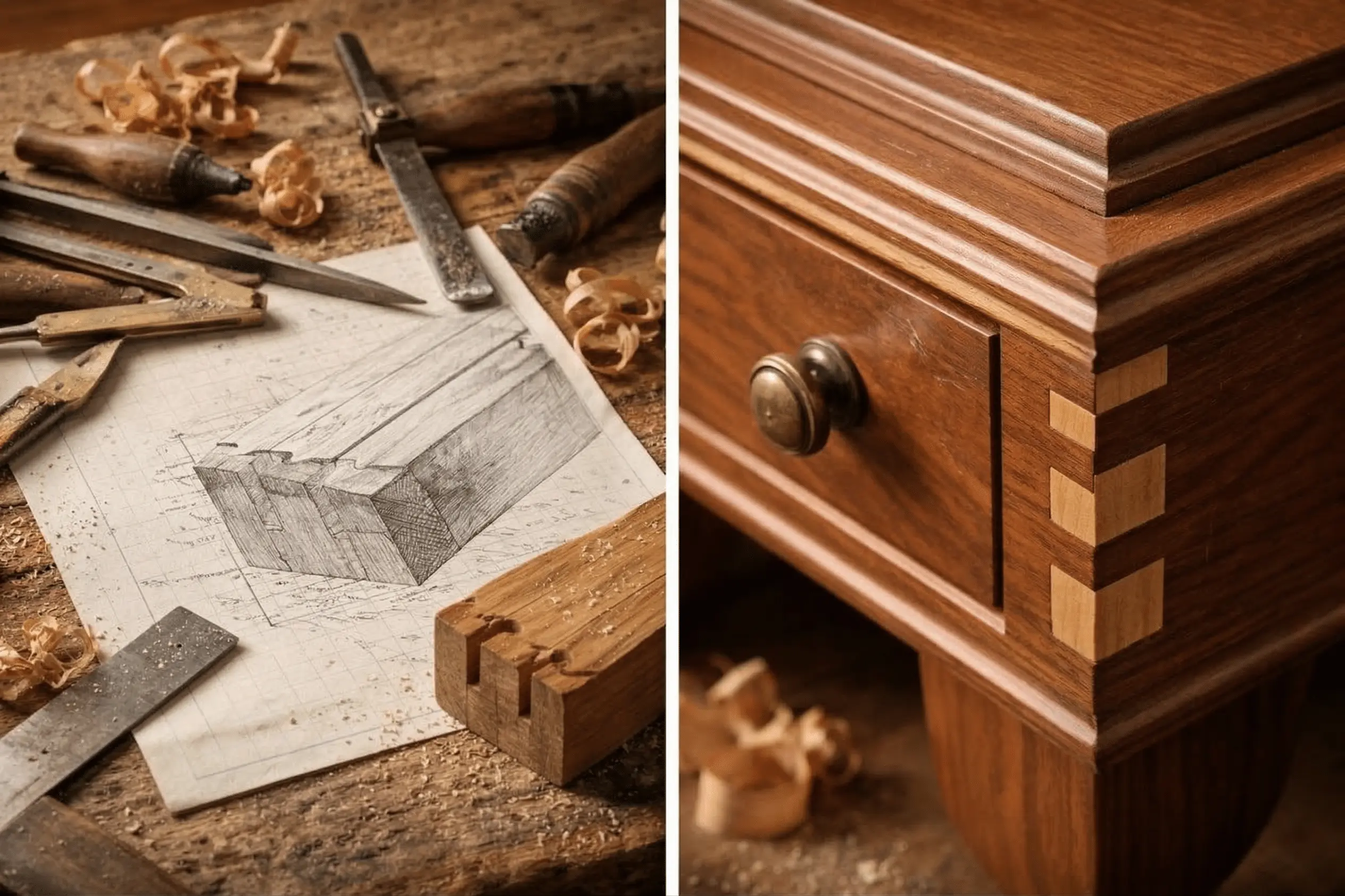
The Problem Is Not That People Have Forgotten
The problem is not that people stopped valuing beautiful things. Many still do. The problem is more specific. The knowledge of how to make enduring objects, tested across generations and refined through repeated correction, is increasingly concentrated in fewer hands. Much of it once moved through apprenticeship systems that were slow, demanding, and deeply human. Where those systems narrow, the tradition narrows with them.
France is a useful example, but not for the lazy reason people assume. The point is not that craft there is gone. It is not. Aubusson remains a living tapestry tradition, and the Gobelins and Beauvais manufactories still continue. The lesson is narrower and more serious: even extraordinary traditions can contract into smaller, more protected structures when the chain of transmission weakens. Once that happens, survival depends on fewer hands carrying more weight.
In many workshop-based regions of India and elsewhere, that chain still survives more directly in daily production. That is precisely why living traditions should be valued while they are still active, not only once they have been reduced to heritage.
The sociologist Richard Sennett writes about what apprenticeship transmits as tacit knowledge: skill that begins as conscious effort, becomes habit through repetition, and then must be drawn back into conscious attention when a new problem requires it. A weaver learning a complex warp structure thinks about it deliberately at first. Then it disappears into the body. But when something resists — a different loom, a different thread weight, an unfamiliar humidity — the knowledge has to surface again. To be examined. Adapted. This is not a flaw in the system. It is the system. And it is exactly why craft cannot be transmitted by instruction alone. The knowledge has to be experienced in the making, and the making has to be done slowly enough to allow for that examination when it comes.
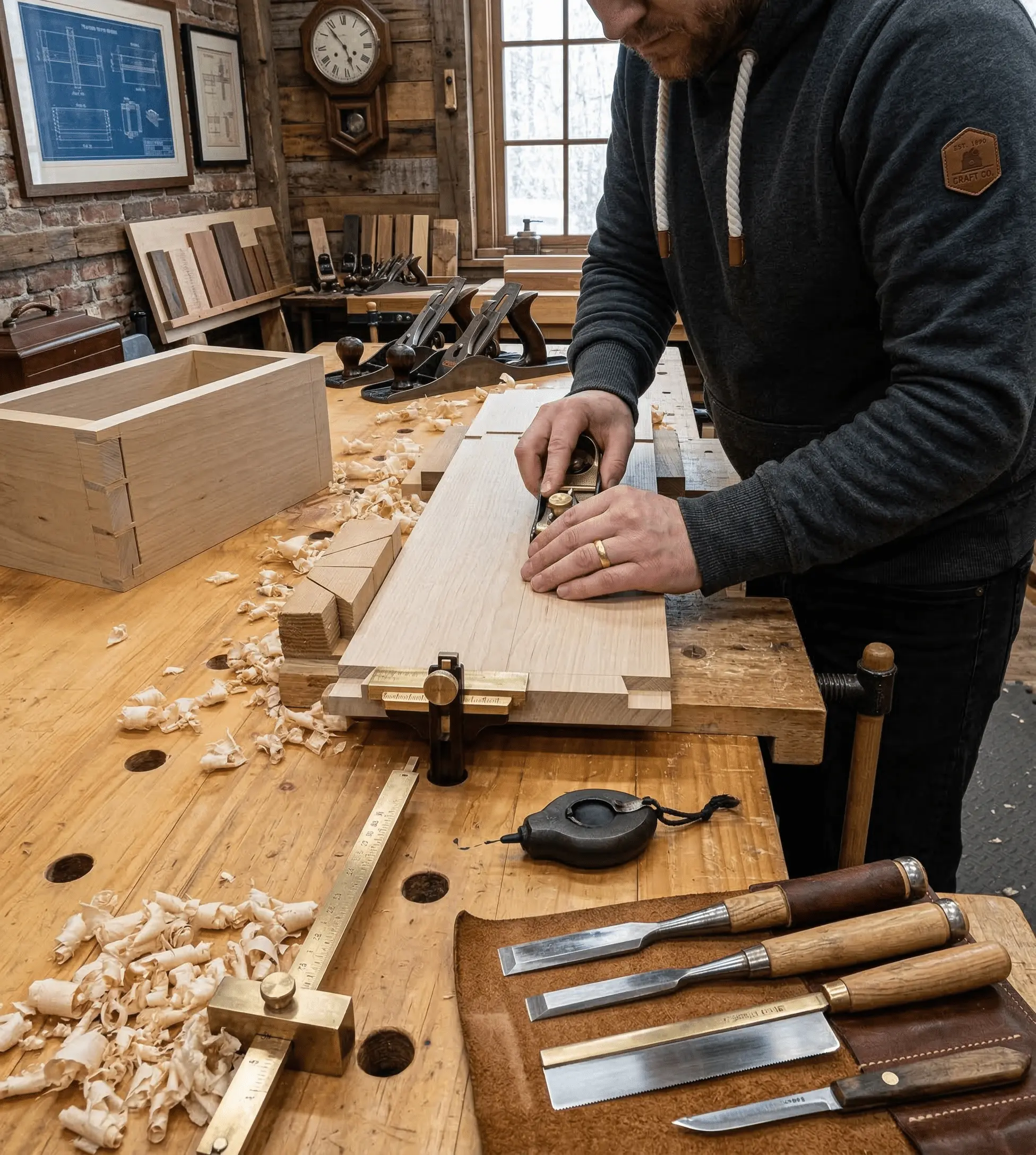
Preservation Alone Is Not Enough
A museum is very good at one thing. It keeps objects from deteriorating. A sixteenth-century tapestry, properly stored, can survive for centuries. But the object in the case is mute about its own making. The warp count can be recovered. The dye sources can sometimes be identified. What cannot be fully recovered is judgement: the adjustment that gives a surface its life, the instinct that distinguishes one workshop from another, the intelligence of the hand at work.
A museum preserves what was made. A living tradition preserves how to make it.
— RS StudioThis is why preservation alone is not enough. A tradition remains alive only when it is practiced, taught, and used. Skill has to continue moving from one person to another. It has to remain visible in the room, underfoot, at the table, in the pull of a drawer, in the way a surface ages after years of touch.
None of this requires rejecting technology. Machines, documentation, and digital tools can help preserve patterns, widen access to knowledge, and connect makers to patrons they might never otherwise reach. But they do not remove the need for judgement. They do not feel tension in a weave, read moisture in timber, or know when a hand-finished surface has reached the point where it should be left alone. Technology can assist craft. It cannot stand in for the human intelligence that makes craft meaningful.
Each carries what the others cannot.
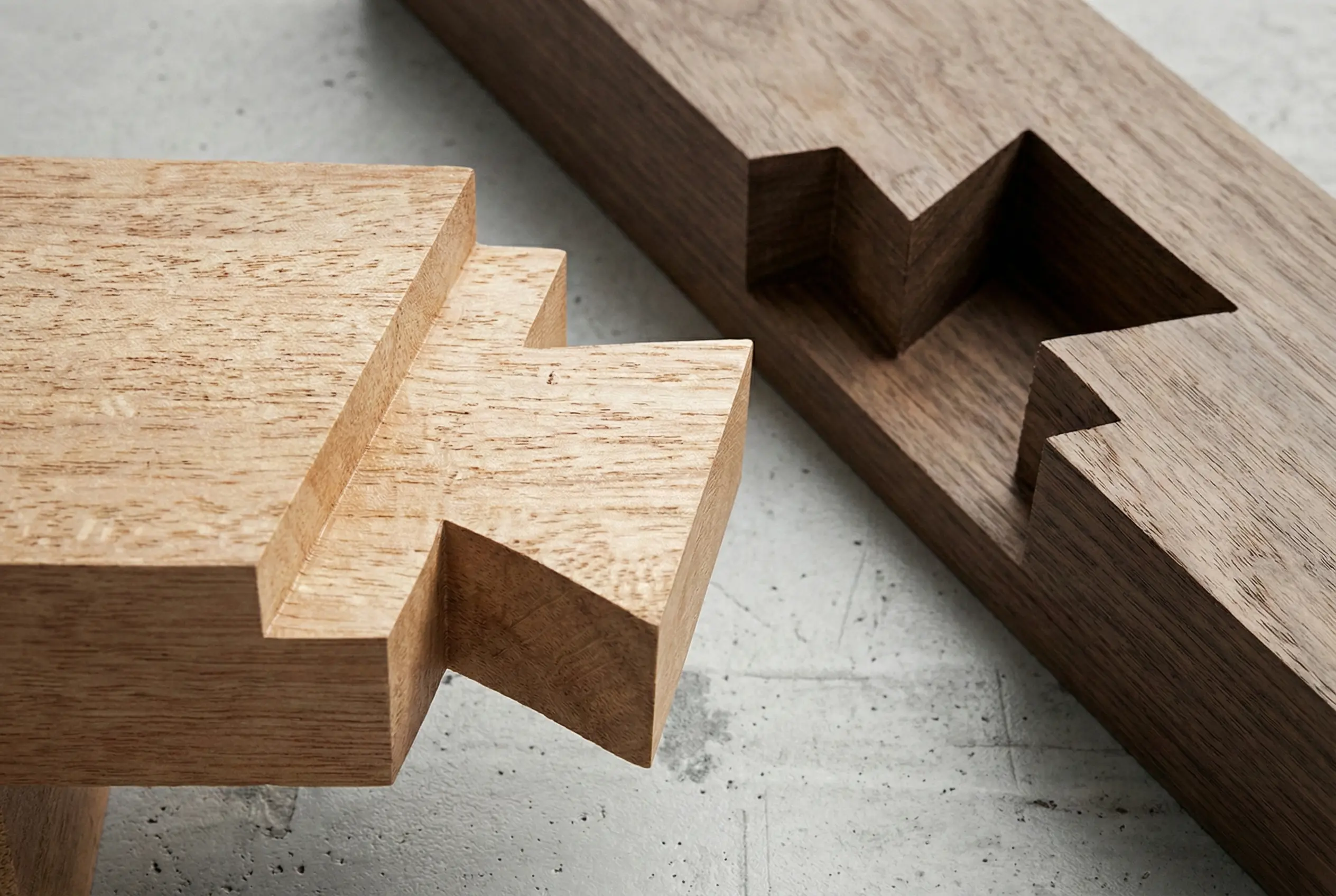
Skill survives first in practice. A master joiner cutting a mortise, a weaver setting tension, a dyer reading colour in wet thread. The knowledge stays alive while the making continues.
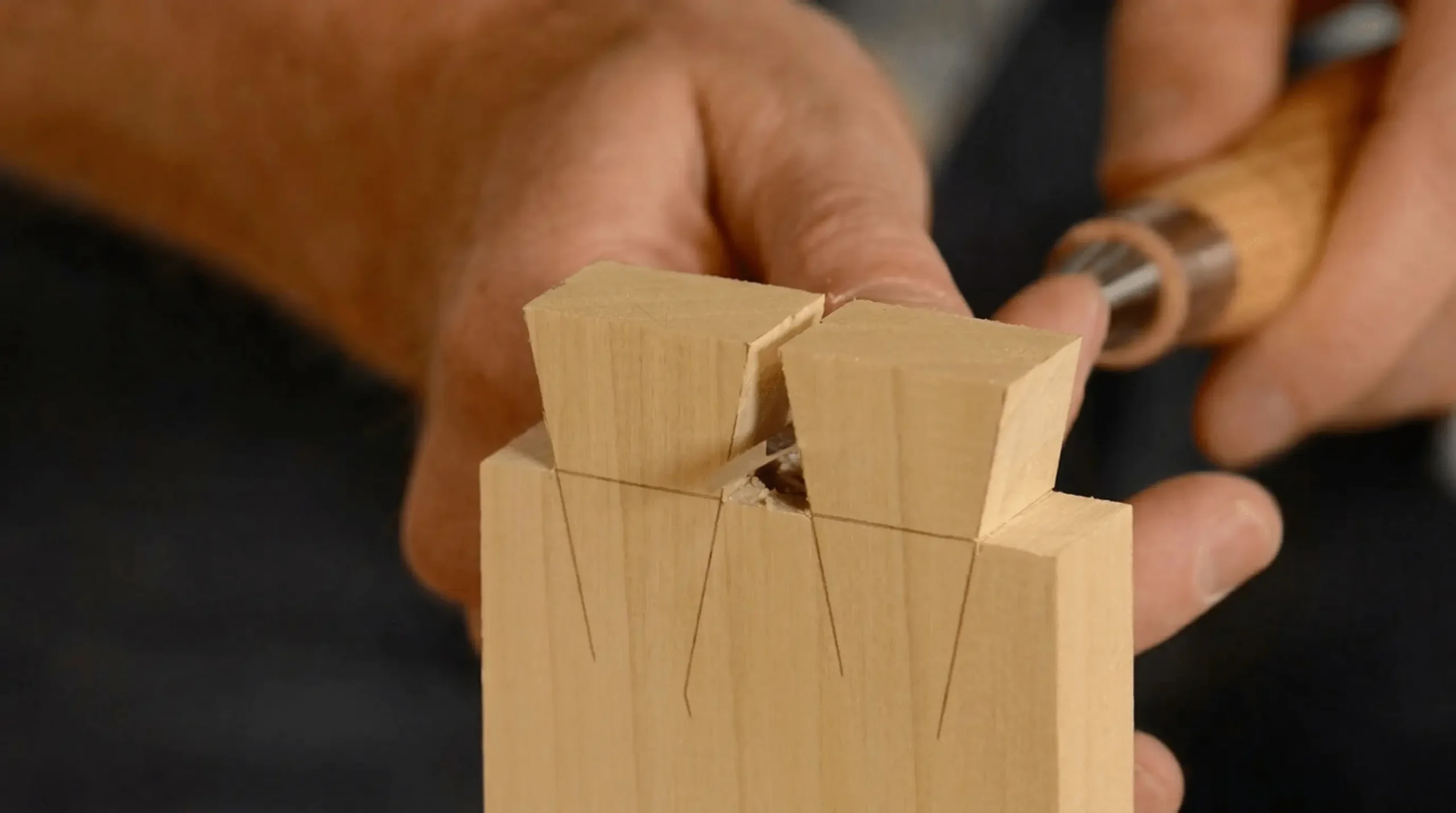
A technical drawing of a weave structure or a joinery sequence makes form legible. It does not replace skill. It gives the next maker a way in.
Not just what is done — why. Why one timber is chosen over another. Why one tension changes the finished cloth. The reasoning allows a tradition to be carried forward rather than merely copied.
A tradition becomes fragile when it is admired but no longer lived with. It strengthens when people continue to choose it for daily life.
Craftsmanship is inherently slow. This is not a limitation. It is the mechanism. Slowing down allows the mind to dwell on what the hands are doing — to catch the error before it compounds, to make the correction that the next practitioner will inherit. Speed produces volume. It does not reliably produce judgement. A practitioner working quickly executes. A practitioner working slowly considers. The difference shows up decades later, in the joint that still holds, in the cloth that still has its handle, in the surface that has aged into itself rather than deteriorated.
Craft Is a Collective Act, Not an Individual One
The modern culture of innovation often positions the maker as a solitary genius who breaks from tradition to produce something entirely new. Craftsmanship is the opposite. It is a collective, additive process — centred on the workshop, built on shared knowledge, and dependent on what came before. The master joiner who learned from a master joiner who learned from another is not being conservative. Each is adding precision, refinement, and new solutions to a body of knowledge that grows more useful with every generation that contributes to it.
Craft resists the shallow idea that the new thing is automatically the better thing. It builds on what exists. When Chippendale and Hepplewhite helped widen the reach of good furniture by making refined design more legible beyond a narrow inner circle, they were being additive, not disruptive. Chippendale's The Gentleman and Cabinet-Maker's Director, published in 1754, and Hepplewhite's Cabinet-Maker and Upholsterer's Guide, first issued in 1788, did not replace skill. They widened access to design language, proportion, and precedent. Good furniture did not become more reachable because skill became easy. It became more reachable because taste became more legible.
That lesson still holds. A digital archive, a technical drawing shared across continents, or a modern production tool can extend the reach of knowledge in the same way a pattern book once did. The serious question is not whether technology should exist within craft — it already does. The question is whether it is being used to deepen understanding or to flatten it.
Chippendale and Hepplewhite did not weaken craftsmanship by widening access to design. They helped refined furniture travel beyond a narrow circle of workshops and patrons.
— RS StudioCraft Has To Be Lived With
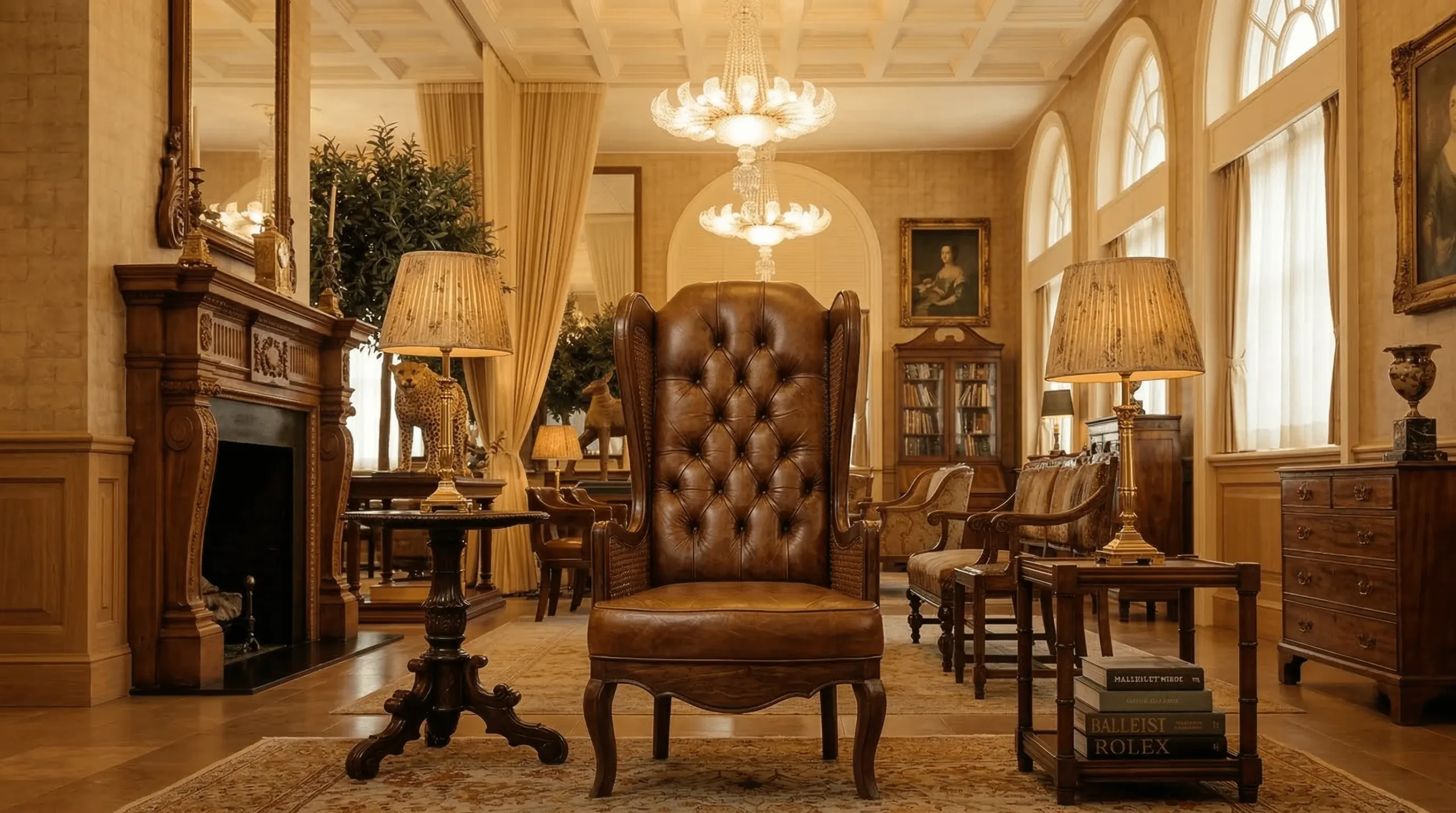
This is the mistake modern people make. They treat craftsmanship as something to admire from a distance, as though beauty becomes more important once it is protected from life. But the deepest argument for craft is not preservation. It is use. A handwoven rug underfoot. A chair whose arms soften with time. A wood surface that gathers light differently after years of touch. A brass pull that darkens where the hand returns. Patina is not damage. It is evidence that an object has entered life and stayed there.
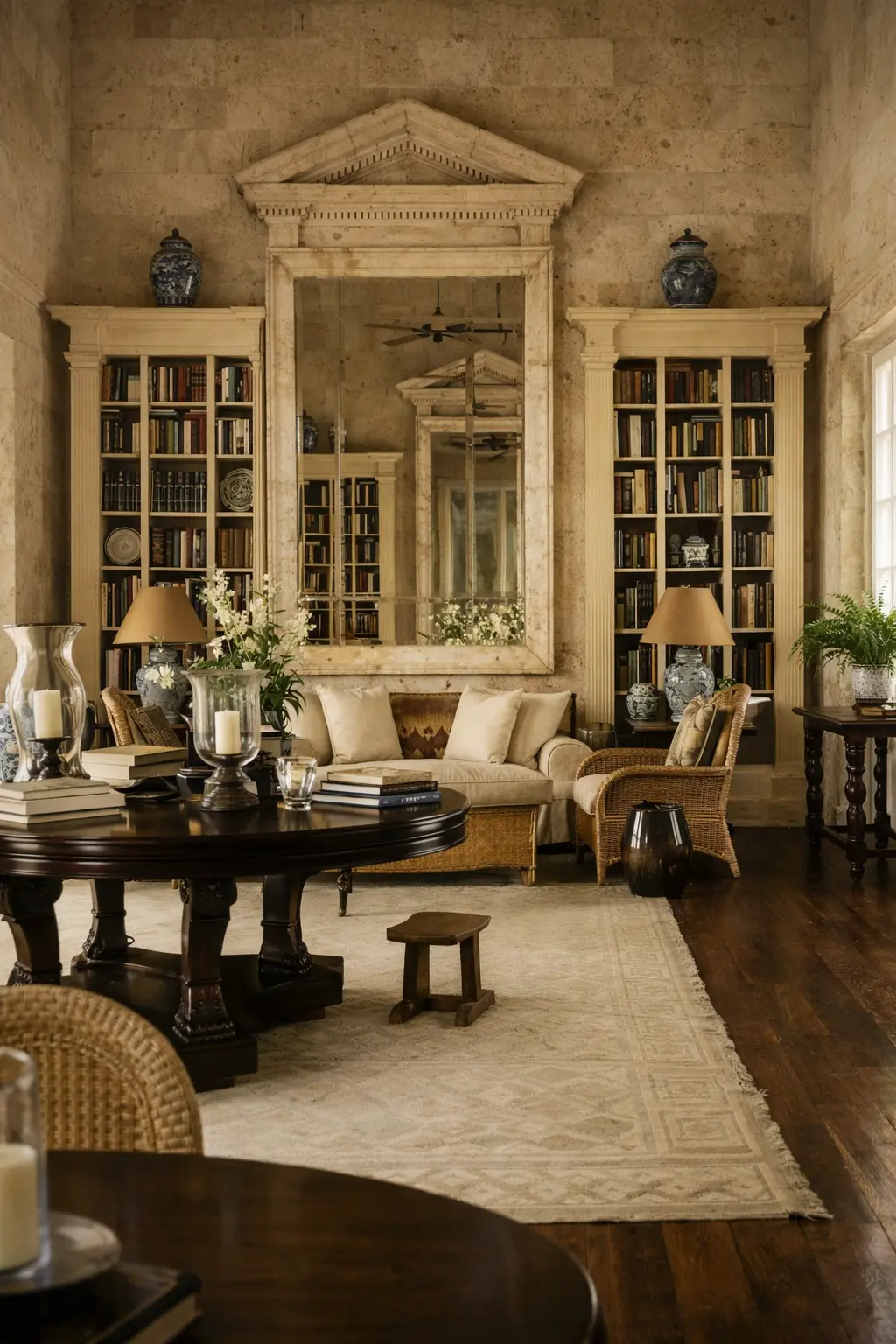
Good crafted objects give a room order, weight, texture, and memory. They add depth without noise. They make a place feel more exact, more settled, more human. A room with too many meaningless things feels crowded. A room shaped by a few enduring things feels complete.
There is something more precise to say about this. Being deeply involved in making an object leaves something in it — not in a mystical sense, in a practical one. When a maker has spent years learning how a material behaves, that understanding enters the object through every decision made in its construction. The timber chair built by someone who has felt how teak moves across seasons carries that knowledge in its proportions, its joinery tolerances, its finish. The hand-woven rug carries it in the consistency of its pile, the evenness of its selvedge, the way it responds underfoot. The object is not merely a product. It is the record of accumulated judgement.
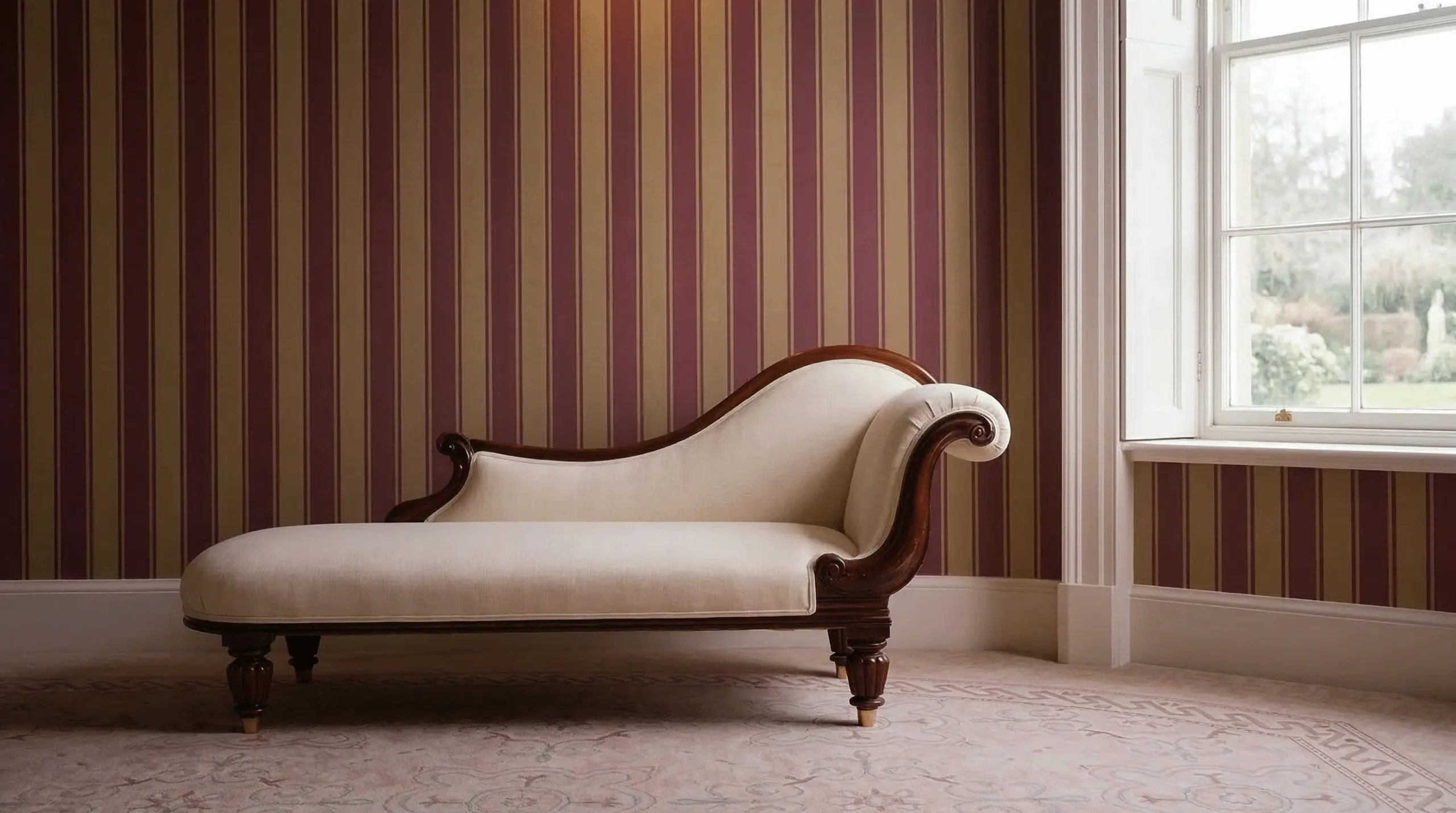
Every choice to live with craft is a choice to keep craft alive.
— RS StudioWhat We Do at RS Studio
Reeva Sethi Home works with workshops that still practice traditional methods, while also recognising that good adaptation is part of keeping any tradition alive. We carry hand-woven rugs from weavers who learned through years of practice. We source timber furniture from makers who still cut joints by hand. We bring woven tapestries, jacquard blankets, and natural home goods into the collection because the knowledge behind them is still active and worth supporting. The goal is not to freeze craft in time, but to help it remain alive, relevant, and respected in the present.
This is where craft lives. Not in storage. Not in nostalgia alone. In homes. In use. In rooms shaped by patience, patina, proportion, and things made well enough to stay. The modern world may grow faster, more digital, and more automated, but the human need for beauty, tactility, and material truth does not disappear with it.
Craft at its deepest is a life's work. Not a project. Not a portfolio. Not a career phase. A life of accumulated judgement, refined attention, and deepening skill. The object it produces is the smallest part of it. The largest part is what it does to the person making it, and what it passes to the person who comes next. Every generation that chooses to practice, document, teach, and live with craft adds to that inheritance. Every generation that does not loses a portion of it permanently.
Let it not become a lost art, or a decorative memory
of what human beings once knew how to do well.
Objects made by knowledge worth keeping
Every piece we carry — from hand-woven wool rugs and solid teak and oak furniture to woven tapestries, jacquard blankets, and natural home goods — depends on the same repeated choice: that skill, time, and material knowledge are worth paying for.
Reeva Sethi Home at 20430 Saratoga–Los Gatos Road, Saratoga, California is a space where you can see, touch, and understand objects shaped by living craft traditions. Serving Saratoga, Los Gatos, Los Altos, Palo Alto, Menlo Park, Atherton, Cupertino, Campbell, San Jose, and the greater Bay Area.
Saratoga, CA 95070
11am – 4pm
outside regular hours
RS STUDIO is a journal of proportion, material truth, and interior permanence. These essays are written for people who believe that how things are made matters as much as how they look. Reeva Sethi Home in Saratoga, California is where this philosophy becomes practice. Read more from RS Studio →