Walk into any large furniture showroom and the logic is immediately legible. The sofa coordinates with the armchair. The armchair coordinates with the ottoman. The coffee table shares its finish with the side tables, which echo the console, which references the media unit across the room. Every decision has been made. Every decision agrees with every other decision.
The room is complete.
It is also, in some essential and difficult-to-name way, absolutely dead.
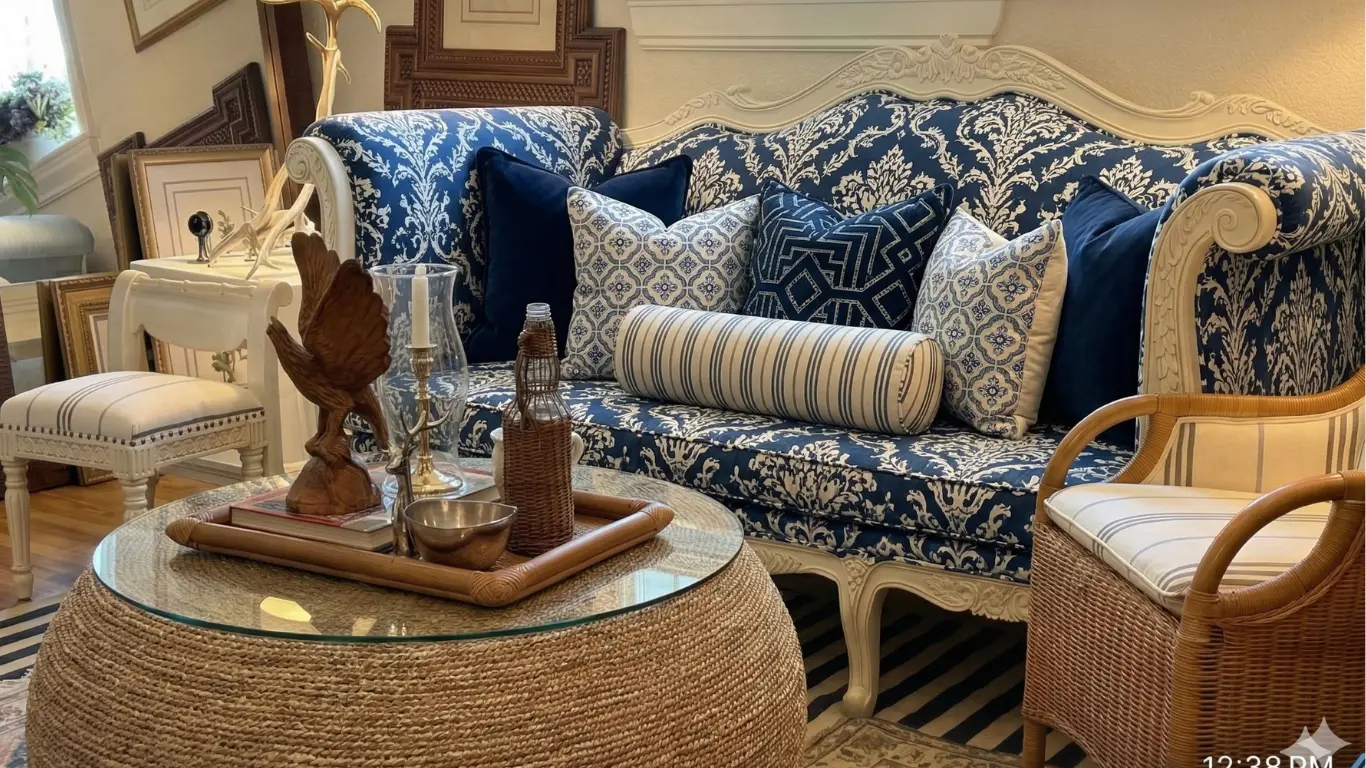
The deception is simple.
The coordinated collection achieves coherence by eliminating the thing that makes coherence interesting.
A room where everything matches is not a room that has been composed. It is a room that has been purchased. The distinction matters more than the furniture industry would like you to believe.
For most of the history of furnished interiors, rooms accumulated rather than arrived. A chair from a grandparent. A table found at auction. A chest acquired somewhere specific, for a reason that was personal. The room held because a single sensibility had chosen each piece, over time, for reasons that were particular. This is what the collected aesthetic actually means.
The coordinated collection removes all of that. You are not making decisions about scale, weight, finish, and proportion. You are buying a solution to those decisions, one that someone else made, using the vocabulary of a trend cycle that will date precisely as quickly as trends do.
How to Mix Furniture Styles Without a Matching Set
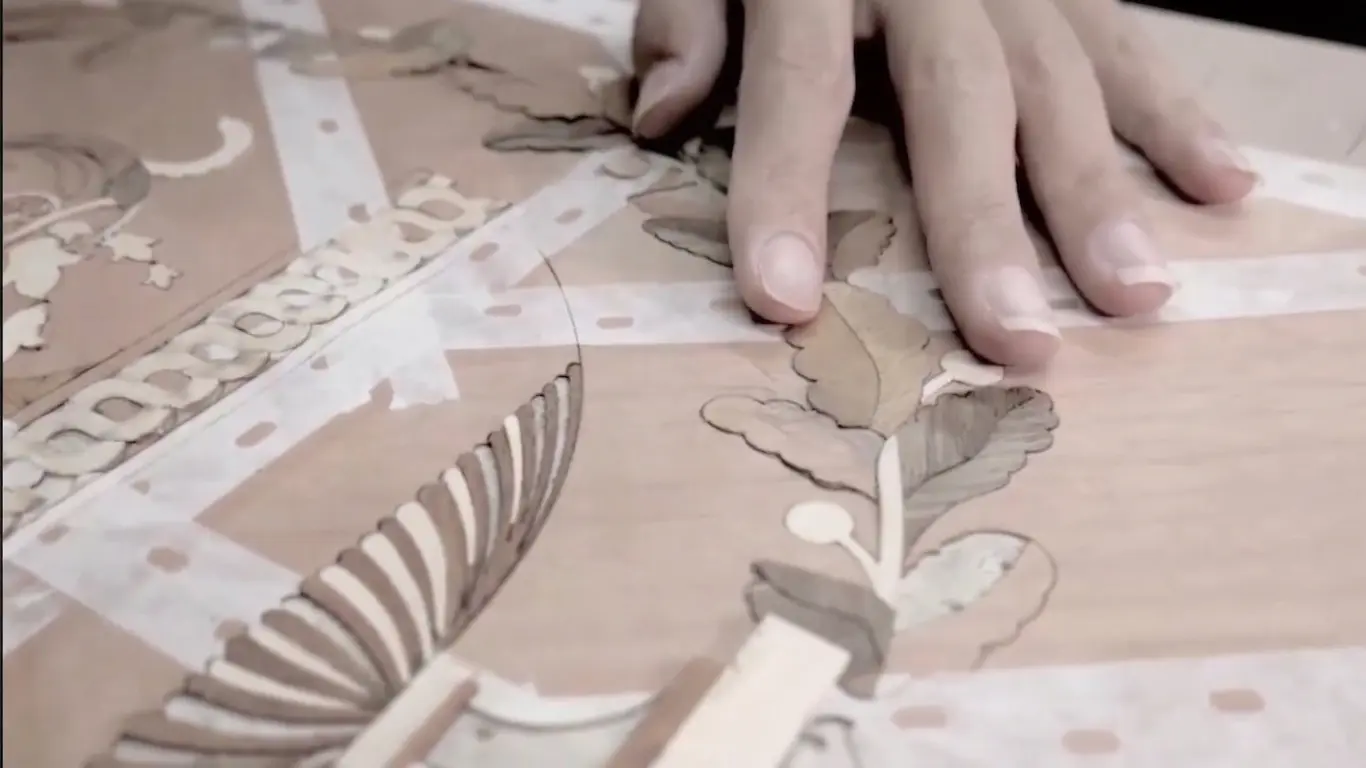
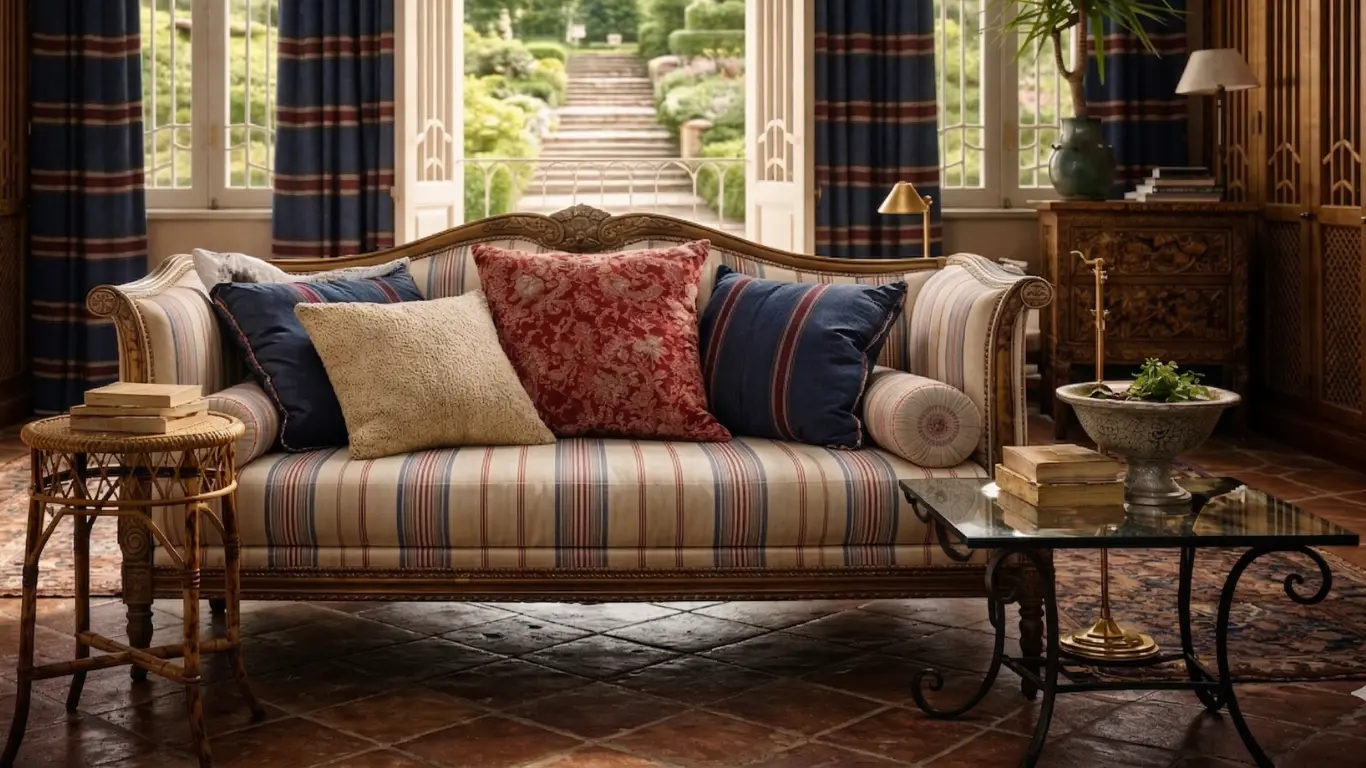
A room can hold a nineteenth-century oak chest, a mid-century rattan chair, a contemporary linen sofa, and a hand-knotted rug from Rajasthan. None of these were designed to be seen together. None of them match.
And yet they hold.
Because they share material gravity. Real weight. Real surface. Age, or the honest appearance of it. What makes them cohere is not agreement. It is shared seriousness. This is the subject explored in Materials, Memory, and Making — the essay that argues material choice is structural, not decorative.
A room furnished entirely from a single contemporary collection, however well made the individual pieces, tends to feel thin. Not because the pieces lack quality. Because they lack argument. They have never had to earn their place in relation to anything that came before or after. Understanding what makes furniture heirloom quality is the first step away from this problem.
They were started with one good piece, or two, and then added to slowly, as the right things appeared. Each addition chosen on its own merits. Each piece holding its place on its own authority.
Not a set.
A composition.
Why Matching Furniture Sets Create a Dependency Problem
There is also a practical problem with the matched set.
It is rarely stated clearly.
When everything in a room comes from the same collection, a single decision cascades through the entire space. Replace the sofa and the armchair reads wrong. Reupholster the armchair and the ottoman no longer belongs. The room becomes a system of mutual dependencies, each piece held hostage to every other.
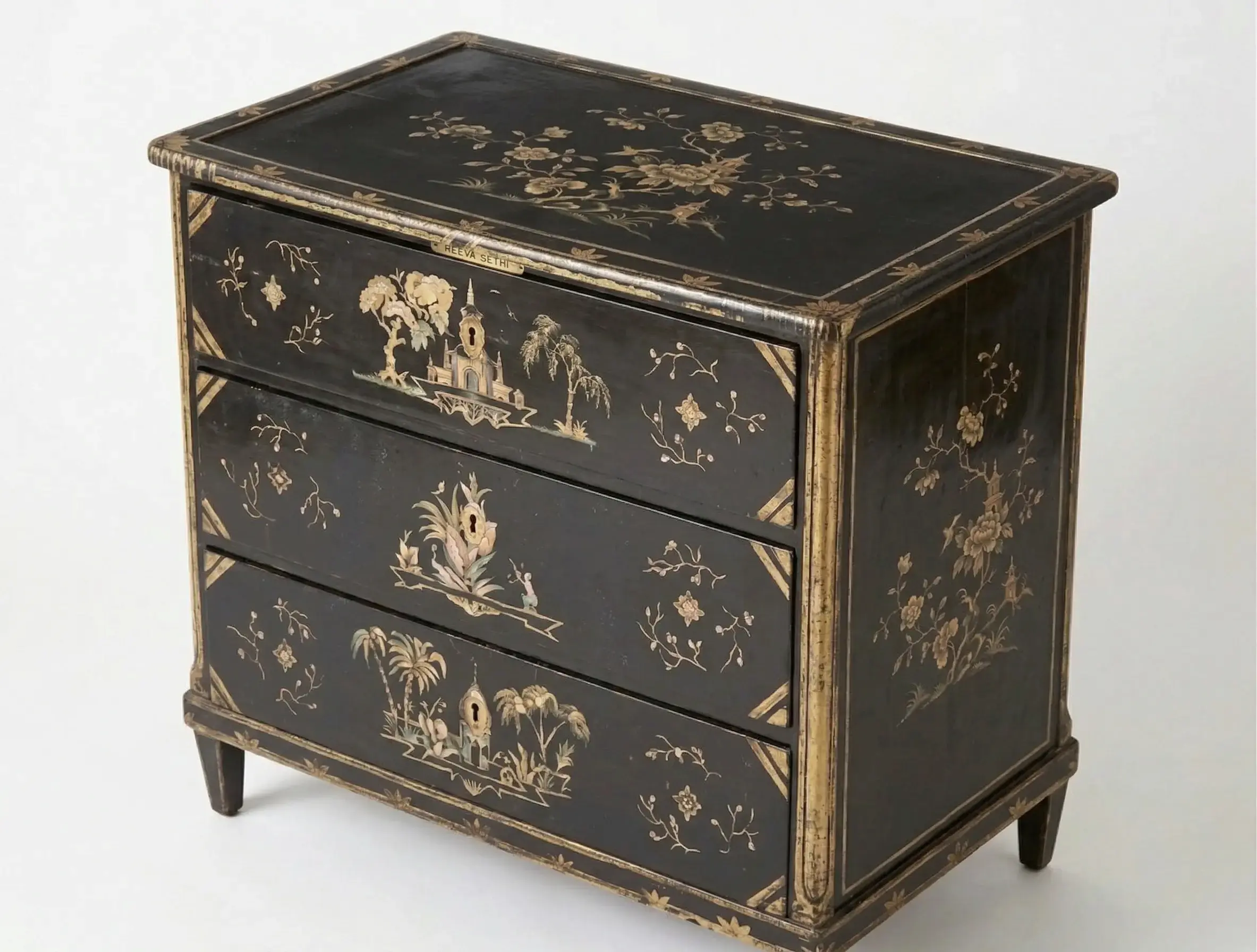
A room built from independent pieces behaves differently. The sofa can change without destabilising the chest of drawers. The rug can turn over without making the chairs redundant. The room is not a product. It is a composition, and a composition can evolve.
This is also the more honest sustainability argument. A well-made individual piece, chosen because of what it is, will outlast a coordinated collection chosen because of how it relates to the other pieces in the range. When the range is discontinued — and it will be — the matched set has nowhere to go. The individual piece can always find a room.
How to Build a Timeless Interior Without Buying a Set
Start with one piece that has undeniable presence.
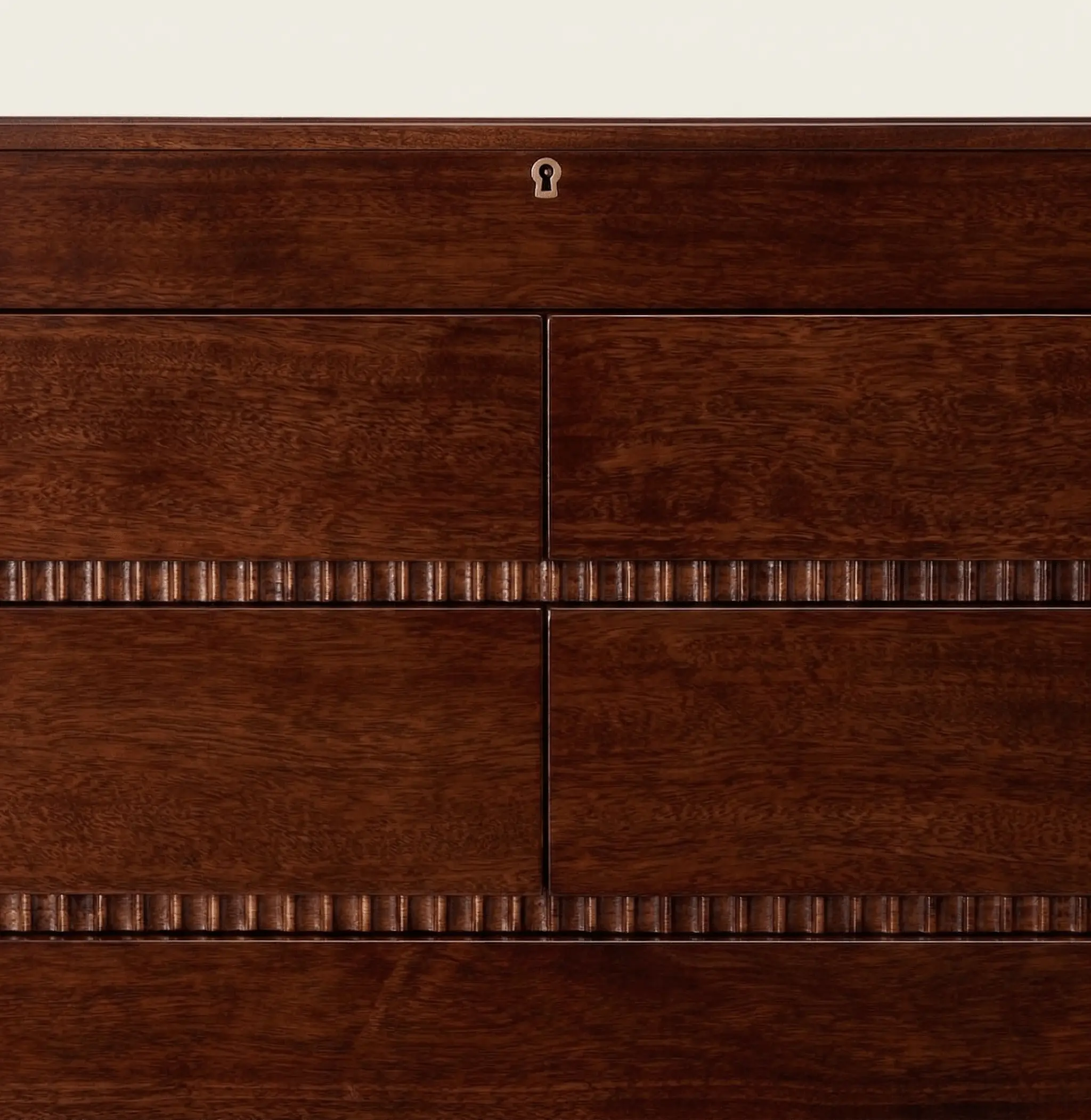
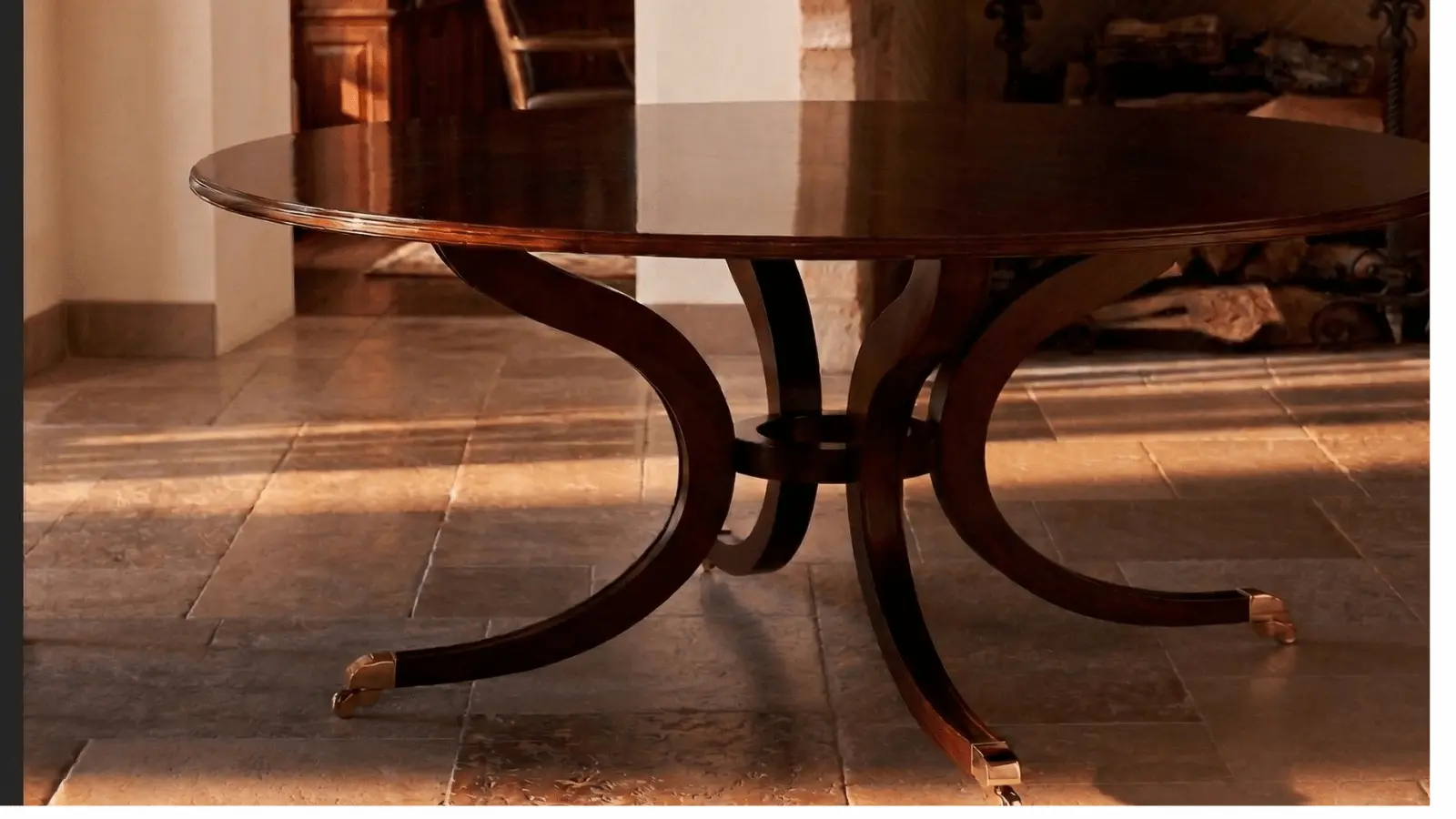
A solid wood table. A substantial chest. A well-made sofa in a natural fabric. Something chosen because of what it actually is — its material, its weight, its construction — not because it coordinates with something you already own. At the Saratoga showroom, this is the question clients wrestle with most: not which pieces to buy, but which single piece to start with. The answer is almost always the one that would hold its ground even if nothing else in the room changed.
Then live with it alone long enough to understand what it needs. The room will tell you. It is almost never as soon as you think.
Hold the finish register steady as you add: warm wood tones, natural fibres, aged brass, matte surfaces. These will hold together across centuries of furniture-making. Mix periods, origins, and styles freely within that register. A piece of solid mahogany will sit comfortably beside a mid-century rattan chair and a contemporary linen sofa — not because they were designed together, but because they share the same material honesty.
What does not hold together is high-gloss lacquer next to aged oak, or chrome next to hand-woven rattan. Not because of decorative rules. Because of what the materials communicate about how they were made.
Leave a corner unresolved. Leave a wall empty longer than is comfortable. The piece that belongs there will reveal itself. When it does, it will look as though it was always there.
The room you want in ten years is not the room you can buy today. It is the room that today's decisions will become, if you make the right first choices and resist the pressure to finish too quickly.
That patience is not deprivation.
It is the point.
The furniture collection at Reeva Sethi Home is built around this logic: pieces chosen because of what they are, not because they coordinate with each other.
Questions on furniture,
materials, and coherence
Why do matching furniture sets make a room feel flat?
Matching furniture sets achieve visual coordination by removing the variation that makes a room feel composed rather than purchased. When every piece agrees with every other piece, there is no material argument, no scale relationship to navigate, no depth to read. The room communicates a transaction rather than a sensibility.
A well-composed room requires pieces that hold their ground on their own authority — and that authority comes from individual material weight, proportion, and craftsmanship, not from catalogue coordination.
How do you mix furniture styles without a matching set?
Hold a consistent material register rather than a style period. Warm wood tones, natural fibres, aged brass, and matte surfaces cohere across centuries of furniture-making. A nineteenth-century oak chest, a mid-century rattan chair, a contemporary linen sofa, and a hand-knotted rug can all occupy the same room because they share material seriousness.
What does not cohere is high-gloss lacquer next to aged oak, or chrome next to hand-woven rattan — not because of decorating rules, but because of what the materials communicate about how they were made.
What is heirloom-quality furniture?
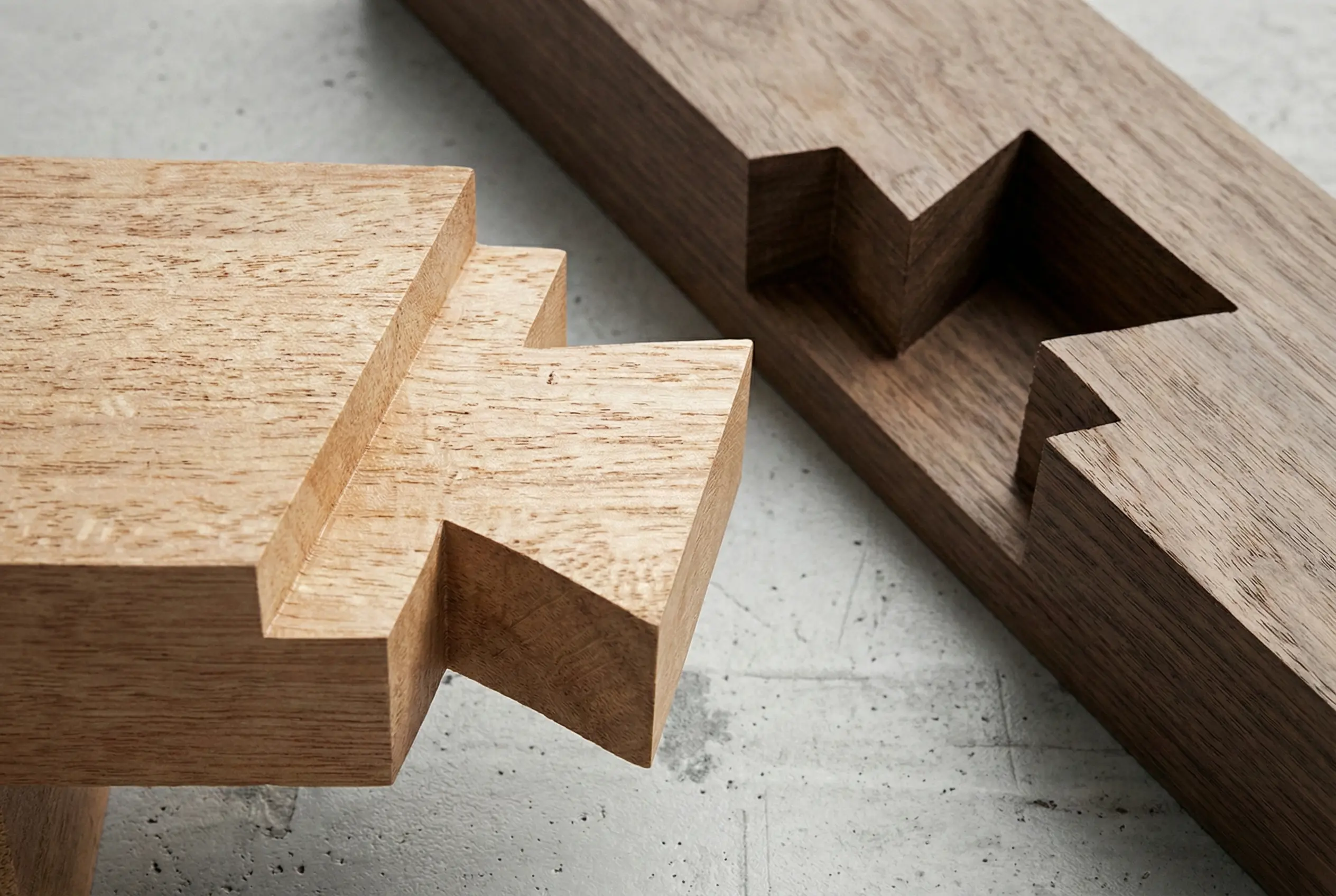
Heirloom-quality furniture is built from solid wood — mahogany, walnut, oak — using traditional joinery methods such as mortise-and-tenon or dovetail construction, finished with oil or wax rather than plastic lacquer. It is chosen because of what it is, not how it coordinates with a range.
A well-made individual piece will outlast any coordinated collection: when the range is discontinued, the individual piece can always find a room. Read the full guide: What Makes Furniture Heirloom Quality.
What is quiet luxury interior design?
Quiet luxury in interior design describes rooms built through material depth, proportion, and restraint rather than conspicuous decoration. The emphasis is on solid wood, natural fibres, hand-knotted rugs, aged brass, and matte surfaces — materials whose quality is felt before it is understood.
RS Studio at Reeva Sethi Home publishes essays exploring this philosophy and curates a collection built around the same principles.
Where is Reeva Sethi Home located?
Reeva Sethi Home is located at 20430 Saratoga–Los Gatos Road, Saratoga, CA 95070. The showroom serves clients across San Jose, Los Gatos, and the wider Bay Area, and offers bespoke interior design services by appointment.
You can call 408-797-5283 or book online.
RS STUDIO is the editorial and design practice of Reeva Sethi Home, founded by Ruchi Sethi. RS Studio publishes essays on materials, craft, and the philosophy of building rooms that last. Reeva Sethi Home is open in Saratoga, California, serving clients across San Jose, Los Gatos, and the Bay Area.