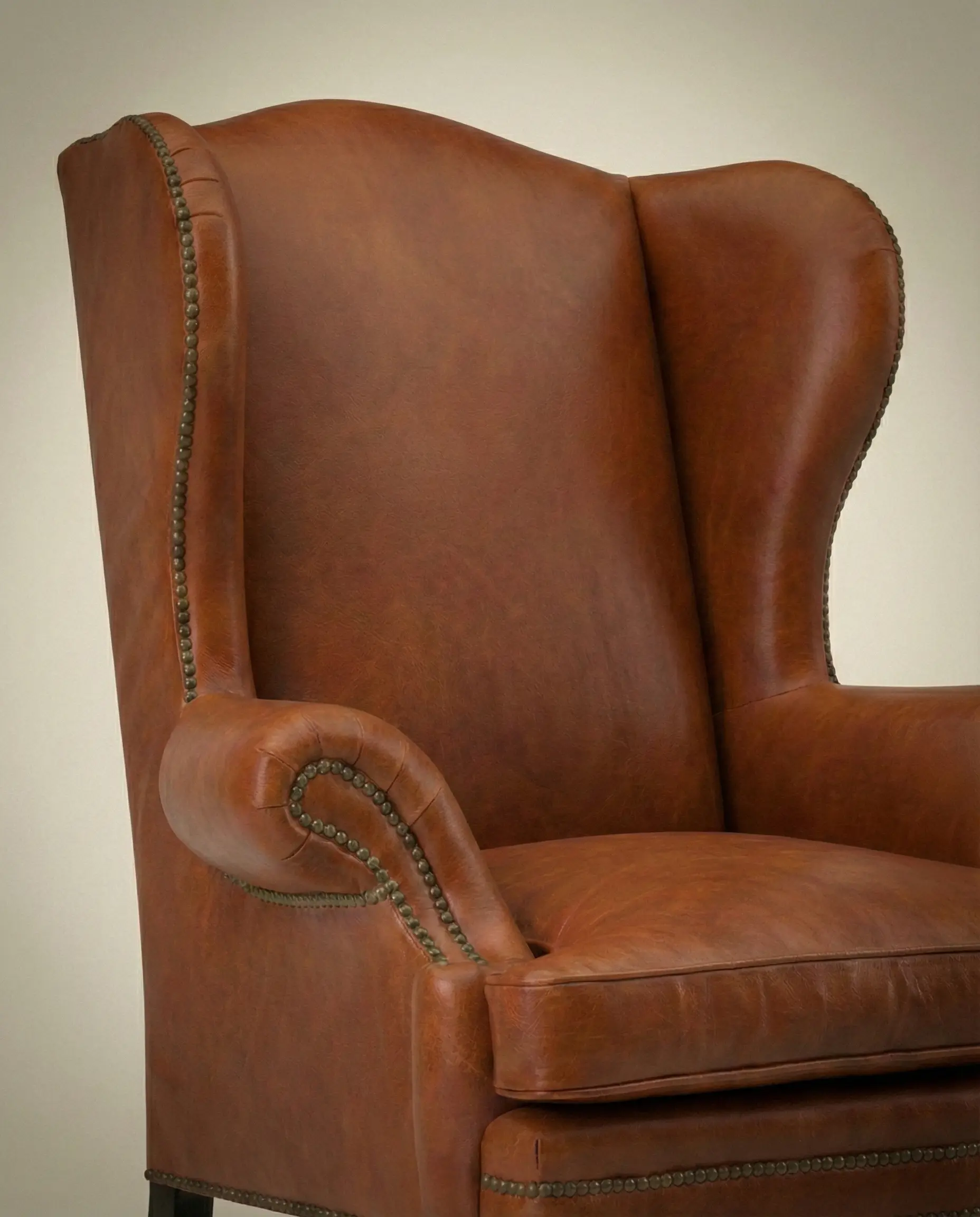
A wingback chair is one of the few furniture forms whose purpose is visible the moment you see it. The height, the enclosing back, and the projecting wings all tell the same story: this is a chair designed to hold a person in place, physically and visually. It was born from utility, but it endured because utility took on dignity.
That is why the wingback still works. It is not merely decorative. It creates presence, height, and containment in a room. In practical terms, it is comfortable. In visual terms, it anchors a composition. In emotional terms, it offers privacy without isolation, which is more than can be said for most modern furniture pretending to be clever.
What Is a Wingback Chair Used For?
Today, a wingback chair is used as a reading chair, fireside chair, accent chair, or head-of-table chair. Its high back and side wings give it more authority than a standard armchair, which is exactly why it is often used when a room needs one piece with genuine vertical presence.
- Reading corners: The high back supports longer sitting sessions and gives the seat a more enclosed feel.
- Fireside seating: This was the original use, and it remains the most logical one.
- Living rooms: A wingback adds height and balances lower sofas or ottomans.
- Studies and home offices: The form feels more deliberate and composed than an open lounge chair.
- Head-of-table seating: In the right room, a wingback establishes hierarchy without theatrics.
The History of the Wingback Chair
The wingback chair emerged in late 17th-century England, in large houses where fireplaces provided heat but rooms were still drafty. The projecting wings near the head were not ornamental inventions. They helped block side drafts and capture warmth from the fire. That original function explains the form more honestly than most decorative histories do.
By the early 18th century, especially during the Queen Anne period, the chair developed softer lines and more refined proportions. Fully upholstered examples became more common, and the wingback moved from a purely practical object toward a more elegant domestic one.
In the Chippendale period, the form became more formal and architectural. Straighter legs, carved detailing, and firmer profiles made the wingback more at home in studies, libraries, and drawing rooms. From there, the type persisted because it solved a visual problem that never went away: how to place one chair in a room and make it feel intentional.
The Reeva Sethi Collection
Discover traditional and heritage-inspired seating, including wingback silhouettes designed for rooms that need real presence.
View SeatingTypes of Wingback Chair
Not every wingback chair is the same. The wings, back pitch, leg profile, and upholstery treatment all change the character of the piece. These are the main types worth knowing:
Traditional Wingback
The classic form: high back, defined wings, full upholstery, and restrained legs. This is the standard reference point for most people asking what a wingback chair is.
Queen Anne Wingback
Softer profile, curved cabriole legs, and gentler proportions. Better suited to period interiors or rooms with other curvilinear furniture.
Chippendale Wingback
Straighter legs, firmer lines, and more formal detailing. The silhouette reads more architectural and disciplined than Queen Anne examples.
Modern Heritage Wingback
A cleaner interpretation of the traditional form. Less ornament, tighter lines, and often a simpler exposed wood base. Useful in houses that want history without costume.
Barrel Wingback
The back curves into the wings more continuously, creating a more enveloping shape. It feels softer and less rigid than a sharply profiled wing chair.
Cane or Wicker Wingback
A lighter, more open interpretation using woven panels or natural materials. See the Hampshire Wicker Wingback Armchair for a current example of that direction.
Wingback Chair Dimensions
Scale matters more with a wingback than with most chairs because the piece is meant to register as vertical architecture inside the room. Too small, and it looks decorative. Too large, and it starts crowding the composition.
If you want a live product reference, the Wentworth Wingback Chair is the most direct comparison point in our collection. For exact current specifications, call 408-797-5283.
What Makes a Good Wingback Chair?
A good wingback chair is defined by proportion, frame integrity, and restraint. The form already carries enough authority. It does not need gimmicks. It needs correct height, a sound hardwood frame, comfortable seat pitch, and upholstery that improves rather than collapses.
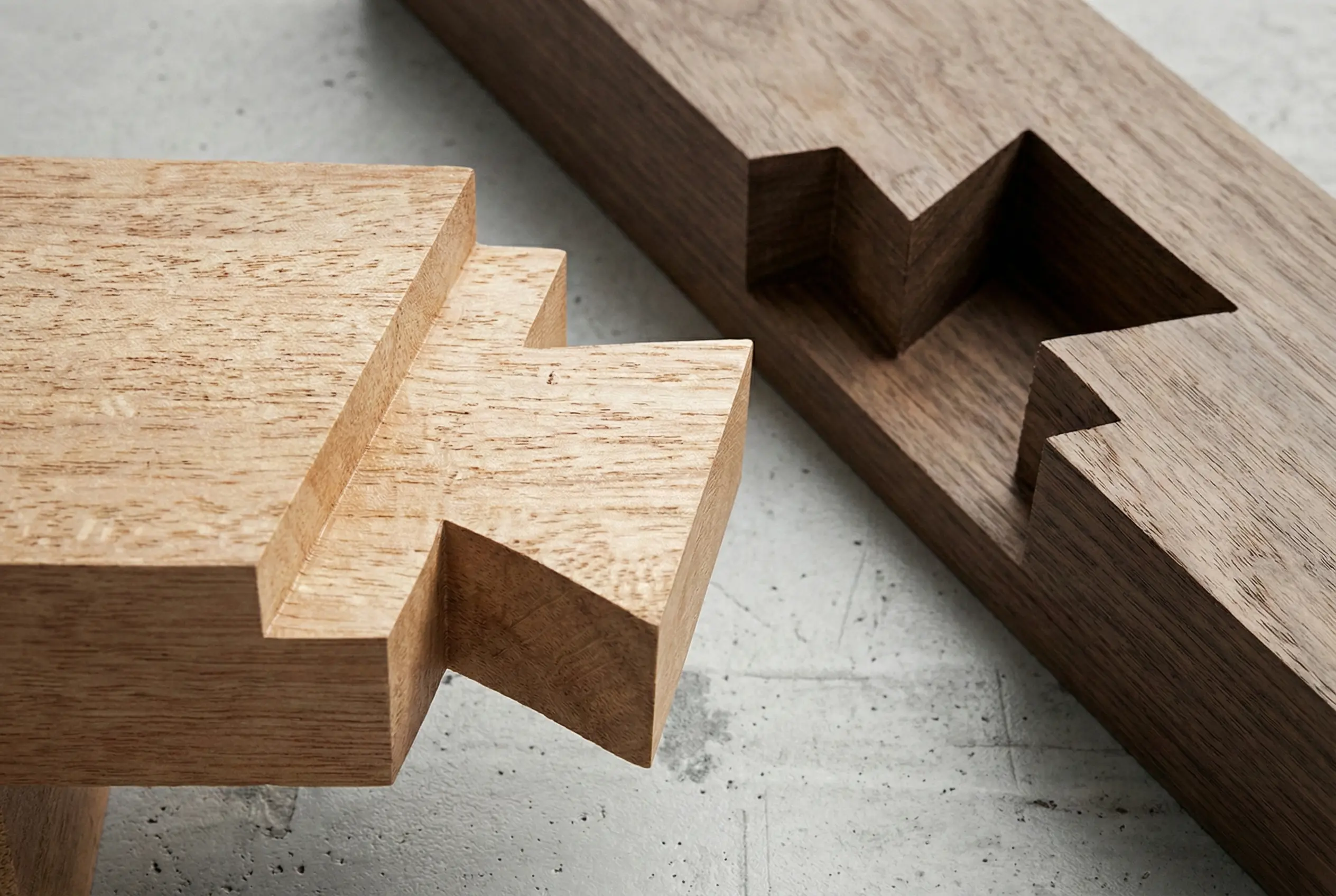
That is why traditional examples still outperform cheap reproductions. The difference is usually in what is not immediately visible: frame material, joinery, seat support, and the quality of the upholstery build-up. If the structure is weak, the silhouette becomes a costume with a short life.
If you are comparing construction standards, start with our guide to solid wood vs veneer. It will save you from spending real money on furniture built like an apology.
How to Choose a Wingback Chair
Five decisions that determine whether a wingback works in your room
See the Wentworth Wingback in person
A heritage-inspired wingback with a solid hardwood frame and tailored upholstery belongs in a room that can carry it. Visit the Saratoga showroom to compare seating, scale, and material quality in person.
Reeva Sethi Home is located at 20430 Saratoga–Los Gatos Road, Saratoga, California. The showroom serves Saratoga, Los Gatos, Los Altos, Palo Alto, Menlo Park, Cupertino, Campbell, and greater San Jose, with seating, rugs, furniture, and trade support for interior designers.
Saratoga, CA 95070
11am – 4pm
Bespoke sourcing
What is a wingback chair?
A wingback chair is a high-backed upholstered armchair with projecting side wings near the head. It was originally developed to reduce drafts and retain warmth beside a fireplace.
Why is it called a wingback chair?
It is called a wingback chair because of the two “wings” projecting from the upper sides of the back. Those wings were functional before they became decorative.
What are the standard dimensions of a wingback chair?
Most wingback chairs are about 42 to 52 inches tall, 30 to 34 inches wide, and 30 to 36 inches deep, with seat heights usually falling between 17 and 19 inches.
What are the different types of wingback chair?
The main types are traditional wingback, Queen Anne wingback, Chippendale wingback, modern heritage wingback, barrel wingback, and cane or wicker wingback.
Where can I buy a traditional wingback chair in the Bay Area?
You can view wingback seating at Reeva Sethi Home in Saratoga. To see the Wentworth Wingback Chair in person, call 408-797-5283 or book a showroom visit.
REEVA SETHI writes RS Studio as a journal of proportion, material truth, and interior permanence. These essays are for homeowners and designers who want to understand not just what a room looks like, but why certain pieces endure. Read the full RS Studio archive →