Warm Minimalism
A clean, edited look that still feels welcoming. Less noise, better materials, and choices made for how a home lives.
Warm minimalism is not a style for empty rooms. It is a way of choosing fewer things, then choosing them well. The palette stays calm. Materials carry the atmosphere. The home feels easier to maintain, and easier to live in.
Colour Schemes
For a streamlined look, a monochromatic colour scheme works beautifully. The detail that matters is undertone. Neutrals should feature warm undertones so the room reads settled rather than stark.
Cool neutrals tend to carry blue, purple, or green undertones (think cool beige or some ivories). They can look crisp, but they can also feel sharper depending on the light. If you want warmth, stay with creamy whites, oatmeal, stone, camel, and soft clay.
Depth can come from controlled accents, used sparingly: olive green, mustard, terracotta, rust, blush, or pink mocha. These sit well inside a neutral scheme without breaking the calm.
Materiality and Depth
In warm minimalism, depth comes from material, not more décor. Warm-toned woods, natural fibres, stone, leather, rattan, cane, plaster, and limewash all add dimension without visual clutter. These finishes hold up to proximity, which matters when a room is edited.

Mixed metals can work when they are deliberate and repeated. Brass, copper, antique gold, and blackened iron are all compatible when the finishes are consistent. Choose one as the primary metal and let the others appear quietly.
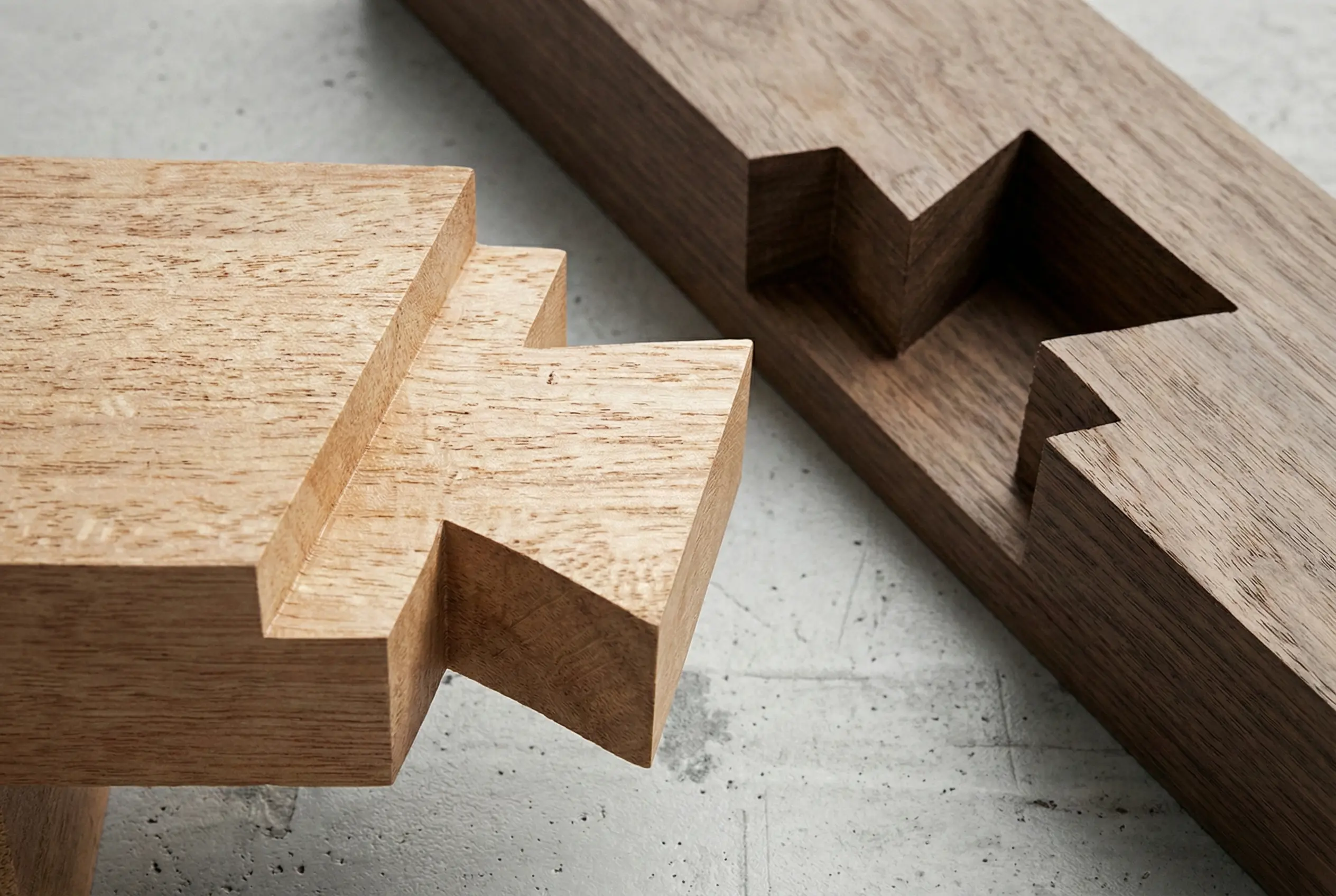
Architectural interest can be built in, not added on: timber beams, clean joinery, wall cladding, grained brick, bamboo panels, even subtle mouldings. Blonde hardwood flooring works beautifully here, and classic chevron or herringbone patterns add geometry without busyness.
Rugs soften planning and circulation. Seagrass, jute, and sisal bring tactile weight and a rustic calm. For a more plush feel, use a neutral wool rug or runner to add comfort without introducing pattern chaos.
Furniture and Form
Furniture should be selected with intention: quality, function, and comfort. A home can mix contemporary pieces, vintage finds, and custom designs as long as the palette and materials remain coherent.
Warm minimalism also does not rely on straight lines alone. A room feels more livable when you mix shapes, scales, and silhouettes. Round forms can soften angular architecture. Geometric planes keep it grounded.

This is also where editing matters most. When you put less in a room, what remains becomes louder. If a piece is no longer loved, or no longer useful, it will show. Letting go is part of the aesthetic.
Finishing Touches and Philosophy
Look for gentle contrast inside each room: soft and hard, smooth and textured, matte and glossy, painted and natural. Raw materials and mixed neutrals are what make this style feel good to live with. Cushions and throws can be layered, but keep them in the same tonal family so they read as comfort, not clutter.
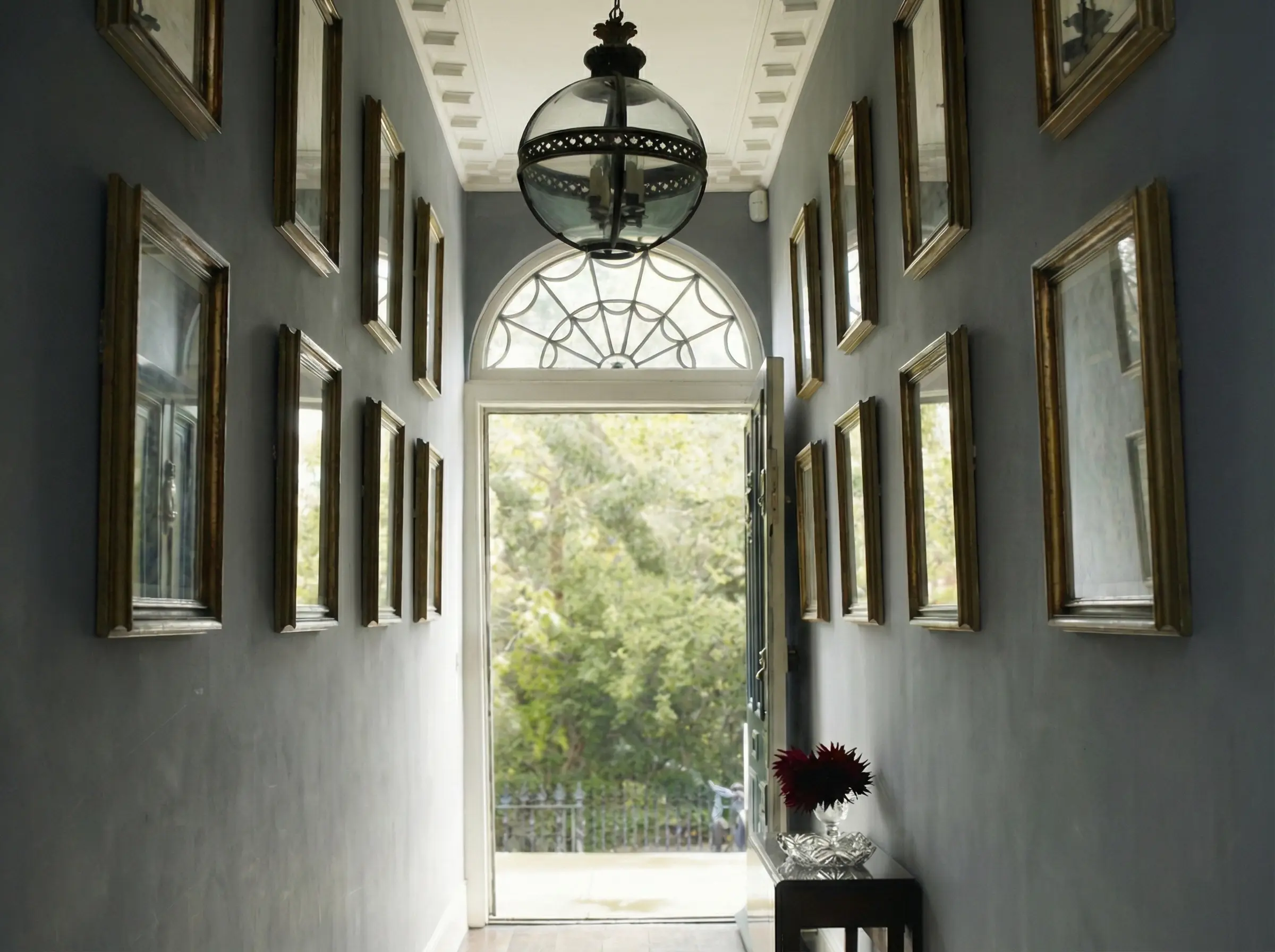
Art works best when it is scaled up and simplified: large abstract pieces, textural wall hangings, minimalist prints, framed photography, or neutral textured canvas art. Mirrors with rounded or organic shapes soften entryways, living rooms, and bathrooms without adding visual noise.
Keep vignettes tight: ceramic pottery, one or two vessels, a stack of books, a glass vase, a small sculpture. The items you don’t add are as important as the ones you do. Negative space is part of the composition.
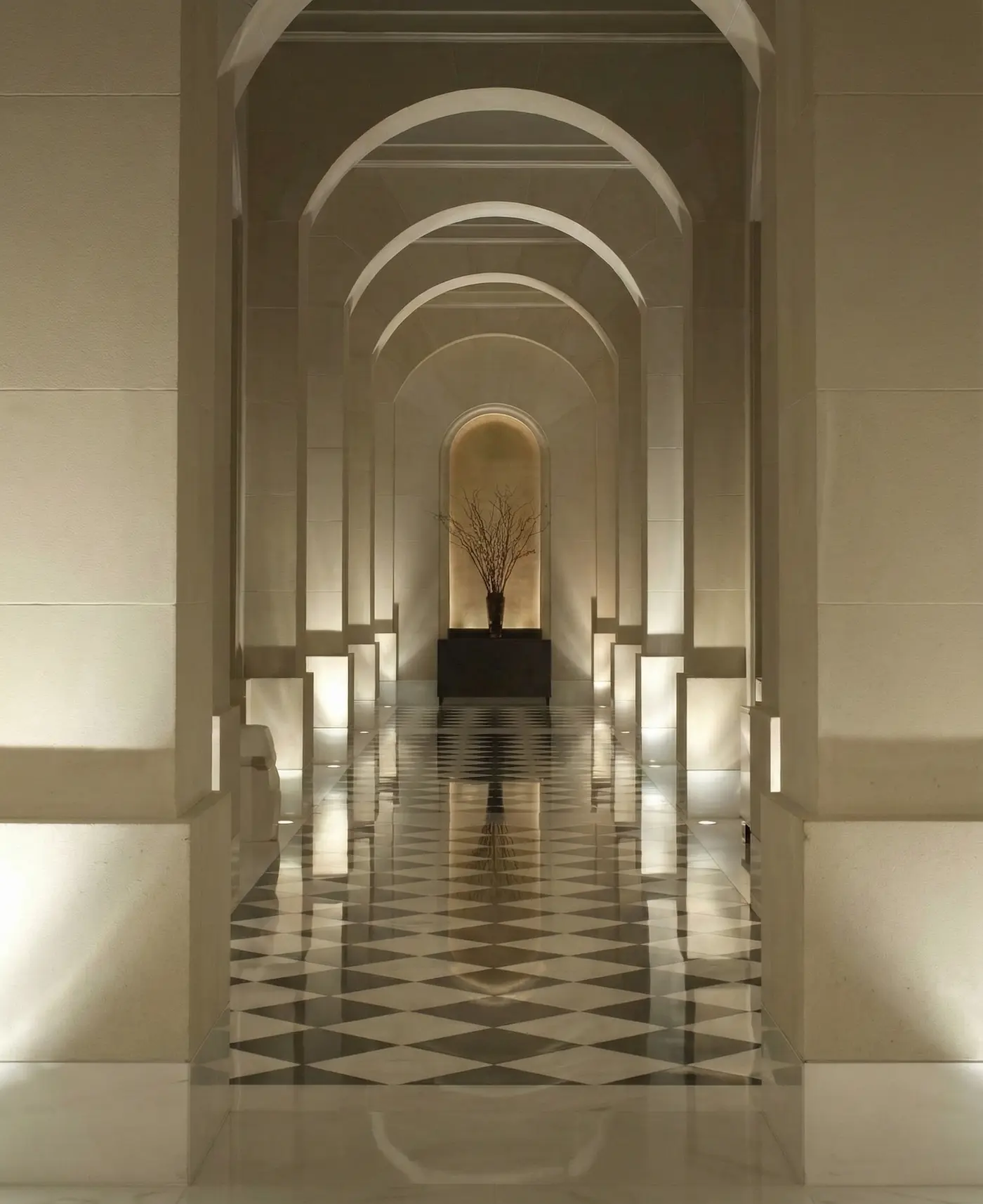
Finish with living energy. Choose a few larger plants (ficus, monstera, prayer plant, snake plant) or tall branches and foliage for structure, especially in entryways, dining rooms, and kitchen islands.
The Minimalist Mindset
At its best, minimalism is an understanding: the décor you select affects your satisfaction, the memories you experience, and how much enjoyment your home gives you. The point is not perfection. It is a quieter environment that supports daily life.
REEVA SETHI, founder and principal designer of RS Studio, creates interiors rooted in classical proportion and material restraint. Her work reflects Northern California light, favoring permanence, craftsmanship, and composed spaces designed to endure beyond trend.