There is a reason the flatweave has endured for centuries: it was born for movement. Unlike the heavy, high-pile carpets designed for the static palaces of Europe, the flatweave — or kilim — belongs to the nomad. It was created to be rolled, carried, and laid down again: a portable piece of architecture that could turn a patch of desert sand into a home.
At Reeva Sethi Home, our rug collection is deeply indebted to this lineage. When you trace the geometric patterns of our Kingsley Soumak or Ashcroft Diamond Soumak, you are seeing echoes of the Silk Route — symbols that once served as a visual language for traders moving between Rajasthan, Persia, and the Caucasus.
Geometry as Language
The motifs found in our collection are not random — they are a study in restraint. In pre-colonial India, ornament was never applied without meaning. The sharp diamonds, repeating stripes, and stepped medallions were abstractions of the natural world — running water, mountain passes, the protection of the evil eye.
- Hand-woven or hand-knotted by skilled artisans — no machine replication
- Natural fibres: wool, cotton, jute, or seagrass — each with distinct character
- Geometric patterns derived from centuries-old visual language
- Low pile construction — sits flat, layers easily, improves with age
- Each piece carries slight variation — the signature of the hand
We have stripped these patterns back to their essence. By rendering them in a tonal palette of scarab greens, indigos, and sandy creams, we allow the geometry to speak clearly. It is a quiet history — one that sits comfortably in a Saratoga living room while whispering of a much older world.
The Hand of the Maker
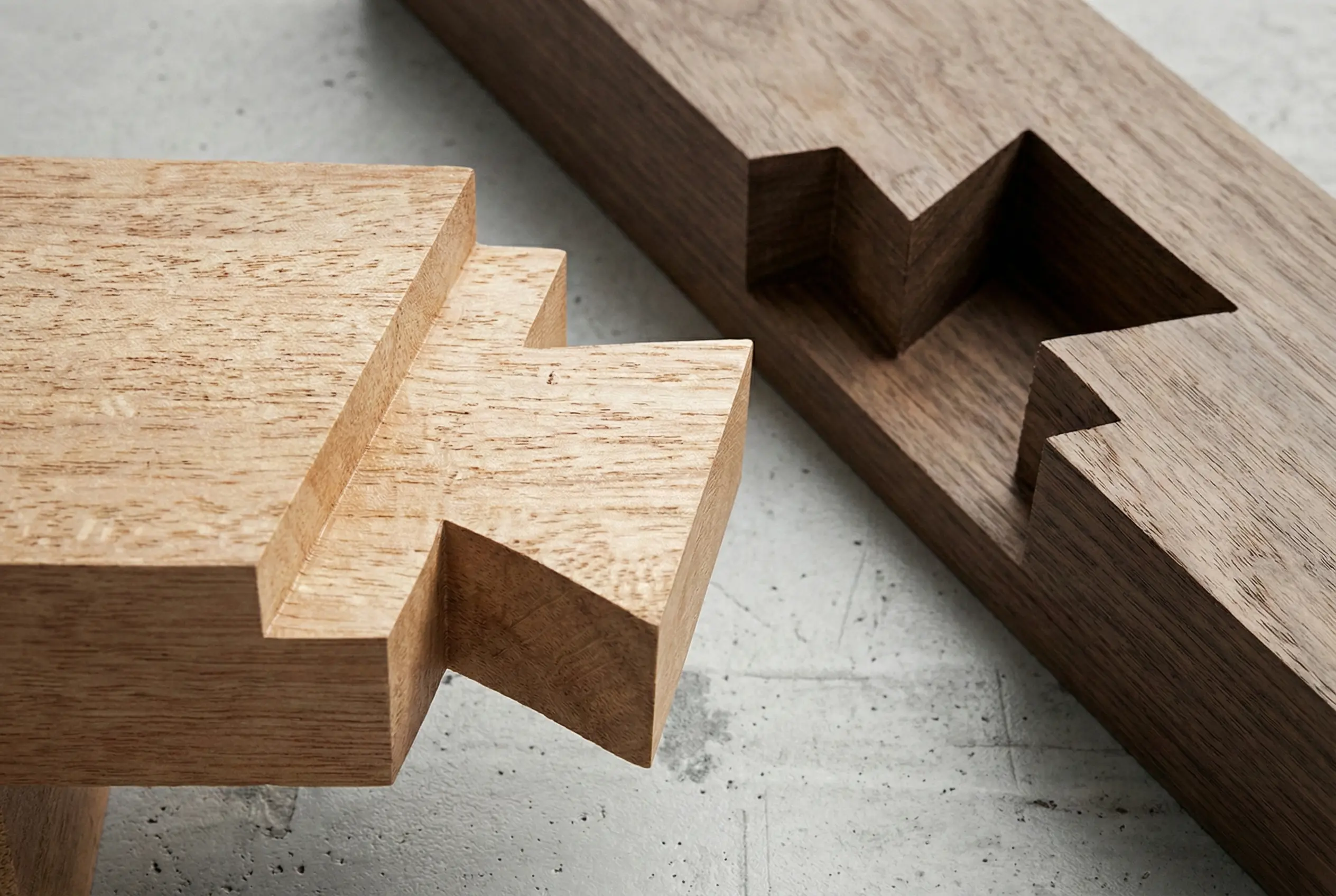
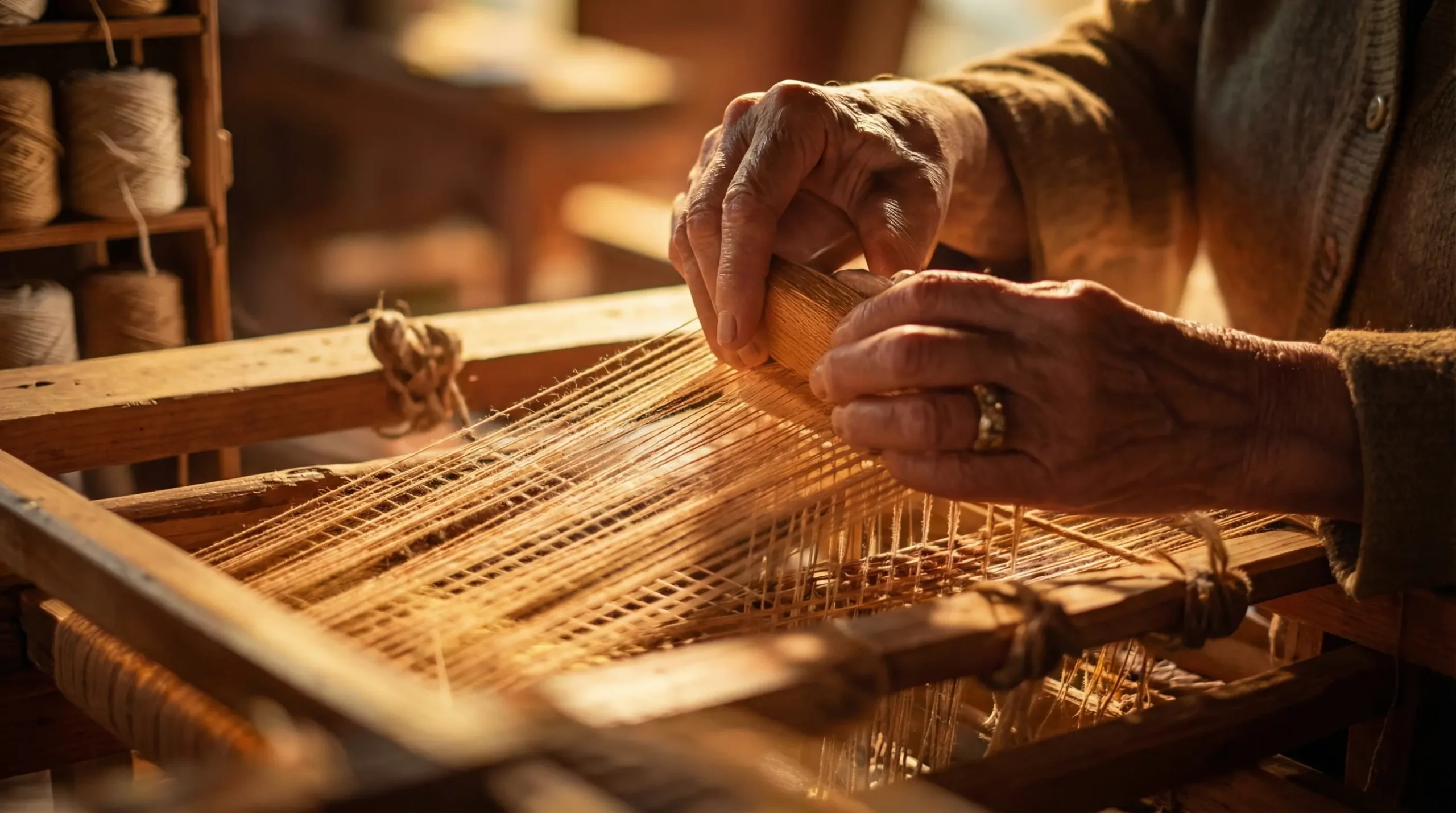
In an era of machine-made perfection, there is a distinct luxury in the hand. Every rug in this collection is hand-knotted or hand-woven by artisans whose families have held this knowledge for generations. You can feel this heritage in the tension of the weave.
A machine creates flat, soulless perfection. The hand of an artisan creates texture — slight variations in the yarn, a subtle oscillation in the stripe, a density that changes with the humidity of the weaving day. This is what we mean by stories woven in motion.
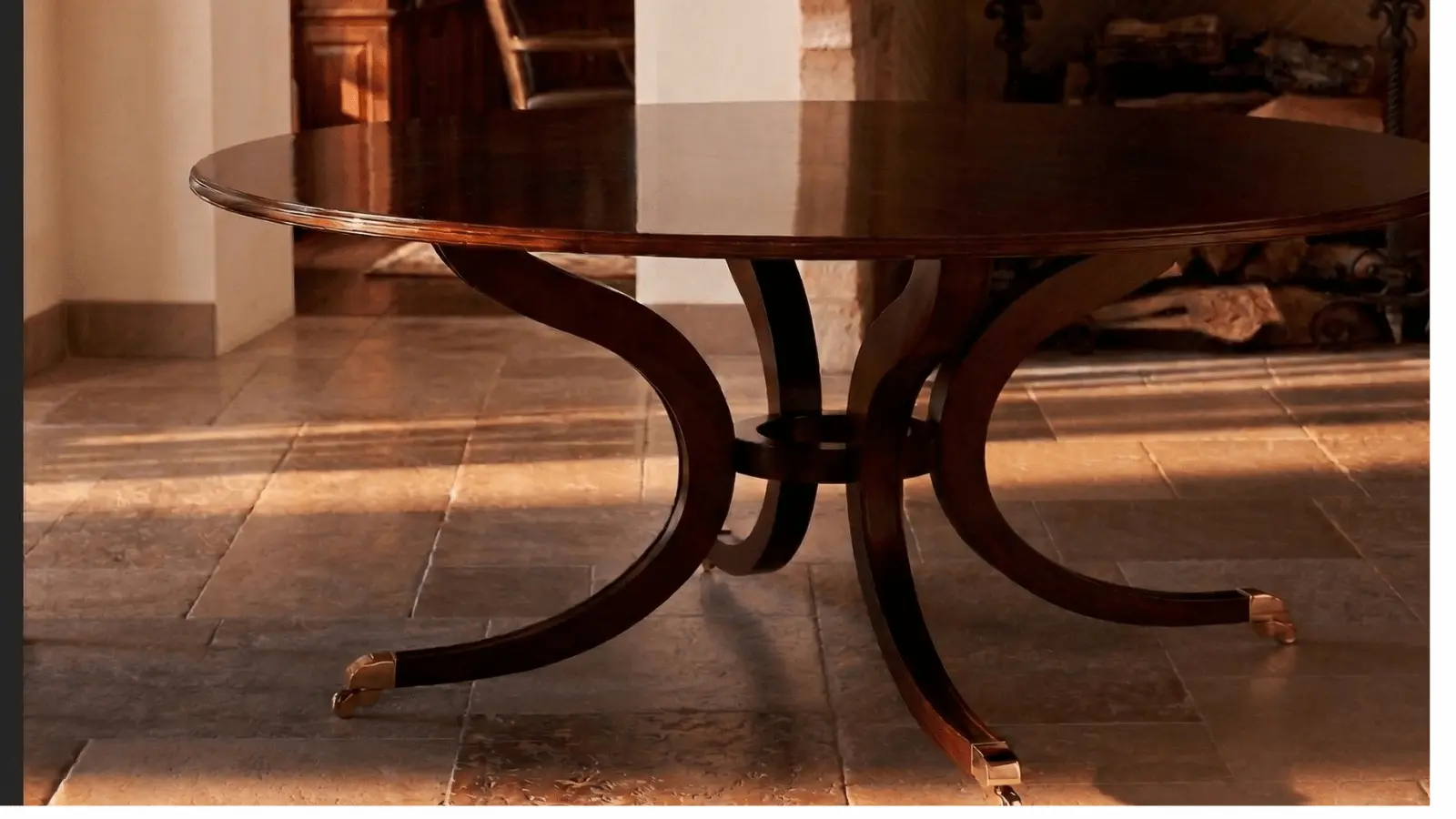
This is also why we talk about material integrity across everything we carry — furniture, textiles, and rugs alike. The rug that improves with age and the solid wood furniture placed on top of it share the same underlying logic: made once, made well, built to outlast the room it lives in.
How to Choose an Artisan Flatweave Rug
The rug is the first decision in a room — not the last. It sets the scale for everything above it: furniture finds its position, the palette finds its reference, the space finds its logic. Most rooms feel wrong because this sequence was reversed.
For rooms that need grounding — California interiors especially, where light is generous but weight is often absent — a Soumak flatweave with a strong geometric pattern does more work than a plain neutral. For rooms that already have visual weight in the furniture, a natural jute or seagrass sits quietly underneath without competing.
If you're furnishing a new home or replacing a rug that never quite worked, our Saratoga showroom is the right place to start. We carry the full collection and can help you understand placement, scale, and layering before you decide.
Book a Showroom Visit Explore the Rug CollectionREEVA SETHI, founder and principal designer of RS Studio, creates interiors rooted in classical proportion and material restraint. Her work reflects Northern California light, favouring permanence, craftsmanship, and composed spaces designed to endure beyond trend. Read more about the studio.