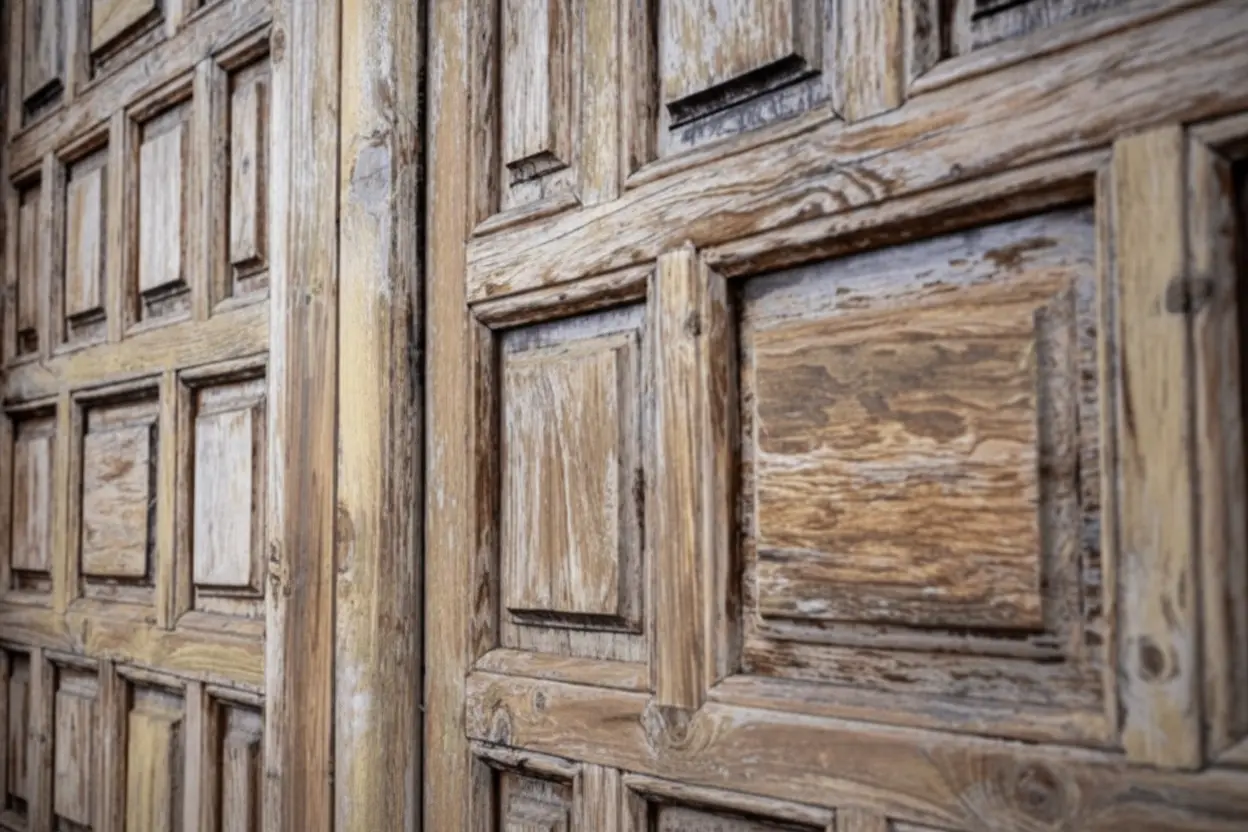
There is a kind of room that holds you differently from other rooms. You feel it the moment you enter, a quality of stillness, of rightness, that has nothing to do with how the space was photographed or how it might perform on a screen. It is a room that was thought through rather than assembled. It did not begin with a mood board. It began with a question: what does this home need to be?
Interior Design Is NotDecoration
The distinction matters more than the industry has been willing to admit. Decoration is the application of aesthetic choices to a surface. Design, real interior design, is the structuring of experience through space, material, light, and sequence. One produces rooms that look appealing in photographs. The other produces rooms that sustain a life.
The confusion between the two accelerated with the rise of visual culture. When interior design became primarily a photographic medium, something optimised for the compressed rectangle of a screen, the criteria shifted. Dimensionality, material honesty, and the quality of a room's silence became increasingly difficult to value. What could be captured by a lens took precedence over what could only be felt by someone present in the room itself.
The result was an era of interiors that photograph brilliantly and inhabit poorly. Rooms built for one angle. Furniture selected for its visual weight in an image, not its physical comfort in a conversation. Materials chosen for their surface appearance rather than their behaviour over time. Spaces that look complete and feel, somehow, provisional.
The architecture of home is something older and more demanding than this. It is the practice of building rooms that deepen, that accumulate meaning rather than losing it. That reward presence rather than observation. That hold a family's life without flinching and, over the years, become richer for having done so.
A room that was thought through rather than assembled does not announce itself. It simply holds you, and you notice, without quite knowing why, that you do not want to leave.
— RS Studio · SaratogaThe First Discipline:Proportion and Scale
Before colour, before material, before any object is brought into a room, the discipline of proportion determines whether the space will work or merely exist. Proportion is the relationship between the dimensions of a space and the elements within it, the ratio of ceiling height to floor area, of furniture height to wall height, of negative space to occupied space. It is the invisible grammar that gives a room its authority.
The ancient Greek architects understood proportion as a moral matter, that buildings built out of right relationship were not merely more beautiful but more true. They codified this in the classical orders: the Doric, Ionic, and Corinthian columns whose proportions were derived from the human body, with the column's height related to the diameter of its base in fixed ratios. This was not aesthetic preference but a theory of correspondence, that the built environment should be in right relationship with the human form that inhabits it.
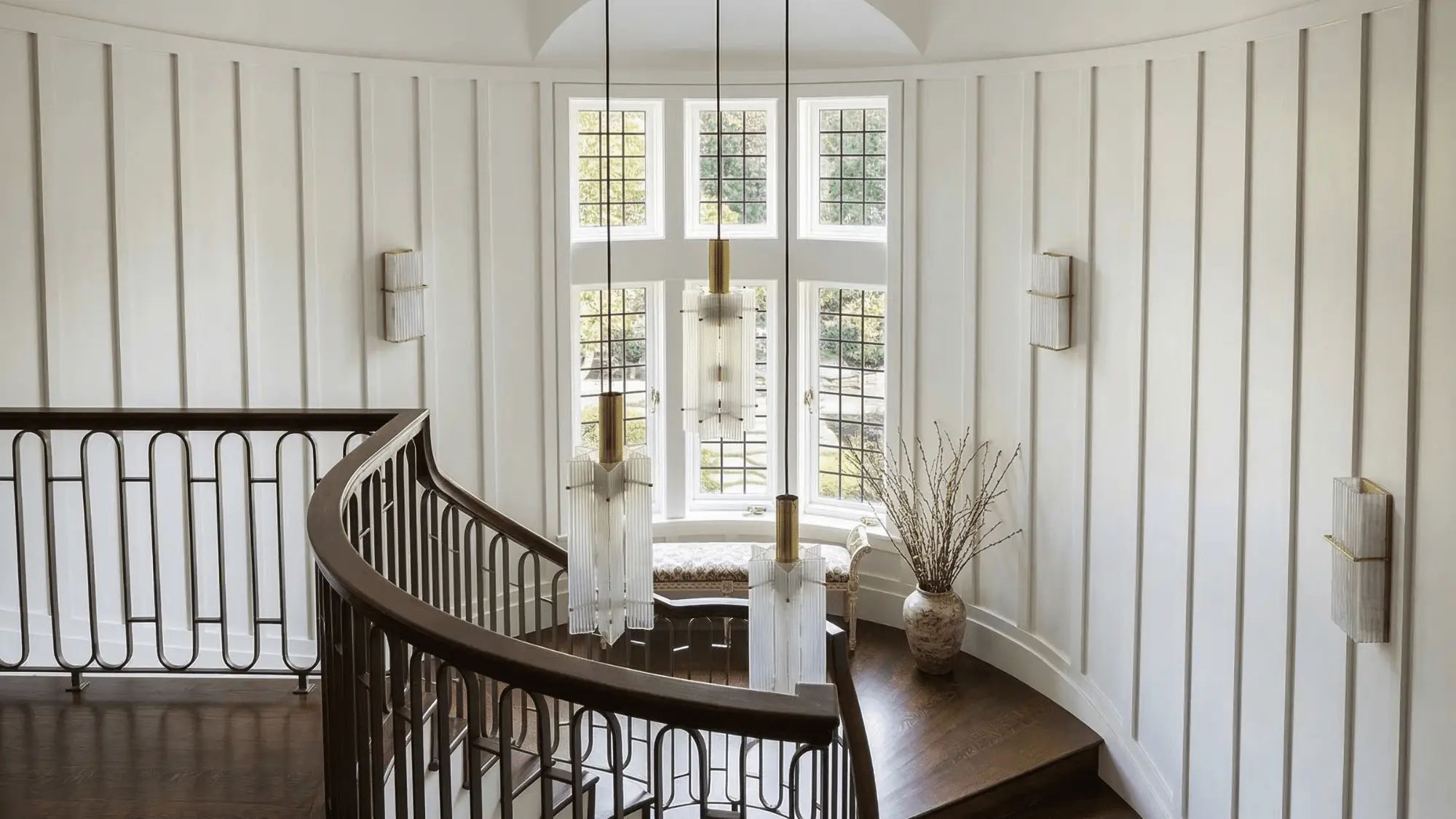
In domestic architecture, proportion operates across multiple scales simultaneously. There is the proportion of the room itself, the relationship of its length to width to height, which determines whether the space feels expansive or compressed, enveloping or exposed. There is the proportion of openings, windows and doorways, which governs how light enters and how the interior relates to the exterior. And there is the proportion of objects within the room, furniture, rugs, lighting, which either amplifies or undermines the spatial character the room already possesses.
The Most Common Error
The proportional error that appears most consistently in contemporary interiors is the underscaling of furniture relative to the room. A room with twelve-foot ceilings furnished with chairs and sofas designed for eight-foot ceilings will feel perpetually unresolved, the furniture will seem to float, unanchored, in too much air. The inverse error, oversized furniture in a modest room, produces a different kind of failure: a space that feels consumed, where no element can breathe and where the density becomes oppressive rather than warm.
The corrective is always to begin with the room, not with the furniture catalogue. Measure the ceiling height before selecting any seating. Consider the scale of windows before choosing curtain weights and lengths. Establish the room's proportional character, formal and elevated, intimate and low, horizontal and expansive, and then select objects that are in dialogue with that character rather than indifferent to it.
In rooms with ceilings above ten feet, consider armchairs with higher backs and sofas with deeper seats, pieces that hold their own vertically. Ground larger furniture groupings with rugs large enough to anchor all primary seating: in most living rooms, a rug that extends at least eighteen inches beyond the sofa on each side is the minimum required to create spatial coherence. Anything smaller will appear to float, making the furniture arrangement feel accidental rather than composed.
Light Is NotLighting
Lighting is a product category. Light is a material, the most powerful in any interior, and the most underestimated. The rooms that stay in memory are almost never those with the most interesting furniture or the most resolved colour palette. They are the rooms where light moved in a way that made the ordinary feel singular.
Natural light is irreplaceable, and the orientation and fenestration of a room is the single most important factor in its experiential character. A north-facing room in a house on the Californian peninsula will receive a cool, even, diffuse light throughout the day, beautiful for art, quieting for reading, gently melancholic in winter. A south-facing room in the same house will be washed with warm, directional light that moves across the floor from morning to evening, animating surfaces, casting shadows, making the room feel inhabited by time itself.
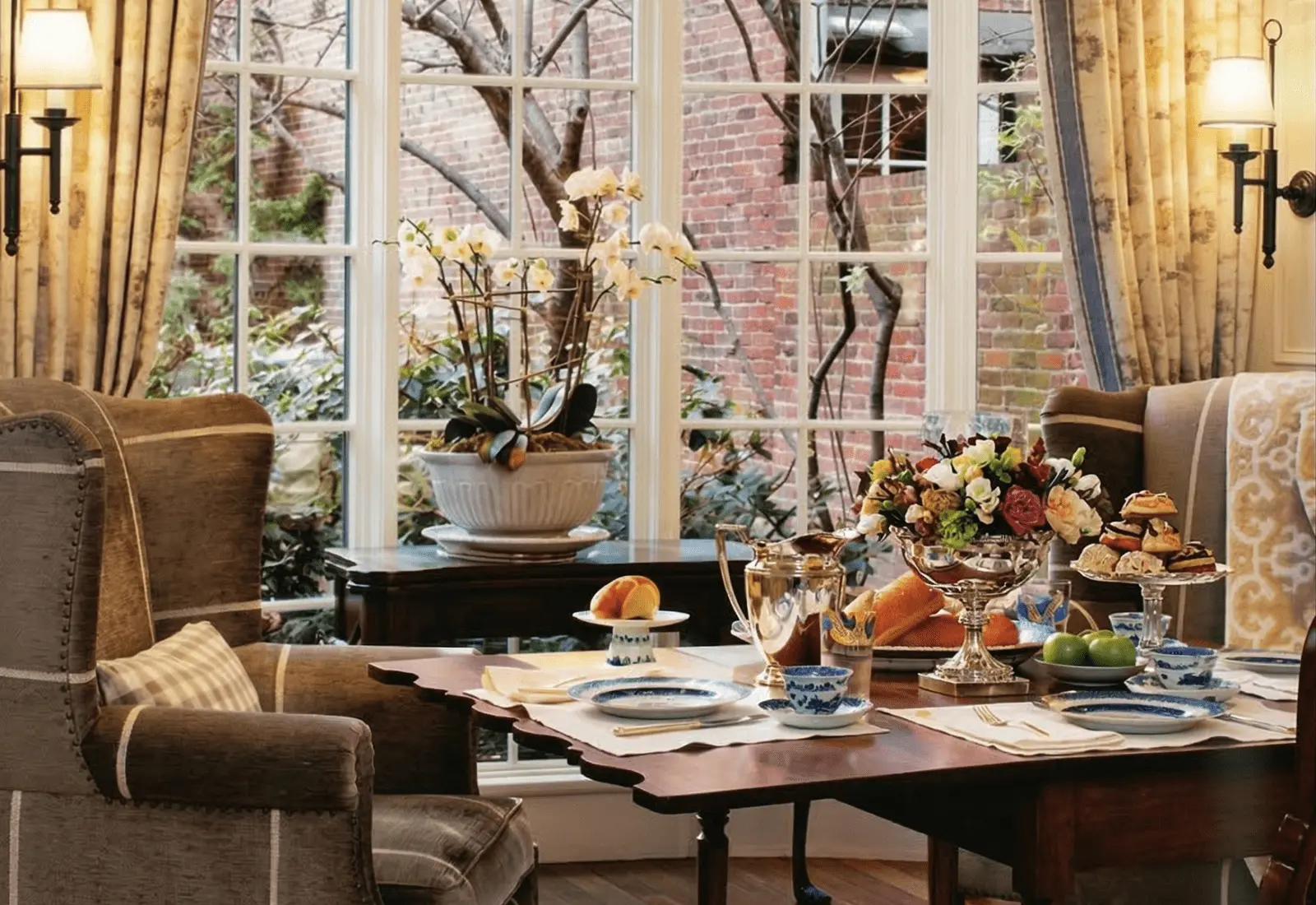
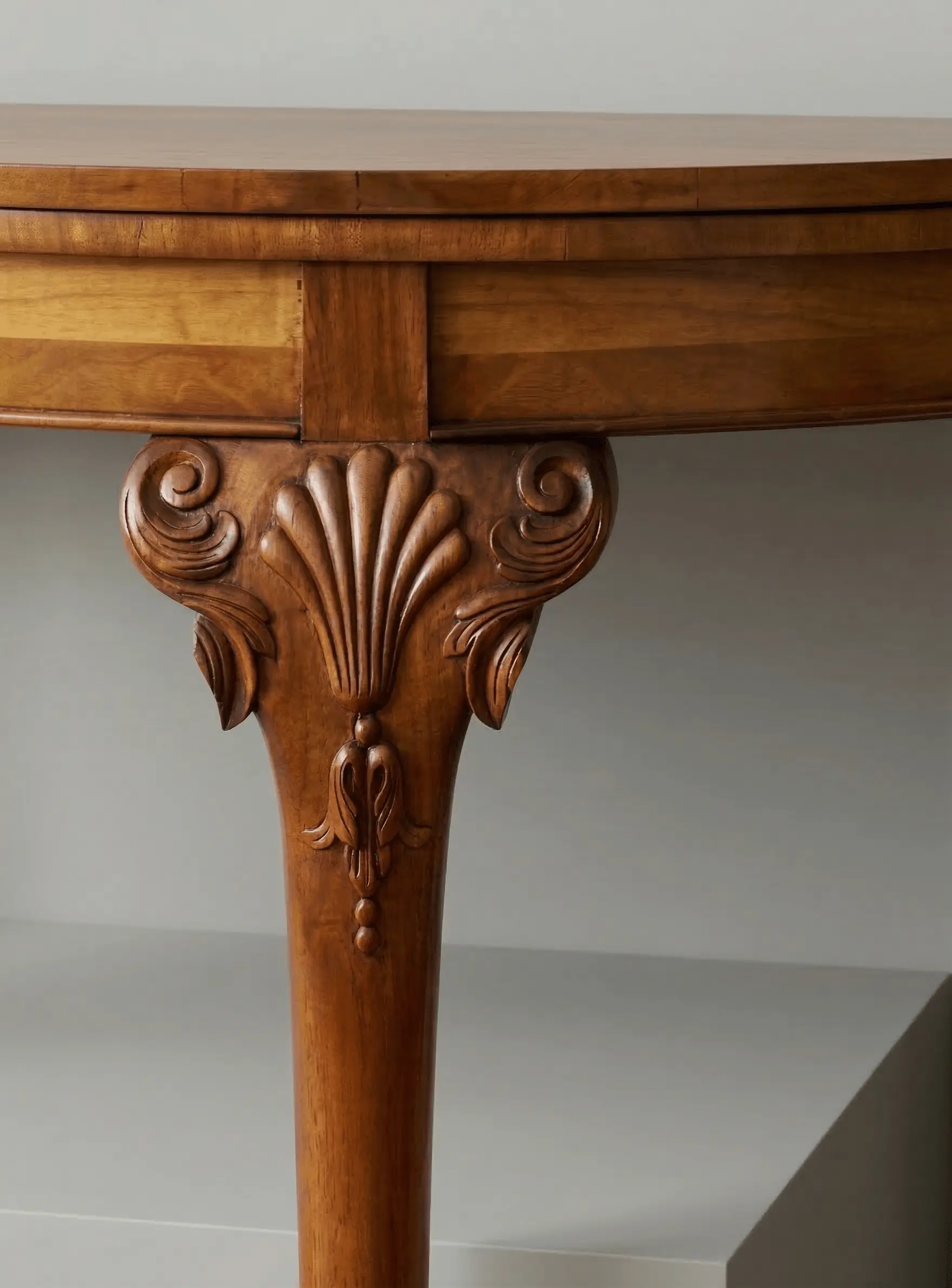
The implications for material selection are significant. In rooms that receive warm, directional light, timber and stone surfaces will develop a quality of richness that no artificial light can replicate. A solid mahogany table in a south-facing dining room is, at midday in autumn, a different object from the same table in a showroom. The grain catches the light in a way that reveals the depth of the wood, and the surface seems to glow from within rather than simply to reflect. This is not sentimentality about natural materials. It is physics: the micro-surface variation of solid timber scatters light across a broader spectrum than the uniform surface of a veneered or lacquered equivalent.
The Layered Light Plan
Artificial lighting should be designed in layers, a concept that has become so widely repeated it has lost its meaning, but the principle is sound. The three layers are: ambient, the base level of illumination that allows the room to function; task, directional light that makes specific activities such as reading, cooking, or dressing possible; and accent, light used to draw attention to a surface, object, or architectural feature.
The error most often made is to overdevelop the ambient layer and underdevelop the accent layer. Rooms lit entirely by ambient sources, recessed downlights distributed across the ceiling, have a characterless flatness. The ceiling becomes the brightest surface in the room, which inverts the natural logic of daylight and makes the room feel like an office.
Accent lighting, a picture light over a painting, a concealed strip behind a valance, a table lamp placed against a textured wall, produces the shadows that give a room depth. A room without shadow is not luminous. It is merely bright. Shadows are the architecture of light; they are what tell the eye where surfaces meet, where depth begins, where the room has edges. Remove shadow from an interior and you remove its spatial character entirely.
The Languageof Material
Every material makes a claim about time. Stone says: I was here before you and I will remain after you. Timber says: I was a living thing; I carry the record of the years I grew and the years I have been used. Linen says: I was woven by hand from a plant that grows in cold northern light. These are not sentimental associations, they are material facts, and they register in the body of anyone who inhabits a room built with genuine materials, even when they cannot articulate why.
The alternative, synthetic materials that simulate the appearance of natural ones, makes a different claim. It says: I was made quickly, at low cost, to look like something I am not. This claim is also registered, though usually unconsciously, as a quality of flatness or of something slightly false in the room's atmosphere. The room looks right in a photograph and feels subtly wrong in person.
Materials should be honest about what they are
A surface that simulates stone without being stone, that imitates the appearance of marble without possessing its weight, its cold, its variation, produces a room in which the eye and the hand receive different information. This discord, even when it cannot be named, registers as a quality of inauthenticity. Use timber where you want timber. Use stone where you want stone. The alternatives will always disappoint in the long term.
Materials should be chosen for how they age, not how they look when new
The most revealing question to ask of any material is not "how does this look today?" but "how will this look in fifteen years?" Solid hardwoods deepen and darken, developing a patina that no new piece possesses. Handwoven rugs soften and settle, becoming more beautiful as their fibres compact. Aged brass oxidises to a complex warmth. Concrete develops a skin of use. These are not signs of deterioration, they are the room becoming itself.
A room needs no more than three primary materials
Material profligacy, the tendency to include too many different surfaces and finishes, produces interiors that are visually incoherent. Each new material introduces a new voice; too many voices produces noise rather than conversation. The most resolved interiors are typically built around two or three primary materials that are in genuine dialogue with each other, with accent materials used sparingly and with clear purpose.
The floor sets everything
Of all the surfaces in a room, the floor is the most consequential. It is the material that is touched with every step, that receives the full weight of the furniture, that determines the room's acoustic character and its relationship to warmth. Ground a room with a well-chosen rug and you change everything about how the furniture reads. A solid timber floor in an old house is not a design choice, it is an inheritance, a connection to the people who lived in that house before you. It deserves to be understood as such, and to be maintained accordingly.
How RoomsPrepare You
Architecture is an art of sequence. You do not experience a building all at once; you move through it, and the order in which spaces are encountered, the thresholds between them, the compression and release of volumes, the way one room prepares you for the next, is fundamental to how the building feels. The same principle applies, at a smaller scale, to domestic interiors.
The entry hall is not merely a functional space, a place to put coats and keys. It is the room that establishes the register for everything that follows. An entry hall that is compressed, dark, and perfunctory tells the visitor that what lies beyond will be functional. An entry hall with considered proportion, a quality of light, and one carefully chosen object, a mirror, a console, a piece of art, establishes that the house has been thought about. It creates expectation and then fulfils it.
The principle is one of preparation through contrast. A low, intimate corridor makes the room it opens into feel larger. A wide, formal hall makes an intimate sitting room that follows feel more enveloping. The transition between spaces, the width of the door, the change in floor material, the shift in ceiling height, is as much a designed element as any piece of furniture. In the best houses, these transitions are calibrated with the care that is more typically given to the rooms themselves.
This is part of what is lost when interior design focuses exclusively on individual rooms rather than on the house as a sequential experience. A room that is perfectly resolved in isolation may fail within the house if it does not respond to what precedes and follows it, if it breaks the tonal logic of the sequence, introduces materials that have no relationship to what came before, or shifts the register from formal to casual without preparation.
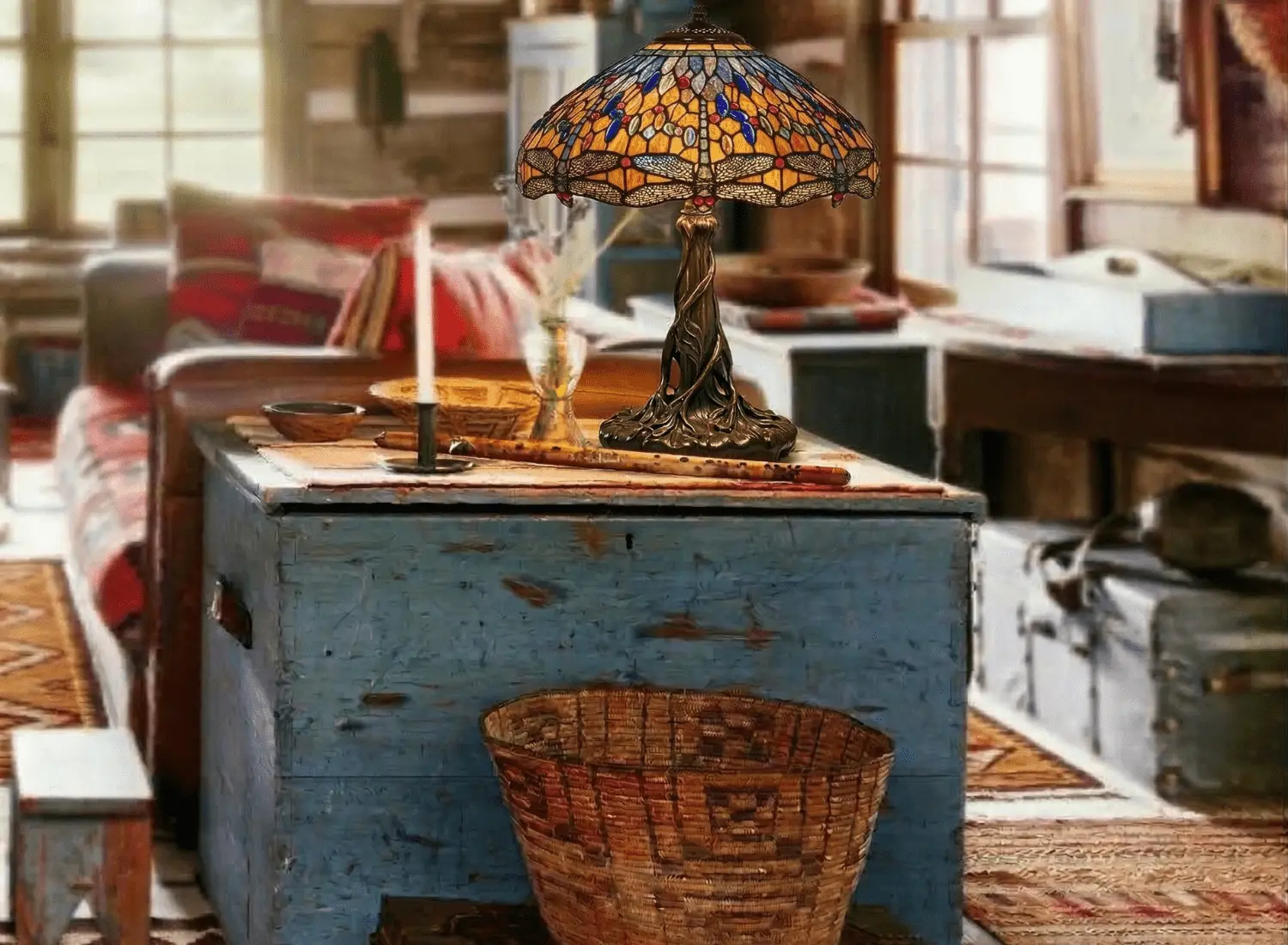
The rooms that hold a family for a generation are not the rooms that were decorated most carefully. They are the rooms that were understood most deeply, as architecture, as material, as light, as sequence, as home.
— RS Studio · Reeva Sethi HomePieces ThatStructure a Room
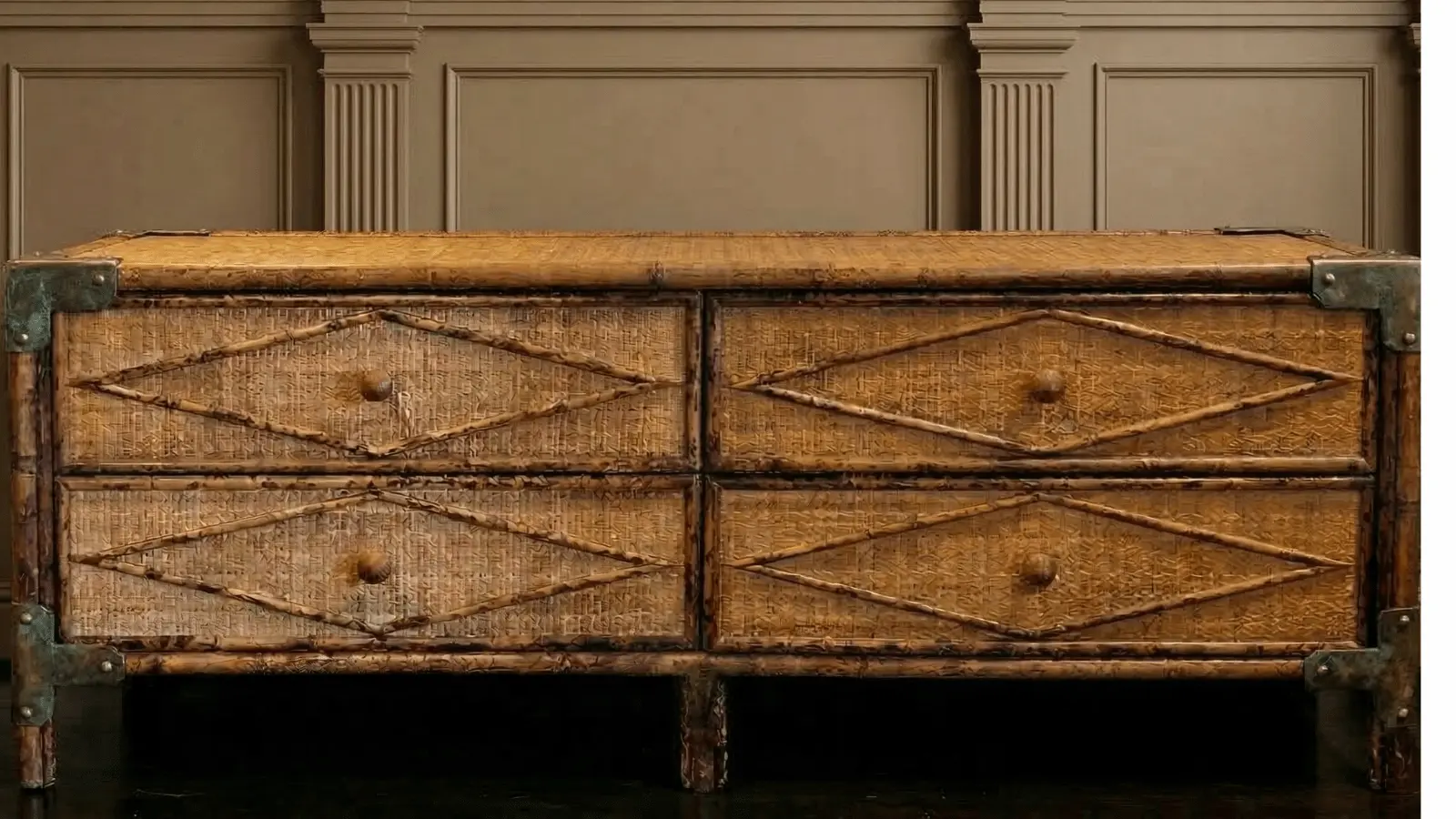
Furniture is not the decoration of a room. In the most resolved interiors, furniture is the architecture, the system of forms that divides space, establishes hierarchy, and determines how the room is used and felt. A large dining table is not simply a surface for eating; it is the structural centre around which the room organises itself, the element that determines the ceiling height required above it, the quantity of natural light needed beside it, the number of people it can hold and therefore the social life it makes possible.
This is why the choice of primary furniture, the pieces around which a room is organised, is among the most consequential decisions in any interior project, and why it deserves to be made early rather than late, as a structural decision rather than a finishing one. The room should be designed from the inside out: from the central piece of furniture outward to the walls, rather than from the walls inward to wherever space remains.
The Case for Heirloom Quality
There is an economic argument for quality furniture that is rarely made clearly. A solid hardwood dining table acquired at significant cost will outlast, almost certainly by several generations, the less expensive alternatives. Over its lifetime, the cost per year of ownership will be considerably lower than that of a table replaced every decade. But the purely economic argument, compelling as it is, misses the more important point.
The furniture that accumulates meaning is the furniture that was made to last. A table that has held thirty years of family dinners is not merely an object. It is a record. The marks and patina it has acquired, the ring from a wine glass, the slight roughening from decades of use, are not damage. They are the material evidence of a life lived around it. This transformation from new object to family possession is only possible if the piece was built with the quality to survive the transition.
Mass-produced furniture, however visually appealing when new, rarely survives this process. The composite cores de-laminate. The joints loosen. The surfaces, unable to be refinished, develop a quality of wear that reads as deterioration rather than patina. The piece does not deepen, it diminishes. And a room full of diminishing pieces is a room in slow decline. View the RS Studio furniture collection.
What WeOwe Our Homes
The home is the primary built environment of most human lives. More hours are spent inside domestic space than in any other type of architecture. The quality of that space, its proportion, its light, its materials, its sequence, is not a luxury consideration. It is a daily experience that shapes mood, attention, relationships, and the quality of rest and thought that the house either supports or undermines.
This is not an argument for extravagance. Some of the most beautifully inhabited rooms in history have been modest in both dimension and cost. What they share is not expense but intentionality, the evidence that someone thought carefully about what the room needed to be, and made decisions accordingly. That a ceiling was left at its original height rather than lowered for convenience. That a floor was restored rather than covered. That a piece of furniture was chosen because it was right for the room, and right for the life that would be lived in it, rather than because it was available and affordable.
The architecture of home is a practice of attention. It requires you to look at your rooms, really look, rather than simply inhabit them, and to ask what they need. Not what would make them look better in a photograph. Not what is fashionable in the current moment. What, in the deepest and most structural sense, would make them more true.
The rooms that endure are the rooms that were approached with this kind of seriousness. They do not announce themselves. They simply hold you, and over time, as the furniture settles and the light finds its rhythms and the materials develop their patina, you find that you have stopped thinking about the room at all. You are simply, entirely, at home.
RS Studio works with clients in the San Francisco Bay Area on residential interiors, furniture selection, and architectural consultancy. The showroom is open Monday through Saturday in Saratoga, California.
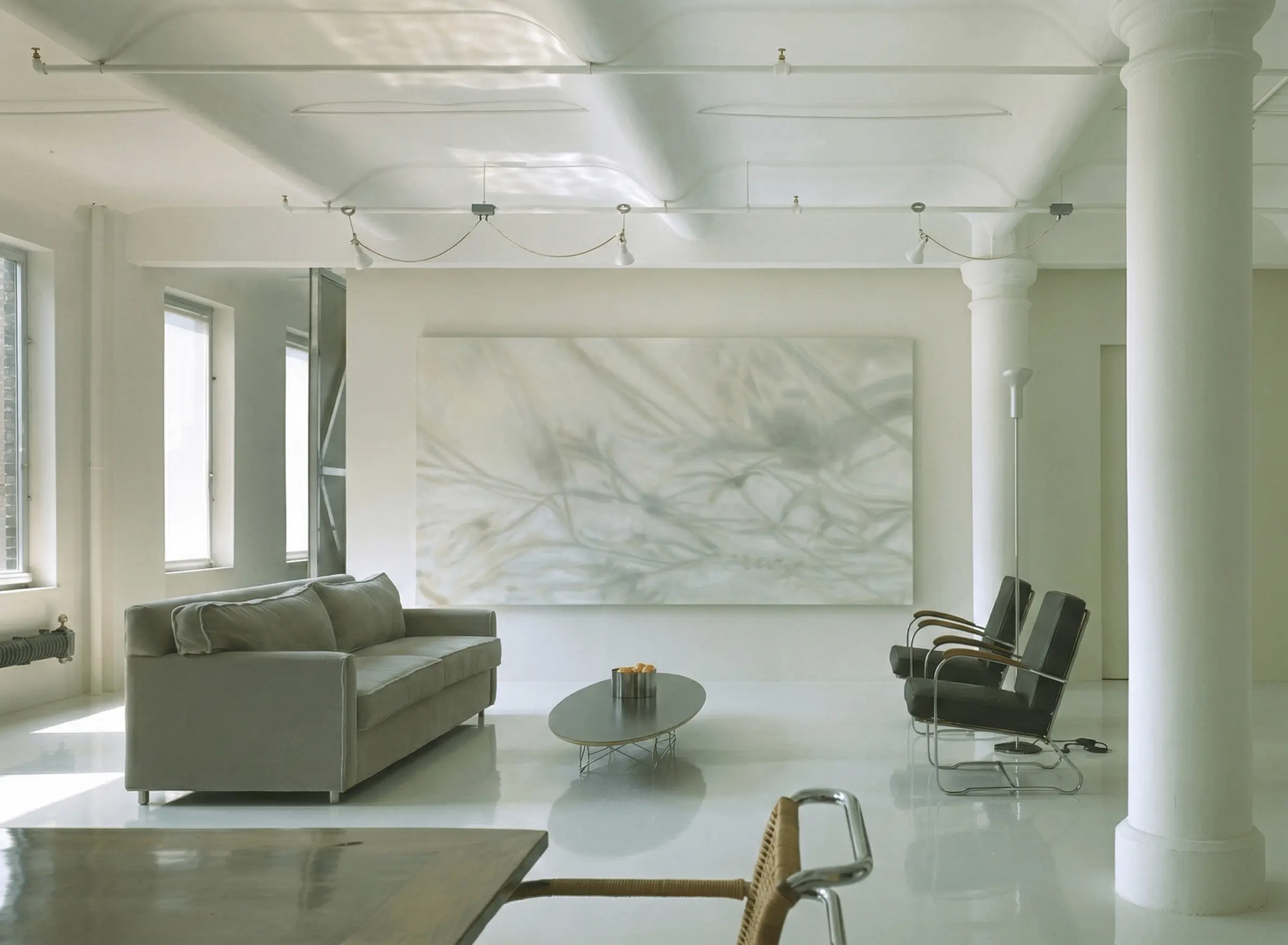
Bay Area homes didn't become cold by accident. A forensic investigation into who built them this way and what it actually takes to undo it.
Read the essay