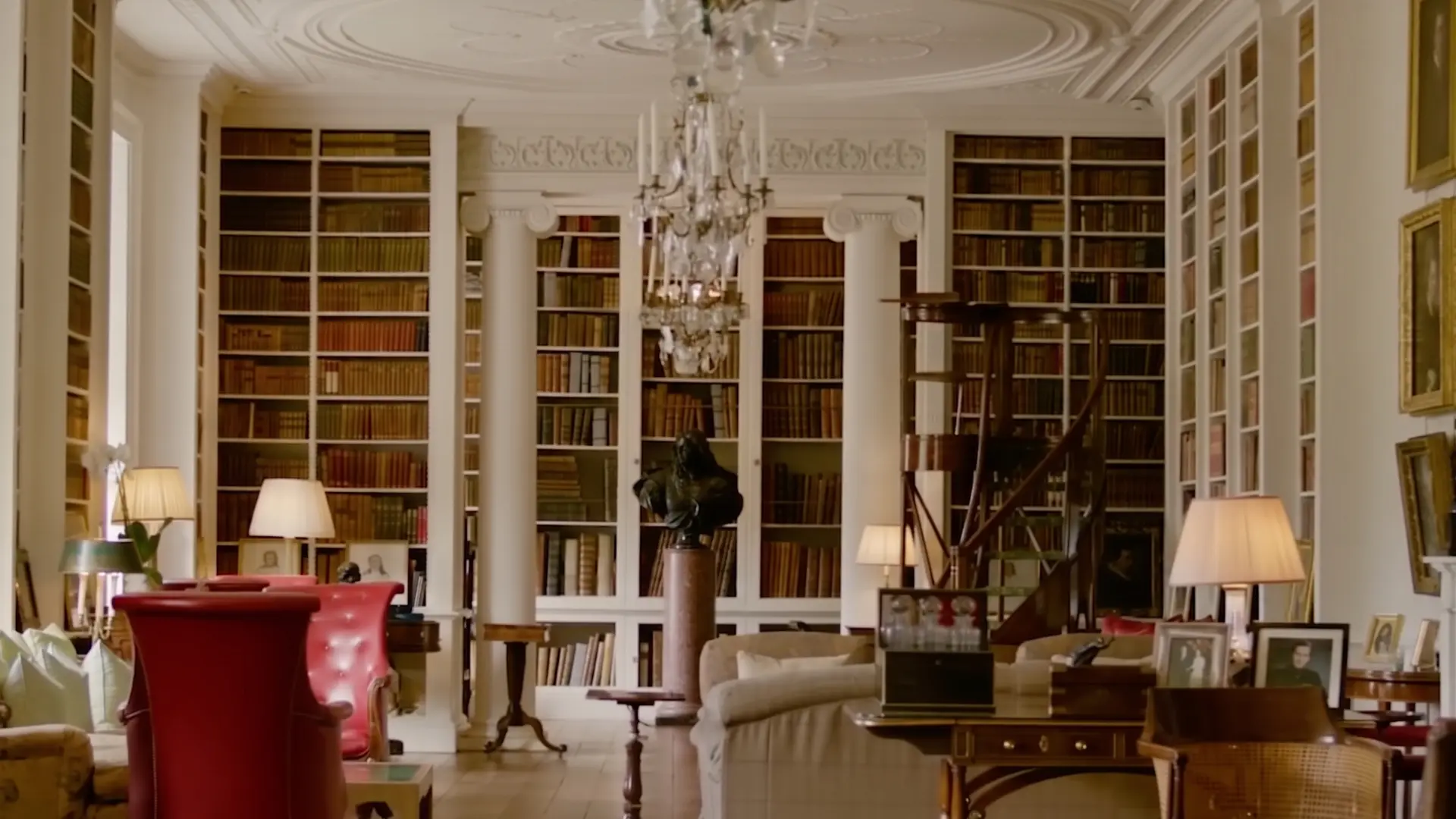
How to Decorate Like a Collector,
Not a Consumer
On buying with intention, building slowly, and the difference between a room that accumulates meaning and one that just accumulates things.
I opened Reeva Sethi Home because I kept feeling that something was disappearing. Furniture was becoming lighter, faster, easier to replace. I kept coming back instead to the things I grew up around: pieces that were beautiful, useful, and expected to stay. More than the objects themselves, I missed the thinking behind them. Rooms once felt assembled over time. Increasingly, they felt completed in a weekend.
This is about the other kind of room. The kind you build slowly, with things you actually chose, for reasons you can actually explain. The kind that, ten years from now, still looks like you.
What a Collected Interior Actually Is
The word "collected" gets used loosely, so let me be precise about what I mean. A collected interior is not maximalist for its own sake. It is not a room full of old things. It is a room where almost everything has a reason for being there — a story you can tell, a decision you remember making, a quality that was worth what it cost.
The opposite is not minimalism. The opposite is consumption: rooms furnished quickly, from the same five sources everyone else uses, in the same palette that was trending eighteen months ago. Those rooms are not wrong. They simply tend to age with the trend that created them. And most people, somewhere around year three, feel it.
When I think about what we carry at the studio — the furniture we source, the fabrics we bring in — the question is always the same: will this still feel right in fifteen years? That filter removes a lot. What remains tends toward natural materials, honest construction, and pieces with enough character to hold their own as a room evolves. We write more about that thinking in the collected aesthetic, if you want to go deeper.
Start with the Room Itself
Before furniture, before objects, there is the room. And the room has more to say than most people let it.
I am always surprised how much changes when someone addresses the architecture first — the proportion of the windows, the height at which curtains hang, the colour on the walls. These are not decorating decisions. They are structural ones, and they set the terms for everything that follows. We wrote about this in some depth in the architecture of home, and it is worth reading before you spend anything on furniture.
The walls are almost never a bright, clean white. Not because white is wrong, but because warm neutrals — linen, oyster, aged putty — tend to make objects read better. They absorb rather than compete. That said, this is not a rule. It is an observation. Your room will tell you what it wants, if you spend enough time in it before you paint.
Window treatments are one of the highest-impact, lowest-discussed decisions in a room. Curtains hung at ceiling height and cut to just touch the floor change the perceived scale of a space more than almost anything else. That observation is not original to me — every good decorator knows it — but it is still underused, especially in California, where we default to bare windows and call it "the view."
Buy in the Right Order
Most people furnish a room from the outside in — sofa first, then chairs, then side tables, then lamps, then they wonder why nothing quite coheres. The better sequence starts with the rug. The rug sets the palette, establishes the scale, and determines how much character the room is willing to hold.
I wrote a whole piece on this because I kept watching clients get it backwards: the furniture you should buy last. It is one of the most practical things on the journal. Start there if you are mid-project and something feels off.
Once you have the rug and the anchor seating, the rest becomes easier. The principle I return to: pieces do not need to match. They need to belong. A French bergère and an English writing table can share a room comfortably if they share a sensibility — natural materials, honest scale, nothing that is pretending to be something it is not. We go further into this in the tyranny of the matching set.
The objection I hear most: "I don't know enough to buy antiques." Here is what I have learned from years of sourcing: you do not need to be an expert. You need to slow down. Most bad antique purchases happen fast — impulse, good lighting, a persuasive seller. Most good ones happen after you have sat with the piece, walked away, and come back.
If you want a foundation in what to look for, what makes furniture heirloom quality covers construction in plain terms — joinery, wood species, finish — without the connoisseurship anxiety.
If you are sourcing heirloom-quality furniture rooted in traditional craftsmanship, our collection is selected with these same ideas in mind. Explore the collection →
The Rug, Then Everything Else
Textiles are where I see the biggest mistakes and the biggest transformations.
The rug is the first. Buy the best one you can afford, and make it larger than you think you need. An antique or vintage Oriental — Persian, Turkish, Moroccan flatweave — brings something a new rug cannot: the evidence of time. The colours have settled into each other. The pile has worn in the places where people walked. There is a short piece on the making tradition behind these objects — stories woven in motion — that I find myself returning to when I need to remember why it matters.
After the rug: upholstery in varied textures. Velvet on one chair, linen on the sofa, something woven on a footstool. The fabric register is a useful reference here — it covers pattern, colour weight, and how to mix without it becoming chaos.
One thing I have been thinking about more recently, and have started incorporating into rooms I source for clients: the tapestry. Not as a trend, but as a format. A wall-hung tapestry changes the visual scale of a room in a way that a painting of the same size cannot. It absorbs light differently. It brings history without weight. The art of the tapestry goes into this properly.
The rugs, fabrics, and textiles we carry are chosen for natural materials, craftsmanship, and the way they develop over time rather than deteriorate with trends. Browse fabrics and textiles →
What You Are Actually Choosing When You Choose a Material
This is something I think about constantly and rarely say simply enough: when you choose a material, you are choosing how it ages. Not just how it looks today — how it looks in five years, after sun and use and the particular quality of your household light.
Synthetic finishes tend to look new, and then they look old, with very little in between when they look good. Natural materials do something different. Linen softens. Wood acquires a patina in the places most handled. Wool settles. These materials do not degrade — they develop. That is the distinction I keep coming back to in materials, memory, and making, and it is the argument behind almost everything we stock at Reeva Sethi Home.
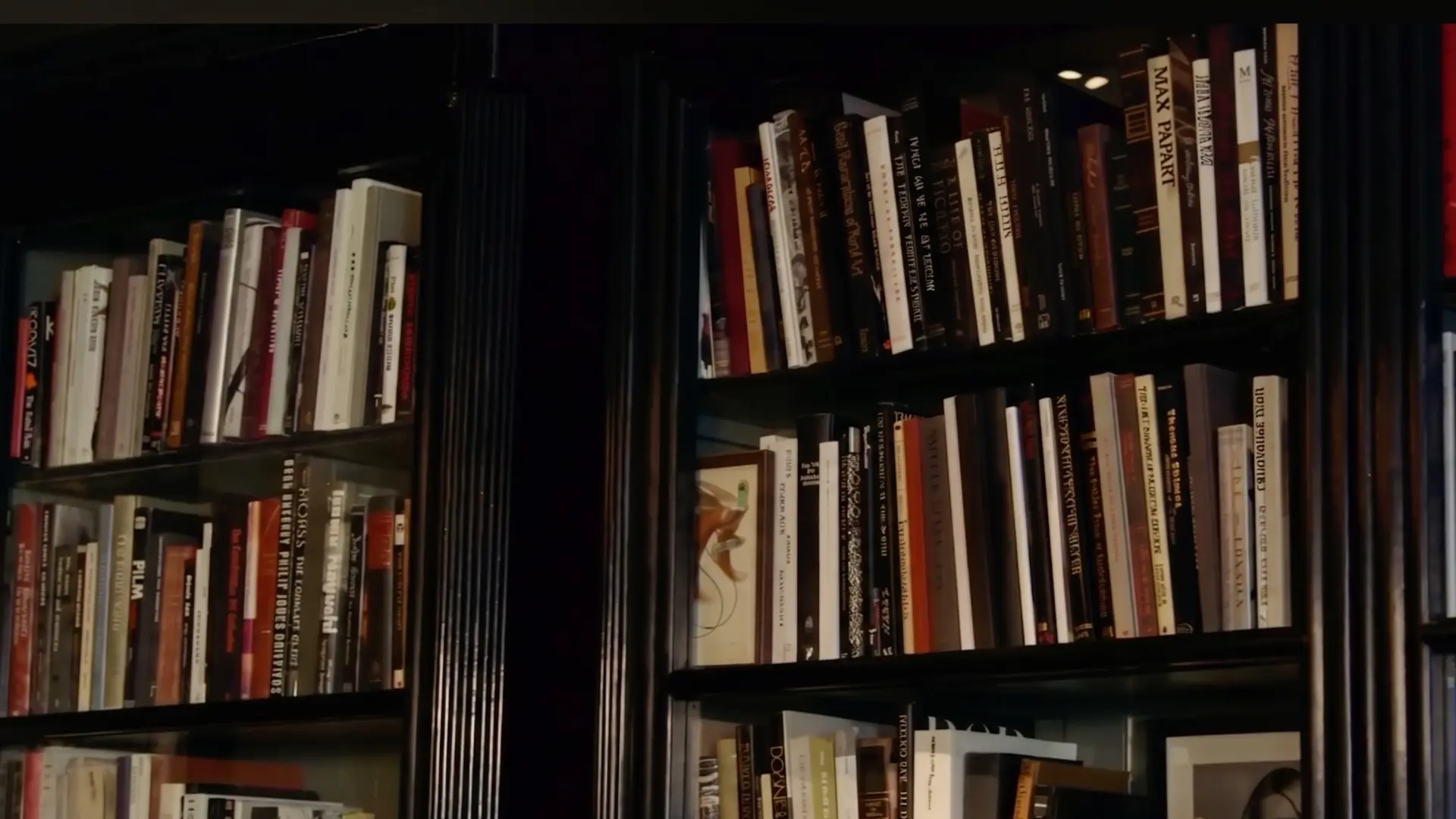
Wood in particular rewards attention. Not just the species — though that matters, and the wood beneath the surface covers it well — but the joinery, the finish, the way a piece was constructed and for whom. The difference between a piece built to last two generations and one built to last two years is usually visible, once you know where to look. Materials that endure is a good place to start developing that eye.
This thinking shapes what we bring into the studio. If you would like to see materials and craftsmanship in person, schedule a private appointment in Saratoga →
Light Last, but Not Least
I have walked into beautiful rooms that felt wrong and could not explain it until I looked up. The lighting was even, bright, and sourceless — the kind that fills a space without illuminating anything in particular. That quality of light makes everything in a room look equally important, which means nothing reads as important at all.
Collected interiors tend toward layered light: a table lamp here, a sconce there, a central fixture that sets the tone without doing all the work. The result is a room that reveals itself in pools and shadow rather than all at once.
Replace every bulb in a room with a warm-temperature equivalent — 2700K or below. Do it before you change anything else. It costs almost nothing and the difference is immediate. Rooms that felt cold become rooms that feel inhabited. That is not a small thing.
There is a reason some rooms feel settled and some feel agitated, even when the furniture is similar. It is almost never about the objects themselves. Why some rooms feel calm is the most thorough thing I have written on the subject — light, proportion, material, and the way they work on us before we have thought about it.
It Takes as Long as It Takes
I know this is not what anyone searching "how to decorate with antiques" wants to read. Everyone wants the shopping list. I understand the impulse — I felt it too, before I stopped trying to assemble rooms quickly and started letting them grow instead.
What I have noticed, after years of doing this: the rooms that people remember, the rooms they ask about, the rooms that still feel right a decade later — they were almost never finished quickly. They were finished slowly, or not finished at all, in the best possible sense. They are always in a quiet conversation with whoever lives in them.
Begin with one good piece. Not the cheapest available option, and not the most expensive thing you can stretch to — the one that you would genuinely keep forever. Build from there. If something isn't working, there are usually measurable reasons. Learn to diagnose before you spend.
The room you end up with will look like no one else's. It will be slightly harder to explain than something bought from a catalogue. And it will be, almost certainly, the room you are glad you built.
If you are building slowly and want help finding heirloom-quality furniture, textiles, and pieces rooted in tradition, schedule a private appointment at our Saratoga studio.
Book a Consultation →Not local? RS Studio publishes monthly notes on materials, interiors, and the thinking behind Reeva Sethi Home.
Subscribe →That is RS Studio.
Frequently Asked
What exactly is a collected interior?
A room where the things in it were chosen deliberately, over time, for reasons you can still explain. Not necessarily expensive, not necessarily old — but considered. The opposite is a room assembled quickly from a single source to match a trend. Both can look fine on day one. Only one of them holds up.
Do I need a large budget to start?
No — but you need patience, which is harder. The move is to buy fewer things and buy them better. One antique rug bought well will anchor a room more successfully than a full matching furniture set bought at retail. Start with what you can afford and build slowly. The alternative — filling a room quickly with mediocre things and replacing them later — tends to cost more in the end.
Can this work in a modern home or apartment?
Yes, and often better than you expect. The collected aesthetic does not require Victorian architecture. It requires natural materials, considered scale, and objects with enough character to hold the room. A single well-chosen antique piece in a clean modern space often reads better than it would surrounded by other antiques.
How do I avoid it looking cluttered rather than collected?
Restraint in the palette. If the walls, floors, and large upholstered pieces are quiet — warm neutrals, nothing competing — the individual objects have room to be seen. Edit continuously. Remove things that are not earning their place. A room that feels rich rather than cluttered has almost always had something taken out of it recently.
REEVA SETHI is the founder of Reeva Sethi Home in Saratoga, California — a showroom and studio built around the principle that rooms should last, not trend. RS Studio is her journal on interiors, materials, and the thinking behind the collection. Read more about Reeva.