Anglo-Colonial:
Quietly Composed
A study in the travelled interior. Cooling whites, rattan, timber, and objects that feel lived-in because they are.
Anglo-Colonial interiors rarely feel decorative. They feel prepared—built for heat, travel, and use. British proportion is softened by climate, natural materials, and the quiet logic of portability.
Anglo-Colonial Interior Design Principles
The style begins with architecture, not accessories. Shade, circulation, and breathing room are the real luxury. High ceilings, floor-to-ceiling windows, and arches framing porches aren’t a look. They are a solution, and that’s why the aesthetic reads so naturally in California.
Temperature control informs every detail: timber plantation shutters, rattan blinds, and sheer curtains that filter the bright light. Even the ceiling fans, crafted from timber or cane, add a textural layer to the cooling whites of the envelope.
 Proportion + Scale
White as Structure
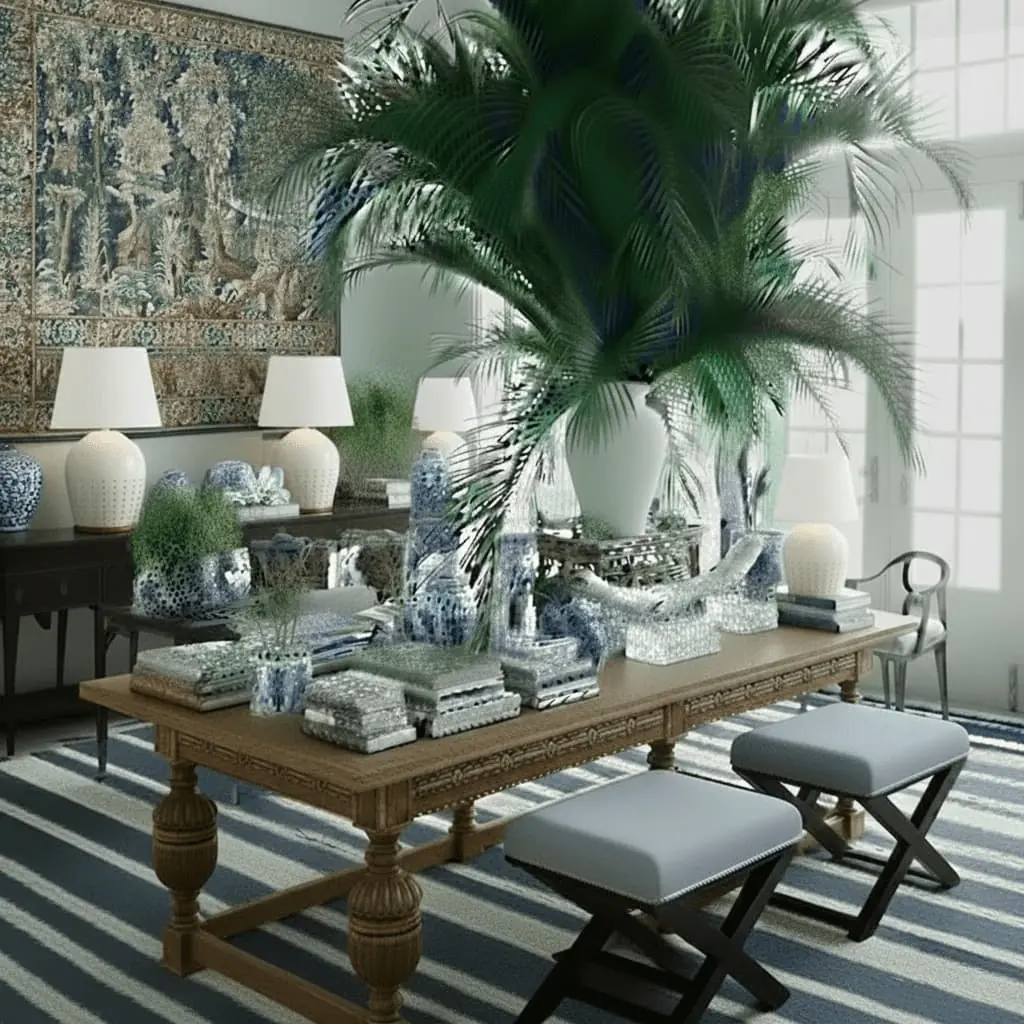
White is never decorative here. Chalky whites and warm ivories create air, hold shadow, and make room for timber and greenery without heaviness. Contrast arrives through dark-stained wood and cane, acting as calm structure rather than drama.
The Traveler’s Lifestyle
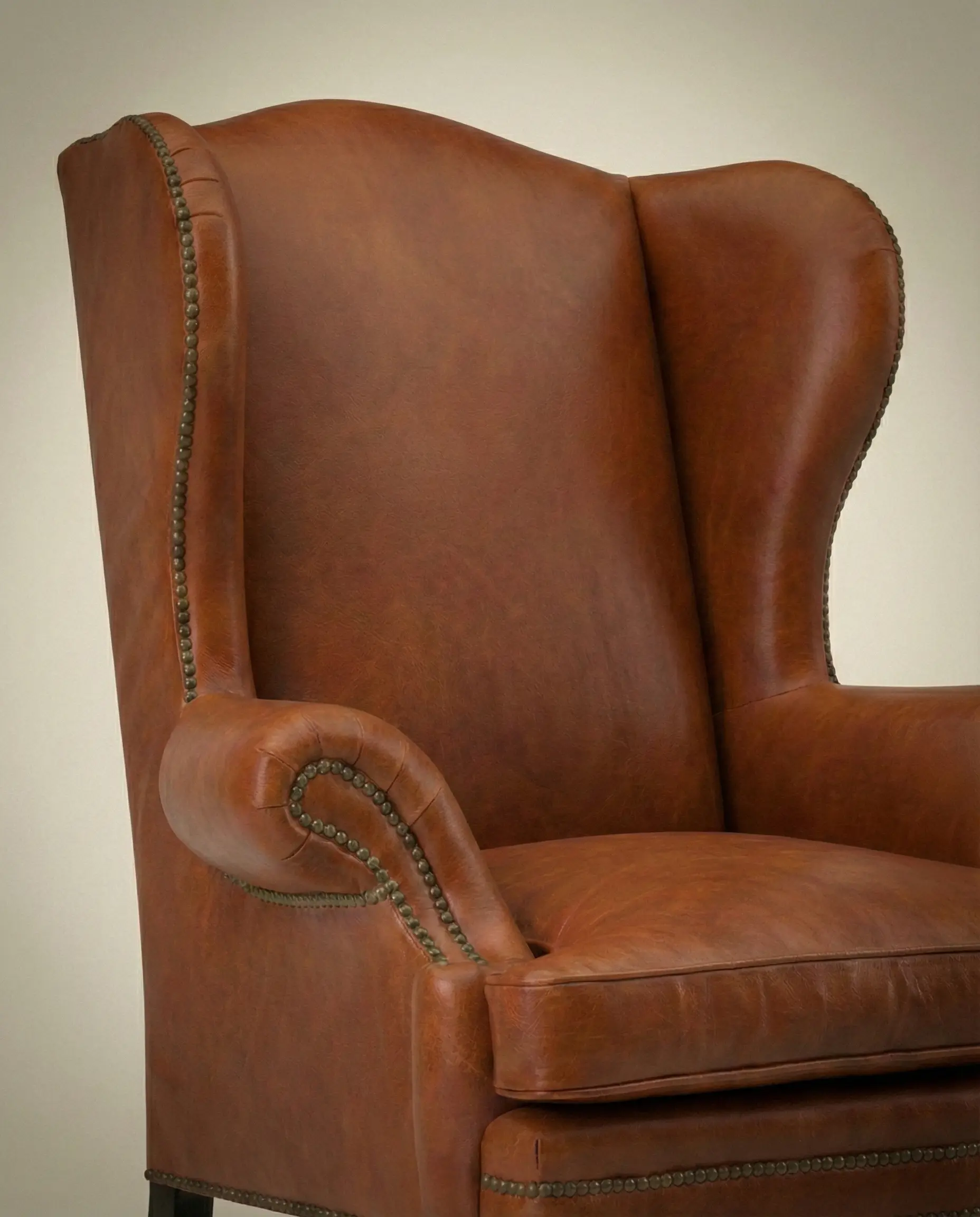
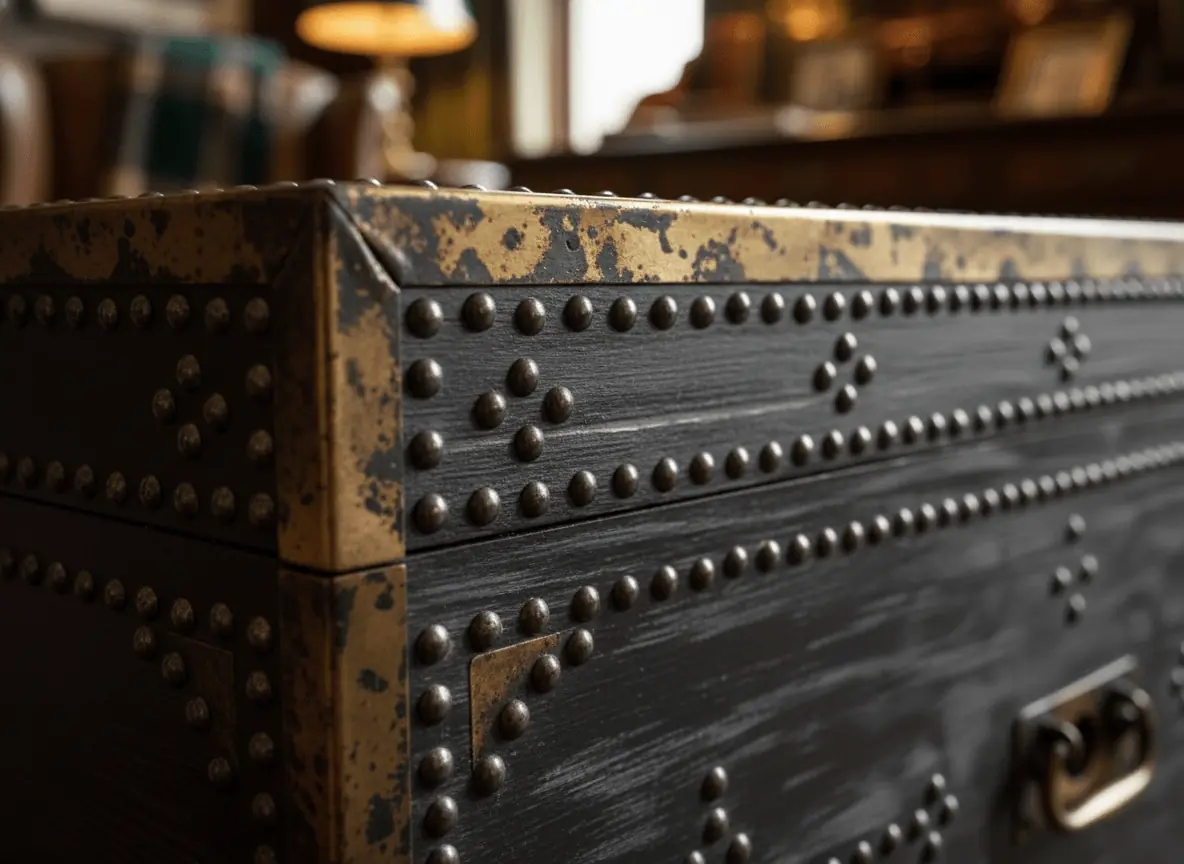
The furniture reflects a heritage of movement. Portable silhouettes define the space: leather trunks serving as coffee tables, collapsible writing desks, and folding directors chairs in timber and canvas.
 Campaign Craft + Portability
Dark finishes should feel settled, not shiny. Think mahogany, teak, and time-worn blackened wood. Brass belongs when it looks handled, and gilding works best when it reads as history rather than decoration.
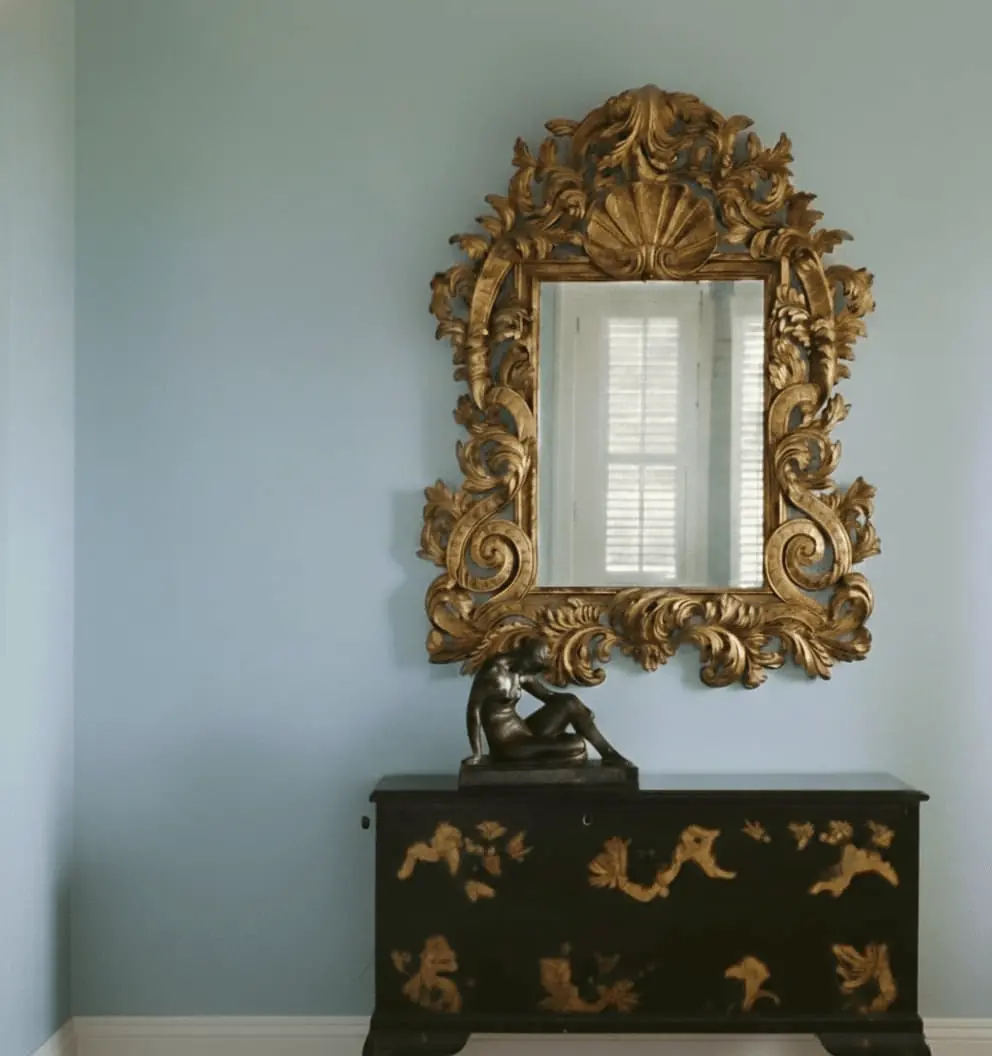 Shadow + Patina
The Collected Layer
The finishing layer is never a set. It’s a stack of books softened at the spine, ceramics that don’t match, and a brass corner that shows the hand of the maker. This is how the style avoids looking themed. It relies on objects that feel earned through time.
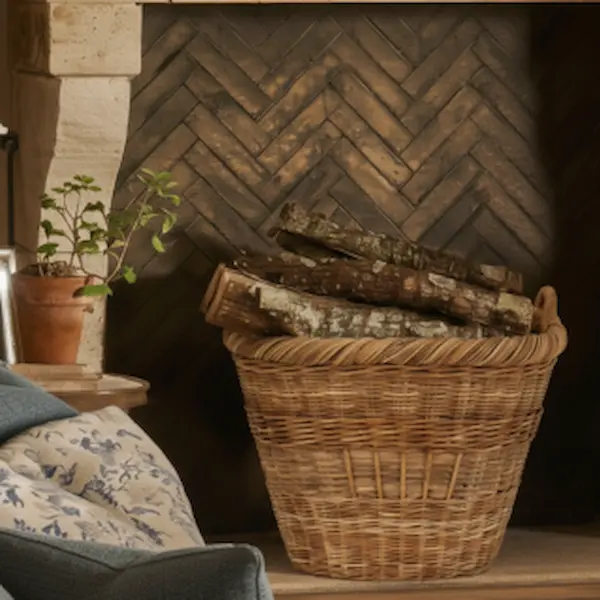 Utility + Restraint
 Artifacts + Memory
Tapestry, Textiles, and the Hand
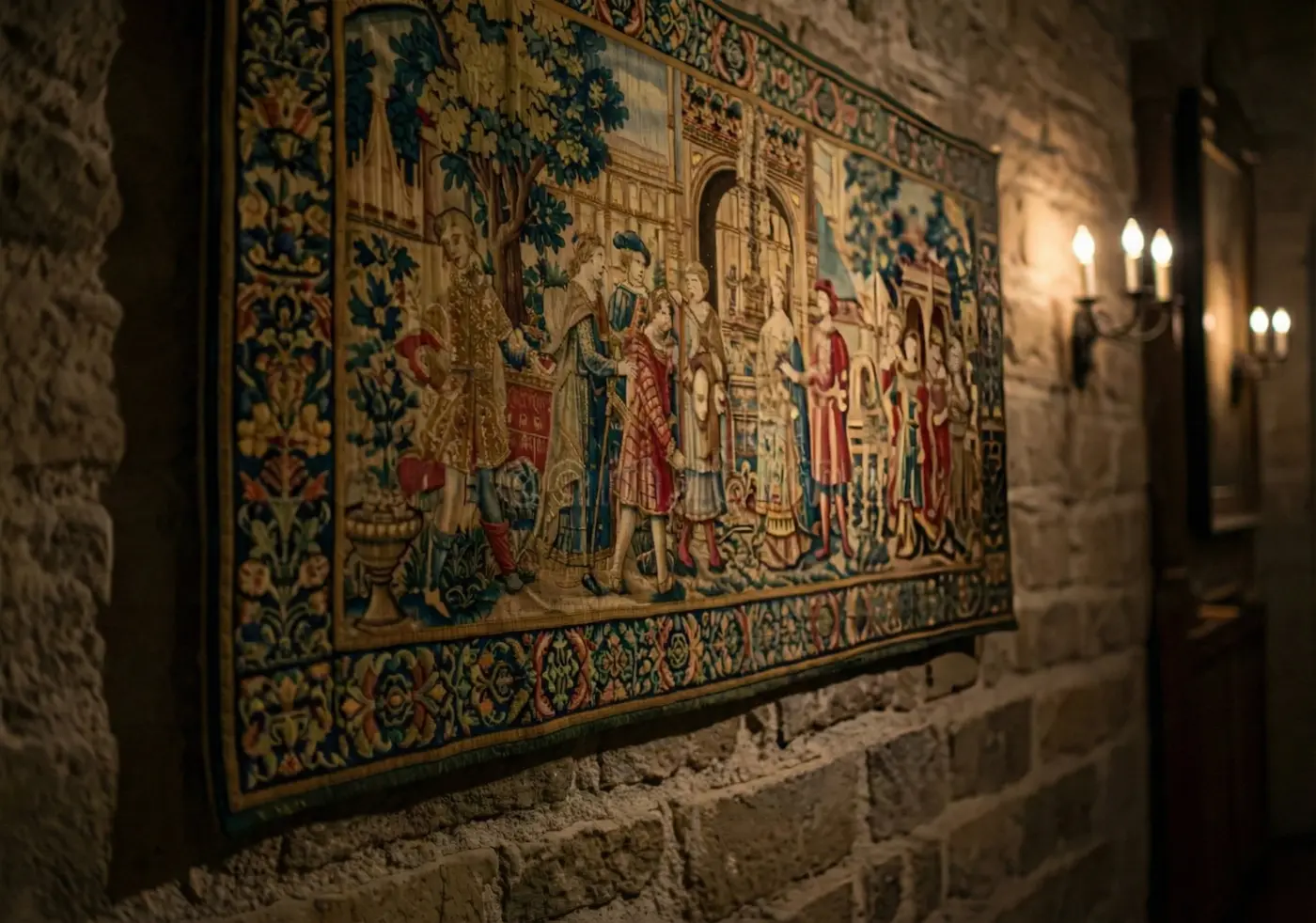
If furniture provides structure, textiles provide soul. Heritage tapestries act as anchors, absorbing light and adding hand-crafted depth to large wall surfaces. They bring a commitment to workmanship shaped by generations.
The right textile does what greenery is often asked to do. It brings life without clutter. Panoramic wallpapers and faded block prints introduce botanical energy, while seagrass, jute, and Turkish rugs ground the timber floors.
RS Studio
REEVA SETHI, founder and principal designer of RS Studio, creates interiors rooted in classical proportion and material restraint. Her work reflects Northern California light, favoring permanence, craftsmanship, and composed spaces designed to endure beyond trend.