

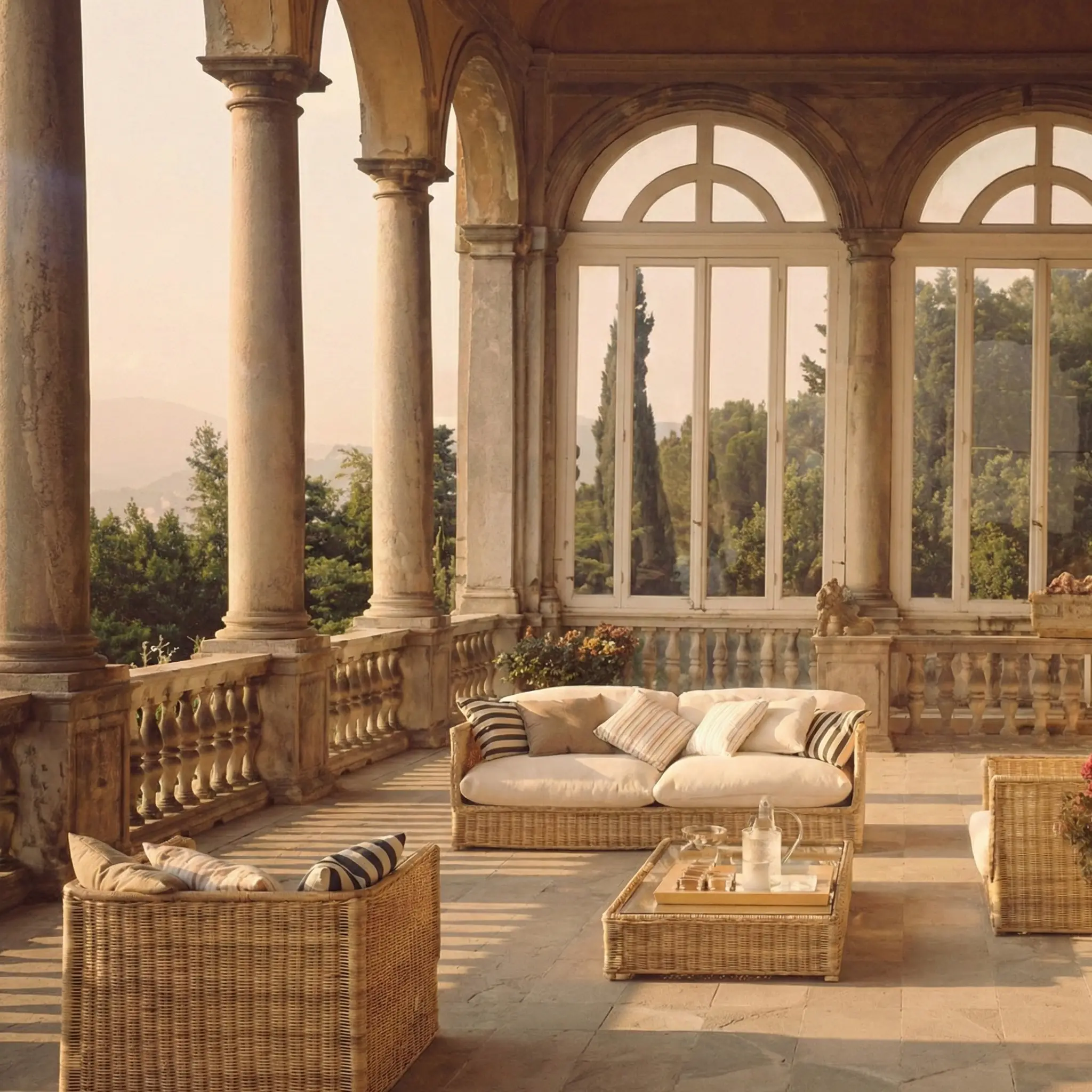
Wicker vs rattan—the confusion between these terms has puzzled Bay Area homeowners for generations. Walk into any high-end showroom in Saratoga or Los Gatos, and you’ll hear the words used interchangeably. Yet, they describe fundamentally different things. Understanding the difference between wicker and rattan isn’t merely academic; it affects durability, investment value, and whether your furniture will thrive in our unique California microclimates. This comprehensive guide clarifies the distinction to help you curate a home of lasting beauty.
The Fundamental Difference: Material vs. Technique
Here’s the essential distinction that transforms furniture shopping from confusion to confidence: rattan is a material, while wicker is a weaving technique. This single fact unlocks everything else you need to know about purchasing luxury woven furniture.
Rattan is a naturally occurring vine-like palm that grows in the tropical regions of Southeast Asia. It is one of the strongest natural fibers available for furniture making, featuring a solid core that provides exceptional durability—far superior to hollow bamboo. When you purchase rattan furniture, you are investing in a specific, robust plant material.
Wicker, by contrast, describes the ancient process of weaving pliable materials around a frame. Wicker furniture can be woven from rattan, but it can also be crafted from willow, reed, synthetic fibers, or even paper. The technique is the “how”; the material is the “what.”
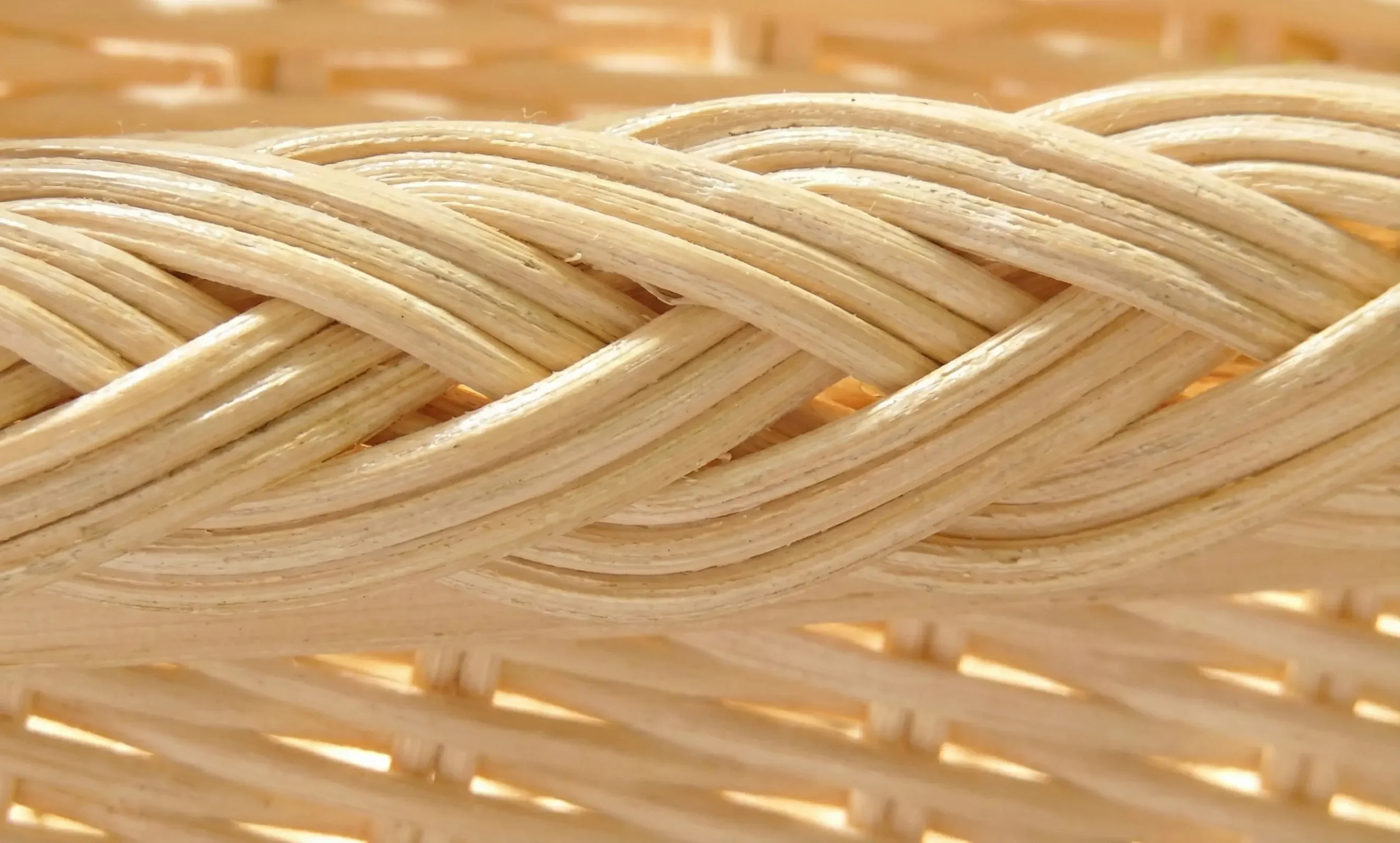
Think of it this way: All rattan furniture utilizes the rattan plant, but not all wicker furniture is made from rattan.
Understanding Rattan: Nature’s Strongest Vine
Why Rattan is Ideal for Heirloom Furniture
Rattan grows as a climbing palm, reaching lengths of up to 600 feet in the rainforest canopy. Unlike bamboo, which is hollow and prone to cracking, rattan features a solid core. This structural integrity makes it the gold standard for high-end furniture frames in luxury homes across Saratoga and Monte Sereno.
Harvesting rattan also supports rainforest preservation. Because the vine requires a healthy forest ecosystem to thrive, it provides an economic incentive for communities to protect the rainforest rather than clear-cut it—a value that aligns with the sustainable mindset of many Bay Area residents.
Styling Wicker in the Modern Home
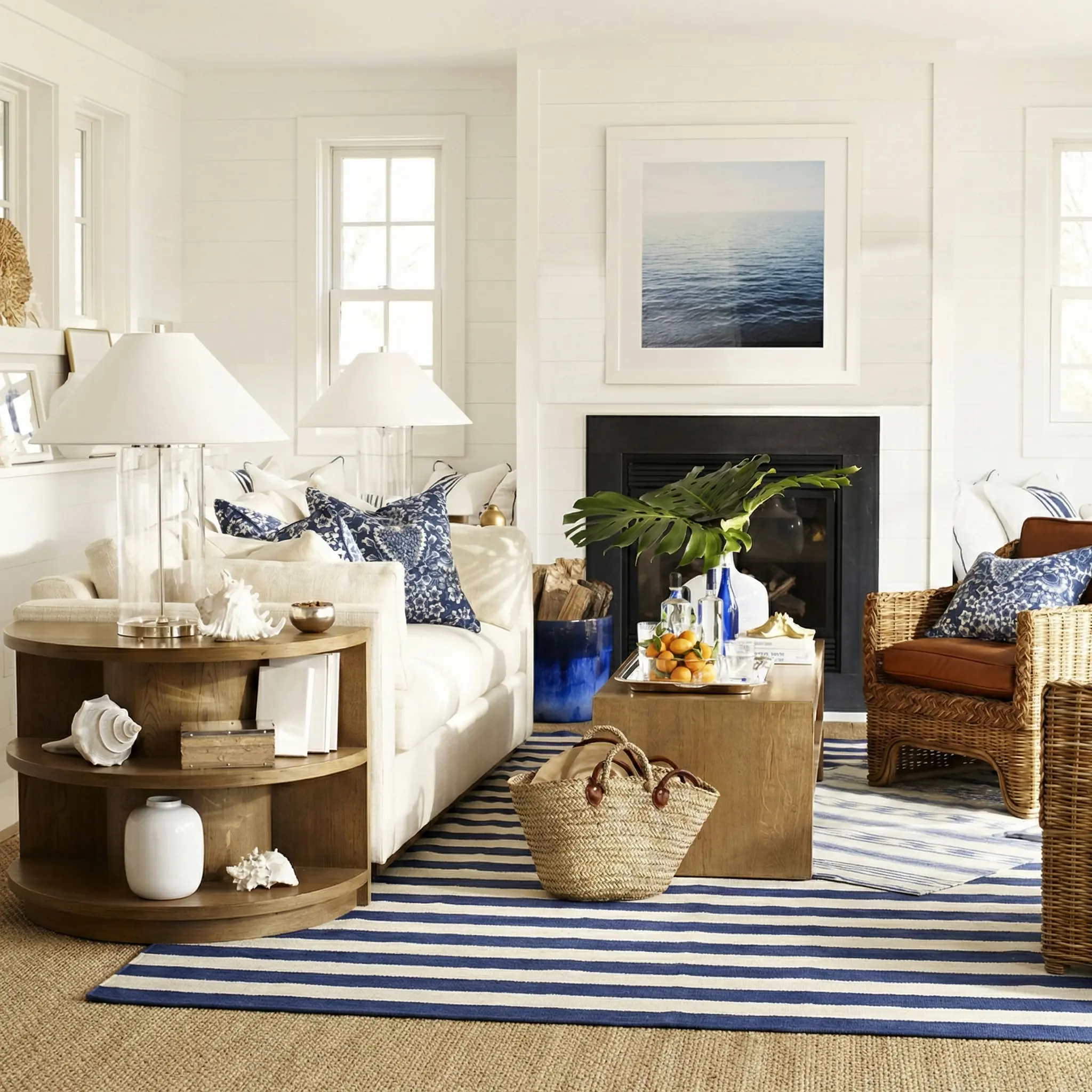
Living Room Texture
A pair of sculptural wicker armchairs breaks up the monotony of upholstered sofas. The natural texture provides a “collected” feel that distinguishes a curated home from a showroom catalog. Pair with linen pillows and vintage rugs for a layered, organic look.
Sunroom and Conservatory
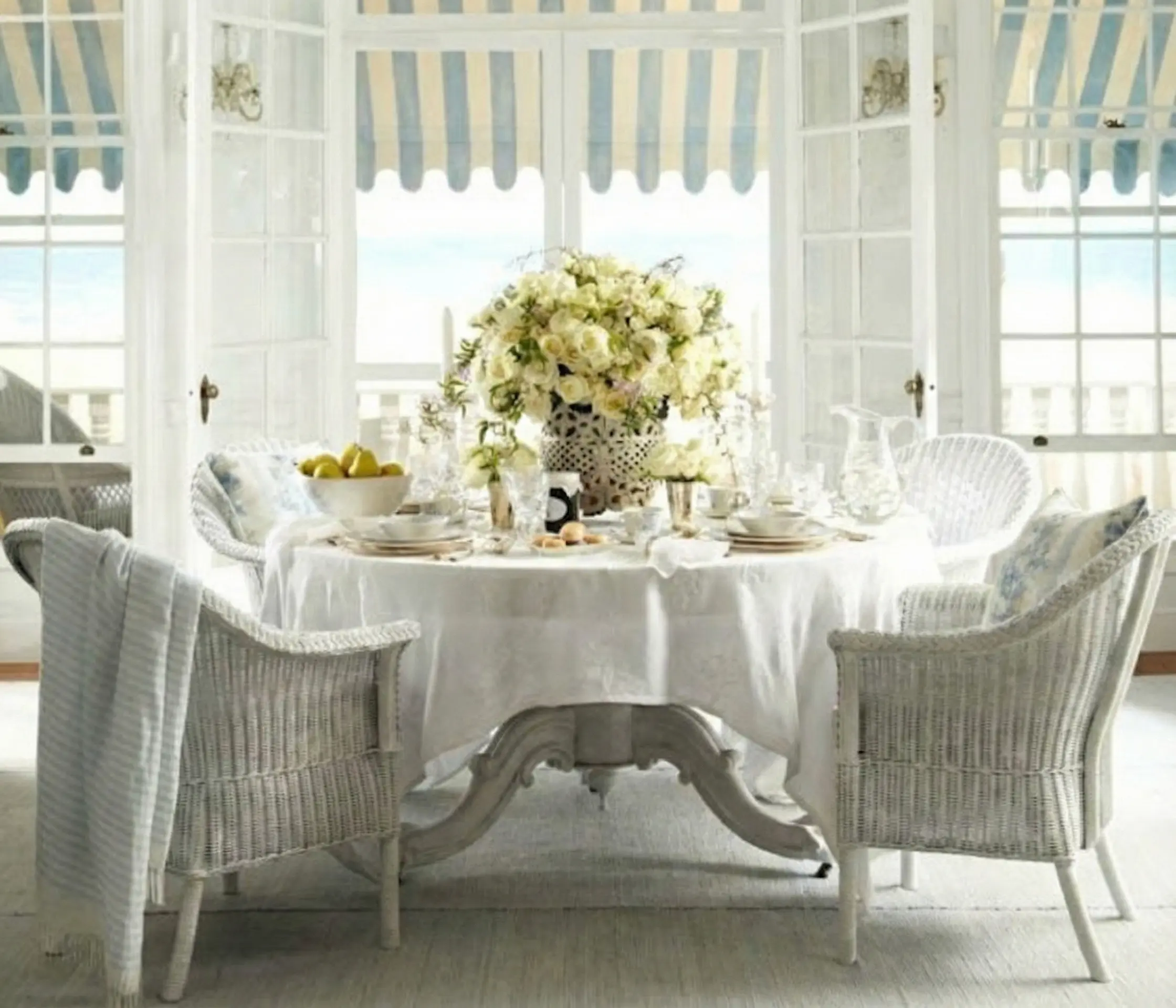
Sunrooms represent wicker’s natural habitat. The material’s connection to outdoor living makes perfect sense in these transitional spaces. Wicker’s light weight allows easy rearrangement as the sun moves through the day.
Natural vs. Synthetic: The Bay Area Climate Factor
Natural Rattan for “Quiet Luxury” Interiors
Natural materials offer an authenticity that synthetics simply cannot replicate. For the discerning homeowner in Los Altos Hills or Saratoga, natural rattan offers:
- Authentic Character: No two pieces are identical, offering a “collected” rather than “manufactured” aesthetic.
- Temperature Regulation: Natural fibers breathe, remaining cool and comfortable even during a South Bay heatwave.
- Patina: Like fine leather, natural rattan ages gracefully, developing a rich, golden hue over decades.
Dining Applications
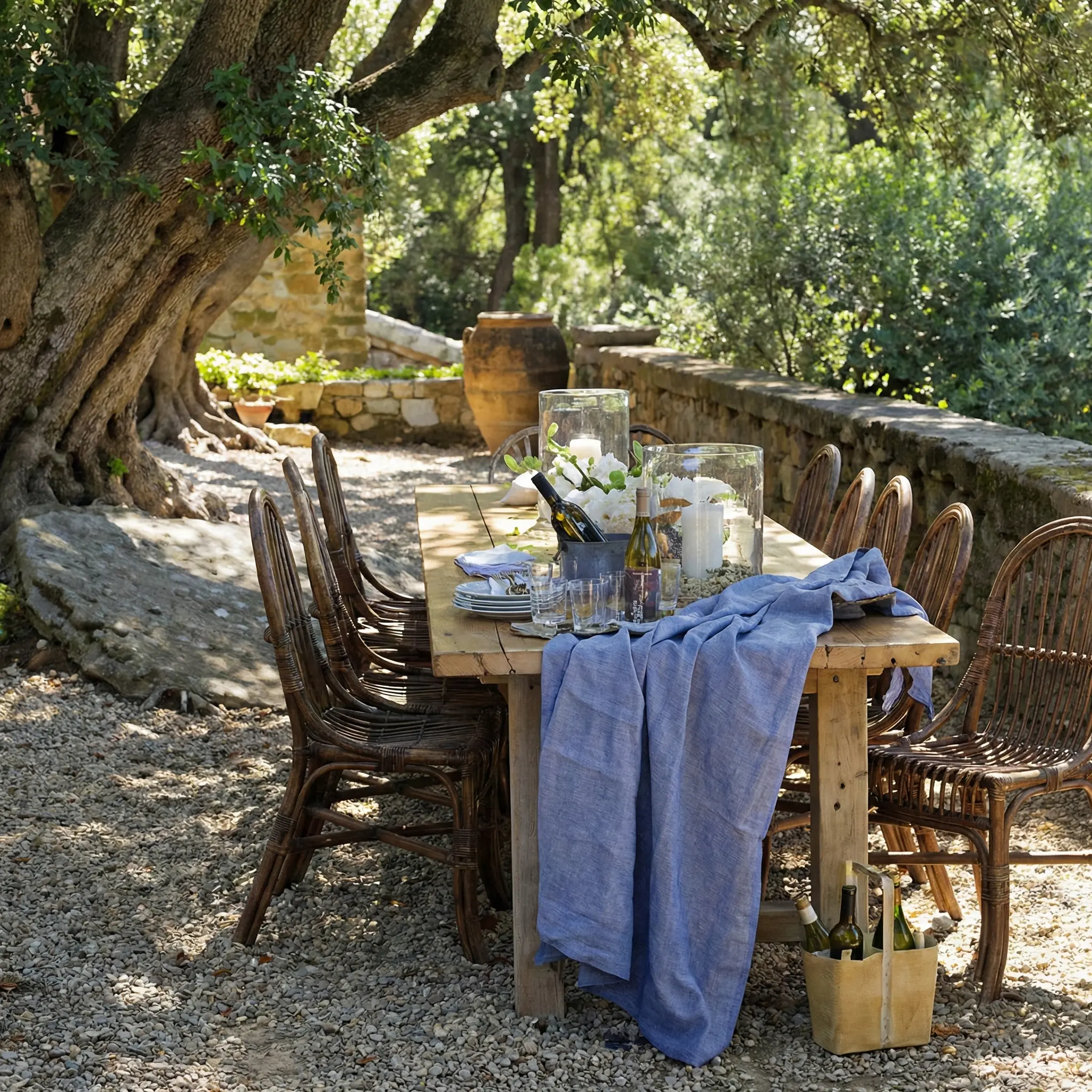
Wicker dining chairs bring casual elegance to both indoor and outdoor dining. They’re lighter than wooden alternatives, making them easier to move. For dining applications, look for chairs with supportive backs that maintain comfort through lengthy meals.
Frequently Asked Questions (FAQ)
Is rattan furniture durable enough for everyday use?
Absolutely. Rattan is one of the strongest natural materials available. Its solid core allows it to withstand daily use for decades. When properly cared for, high-quality rattan furniture can be passed down as an heirloom.
Can I leave wicker furniture outside in the Bay Area winter?
If it is natural rattan wicker, no. The damp Bay Area winters can cause natural fibers to mold or weaken. Natural pieces should be kept in covered areas (sunrooms, covered porches) or brought inside during the rainy season. Synthetic resin wicker, however, can stay outdoors year-round.
Making Your Selection
Armed with the understanding of wicker vs rattan, you can now shop with confidence. Remember:
- Rattan is the material; wicker is the technique.
- Choose natural rattan for indoor elegance and covered patios.
- Invest in quality framing and tight weaving for longevity.
At Reeva Sethi Home, we curate only the finest handwoven pieces built to serve Bay Area homes for generations. Browse our seating collection to find the perfect addition to your home.
Explore luxury wicker and rattan furniture at Reeva Sethi Home. Serving Saratoga, Los Gatos, Los Altos, and the greater Bay Area with timeless, artisanal decor.