 Written by
 Tech executive home design represents a fascinating paradox in Silicon Valley’s residential landscape. The professionals who spend their days building the digital future often seek something decidedly analog when they come home—spaces defined by craftsmanship, natural materials, and timeless aesthetics rather than the latest smart home gadgetry. From the newer developments of Cupertino to the established estates of Saratoga, a distinctive design philosophy has emerged among the Bay Area’s tech community, one that prioritizes sanctuary over spectacle and heritage over hype.
This comprehensive guide explores how tech professionals across Silicon Valley are designing homes that offer genuine respite from screen-saturated workdays. Whether you’re a startup founder in a Mountain View townhome, a senior engineer in a Los Altos colonial, or an executive settling into a Saratoga estate, the principles of creating an authentic, grounding home environment remain remarkably consistent.
The Silicon Valley Home Design Paradox
Walk through the headquarters of any major tech company—Apple’s spaceship campus in Cupertino, Google’s colorful wonderland, Meta’s open-plan expanse—and you’ll find environments optimized for collaboration, innovation, and constant connectivity. Glass walls, open floor plans, and ubiquitous screens define these spaces, designed to keep information flowing and creativity sparking.
Yet when these same professionals design their personal residences, they frequently choose the opposite: enclosed rooms that offer privacy, natural materials that ground the senses, and carefully curated objects that tell stories rather than display data. This isn’t hypocrisy—it’s wisdom. After eight, ten, or twelve hours immersed in the digital realm, the human need for tangible, unchanging, handcrafted beauty becomes profound.
The most successful tech executive homes acknowledge this paradox directly. They may incorporate smart lighting, automated climate control, and integrated audio systems, but these technologies recede into the background, invisible servants rather than visible features. The foreground belongs to heirloom furniture, collected art, and materials that develop character over time rather than requiring updates.
Understanding the Migration Pattern: Cupertino to Saratoga
Silicon Valley’s residential geography tells a story of career progression and evolving priorities. Understanding this migration pattern helps explain why design preferences shift as tech professionals move through their careers.
The Cupertino Starting Point
Cupertino, home to Apple’s headquarters and numerous tech offices, attracts young professionals and growing families seeking proximity to work. Housing here tends toward newer construction—condominiums, townhomes, and tract houses built in the last few decades. The design challenge in these spaces involves adding warmth and character to structures that may lack architectural distinction.
For tech professionals in Cupertino homes, the strategy often involves:
- Investing in substantial furniture pieces that anchor rooms lacking architectural detail
- Using natural fiber rugs to add texture and warmth to builder-grade flooring
- Creating focal points with statement pieces like handwoven tapestries or significant mirrors
- Building collections gradually rather than furnishing entire homes at once
The Los Altos and Mountain View Middle Chapter
As careers advance and families grow, many tech professionals move to Los Altos, Mountain View, or Palo Alto—communities offering larger lots, better schools, and homes with more architectural character. Ranch homes, colonials, and mid-century modern structures dominate these neighborhoods, each presenting distinct design opportunities.
The design focus shifts at this stage from adding character to harmonizing with existing architecture. A 1960s ranch home calls for different furniture choices than a 1920s colonial revival. Tech professionals at this stage often discover that their early furniture purchases—often contemporary pieces chosen for their clean lines—may not suit these older homes. This realization frequently sparks a deeper interest in traditional and transitional design.
The Saratoga Destination
Saratoga represents the culmination of many Silicon Valley careers—a community defined by larger properties, mature landscaping, excellent schools, and homes that range from historic Victorians to contemporary custom builds. The town’s strict development regulations preserve its character while attracting residents who value privacy and permanence over flash and convenience.
Tech executives who settle in Saratoga often approach home design with a long-term perspective that earlier career stages didn’t permit. They’re furnishing homes they expect to occupy for decades, creating environments for children to grow up in and eventually bring their own families home to visit. This timeline changes every design decision, favoring heirloom quality furniture over trendy pieces, classic aesthetics over fashionable ones, and materials that age gracefully over those that merely look new.

Core Design Principles for Tech Professional Homes
Regardless of whether you’re furnishing a Cupertino condo or a Saratoga estate, certain design principles resonate particularly strongly with tech professionals seeking sanctuary at home.
1. Analog Luxury in a Digital World
The most successful tech executive homes create environments that engage senses neglected during screen-focused workdays. This means prioritizing tactile experiences: the grain of solid wood under your fingertips, the weight of a well-crafted object, the texture of handwoven textiles. These sensory experiences provide genuine neurological benefits, helping the brain transition from work mode to rest mode.
Practical applications include:
- Choosing solid wood tables over glass and metal alternatives
- Selecting wool and cashmere throws that invite touch
- Incorporating handwoven rather than machine-made textiles
- Displaying physical books, collected objects, and framed photographs
2. The Executive Home Office Evolution
Remote and hybrid work arrangements have transformed the home office from an occasional workspace into a daily environment. According to Stanford University research, remote work among tech professionals has fundamentally changed how homes function. For tech executives, this space must project professionalism during video calls while providing genuine comfort during long work sessions. The most effective home offices achieve this balance through traditional furniture that reads as substantial and successful on camera while offering ergonomic support and practical functionality.
Key elements include:
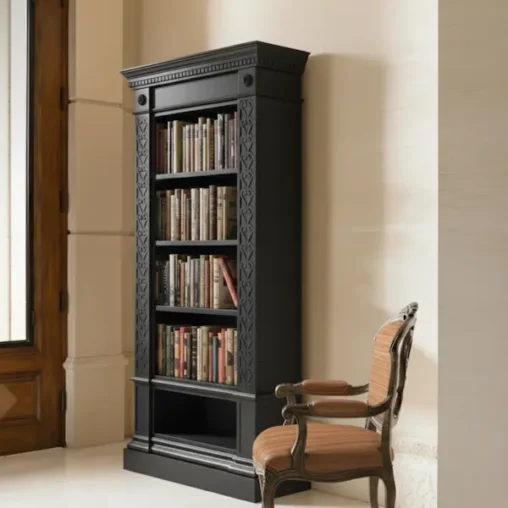
- Mahogany library bookcases that provide beautiful backdrops for video calls while organizing professional libraries
- Substantial desks with adequate surface area for both digital and analog work
- Comfortable seating that supports long hours without sacrificing aesthetic quality
- Proper lighting that flatters during calls while reducing eye strain
The home office also presents an opportunity to display personal interests and achievements in ways that corporate offices rarely permit. Collections, awards, family photographs, and meaningful objects can coexist with professional resources, creating spaces that feel genuinely personal rather than generically corporate.
3. The Collected Home Approach
Tech professionals often approach home furnishing with the same optimization mindset they bring to work: identify the best solution, implement it efficiently, move on to the next challenge. While this approach delivers results in software development, it often produces homes that feel sterile and impersonal—showroom-perfect environments that lack soul.
The alternative—the collected home approach—requires patience that busy tech careers rarely afford. Yet the results justify the slower pace. A collected home accumulates meaningful pieces over time, mixing inherited items with carefully chosen acquisitions, combining different periods and provenances into a coherent whole that reflects its inhabitants’ history and values.
For tech professionals beginning to build collected homes, practical starting points include:
- Investing in one significant piece per room rather than furnishing completely but generically
- Choosing heirloom-quality seating that will anchor spaces for decades
- Incorporating family pieces or antiques even if they don’t match perfectly
- Building collections deliberately—maps, art, ceramics—that reflect genuine interests
Room-by-Room Guide for Tech Executive Homes
Different rooms serve different functions in tech professional homes, and each presents unique design opportunities and challenges.
The Entry: First Impressions and Transitions
The entry serves a crucial psychological function in tech executive homes: marking the transition from professional to personal life. A well-designed entry helps inhabitants mentally shift gears, leaving work concerns at the door and entering home space with fresh perspective.
Effective entry design includes:
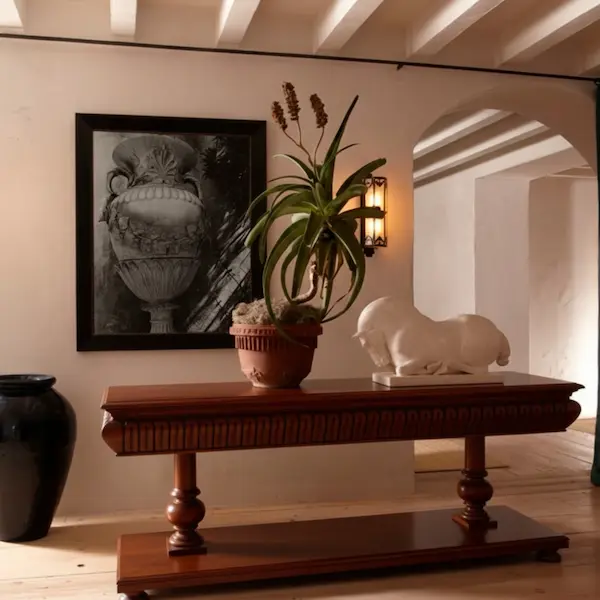
- A substantial console table for keys, mail, and daily essentials
- A significant mirror that adds depth and light while facilitating final appearance checks
- Adequate storage for coats, bags, and shoes—preferably concealed
- Beautiful objects or art that offer something pleasant to see upon arriving home
The entry also provides visitors’ first impression of the home. For tech executives who entertain colleagues, investors, or clients at home, this space communicates personal style and success before the main living spaces are even visible. A handcrafted chest or meaningful artwork immediately signals that this is a home of substance rather than a hastily assembled living space.
The Living Room: Analog Sanctuary
The living room in a tech executive home often becomes the primary screen-free zone—a space deliberately designed to encourage conversation, reading, and relaxation without digital interruption. This doesn’t mean banning technology; rather, it means designing the room so technology serves human activities rather than dominating them.
Key furniture choices include:
- Conversation-oriented seating arrangements with comfortable armchairs facing each other rather than all oriented toward a screen
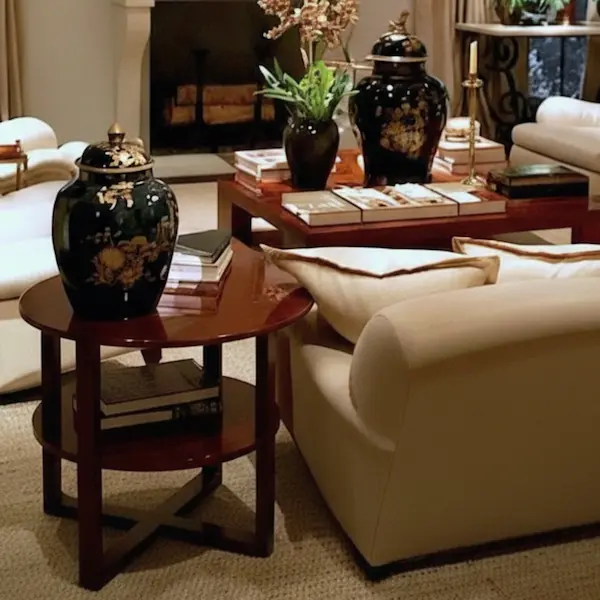
- A substantial coffee table large enough for books, drinks, and conversation pieces
- Adequate surface area on side tables for drinks, books, and reading lamps
- Layered textiles including quality throw pillows and blankets that invite relaxation
The visual focus should be something other than the television. A fireplace, significant artwork, a beautiful window view, or an architectural feature provides a focal point that encourages presence rather than passive consumption. If a television must be present, it should be placed to the side or concealed when not in use, rather than commanding the room’s primary sight line.
The Dining Room: Gathering and Entertaining
Tech executives often use their homes for professional entertainment—hosting dinners for colleagues, celebrating milestones with teams, or building relationships with investors and partners. The dining room must serve these professional functions while also providing warm, intimate spaces for family meals.
Successful tech executive dining rooms feature:
- Tables that can accommodate both intimate family dinners and larger gatherings
- Comfortable seating that encourages long conversations over post-meal drinks
- Lighting that flatters guests while providing adequate illumination for dining
- Storage for tableware, linens, and entertaining essentials
The dining room also offers opportunity for dramatic statements—a significant chandelier, a large-scale artwork, or a stunning wall tapestry that provides conversation and visual interest. These bold choices distinguish memorable homes from forgettable ones.
The Home Library and Study
For tech executives who work from home regularly, the study or home library becomes one of the most important rooms in the house. This space must balance multiple functions: providing a professional environment for video conferences, supporting focused work during long sessions, housing professional and personal libraries, and offering a retreat for reading and reflection.
Essential elements include:
- Floor-to-ceiling bookcases that provide both storage and visual warmth
- A desk positioned to provide good lighting and an appropriate video call background
- Comfortable seating for reading separate from the desk work area
- Proper lighting including task lighting for the desk and ambient lighting for reading
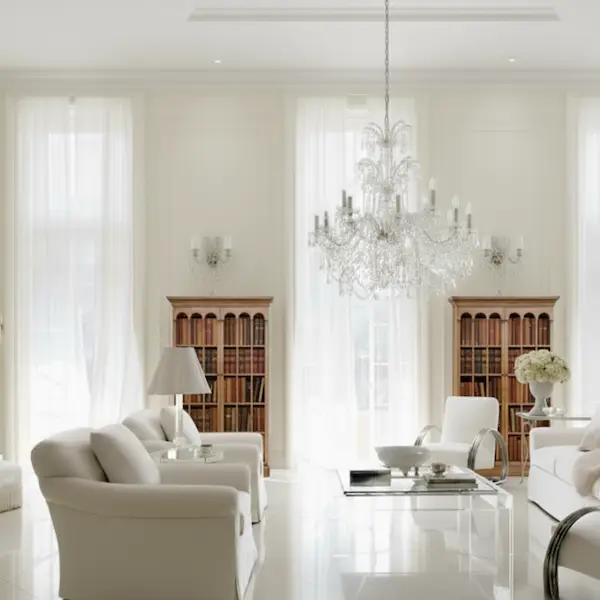
Many tech executives find that traditional furniture actually improves their video presence. Mahogany bookcases and classic artwork create more interesting and memorable backgrounds than minimalist contemporary settings. The warmth of wood and the texture of books communicate substance and success in ways that clean, modern aesthetics cannot replicate.
The Primary Bedroom: Rest and Recovery
Tech professionals often struggle with the sleep disruptions that come from screen exposure and demanding schedules. The primary bedroom should be designed as a true sanctuary—a space optimized for rest and recovery rather than productivity.
Key strategies include:
- Removing screens entirely or concealing them when not in active use
- Choosing calming colors and natural materials that promote relaxation
- Investing in quality bedding that makes sleep more appealing
- Creating reading nooks or seating areas that support wind-down routines
- Using wool and cashmere throws that add warmth and texture to the sleeping environment
The bedroom should feel distinctly different from work spaces—warmer, softer, more enveloping. Heavy curtains or blackout shades support sleep quality, while layered lighting allows gradual dimming as bedtime approaches.
Color and Material Choices for Tech Executive Homes
The color palettes and materials that resonate most strongly with tech professionals seeking sanctuary at home tend toward the warm, natural, and timeless rather than the cool, synthetic, and trendy.
Wood Tones and Natural Materials
Mahogany, walnut, and oak provide visual warmth that glass and metal cannot match. These materials connect homes to natural rhythms and traditional craftsmanship, offering respite from the plastic and aluminum that dominate office environments. Solid wood furniture also ages gracefully, developing character over time rather than simply deteriorating.
Natural fibers extend this warmth throughout the home. Jute, sisal, and wool rugs ground rooms in organic texture. Linen curtains filter light softly. Cotton and wool upholstery invites touch. These materials create environments that engage the senses in ways synthetic materials cannot replicate.
Color Palettes for Screen-Fatigued Eyes
After hours of staring at backlit screens, eyes crave rest from visual intensity. Tech executive homes often favor muted, nature-inspired palettes: warm whites and creams, sage and forest greens, deep blues and navies, warm grays and taupes. These colors create calm environments without feeling cold or clinical.
Accent colors can be drawn from collected objects—the russet of antique leather, the deep red of a traditional tapestry, the brass of antique hardware. These touches of warmth enliven neutral foundations without overwhelming spaces meant for rest and recovery.
Common Mistakes Tech Professionals Make When Designing Homes
Tech professionals bring tremendous intelligence and resources to home design, but certain patterns of thinking that serve well in technology can lead astray in interior design. Understanding these common mistakes helps avoid them.
Over-Optimizing for Technology Integration
The temptation to create smart homes with automated everything often results in homes that feel like living inside computers. While integrated lighting, climate, and audio systems can enhance daily life, they should remain invisible infrastructure rather than visible features. The goal is a home that feels timeless and human, not a demo unit for the latest consumer electronics.
Furnishing Too Quickly
Tech professionals accustomed to rapid iteration often furnish homes in a single purchasing burst, optimizing for completion speed rather than thoughtful curation. This approach may produce acceptable results, but it rarely creates memorable homes. Better to live with empty rooms temporarily while identifying the right pieces than to fill spaces with adequate furniture that will need replacing later.
Mistaking Expensive for Excellent
Success in tech provides resources for quality purchases, but price alone doesn’t guarantee quality. Mass-produced luxury brands often charge premium prices for furniture no better constructed than mid-market alternatives. True quality lies in construction—solid wood joinery, hand-applied finishes, materials that age gracefully. Heirloom-quality furniture may cost more than flat-pack alternatives, but it costs far less than prestige brands while offering superior construction and materials.
Ignoring the Family’s Actual Life
Instagram-perfect interiors often prove incompatible with real family life. Homes designed for photography rather than living create stress for families trying to maintain impossible standards. Better to choose furniture and materials that accommodate actual use—durable fabrics, cleanable surfaces, sensible layouts—than to create showrooms that require constant management.
Building Your Legacy: The Long-Term Perspective
Tech careers often compress typical professional timelines—engineers become millionaires before thirty, executives reach their peaks in their forties. This acceleration can create uncertainty about how to think about home and family across extended timelines.
The furniture and design choices you make today become the backdrop for decades of family life. Children will remember the coffee table where they played board games, the wingback chair where stories were read, the dining table where family meals and holiday celebrations occurred. These pieces become repositories for memory, more valuable for their associations than their objective worth.
This perspective shifts design decisions. Instead of asking “What’s currently in style?” the question becomes “What will still feel right in twenty years?” Instead of optimizing for resale appeal, you design for your own family’s experience. Instead of following trends, you develop personal style that reflects genuine preferences and values.
Working with Design Professionals
Many tech professionals wonder whether to engage interior designers or proceed independently. Both approaches can succeed, and the choice depends on available time, confidence in personal taste, and complexity of the project.
Advantages of working with designers include:
- Access to trade-only sources and custom fabrication
- Experience avoiding common mistakes
- Trained eyes for proportion, scale, and composition
- Project management for complex renovations
Advantages of independent furnishing include:
- Complete control over selections and timing
- Deep personal connection to each piece acquired
- Flexibility to evolve the home gradually
- Budget allocation entirely at your discretion
A middle path works well for many tech professionals: develop your own vision and make key furniture selections yourself, while engaging professionals for complex projects like lighting design, window treatments, or architectural modifications. The Houzz professional directory can help connect homeowners with Bay Area designers who specialize in various styles.
Starting Your Tech Executive Home Design Journey
If you’re beginning to create a home that offers genuine sanctuary from Silicon Valley’s demands, consider these first steps:
1. Identify your non-negotiables. What must your home provide that your work life doesn’t? For many tech professionals, this includes silence, tactile materials, spaces for reading, and environments that don’t remind them of offices.
2. Start with anchor pieces. Rather than furnishing entire rooms, identify the one piece each space most needs—perhaps a significant armchair for the living room, a substantial desk for the study, a beautiful dining table for gathering. Build around these anchors over time.
3. Consider the video call environment. If you work from home regularly, your backdrop matters more than you might expect. Traditional furniture and built-in bookcases create more memorable and professional impressions than blank walls or contemporary minimalism.
4. Prioritize the sensory experience. After screen-focused days, your home should engage other senses. Touch becomes particularly important—the warmth of wood, the texture of woven fabrics, the weight of substantial objects.
5. Think in decades, not seasons. The trends driving this year’s design magazines will date within five years. Classic forms, quality materials, and handcrafted construction remain appealing across generations. Choose pieces you’ll still appreciate when your children inherit them.
Creating Your Silicon Valley Sanctuary
The journey from Cupertino condo to Saratoga estate reflects not just career advancement but evolving understanding of what home means. Early in careers, homes serve primarily as places to sleep and store belongings between work sessions. As careers mature, homes become sanctuaries—places to restore energy, nurture relationships, and build the memories that ultimately matter more than any professional achievement.
The furniture you choose becomes part of this larger story. A mahogany library bookcase isn’t just storage—it’s the backdrop for years of reading and learning. A substantial wingback chair isn’t just seating—it’s where you’ll sit for thousands of evening conversations. A beautiful wool rug isn’t just floor covering—it’s where children will play and dogs will nap and guests will gather.
This perspective transforms furniture shopping from a chore to a creative act. You’re not just filling spaces—you’re creating the environment for your life’s next chapters. Choose wisely, invest in quality, build gradually, and trust that homes designed with genuine attention to human needs will serve you far better than any trend-driven alternative.
Explore our full collection of handcrafted furniture designed to create homes of lasting beauty—the perfect counterbalance to Silicon Valley’s digital demands.