

Saratoga Home Style
Heritage design, natural materials, and understated refinement, grounded in Saratoga’s sense of place.
There’s a reason Saratoga consistently ranks among California’s most desirable places to live. Beyond the award-winning schools and proximity to Silicon Valley’s innovation hub, Saratoga offers something increasingly rare: a genuine sense of place. The Saratoga home style — a distinctive blend of heritage design, natural materials, and understated refinement — reflects both the town’s orchard-country roots and the sophisticated sensibilities of its residents. This guide explores what makes Saratoga interiors unique and how you can bring this timeless aesthetic into your own home.
Understanding the Saratoga Aesthetic: Where History Meets Nature
Saratoga’s design identity didn’t emerge overnight. It evolved over more than a century, shaped by the town’s agricultural heritage, its relationship with the Santa Cruz Mountains, and the discerning tastes of generations who chose this foothill community over flashier alternatives. Understanding this context is essential to grasping why Saratoga home style feels so distinctly different from other Bay Area design approaches.
Unlike the Victorian grandeur of San Francisco or the mid-century modernism of Palo Alto, Saratoga developed its own vocabulary — one that prioritises connection to the land, quality over quantity, and a certain dignified restraint. The Saratoga aesthetic isn’t about making a statement; it’s about creating environments that feel inevitable, as if the homes grew naturally from the landscape they inhabit.
The Orchard Legacy: Roots of Saratoga Style
Before silicon chips, there were prune orchards. Before tech campuses, there were working farms. This agricultural heritage remains visible throughout Saratoga — in the heritage oaks preserved on residential lots, in the stone walls that once marked property boundaries, and in the design philosophy that values authenticity over ostentation. The Saratoga Historical Foundation preserves much of this rich history, documenting the town’s evolution from agricultural community to one of the Bay Area’s most prestigious addresses.
The original Saratoga homesteads were built to last. Local stone, redwood timber from the nearby mountains, and handcrafted details reflected a time when homes were investments meant to serve multiple generations. This ethos persists today in the Saratoga home style’s preference for solid wood furniture, natural fiber textiles, and craftsmanship that reveals itself through years of use rather than demanding immediate attention.
The Mountain Influence: Bringing the Outdoors In
Saratoga’s western edge rises into the Santa Cruz Mountains, and this proximity to wild landscape profoundly influences local design sensibilities. Homes here don’t compete with nature — they frame it, honor it, and invite it inside through generous windows, natural materials, and colour palettes drawn from the surrounding landscape.
The Saratoga home style embraces what designers call “biophilic design” — the innate human need to connect with nature. But in Saratoga, this isn’t a trendy concept; it’s a generations-old tradition. Large windows framing mountain views. Indoor plants that echo the gardens beyond. Natural fiber rugs that ground rooms with organic texture. Furniture crafted from solid wood that ages beautifully over decades.
This mountain influence also explains Saratoga’s preference for warm, layered interiors over stark minimalism. When evening fog rolls down from the ridgeline and temperatures drop, homes become refuges. The Saratoga aesthetic anticipates this need with wool throws draped over armchairs, fireplaces as gathering points, and textiles that add warmth without sacrificing sophistication.
The Five Pillars of Saratoga Home Style
After years of working with Saratoga homeowners and studying the interiors that define this community, we’ve identified five core principles that characterise the Saratoga aesthetic. These aren’t rigid rules — Saratoga style is too organic for that — but rather guiding values that inform every design decision.
Quality Over Quantity: The Investment Mindset
Saratoga homeowners think in generations, not seasons. This long-term perspective manifests in a preference for fewer, better pieces rather than rooms filled with trendy furniture that will need replacing in five years. A single heirloom wingback chair holds more value than a room full of disposable seating.
This investment mindset extends beyond furniture to every element of the home. Solid hardwood floors instead of laminate. Real stone countertops that develop character over time. Hand-knotted rugs that become family heirlooms. The quality-over-quantity philosophy also means embracing negative space — each piece earns its place through function, beauty, or preferably both. A mahogany bookcase becomes a focal point rather than disappearing into visual noise.
Natural Materials: Honoring the Land
In a town where heritage oaks are protected by city ordinance and open space preservation is a community value, it’s no surprise that Saratoga interiors prioritise natural materials. Solid wood furniture — mahogany, walnut, oak — forms the foundation of most Saratoga homes. Natural fiber rugs in jute, sisal, and wool ground rooms with organic texture.
Stone appears throughout Saratoga interiors, often sourced locally or chosen to complement the natural landscape. Leather ages gracefully. Linen softens with washing. Wool becomes more beautiful with years of use. The Saratoga home style embraces materials that improve with time rather than degrading into obsolescence.
Heritage Craftsmanship: Honoring Tradition
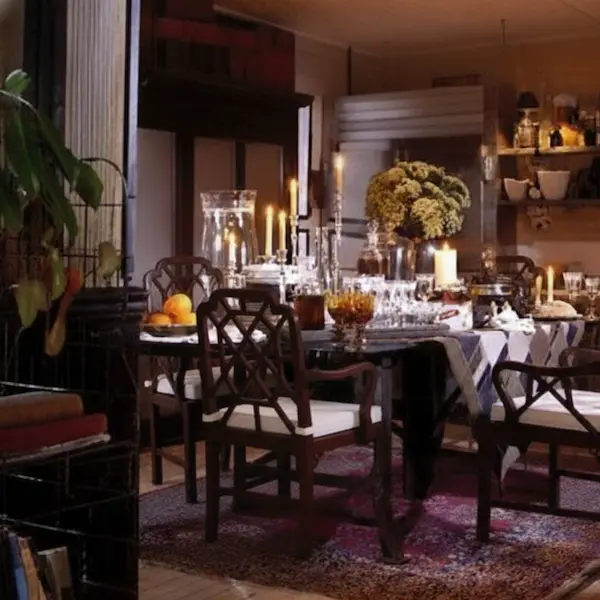
The Saratoga aesthetic values visible craftsmanship — furniture where you can see the joinery, textiles where the weave tells a story, details that reward close inspection. Hand-carved details, hand-applied finishes, hand-woven textiles: the repeated presence of the human hand creates interiors that feel warm and alive. A cane-backed campaign chair reveals the skill of the craftsperson who wove each strand. A handwoven tapestry carries the mark of its maker.
Heritage craftsmanship also means respecting design traditions that have proven themselves over centuries. The Chippendale chair endures because its proportions are right. The wingback silhouette persists because it works. True innovation often means perfecting proven forms rather than chasing novelty for its own sake.
Collected Over Curated: The Layered Interior
Walk into a Saratoga home and you’re unlikely to see a space that looks like it was purchased complete from a showroom floor. The Saratoga home style values the collected aesthetic — interiors assembled over time, mixing periods and styles, telling the story of a family’s life through carefully chosen objects.
This collected approach allows for eclecticism within a coherent framework. An inherited antique sits comfortably beside a contemporary sculpture. A grand mahogany dining table hosts casual weeknight dinners as easily as formal gatherings. Travel souvenirs integrate with fine art. The result feels personal and evolved rather than decorated — rooms that reveal new details on every visit.
Indoor-Outdoor Flow: California Living
Despite its heritage influences, the Saratoga home style remains distinctly Californian in its relationship with outdoor space. Even the most traditional Saratoga interiors incorporate generous windows, garden views, and seamless transitions between inside and outside living areas.
The Saratoga climate — Mediterranean, with mild winters and warm, dry summers — enables outdoor living for much of the year. Wicker and rattan pieces work equally well in sunrooms or on covered terraces. Wicker wingback chairs, teak dining sets, and quality cushions transform covered patios into true living rooms.

Saratoga Home Style in Practice
Abstract principles become meaningful when applied to actual spaces. Here’s how the Saratoga aesthetic typically manifests room by room.
The Living Room
- Seating: Centered on a fireplace, anchored by a substantial sofa, flanked by wingback chairs
- Coffee table: Solid mahogany or walnut — the Dayton Coffee Table exemplifies the style
- Rugs: Natural fiber or hand-knotted wool in muted, nature-inspired tones
- Lighting: Layered: ambient, task, and accent sources combined
- Textiles: Quality throws, textured pillows in natural fabrics
The Dining Room
- Table: Solid wood, often mahogany — the Regent Refectory Table sets the standard
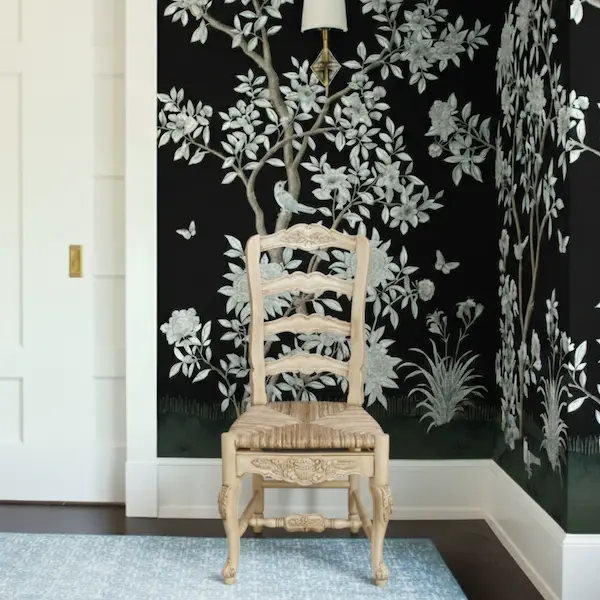
- Seating:Provincial ladderback or upholstered dining chairs
- Storage: Sideboard or buffet for linens and display
- Lighting: Chandelier centered and scaled to the room
- Tabletop:Charger plates, cloth napkins, leather napkin rings
The Library or Study
- Bookcases: Floor-to-ceiling in mahogany or walnut — the Devonshire Grand Library is exemplary
- Desk: A proper writing desk or leather-topped library table
- Seating: A reading wingback or leather club chair near a lamp
- Accessories: Desktop pieces in leather or wood, quality globe, real books
The Primary Bedroom
- Bed: Substantial headboard; bedding in natural linen or cotton in neutral tones
- Nightstands: Matched or complementary pieces in the same wood tone
- Seating: A reading chair near a window with garden or mountain views
- Textiles: Quality throws at the foot of the bed; blackout window treatments
Colour Palettes of the Saratoga Aesthetic
The Saratoga home style draws its colours from the surrounding landscape, creating interiors that feel connected to place rather than following arbitrary trends.
The Foundation: Warm Neutrals
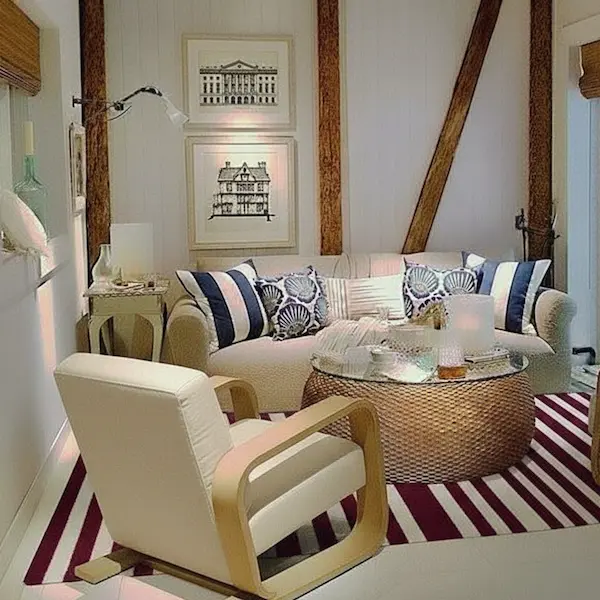
Saratoga interiors typically begin with warm neutrals that echo the natural landscape: creamy whites suggesting aging plaster or natural linen; taupes and warm grays reflecting the bark of heritage oaks and natural stone; soft beiges that create warmth without demanding attention; and the rich wood tones — mahogany’s red-brown, walnut’s sophisticated gray-brown, oak’s golden warmth — that provide the dominant colour in most Saratoga rooms.
Accent Colours: Drawn from Nature
When colour appears beyond the neutral foundation, it references natural elements: the deep greens of redwood groves and oak canopies; the pale blue of morning fog to the deep blue of clear mountain skies; terracotta and ochre referencing California’s clay soils and autumn landscapes; and rich burgundy that recalls the region’s winemaking heritage.
Sourcing Furniture for the Saratoga Aesthetic
Creating an authentic Saratoga interior design requires access to quality furniture and accessories. Here’s how Saratoga homeowners typically source their pieces.
Local Showrooms and Galleries
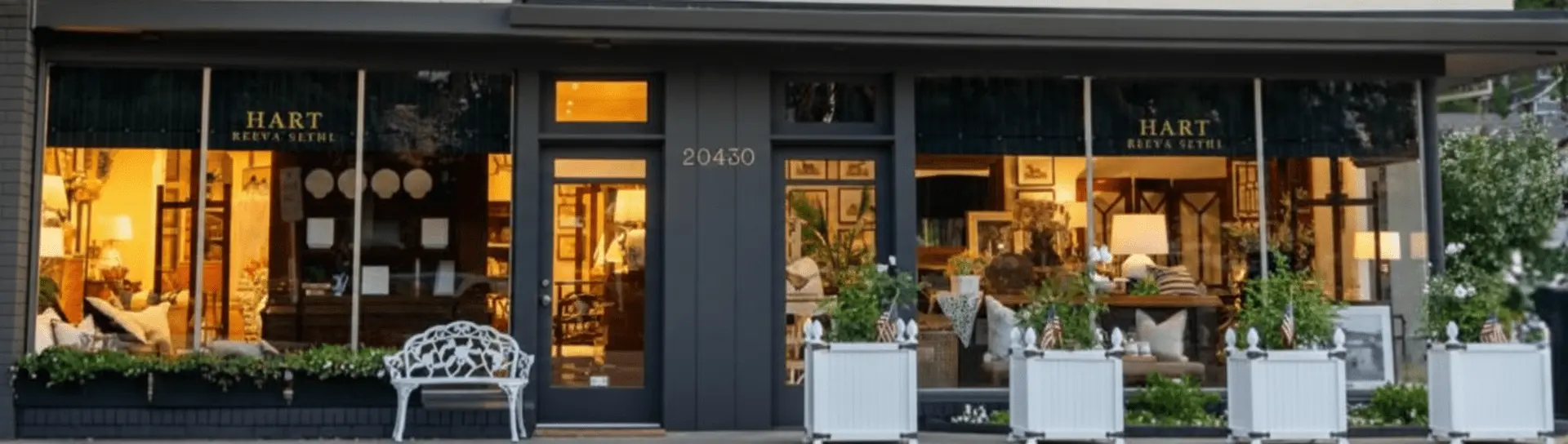
Saratoga and its neighbouring communities offer access to furniture showrooms and galleries that specialise in quality pieces. These venues allow hands-on evaluation of craftsmanship and scale — essential when investing in furniture meant to last generations. Reeva Sethi Home, located at 20430 Saratoga Los Gatos Road, specialises in exactly the kind of heritage-quality luxury furniture in Saratoga CA that defines these interiors.
Antique Dealers and Estate Sales
The collected aesthetic that characterises Saratoga home style often incorporates antiques and vintage pieces. Local antique dealers, estate sales, and auction houses provide access to quality pieces with history and character. Many Saratoga homeowners develop relationships with trusted dealers who notify them when appropriate pieces become available.
Design Professionals
Saratoga’s sophisticated homeowners often work with Bay Area interior designers who understand the local aesthetic. A good designer brings access to trade-only showrooms, the ability to source custom pieces, and the expertise to create cohesive interiors that feel collected rather than decorated. The American Society of Interior Designers can connect homeowners with qualified professionals in the Bay Area.
Direct from Craftspeople
Some of the most meaningful pieces in Saratoga homes come directly from artisans and craftspeople. Commissioning a piece — whether a custom dining table or a set of handwoven baskets — creates a connection between homeowner and maker that mass-produced furniture can never provide.
Living the Saratoga Aesthetic: Daily Rituals
The Saratoga home style isn’t just about what fills a space — it’s about how those spaces are used. The interiors are designed around rituals that give daily life texture and meaning.
Many Saratoga homes include a designated spot for morning coffee — a window seat, a small table on a covered porch, or a comfortable chair positioned to catch the morning light. When evening temperatures drop, families gather around fireplaces, both indoor and outdoor, with seating arrangements that anticipate this ritual. The dining room isn’t reserved for special occasions — it’s used daily, which is precisely why Saratoga homeowners invest in tables and chairs that reward daily use with increasing beauty. And the emphasis on libraries and reading spaces reflects a culture that values intellectual life, with comfortable spots for reading designed into nearly every room.
Mistakes to Avoid
Mistaking Formality for Stuffiness
The Saratoga aesthetic values quality and tradition, but not at the expense of comfort. Rooms should feel welcoming and used, not like museum displays. Choose furniture that invites sitting, fabrics that handle daily life, and arrangements that facilitate conversation.
Buying Everything at Once
The collected aesthetic takes time to develop. Purchasing an entire room from a single source creates interiors that feel decorated rather than evolved. Start with essential pieces, leave room for discoveries, and let the home grow organically over years.
Ignoring the Landscape
Saratoga home style is inseparable from its setting. Heavy window treatments that block views, colours that fight the natural palette, and materials that ignore local context all undermine the aesthetic. Interiors should connect visually and materially with the landscape beyond the windows.
Prioritising Trends Over Timelessness
The Saratoga aesthetic endures because it’s rooted in proven principles rather than passing fashions. Ask whether each purchase will still feel right in twenty years. If the answer is uncertain, wait.
Bringing Saratoga Home: Where to Start
Whether you live in Saratoga or simply admire the aesthetic, here’s how to begin incorporating these principles into your own home.
The Six-Step Method
The Enduring Appeal of Saratoga Style
In an age of rapid change and disposable everything, the Saratoga home style offers an alternative: interiors designed to last, rooted in place and tradition, created with intention and care.
This aesthetic doesn’t reject the present — many Saratoga homeowners work at the forefront of technology — but it insists that homes should provide refuge from the pace and impermanence that characterise contemporary life.
The Saratoga aesthetic works because it aligns with fundamental human needs: connection to nature, quality that rewards investment, craftsmanship that honours human skill, and spaces that support meaningful daily rituals. These principles transcend trends and remain relevant across generations.
Whether you’re designing a home in Saratoga, California or drawing inspiration for another location, the Saratoga home style offers a compelling model: interiors that honour heritage while embracing the present, connect with nature while providing comfort, and invest in quality that rewards years of daily use.