 Written by
 Warm minimalism Bay Area designers and homeowners have embraced represents a fundamental shift in how we think about simplicity. Gone are the stark white boxes and sterile spaces that defined minimalism for decades. In their place: rooms that breathe, filled with natural materials, layered textures, and furniture that invites touch. This is minimalism that actually feels like home.
What Is Warm Minimalism?
Warm minimalism Bay Area homes showcase keeps the core principle of minimalism—intentional restraint—while rejecting its coldness. Every piece in the room earns its place, but those pieces are chosen for their warmth, texture, and craftsmanship rather than their ability to disappear.
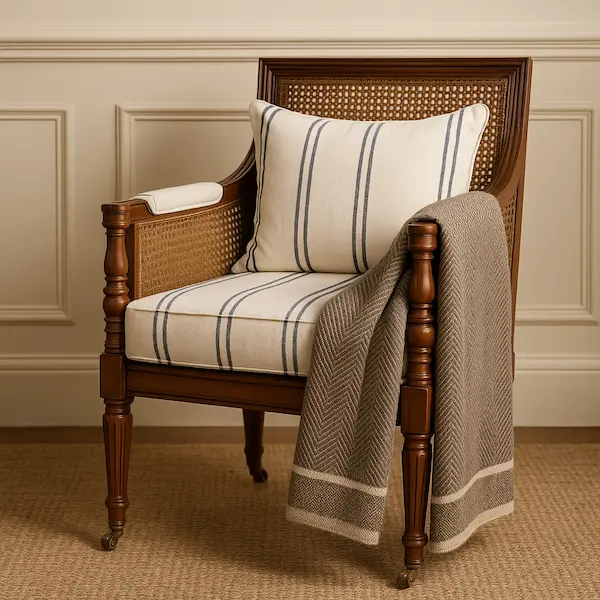
Think fewer pieces, but better pieces. A single hand-caned armchair rather than a cluster of forgettable seating. One handwoven tapestry that commands a wall rather than a gallery of mass-produced prints. Quality over quantity, presence over absence.
Why Warm Minimalism Bay Area Homes Have Embraced
The Bay Area was ground zero for the original minimalism movement. Tech culture’s “less is more” philosophy extended from product design to personal spaces, creating homes that looked like Apple stores—beautiful in photographs, but difficult to actually live in.
The backlash was inevitable. After years in sterile environments, Bay Area residents began craving warmth, texture, and soul. They wanted homes that felt human, not optimized. Warm minimalism Bay Area style emerged as the answer—a way to maintain visual calm while creating spaces that actually nurture.
The Climate Connection
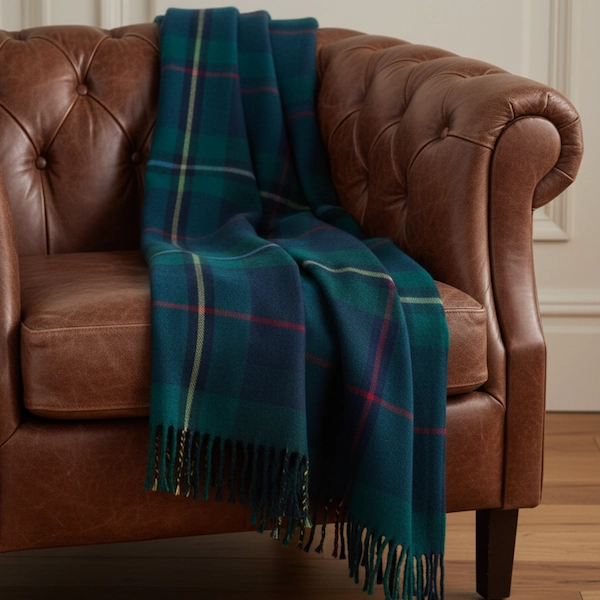
Bay Area weather practically demands warm minimalism. Those famous foggy mornings call for cozy textiles—a wool throw draped over an armchair, layered pillows in natural fabrics. The mild temperatures allow natural materials to thrive indoors without climate control concerns. Warm minimalism Bay Area homes embrace works because the environment supports it.
The Lifestyle Fit
Bay Area professionals spend their days in complexity—building products, managing teams, navigating decisions. They don’t want to come home to more complexity, but they also don’t want to come home to emptiness. Warm minimalism provides visual rest without emotional void.
The Core Elements of Warm Minimalism
1. Natural Materials Throughout
Warm minimalism Bay Area designers specify relies heavily on materials that age gracefully: solid mahogany, hand-caned seating, handwoven textiles, natural fiber rugs. These materials develop patina over time, becoming more beautiful rather than more worn.
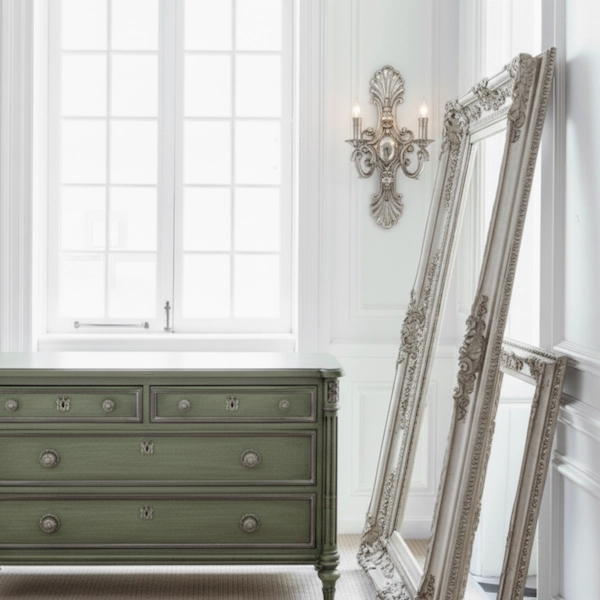
The Montclair Chest in swirl mahogany exemplifies this—its grain patterns are unique, its surface will deepen with age, and its construction ensures it will serve multiple generations.
2. Texture Over Pattern
Where traditional maximalism relies on bold patterns, warm minimalism creates interest through texture. A herringbone wool throw adds dimension without visual noise. A jute rug grounds the room with organic texture rather than competing graphics.
This textural layering is essential to warm minimalism Bay Area homes because it provides the sensory richness that pure minimalism lacks. You feel these rooms as much as you see them.
3. Warm Neutral Palette
The warm minimalism palette moves away from stark whites toward cream, taupe, warm gray, and natural wood tones. These colors create calm without coldness. They allow the texture and form of furniture to take center stage while maintaining the uncluttered feel that minimalism promises.
4. Intentional Negative Space
Warm minimalism Bay Area interiors still honor the minimalist principle of breathing room. Not every surface needs decoration. Walls can remain largely empty. The difference is that the pieces that do occupy space are warm and inviting rather than cold and austere.
Furniture for Warm Minimalism Bay Area Homes
Selecting furniture for warm minimalist spaces requires a specific eye. Each piece must justify its presence through both function and feeling.
Seating That Invites
Warm minimalism demands seating that looks as comfortable as it feels. The Hampshire Wicker Wingback achieves this—its organic woven texture reads as warm and welcoming, while its clean silhouette maintains minimalist restraint.
For a reading corner, the Capri Woven Chaise Lounge offers lounging comfort in natural fiber that fits the warm minimalism aesthetic perfectly.
Tables with Presence
In warm minimalism Bay Area living rooms, tables should feel substantial without overwhelming. The Dayton Coffee Table with its hand-carved mahogany base provides that presence—it’s a piece that anchors the room while contributing warmth through its rich wood tones.
For flexibility, the Montford Burl Nesting Tables offer modern waterfall silhouettes in heritage materials—exactly the kind of duality warm minimalism celebrates.
Storage That Disappears (or Doesn’t)
Warm minimalism embraces beautiful storage. A library bookcase filled with actual books becomes a warm focal point. Woven baskets corral everyday items while adding texture. The goal isn’t to hide everything—it’s to ensure what’s visible contributes to the room’s warmth.
Textiles in Warm Minimalism
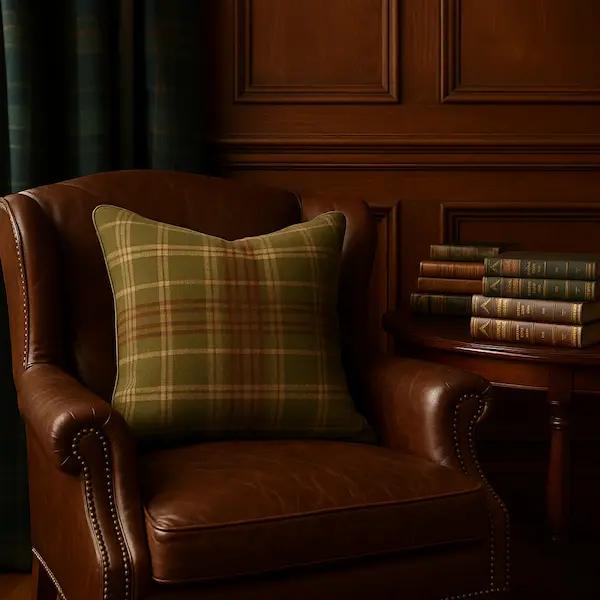
Textiles are where warm minimalism Bay Area homes really differentiate from cold minimalism. Rather than bare surfaces, warm minimalist spaces layer natural fabrics thoughtfully:
- Throws: A wool herringbone throw draped over a chair arm
- Pillows:Linen lumbar pillows in neutral tones
- Rugs:Natural fiber rugs in jute or sisal
- Window treatments: Simple linen panels that filter light warmly
Each textile adds warmth without adding visual noise. The textures interact—rough jute against smooth linen, nubby wool against polished mahogany—creating sensory richness within the minimalist framework.
Warm Minimalism Room by Room
The Living Room
Start with a natural fiber rug to ground the space. Add seating in woven materials or upholstery in neutral tones. Include one significant wood piece—a coffee table or bookcase—to anchor the room. Layer throws and pillows in complementary natural fabrics. Leave walls largely empty, but consider one handwoven tapestry as a focal point.
The Bedroom
Warm minimalism Bay Area bedrooms focus on rest. A beautiful chest like the Montclair or Bombe Chest provides storage while contributing warmth. Layer the bed with quality linens in neutral tones. Add a single reading chair with a cozy throw. Keep surfaces clear except for essentials.
The Home Office
Even workspaces benefit from warm minimalism. A Carlton Library Table brings warmth to a desk setup. A library bookcase stores materials while creating a distinguished backdrop. The key is maintaining visual calm while surrounding yourself with natural materials.
Why Warm Minimalism Works in the Bay Area
Warm minimalism Bay Area homes embrace succeeds because it resolves a fundamental tension in the region’s culture. Bay Area residents value simplicity—they built careers on elegant solutions to complex problems. But they also value authenticity, craftsmanship, and connection to nature.
Cold minimalism satisfies the first value but ignores the others. Warm minimalism satisfies all of them. It’s the aesthetic equivalent of a well-designed product: simple enough to understand immediately, but rich enough to reward continued engagement.
As we move through 2026, expect warm minimalism Bay Area influence to spread. This isn’t a fleeting trend—it’s a mature response to the excesses of both maximalism and cold minimalism. It’s design that finally serves human needs rather than photographic ones.
Discover furniture and textiles for warm minimalist spaces at Reeva Sethi Home. Our collection of heritage furniture, natural fiber rugs, and quality throws embodies the warm minimalism aesthetic. Based in Saratoga, California, we serve homeowners throughout the Bay Area.
Interesting Reads
Continue exploring design trends and heritage interiors with these articles from the Reeva Sethi journal:
- The Principles of Quiet Luxury — A considered exploration of quiet luxury in home decor, where craftsmanship takes precedence over trends.
- Silicon Valley Home Design: Where Tech Meets Tradition — How tech executives create spaces that balance innovation with heritage.
- The Complete Guide to Furniture Bay Area Homes Deserve — Everything you need to know about selecting furniture for Bay Area climate and lifestyle.
- Interior Design Saratoga: Heritage Meets Silicon Valley — Discover how Saratoga homeowners blend heritage craftsmanship with modern sensibility.
- The Art of the Collected Home: How to Mix Antiques With Modern Furniture — Learn how designers seamlessly blend heritage pieces with contemporary furnishings.