 Written by
 Mountain View modern living presents a design challenge unlike anywhere else on the Peninsula. This is where Google’s sprawling campus shapes daily rhythms, where engineers who’ve changed the world come home to unwind, where the tension between digital innovation and analog comfort plays out in living rooms and bedrooms. The furniture here must bridge two worlds—honoring the clean-lined aesthetic of tech culture while providing the warmth and permanence that screens cannot deliver.
Understanding Mountain View Modern Living
Mountain View occupies a unique position in Silicon Valley’s geography and identity. Unlike the established wealth of Atherton or the academic heritage of Palo Alto, Mountain View’s character emerged from the tech industry itself. NASA’s Ames Research Center provided early technical DNA. Fairchild Semiconductor and its descendants built the foundation. Google’s arrival transformed the city into a global symbol of technological ambition.
This history shapes Mountain View modern living in distinctive ways. Residents here often made their wealth through innovation—they approach problems analytically, value efficiency, and appreciate design that demonstrates clear thinking. Their homes must accommodate demanding work schedules, frequent international travel, and the particular kind of cognitive fatigue that comes from solving complex problems all day.
For context on Mountain View’s evolution, see the Mountain View overview.
The Mountain View Aesthetic
Where older Peninsula towns cultivate traditional elegance, Mountain View embraces a more contemporary sensibility. The aesthetic here tends toward clean lines, functional design, and materials that feel honest rather than precious. This isn’t minimalism for its own sake—it’s the visual expression of minds trained to eliminate unnecessary complexity.
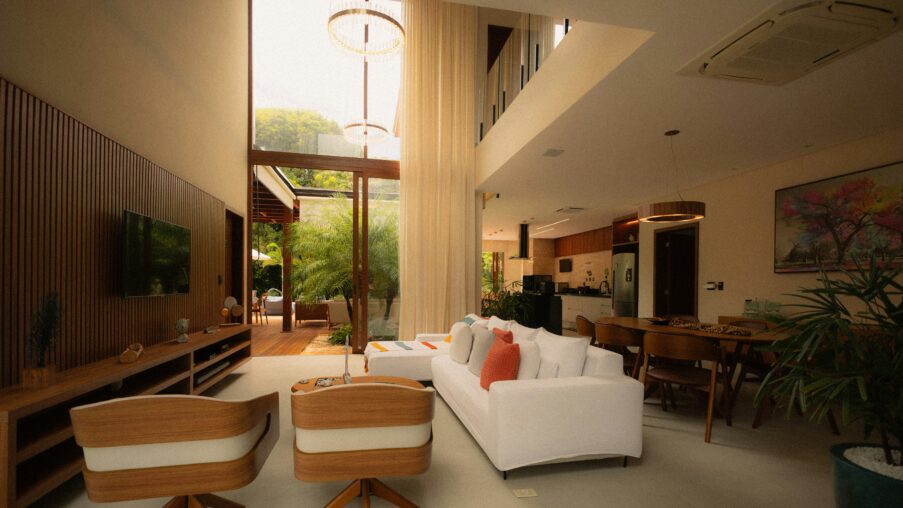
Yet pure modernism feels cold in homes where residents spend so few waking hours. The most successful Mountain View interiors balance contemporary design with warmth—introducing natural materials, comfortable textures, and furniture that invites human presence rather than admiring it from a distance.
The Google Effect
Google’s influence on Mountain View extends beyond economics. The company’s design philosophy—clean, functional, user-centered—permeates local expectations. Residents accustomed to thoughtfully designed workspaces expect the same consideration at home. They notice when furniture fails to solve real problems. They appreciate when design serves function.
This sensibility favors furniture that works intuitively. Storage systems that keep spaces organized. Tables sized appropriately for their intended use. Seating that supports bodies through long evenings of reading or conversation.
Global Perspectives
Mountain View’s tech workforce draws talent from around the world. Many residents bring design sensibilities from their home countries—Japanese appreciation for simplicity, Scandinavian devotion to functional beauty, Indian understanding of color and pattern. These influences create homes that feel global rather than provincial.
This international perspective often favors pieces with clear design heritage. For guidance on mixing traditions thoughtfully, see our article on mixing antiques with modern furniture.
Room by Room: Mountain View Interiors
The Living Room
Mountain View living rooms serve as decompression chambers—spaces where residents transition from the intensity of work to the rhythms of personal life. The furniture must support this transition: comfortable enough for genuine relaxation, visually calming after days spent staring at screens, arranged for both solitary unwinding and social connection.
Key considerations include:
- Comfortable sofas that encourage actual use, not just appearance
- Accent chairs positioned for reading or conversation
- Coffee tables that serve practical needs
- Lighting designed for evening comfort, not harsh overhead fixtures
The goal is creating space that actively restores rather than simply housing residents between work sessions.
The Home Office
Even before remote work became widespread, Mountain View homes required serious workspaces. Engineers debug code at midnight. Product managers review documents on weekends. The boundary between work and home has always been porous here.
Home offices in Mountain View demand furniture that supports sustained cognitive work:
- Desks with adequate surface area for multiple monitors and documents
- Ergonomic seating that prevents the physical damage of long hours
- Storage solutions that keep reference materials accessible
- Lighting appropriate for screen work and document review
For comprehensive guidance, see our article on designing a private study in Silicon Valley homes.
The Dining Area
Mountain View dining tends toward the casual and intimate. Residents here often eat quickly between work sessions or order delivery after late nights at the office. Yet the dining space matters—it provides one of the few opportunities for genuine disconnection from digital life.
Dining tables should accommodate real use patterns. Surfaces that tolerate laptops during work-from-home lunches. Seating comfortable enough for lingering conversations when time permits. The furniture should invite presence without demanding ceremony.
The Primary Bedroom
Sleep matters enormously in Mountain View—residents who work on complex problems understand that cognitive performance requires genuine rest. Primary bedrooms here should be sanctuaries optimized for sleep quality, free from the blue light and digital distractions that permeate other spaces.
- Bed frames that convey permanence and stability
- Dressers and storage that eliminate morning chaos
- Reading chairs for screen-free evening wind-down
- Blackout capability for residents working across time zones
The Guest Room
Mountain View’s global workforce means frequent visitors—parents from overseas, colleagues visiting for launches, friends attending conferences. Guest rooms must accommodate these visitors comfortably while remaining functional for other purposes when empty.
Flexible furniture serves this need well. Comfortable beds that welcome guests. Storage pieces that house guest linens while serving daily needs. The space should transform easily between hosting and daily use.
Materials for Mountain View Homes
Mountain View modern living favors materials that feel honest and age gracefully. The tech sensibility here appreciates quality engineering in furniture just as in software—well-designed joints, appropriate material selection, finishes that serve function.
Woods
Walnut predominates in contemporary Mountain View interiors—its warm tones soften modern architecture while its clean grain patterns suit contemporary aesthetics. Oak appears in more casual applications. Lighter woods like ash and maple work well in spaces seeking Scandinavian influence.
The wood should be solid, with visible joinery that demonstrates craftsmanship. Veneer feels inappropriate for residents who’ve learned to distinguish genuine quality from superficial appearance.
Leather and Upholstery
Leather works well in Mountain View homes when it’s high-quality and simply styled. Full-grain leather in natural tones develops character over time without demanding attention. Leather seating in home offices and living rooms provides durability alongside comfort.
Fabric upholstery should be practical—easy to clean, resistant to wear, comfortable against skin. Natural fibers like wool, cotton, and linen outperform synthetics in both feel and longevity.
Metals
Contemporary Mountain View interiors often feature metal accents—steel, brass, or bronze in hardware and occasional furniture frames. The metal should feel intentional, serving structural or functional purposes rather than mere decoration.
Textiles
Rugs and throws provide essential warmth in Mountain View interiors. Without these textile layers, contemporary spaces can feel cold and unwelcoming. Choose pieces that invite touch—soft wools, natural fibers, textures that encourage contact.
Balancing Modern and Warm
The central challenge in Mountain View modern living is balancing contemporary aesthetic with human warmth. Residents here appreciate clean design but need homes that feel welcoming after long, intense days.
Strategies for achieving this balance include:
- Introducing natural materials that age gracefully
- Adding textile layers that soften hard surfaces
- Choosing furniture with organic curves alongside geometric forms
- Incorporating plants and natural elements
- Using warm lighting that flatters rather than exposes
The goal is spaces that photograph well but live even better—homes optimized for human comfort rather than visual impact alone.

Mountain View Housing Stock
Mountain View’s housing varies significantly by neighborhood and era. Furniture selections should complement the home’s architectural character.
Mid-Century Homes
Many Mountain View homes date from the 1950s and 1960s, when the aerospace industry drove initial growth. These homes often feature the clean lines and open floor plans of mid-century design. Furniture should honor this heritage—contemporary pieces that complement rather than contrast with the architecture.
Contemporary Construction
Recent Mountain View development tends toward contemporary design—clean lines, large windows, open floor plans. These homes accommodate a range of furniture styles but work best with pieces that share their design philosophy: functional, well-proportioned, honest in materials.
Townhomes and Condos
Mountain View’s density means many residents live in townhomes or condominiums. These spaces require furniture scaled appropriately—substantial enough to feel genuine but not so large as to overwhelm limited square footage.
The Quiet Luxury Approach
Mountain View residents often have significant wealth without desire for display. The principles of quiet luxury resonate strongly here—quality that reveals itself through use rather than appearance, design that serves function without demanding attention.
This approach favors furniture that:
- Demonstrates quality through construction rather than branding
- Improves with use rather than showing wear
- Solves real problems rather than creating visual drama
- Respects the intelligence of its users
For guidance on distinguishing true quality, see our article on heirloom furniture versus trend furniture.
Indoor-Outdoor Integration
Mountain View’s climate permits year-round outdoor living, and many homes feature patios, decks, or yards that extend living space beyond walls. The Mediterranean climate means residents can enjoy outdoor spaces nearly every day of the year, making these extensions particularly valuable for homes where indoor square footage comes at premium prices.
Outdoor furniture for Mountain View homes should match interior quality standards. Durable materials that withstand sun exposure while maintaining their appearance. Comfortable seating that invites actual use. Tables and surfaces that support the same activities—working, dining, relaxing—that happen inside.
For comprehensive guidance, see our article on luxury indoor-outdoor furniture for Bay Area homes.
The Investment Perspective
Mountain View modern living represents significant investment—the city’s proximity to tech employers makes real estate among the most expensive in the country. With median home prices consistently above $2 million, quality furniture protects and enhances this investment. Buyers notice when interiors fail to match a home’s architectural quality. Well-chosen pieces become selling points that justify higher valuations.
The analytical mindset of Mountain View residents serves them well here. View furniture as long-term investment. Consider durability, timelessness, and resale value alongside immediate appeal. The best pieces serve for decades while maintaining their relevance.
Creating Tech-Life Balance
Perhaps the most important function of Mountain View interiors is creating space for life beyond screens. Residents here spend their working hours immersed in digital environments. Home should provide contrast—tactile materials, organic forms, spaces that reward presence rather than productivity.
This means choosing furniture that:
- Invites touch and physical engagement
- Creates comfortable spaces for reading physical books
- Supports face-to-face conversation
- Provides visual rest from the constant stimulation of screens
The goal is homes that actively restore rather than simply housing residents between work sessions.
Privacy and Service
Mountain View residents value their privacy, particularly those whose work generates public attention. Furniture acquisition should respect this reality—discreet consultations, private delivery, minimal disruption to daily life.
Service should be efficient. Mountain View residents are busy; they appreciate providers who respect their time while maintaining quality standards. White-glove delivery that works around demanding schedules.
Connecting to Peninsula Traditions
While Mountain View’s aesthetic tends more contemporary than neighboring towns, it shares DNA with the broader Peninsula. Understanding these connections helps inform furniture selection that works both within Mountain View homes and across the region’s diverse communities.
For context on Peninsula design traditions, see our guides to Atherton interior design, Woodside estate furnishing, Menlo Park home design, Los Altos Hills interior design, and Palo Alto home design.
Mountain View brings something unique to this regional conversation—a forward-looking sensibility that values innovation while recognizing the enduring importance of quality craft and human-centered design.
Explore heritage furniture and contemporary pieces for Mountain View homes at Reeva Sethi Home. Specializing in Mountain View modern living, we understand the unique requirements of tech professionals seeking balance between innovation and timeless design. Based in Saratoga, serving Mountain View and surrounding communities.