Design Essay Who Pays for Craftsmanship to Survive? What The Devil Wears Prada 2 reveals about patronage, disappearing skill and who decides what is worth keeping alive.
I watched the sequel on a flight this summer, and what pulled me in wasn't Runway's fate. It was the question sitting underneath it — one I live with in my own work, surrounded by furniture, tapestries and handmade objects that took someone years to learn how to make.
Survival isn't automatic for a craft, any more than it is for a species. Someone has to decide it's worth keeping alive — and that someone is rarely a museum or an institution. It's whoever pays for another person's time, not just their materials: the years it took to learn the skill, and the extra hours it takes to do something properly.
I watched The Devil Wears Prada 2 on a flight this summer, and what pulled me in wasn't really Runway's fate. It was the question sitting underneath it. What happens to an industry built on creativity and artistry once the economics that used to support it start to disappear?
That's not really a fashion question. It's one I live with in my own work. I deal in furniture, tapestries and handmade objects, and I think about this more than people probably realize. Someone has to be willing to pay for another person's time, not just their materials. For the years it took to learn a skill, and the extra hours it takes to do something properly when something vaguely similar can be produced for far less.
And the buyer has to go a step further than admiring that. They have to actually want it enough to pay for it, care for it, maybe even pass it down. So I wasn't watching to see if Miranda saved a magazine. I was watching to see what the film thought the answer was to a problem I've been trying to work out myself.
Fashion makes the problem easy to see. Months of work collapse into a runway show that's over in minutes. Behind those minutes are pattern cutters, embroiderers, pleaters, feather workers, shoemakers, people whose knowledge took decades to build. Meanwhile, the world around them keeps teaching us to expect things fast and cheap. Handwork gets rarer as fewer people learn it, and rarer skills cost more.
The film simplifies its answer, but I think it lands close to something true anyway: survival isn't automatic. Someone has to decide a craft is worth keeping alive.
The Machine Was Just Another Material
It's not that technology is the villain here, either. Alexander McQueen showed that beautifully with his Spring/Summer 1999 collection, No. 13, which drew on the Arts and Crafts movement and its complicated relationship with industrialization. For the finale, Shalom Harlow stood on a rotating platform in a white dress while two robotic arms spray-painted it black and yellow.
The machine wasn't working against the craft. It was just another material. The real risk isn't the tool. It's a world where efficiency becomes the only thing anyone is measuring, and the economics quietly stop supporting the human skill underneath.
Skill can't really be put in storage. It has to keep getting used or it starts to disappear. Fashion has actually built an answer to this. At le19M in Paris, specialist ateliers practice embroidery, pleating, millinery, feather work, shoemaking and other highly specialized trades, while also working to pass that knowledge on.
Admiration alone wouldn't have preserved those skills. Beauty doesn't pay anyone's rent. Someone decided the work was worth supporting. That's really what patronage has always been.
What Patronage Actually Means
I was reminded of this recently while talking to a traditionally trained antique furniture restorer. Families bring him pieces that have been with them for generations, and they don't necessarily stop to ask whether the restoration cost makes financial sense against resale value. That was never really the point. They want the piece to continue.
He also mentioned something I keep coming back to: he rarely sees that level of quality in furniture being made now. Which is strange when you think about it. We have better tools and more sophisticated machinery than any generation before us, and yet furniture made with far simpler tools decades, sometimes centuries, ago can still be strong enough to use and worth repairing.
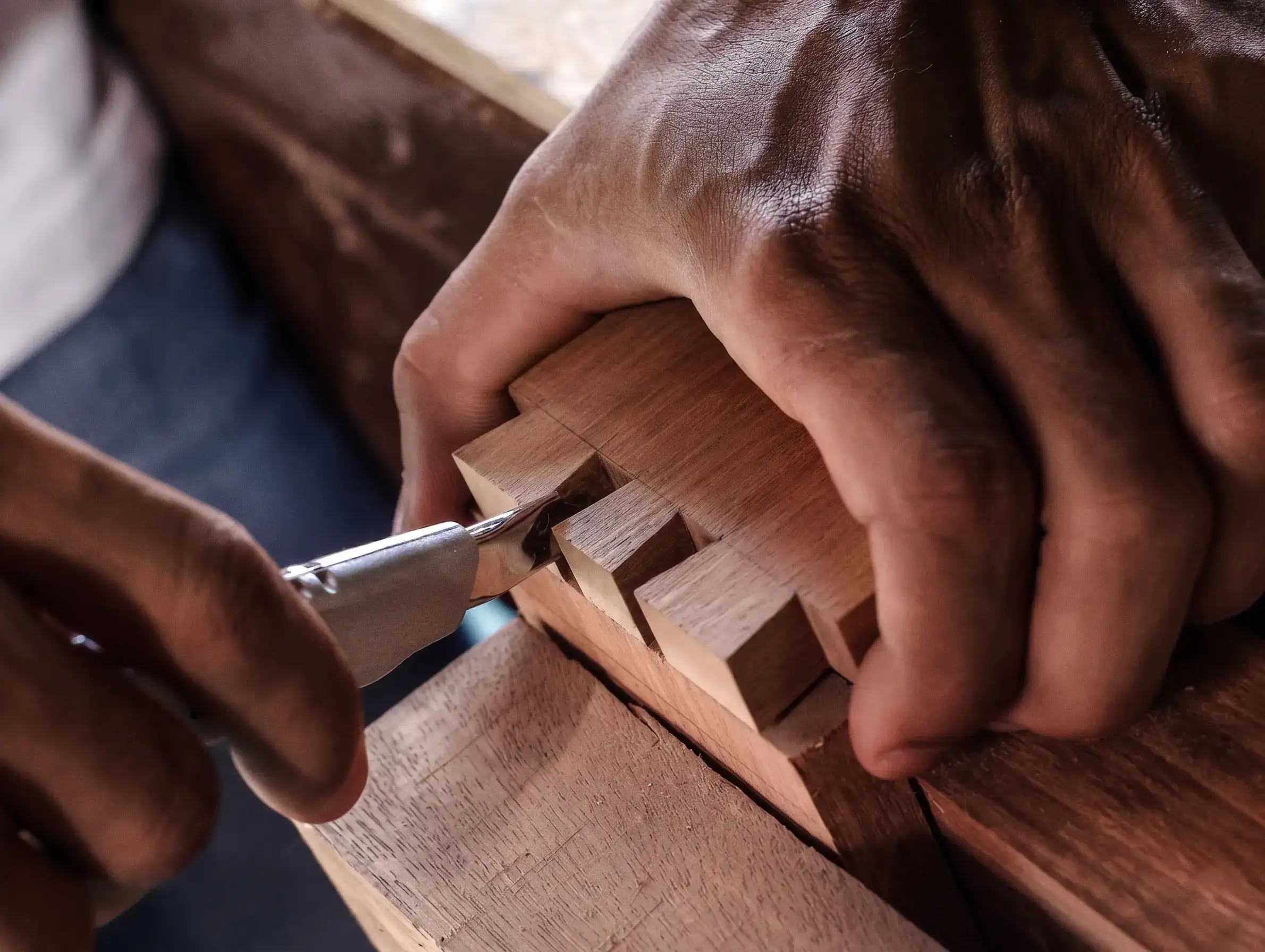
Maybe what we call the "soul" of an old object is partly human time made visible. A hand-cut joint. A carved edge. A tapestry woven slowly by hand. Timber chosen with an understanding of how it would behave over time. Then another layer gets added by whoever lives with it afterward: wear, repair, patina, memory.
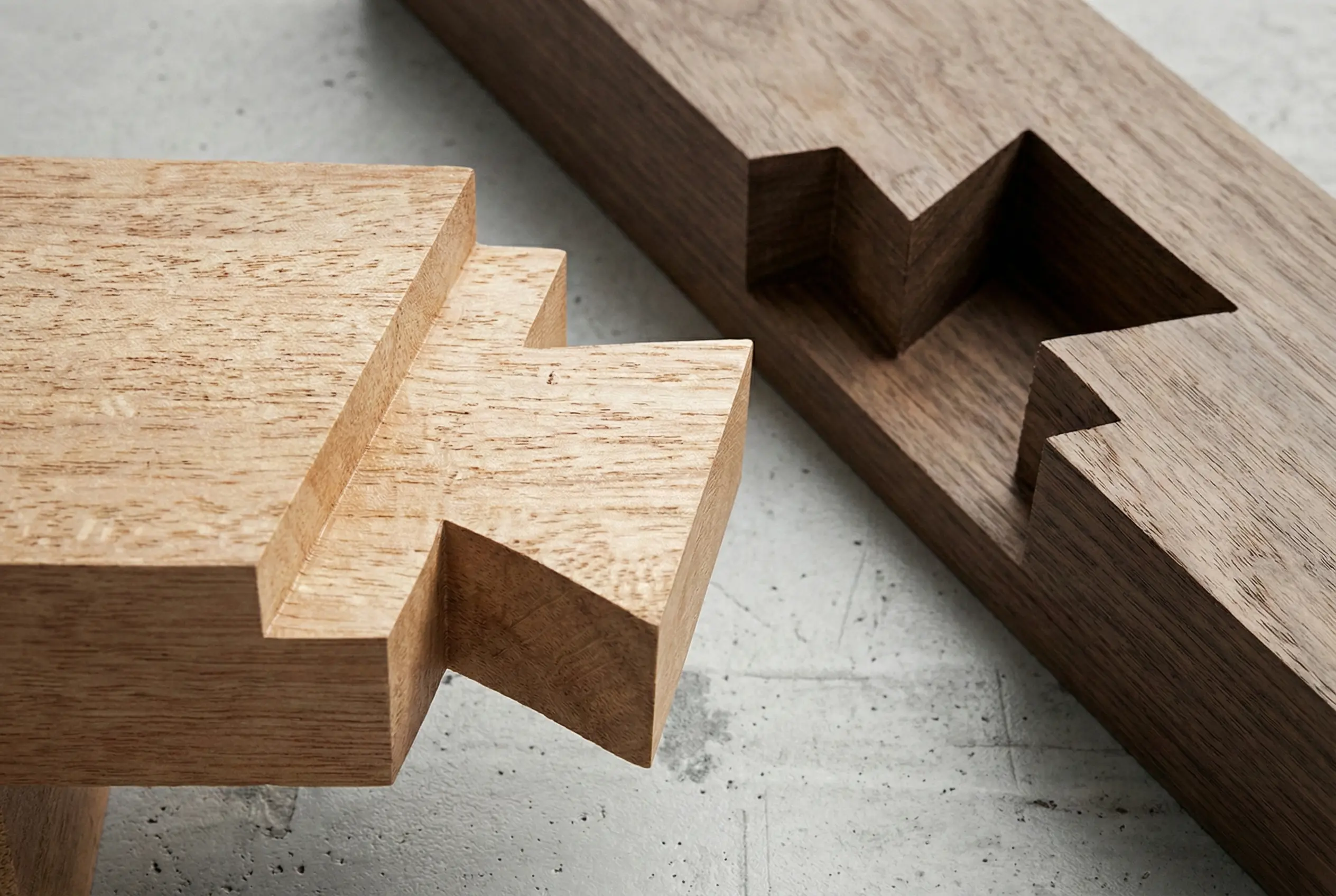
There is something less romantic at work too. Those pieces were often built with a serious understanding of construction. Traditional joinery wasn't there simply because it looked beautiful. A mortise and tenon or dovetail allowed pieces of wood to work together, taking account of load, movement and the nature of the material. That is part of why so many old pieces are still here to be restored in the first place.
It's more ordinary than the word suggests
What We Pass Down
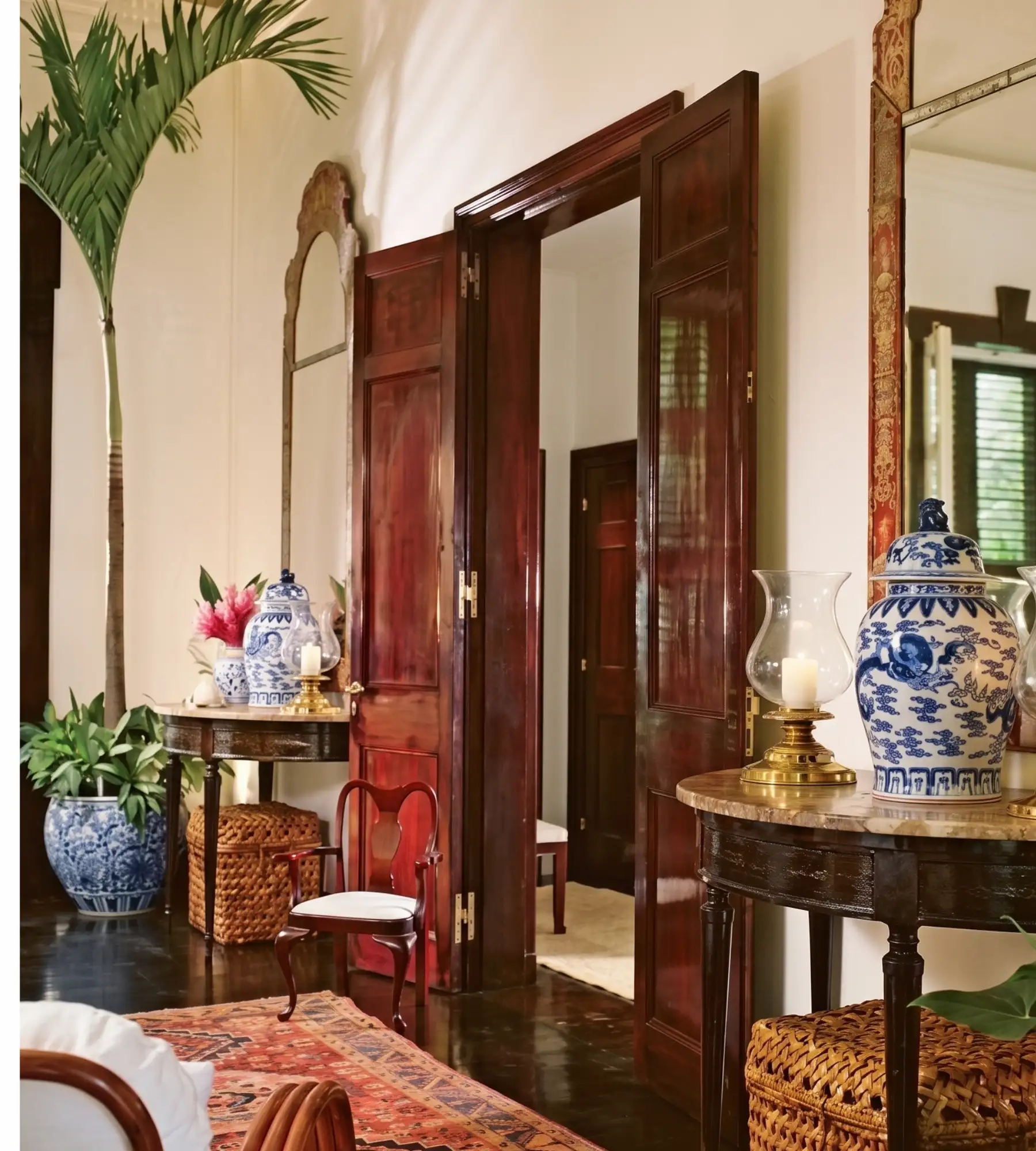
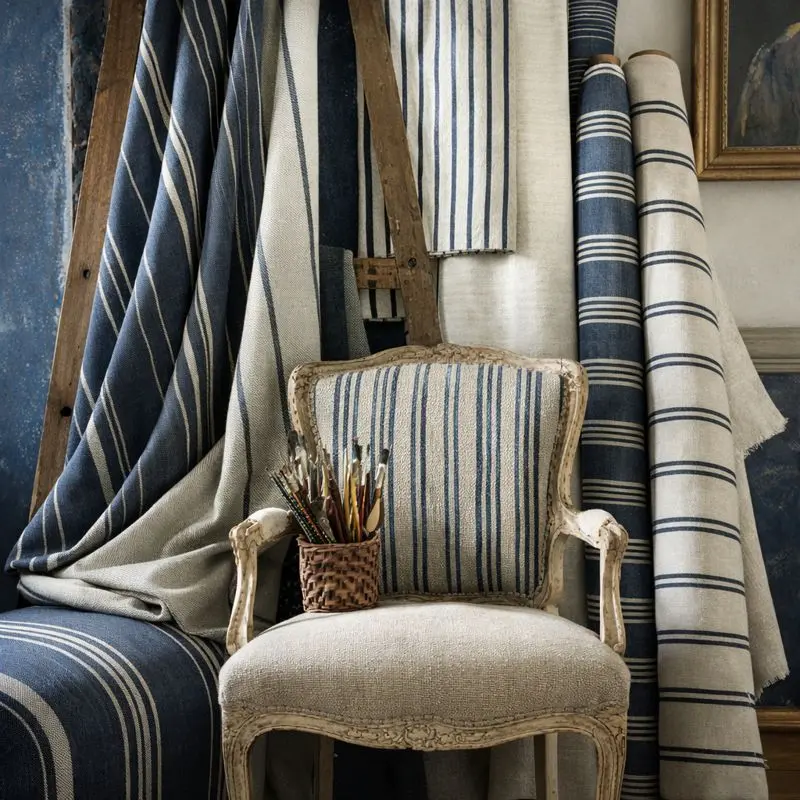
I think that's where this stops being about fashion and starts being about our own homes. A patron is really just whoever gets to decide what continues, and that decision is far more ordinary than the word suggests. It's choosing the rug that can be repaired over the one that can only be thrown out. Understanding why a handwoven tapestry costs what it does, because someone's time is in it. Restoring your parents' table instead of replacing it just because something cheaper exists.
Cost is part of this, of course. But I don't think it's the whole story. The California wine industry is confronting a similar problem as younger consumers drink less wine and have more alternatives. One response has been to make wine easier to approach rather than telling a new generation why they ought to appreciate it.
Craft could learn something from that too. Telling someone they should value handwork rarely works. You have to help them see it: why one joint matters, why one weave takes longer, why one chair can be repaired while another cannot.
And I think about this with my own children too. So much of what we pass down isn't taught formally. Children learn what we value by watching what we keep, what we repair, what we notice and what we are willing to pay someone fairly to make.
Taste, in that sense, isn't about knowing brands. It's learning to look closely enough to recognize quality and understand the work behind it. Perhaps craftsmanship needs both kinds of inheritance: the maker passing knowledge to the next maker, and the rest of us passing along an appreciation for why that work matters.
Because both sides are necessary. Someone has to know how to make the next chair, weave the next textile or restore the old table. But there also has to be someone on the other side who understands the work well enough to want it and support it.
That ended up being the real question hiding inside a fairly glossy sequel. Maybe the answer isn't nostalgia, and it certainly isn't rejecting the machine. It's keeping the chain intact: people who know how to make, people who understand what they're looking at, and another generation learning both.
Things can be built to endure. But the knowledge to make them, and the appreciation to value them, have to be passed on.
Every piece begins with a decision to keep something alive.
If you'd like to talk through solid wood, hand-knotted rugs, or handwoven textiles built to be repaired rather than replaced, we'd be glad to help.
Reeva Sethi Home is located at 20430 Saratoga–Los Gatos Road, Saratoga, California. The showroom serves Saratoga, Los Gatos, Los Altos, Monte Sereno, and the greater Bay Area.
Saratoga, CA 95070
11am – 4pm
Bespoke sourcing
What Keeps a Craft Alive
- Skill survives only if it keeps being used — a craft not practiced regularly begins to disappear
- Technology is a material, not an adversary — the risk is measuring only efficiency
- Traditional joinery served function first, beauty second — that's why old pieces survive to be restored
- A patron is anyone who decides what continues, not only wealthy collectors or institutions
- Children learn what to value by watching what adults keep, repair, and pay fairly for
- Cost reflects the maker's years of training, not only the materials in front of you
Why does handmade furniture cost more than mass-produced furniture?
The price often reflects years of training and the additional hours required to select materials, cut joinery, shape surfaces and finish a piece properly—not only the cost of the materials. Mass production is designed to reduce that labor and can sometimes use construction methods that make future repair more difficult, although quality varies considerably.
Who decides which crafts survive?
A patron does — and a patron is simply whoever decides what continues. That's more ordinary than it sounds: a family restoring an inherited table instead of replacing it, or a buyer choosing a handwoven rug over a machine-made one. Admiration alone doesn't preserve a skill; someone has to pay for the time behind it.
Why do old furniture pieces often last longer than new ones?
Older pieces were frequently built with traditional joinery chosen for function first, not decoration — construction that accounts for how wood moves and carries load over decades. It's part of why so many antique pieces are still here to be restored, often using far simpler tools than we have now.
What does it mean to be a patron of craftsmanship?
Patronage is the decision that a piece of knowledge, not just an object, is worth keeping alive. It shows up in small, ordinary choices: restoring a piece instead of discarding it, paying fairly for a maker's time, or choosing furniture built to be repaired rather than replaced.
How can I support traditional craftsmanship in my own home?
Buy fewer things and look for sound construction, honest materials and pieces designed to be repaired. Solid wood can be excellent, but traditionally veneered furniture can also be heirloom quality when properly made. Restore what you already own before replacing it, and learn enough about construction and materials to understand what the price contains.
Where can I find handmade furniture and textiles in the Bay Area?
Reeva Sethi Home in Saratoga sources solid wood furniture, hand-knotted rugs, and handwoven tapestries for clients across Saratoga, Los Gatos, Los Altos, Monte Sereno, and the greater Bay Area. Call 408-797-5283 or book a visit online.
REEVA SETHI writes RS Studio as a journal of proportion, material truth, and interior permanence. These essays are for homeowners and designers who want to understand not just what a room looks like, but why certain spaces — and the skills behind them — endure. Read the full RS Studio archive →